How to grow peonies for high yield and quality? A full breakdown of planting techniques
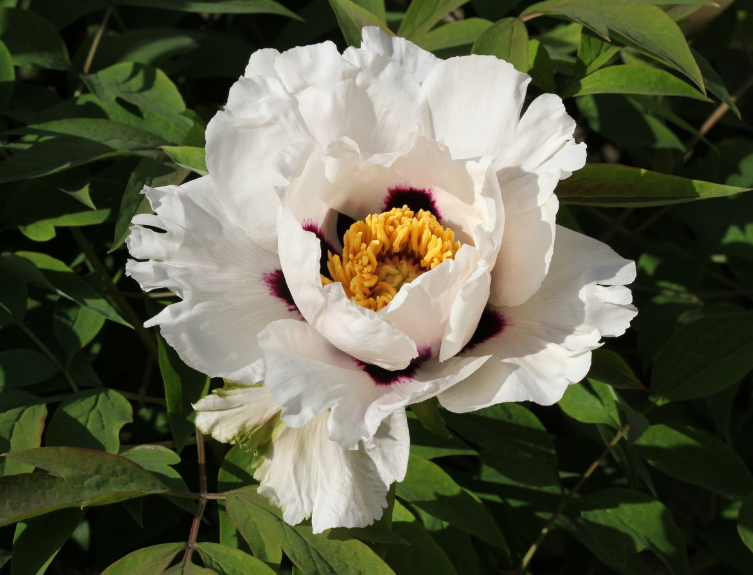
Peony is one of the top ten famous flowers in our country, with large and brightly colored blooms and excellent ornamental value. It is often planted together with tree peonies to visually extend the flowering period. Peonies can be used for specialty gardens, flower beds, and are also commonly used as cut flowers. The roots of the peony can also be used as medicine. Below is an introduction to the high-yield and high-quality planting techniques for peonies.
1. Soil selection
Every crop has different soil requirements. Peonies have strong growth ability and do not demand much from the soil, but if we want peonies to grow robustly and look good, then before planting we should still choose soil that is rich in fertility and loose and permeable.
Humus soil that is rich in fertility and loose and permeable is beneficial for the peony roots' nutrient absorption and respiration, and can promote the growth of peonies. We should also pay attention to the size of the planting hole. If it is too small, it is not conducive to the growth of the peony plant; if it is too large, it consumes too much labor. Usually the diameter is about 28-30cm.
2. Control light
Light is the key to ensuring robust growth of peonies. Peony growth has a relatively large demand for light. If there is insufficient light during the growth process, peony growth will be hindered, and the branches, leaves, and flowers will become weak and droopy, dull and lusterless.
However, the light should not be too strong either. We must prevent direct sunlight for too long. During the flowering period, we can appropriately lower the temperature and increase humidity to prevent sunlight from scorching peony leaves, reducing their commercial ornamental value and affecting planting benefits.
3. Water management
After peonies emerge or are successfully established, water management should be done well, with regular watering. The water at this stage is to ensure the growth of seedlings and improve the survival rate. If there is insufficient water, the peony roots will lack water, and rooting and sprouting will be hindered.
After survival, the watering frequency can be appropriately reduced. Watering about once every 2-3 days is enough, but absolutely do not water too much. After survival, too much water will instead affect the growth of peonies, reduce the flowering rate of peonies, shorten the flowering period, and lead to reduced ornamental value, and planting benefits will decline as a result.
4. Pest and disease control
Peonies have relatively strong disease resistance, so the incidence of disease is low, but the threat from insect pests is relatively great. Pests will gnaw on peony flowers and also suck the nutrients from peony roots and stems, causing the plant to become thin and shriveled and malnourished. Therefore, we must do a good job in pest and disease control.
Insecticides can be used appropriately. There are many different insecticides on the market. When choosing insecticides, we must ensure that they can effectively kill pests without affecting the growth of peonies or reducing the flowering rate of peonies. After spraying insecticide, do not water, to prevent water from washing away the solution and reducing the efficacy, thereby failing to effectively kill pests. Try to water after the pests have died.
Common peony pests include scarab beetles and scale insects, among others. Moreover, although the disease incidence rate of peonies is relatively low, if management is poor, some diseases may still appear, such as gray mold and brown spot disease. These diseases will seriously hinder the growth of peonies and reduce their ornamental value.
The above is Tuliu.com's introduction to high-yield and high-quality planting techniques for peonies. During the planting process, pest and disease control must be done well. Check exactly what pests and diseases are present, then use the corresponding pesticide for treatment. Do not use medication blindly, otherwise it may also cause phytotoxicity.