How much is a jin of peanuts in 2019, and what are the planting prospects?
Peanuts are also called groundnuts, "longevity nuts", mud beans, foreign beans, earth beans, etc. They are an edible nut. Besides being eaten, they can also be pressed for cooking oil and used as a raw material for cosmetics such as soap and hair oil. So, how much is a jin of peanuts in 2019? What are the planting prospects?
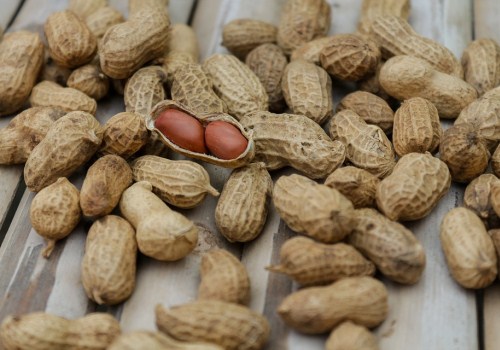
I. A brief introduction to peanuts!
1. Where do peanuts grow?
Many people think they grow on trees, just like other nuts. In fact, their stems, leaves and flowers all grow above ground. After flowering, the stalk pushes the ovary into the soil, where it develops into the fruit, so their roots and fruits grow underground.
2. Can sprouted peanuts be eaten?
It depends. If the sprouts are grown in a safe environment, they are non-toxic and can be eaten; if they sprout in a moldy environment, they are very likely to be infected with Aspergillus flavus, which is harmful to the body, and they must not be eaten.
3. Are peanuts better eaten raw or cooked?
They can be eaten both raw and cooked. Raw is slightly better, because the nutrients they contain are not destroyed and the body can absorb the nutrients better; if your digestion is weak, it is recommended to eat them cooked. Either way, do not eat too many, to avoid gaining weight.
II. How much is a jin of peanuts in 2019?
1. There are many varieties of peanuts. According to the shape of the pods and kernels and the color of the skin, they can be divided into four types: common type, wasp-waist type, multi-seed type and pearl-bean type. Among them, the common type is the main variety grown in China. Prices vary from place to place, generally 3-4 yuan/jin. If the year is bad, the price may be below 3 yuan/jin; if the year is very good, the price is still fairly stable.
2. In the past two years, peanut prices have continued to fall, but the national peanut price has remained stable and will not rise or fall sharply. Market demand is mainly for oil-grade kernels, most of which are taken for oil pressing; if market demand is low, the price is low, and if demand is strong, the price is high; in some places the price is stable but sales are low, and in others the price is low, mainly to seek sales volume.
3. For peanuts sold in grain and oil shops or supermarkets, unshelled raw ones are a bit cheaper, about 4 yuan or more per jin; shelled raw ones are a bit more expensive, about 5.5-6 yuan per jin; unshelled roasted ones are a bit cheaper, about 6-7 yuan per jin; if they have added flavors, such as garlic flavor, five-spice flavor or milk-candy flavor, they are more expensive, and if packed into individual packets, the price per jin ranges from 10-15 yuan.
The above is an introduction to peanut prices, for reference only. The actual price is subject to the price in your area.
III. What are the peanut planting prospects in 2019?
1. Market prospects: In the past two years, due to the weather, increased summer rainfall caused most peanuts to drown, reducing both yield and volume and lowering their quality, so prices were not high. However, they have more and more uses, and many new functions are gradually being discovered, so market demand for them is still strong. Even if the price is not very high, we should not obsess over it, nor keep waiting for it to rise or fall, but instead think about how to improve its yield and quality. As long as the quality is good and the yield is high, there is no fear of not making money.
2. Development prospects: Their fruits contain many nutrients as well as amino acids and unsaturated fatty acids needed by the human body. They can promote the development of human brain cells, enhance memory, and also have anti-aging, blood-clotting and bleeding-stopping, blood-nourishing and milk-promoting, cholesterol-lowering and tumor-preventing effects. Besides being eaten directly, they can also be used to press oil. At present, market demand for peanut oil is also very large, so growing them still has very good prospects.
The above is an introduction to peanut prices and planting prospects. We hope it is useful to everyone.