Detailed Introduction to the Cultivation Methods of Oats, the "Plant Gold"
When it comes to oats, most people should be quite familiar with them. They are a coarse grain with fairly high nutritional value and also a relatively common nutritional tonic. They have the effect of lowering cholesterol and blood sugar, which is why they are also known as "plant gold." Because of their large market demand and extremely high cultivation value, many growers also want to plant them. So let me introduce the cultivation methods of oats to you:
I. Soil Selection and Land Preparation
Oats have strong adaptability and are not strict about soil requirements, so they can grow even in poor and dry areas. However, in order to increase oat yield, it is still more suitable to plant them in soil that is deep, flat, loose, and fertile. In addition, oats should not be continuously cropped, otherwise pests and diseases will be more serious and unfavorable for cultivation. Before planting, the soil needs to be deeply plowed and sun-bleached white, and whether to use deep plowing or shallow plowing should be chosen according to the planting time. Generally, autumn planting uses deep plowing and spring planting uses shallow plowing. After plowing, it must be harrowed fine, which can preserve soil moisture and thus increase the sowing survival rate.
II. Seed Selection and Treatment
For seed selection, first choose excellent varieties with strong adaptability, high disease resistance, and relatively high yield. In addition, when selecting seeds, they should be chosen in combination with local environmental climate and soil conditions. Plump and large seeds can be selected for sowing, while small seeds and insect-damaged seeds should be removed. Before sowing, first put the seeds under the sun to bake for 2-3 days, which can kill some pathogens, thereby increasing the germination rate and also promoting uniform seedlings. To avoid the impact of pests and diseases on growth and yield, some chemicals can be used to dress the seeds to prevent pests and diseases.
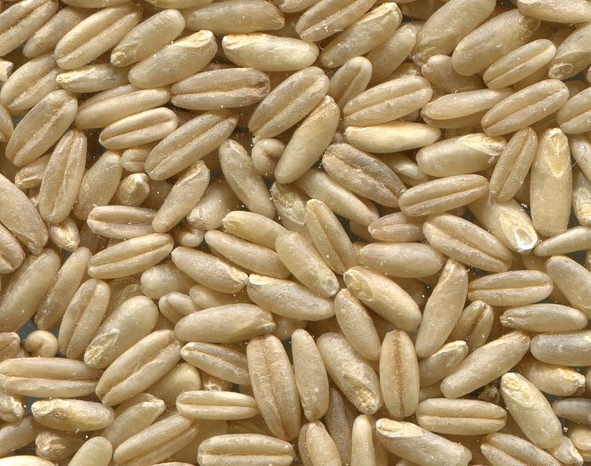
III. Sowing Time
Sowing time has a relatively large impact on yield. If sowing is too early or too late, it will affect seed quality and be unfavorable for germination. The best sowing time is around March-April, approximately around Qingming Festival. At this time, temperature and rainfall are both favorable for seed germination. When sowing, pay attention to sowing density. If the sowing density is too high, there will be too many seedlings competing for nutrients, which is unfavorable for growth and development and causes reduced yield. When sowing, manual or mechanical ditching can be used for drilling. Note that sowing should be uniform, and after sowing, the land should be harrowed in time.
IV. Field Management
In order to achieve high and good yields, it is best not to use herbicides during cultivation, so the important part of field management is intertillage and weeding. When seedlings grow to 8-10 cm, carry out one intertillage and weeding to increase soil permeability. When they grow to the first node, weed once more to loosen the soil. Second, fertilizer and water can promote root growth, so fertilizer and water management should also be strengthened, because fertilizer and water are the key points for high yield. Watering and topdressing should be carried out according to the growth condition of oats. Each watering should soak through, and fertilization should follow standards and should not be excessive or too concentrated, so as to avoid harming the plants.
Summary: The above is the relevant introduction to oat cultivation methods. Growers can refer to the above cultivation methods when planting. I hope it is helpful to friends in need!
Plant Information Summary
Plant Information Summary
Plant flowering period -
The following plants are arranged roughly in the order of trees and shrubs - herbaceous groundcovers - vines.
Plants flowering in January:
Chinese Narcissus - Amaryllidaceae - (January-March),
Firecracker Vine - Bignoniaceae - (January-June),
Cajeput Tree - Myrtaceae - (January-February),
Plants flowering in February:
Kapok - Malvaceae - (February-March),
Michelia maudiae - Magnoliaceae - (February-March),
Amana edulis - Liliaceae - (February-March),
Japanese Apricot - Rosaceae - (February-March),
Winter Jasmine - Oleaceae - (February-April),
Plants flowering in March:
Yulan Magnolia / Purple Magnolia / Saucer Magnolia - Magnoliaceae - (March-April),
Huoli Nan - Magnoliaceae - (March-April) (Michelia macclurei),
Kuding Tea - Aquifoliaceae - (spring) (Large-leaved Holly),
Paulownia - Scrophulariaceae - (March-April) (White-flowered Paulownia),
Trident Maple - Aceraceae - (spring),
Bay Laurel - Lauraceae - (spring),
Tung Tree - Euphorbiaceae - (spring),
Distylium - Hamamelidaceae - (March-April),
Redbud - Fabaceae Cercis genus (Caesalpiniaceae) - (March-April) (Man Tiao Hong),
Cotinus coggygria - Euphorbiaceae - (spring, summer, autumn),
Golden Net-bush - Acanthaceae - (spring, summer, autumn),
Parlor Palm - Arecaceae - (March-April),
Winter Daphne - Thymelaeaceae - (March-April),
Oriental Paperbush - Thymelaeaceae - (March-April),
Dwarf Flowering Cherry - Rosaceae - (spring),
Chaenomeles speciosa - Rosaceae Chaenomeles genus - (March-April),
Japanese Quince - Rosaceae Chaenomeles genus - (March-May),
Peach - Rosaceae - (March-April),
Purple-leaf Plum - Rosaceae Prunus genus (Cerasus genus) - (March-April),
Apricot - Rosaceae Prunus genus (Cerasus genus) - (March-April),
Spiraea prunifolia - Rosaceae - (spring) (Bridal Wreath Spirea),
Firethorn - Rosaceae - (spring),
Forsythia viridissima - Oleaceae - (March-April),
Corydalis incisa - Papaveraceae - (March-April),
Spider Lily - Amaryllidaceae - (spring),
Snowdrop - Amaryllidaceae - (March-April),
Trumpet Narcissus - Amaryllidaceae - (March-April),
Tulip - Liliaceae - (March-April),
Plants flowering in April:
Chinese Tulip Tree - Magnoliaceae - (April-June) (Chinese Tulip Tree),
Magnolia officinalis - Magnoliaceae - (April-May),
Michelia figo - Magnoliaceae - (April-May),
White Jade Orchid - Magnoliaceae Michelia genus - (April-September),
Dove Tree - Davidiaceae Davidia genus - (April-May) (Dove Tree),
London Plane - Platanaceae - (April-May) (Oriental Plane / Netu Tree),
Paulownia fortunei - Scrophulariaceae - (April-May),
Taiwan Acacia - Fabaceae Acacia genus (Mimosaceae) - (April-June),
Dyer's Greenwood - Fabaceae - (April-June),
Tasmanian Blue Gum - Myrtaceae Eucalyptus genus - (April-May and October-November),
Trifoliate Orange - Rutaceae (Zhi),
Shiny-leaved Honeysuckle - Caprifoliaceae,
Rhaphiolepis indica - Rosaceae,
Dwarf Flowering Cherry - Rosaceae,
Pear - Rosaceae,
Cherry - Rosaceae,
Japanese Late Cherry - Rosaceae,
Hall Crabapple - Rosaceae - (April-May),
Midget Crabapple - Rosaceae - (April-May),
Apple - Rosaceae - (April-May),
Rosa xanthina - Rosaceae - (April-May),
Spiraea blumei - Rosaceae - (April-June),
Kerria japonica - Rosaceae - (April-May),
Jasminum mesnyi - Oleaceae,
Forsythia suspensa - Oleaceae - (April-May),
Forsythia viridissima - Oleaceae - (April-May),
Ligustrum sinense - Oleaceae - (April-June),
Loropetalum chinense var. rubrum - Hamamelidaceae - (April-May),
Deutzia scabra - Saxifragaceae - (April-July),
Gooseberry - Grossulariaceae - (April-May),
Berberis thunbergii f. atropurpurea - Berberidaceae - (April-May),
Amur Honeysuckle - Caprifoliaceae - (April-May),
Weigela florida - Caprifoliaceae - (April-June),
Tree Peony - Paeoniaceae - (April-May),
Hypericum patulum - Clusiaceae - (April-August),
Bramble - Rosaceae - (April-May),
Ardisia japonica - Primulaceae - (April-May),
Pachysandra terminalis - Buxaceae - (April-May),
White Clover - Fabaceae - (April-November) (White Trefoil),
Red Woodsorrel - Oxalidaceae - (April-November),
Wax Begonia - Begoniaceae - (April-December),
Dichondra - Convolvulaceae - (April-May),
Verbena - Verbenaceae - (April-October),
Pansy - Violaceae - (April-June),
Daisy - Asteraceae - (April-June),
Dandelion - Asteraceae - (June-September),
Stock - Brassicaceae - (April-May),
Golden Japanese Sedge - Cyperaceae - (April-May),
Moses-in-the-cradle - Commelinaceae - (April-October),
Speirantha gardenii - Liliaceae - (April-May),
Iris - Iridaceae - (April-May),
Bletilla striata - Orchidaceae - (April-May) (Baiji),
Star Jasmine - Apocynaceae - (April-June),
Glechoma hederacea - Lamiaceae - (April-May),
Japanese Honeysuckle - Caprifoliaceae - (April-June),
Climbing Fig - Moraceae - (April-June) (Wood Lotus),
Variegated Periwinkle - Apocynaceae - (April-July) (Vinca Vine),
Lady Banks' Rose - Rosaceae Rosa genus - (April-June) (Muxiang Vine)
Akebia - Lardizabalaceae,
Wisteria - Fabaceae Wisteria genus (Papilionaceae),
Plants flowering in May:
Chinaberry - Meliaceae,
Fringetree - Oleaceae,
Spiraea thunbergii - Oleaceae - (May-June),
Amur lilac - Oleaceae - (May-June),
Four-season osmanthus - Oleaceae - (May-September),
Jasmine - Oleaceae - (May-November),
Manchurian catalpa - Bignoniaceae,
Chinese catalpa - Bignoniaceae - (May-June),
Japanese pittosporum - Pittosporaceae,
Glossy-leaved indigo - Fabaceae - (April-May),
Black locust - Fabaceae, genus Robinia (Faboideae),
False indigo bush - Fabaceae, genus Amorpha (Faboideae) - (May-June),
Flamboyant tree - Fabaceae, genus Delonix (Caesalpinioideae) - (May-August),
Manglietia - Magnoliaceae,
White champaca - Magnoliaceae - (May-September),
Pomegranate - Punicaceae - (May-June),
Myrtle - Myrtaceae,
Whorled-leaved rose apple - Myrtaceae - (May-June),
Horse chestnut - Hippocastanaceae - (May-June),
Goldflame spirea - Rosaceae - (May-October),
Many-flowered cotoneaster - Rosaceae - (May-June),
Hawthorn - Rosaceae - (May-June),
Chinese rose - Rosaceae - (May-October),
Rose - Rosaceae - (May-June),
Tamarisk - Tamaricaceae - (May-August),
Chinese peony - Paeoniaceae,
Beauty bush - Caprifoliaceae,
Chinese snowball viburnum - Caprifoliaceae - (May-June),
Tianmu viburnum - Caprifoliaceae - (May-June),
Korean weigela - Caprifoliaceae - (May-June),
Viburnum - Caprifoliaceae - (May-June),
Frangipani - Apocynaceae - (May-October),
Yellow oleander - Apocynaceae - (May-December),
Duranta - Verbenaceae, genus Lantana - (May-October),
Nandina - Berberidaceae - (May-July),
Summer azalea - Ericaceae - (May-June),
Red-twig dogwood - Cornaceae - (May-July),
Kousa dogwood - Cornaceae - (May-June),
Chinese ixora - Rubiaceae - (summer, autumn),
Gardenia - Rubiaceae - (May-July) (Pinwheel gardenia),
Japanese serissa - Rubiaceae - (May-June),
Goji berry - Solanaceae - (May-October),
Yellow flag iris - Iridaceae - (May-June),
Golden stonecrop - Crassulaceae - (May-June),
Stringy stonecrop - Crassulaceae - (May-June),
Skullcap - Lamiaceae - (May-October),
Fortune's euonymus - Celastraceae - (May-June),
Dianthus - Caryophyllaceae - (May-November),
Golden creeping Jenny - Primulaceae - (May-July),
Japanese pachysandra - Buxaceae - (May-August) (Zhuanjin grass),
Variegated golden sweet flag - Araceae - (May-July),
Sweet flag - Araceae - (May-July),
Purple heart - Commelinaceae - (May-November),
Cast iron plant - Liliaceae - (May-June),
Daylily - Liliaceae - (May-August),
Fragrant solomonseal - Liliaceae - (May-June),
Autumn zephyr lily - Amaryllidaceae - (May-September),
Alpinia - Zingiberaceae - (May-June),
Larkspur - Ranunculaceae - (May-June),
Corn poppy - Papaveraceae - (May-June),
Phlox - Polemoniaceae - (May-June),
Glandular-stalked bittersweet - Celastraceae - (May-June),
East China grape - Vitaceae - (May-June),
Dwarf mallow - Malvaceae - (May-June),
Snake gourd - Cucurbitaceae - (May-August),
Millettia - Faboideae - (May-August),
Japanese honeysuckle - Caprifoliaceae - (May-July),
Star jasmine - Apocynaceae,
Plants that bloom in June:
Goldenrain tree - Sapindaceae - (June-September),
Chinese guger tree - Theaceae, genus Schima - (early summer),
Silky oak - Proteaceae - (early summer),
Mongolian linden - Tiliaceae - (June-July),
Privet - Oleaceae - (June-July),
Flame flower - Caesalpinioideae - (summer) (Chinese ashoka),
Silk tree - Fabaceae - (June-July),
Albizia falcataria - Fabaceae - (late spring, early summer),
Southern magnolia - Magnoliaceae - (June-July),
Night-blooming magnolia - Magnoliaceae - (summer, autumn),
Southern schisandra - Magnoliaceae - (June-September),
Laurustinus - Caprifoliaceae (French holly),
Ormosia - Faboideae - (June-July),
Golden privet - Oleaceae - (summer),
Kumquat - Rutaceae,
Orange jasmine - Rutaceae - (summer, autumn),
Rose apple - Myrtaceae - (summer),
Oleander - Apocynaceae - (summer),
Dwarf allamanda - Apocynaceae - (summer, autumn),
Oriental blueberry - Ericaceae, genus Vaccinium (Vaccinium bracteatum),
Blueberry tree - Ericaceae, genus Vaccinium (June-July),
Mock lime - Meliaceae - (summer, autumn),
Hollyhock - Malvaceae - (June-August),
Rose of Sharon - Malvaceae - (June-September),
Chinese hibiscus - Malvaceae - (summer, autumn),
Sea hibiscus - Malvaceae - (summer, autumn),
Japanese fatsia - Araliaceae - (summer, autumn),
Japanese spirea - Rosaceae - (June-July),
Shrubby cinquefoil - Rosaceae - (June-July),
Lantana - Verbenaceae - (summer) (Lantana camara),
Rose glorybower - Verbenaceae - (June-July),
Hydrangea - Saxifragaceae - (June-July),
Yucca - Agavaceae - (June-July),
Crape myrtle - Lythraceae - (June-September),
St. John's wort - Clusiaceae - (June-August),
Purple loosestrife - Lythraceae - (June-October),
Glossy abelia - Caprifoliaceae - (June-November),
Melastoma - Melastomataceae - (June-August),
Cattail - Typhaceae - (June-July),
Stringy stonecrop - Crassulaceae,
Powdery alligator-flag - Marantaceae - (summer, autumn),
German stonecrop - Crassulaceae - (June-July),
Caladium - Araceae - (summer),
Petunia - Solanaceae - (June-September),
Perennial phlox - Polemoniaceae - (June-August),
Thyme - Lamiaceae - (June-September),
Dusty miller - Asteraceae - (June-September),
Yarrow - Asteraceae - (June-October),
Marigold - Asteraceae - (June-October),
French marigold - Asteraceae - (June-October),
Zinnia - Asteraceae - (June-October) (Lantana, autumn mallow),
Variegated oat grass - Poaceae - (June-July),
Blue fescue - Poaceae - (May-June),
Lophatherum - Poaceae - (June-October),
Ribbon grass — Poaceae — (summer),
Pollia japonica — Commelinaceae — (June-July),
Lily-of-the-valley shrub / Rohdea japonica — Liliaceae — (June-August),
Hosta — Liliaceae — (June-July),
Rohdea japonica — Liliaceae — (June-July),
Dwarf lilyturf — Liliaceae — (June-July) (Ophiopogon japonicus, lilyturf),
Blackberry lily — Iridaceae — (June-August),
Dutchman's pipe — Aristolochiaceae — (June-July),
Sweet alyssum — Brassicaceae — (June-October),
He shou wu / Chinese knotweed — Polygonaceae — (June-September),
Butterfly bush — Loganiaceae — (June-August),
Clematis — Ranunculaceae — (summer),
Millettia dielsiana — Fabaceae — (June-July),
Cayratia japonica — Vitaceae — (June-July),
Boston ivy — Vitaceae — (June-July),
Paederia scandens — Rubiaceae — (June-July),
Evening primrose — Onagraceae — (June-September),
Cypress vine — Convolvulaceae — (summer, autumn),
Gladiolus — Iridaceae — (summer, autumn),
Canna — Cannaceae — (summer, autumn),
Water lily — Nymphaeaceae — (June-August),
Lotus — Nymphaeaceae — (June-September),
Plants that bloom in July:
Elaeocarpus — Elaeocarpaceae,
Sago palm — Cycadaceae — (July-August),
Amorpha fruticosa / false indigo — Fabaceae / Faboideae (July-August),
Chinese scholar tree — Fabaceae, genus Sophora — (July-August),
Dwarf crape myrtle — Lythraceae — (July-September),
Harlequin glorybower — Verbenaceae — (July-August),
Abelia chinensis — Caprifoliaceae — (July-September),
Mahonia — Berberidaceae — (July-October),
Ligustrum / privet — Oleaceae,
Chinese privet — Oleaceae — (July-August),
Costus / Saussurea — Asteraceae — (July-August),
Perennial gaillardia — Asteraceae — (July-August),
Farfugium japonicum — Asteraceae — (July-November),
Oplismenus undulatifolius — Poaceae — (July-November),
Broadleaf liriope — Liliaceae — (July-August),
Crocosmia — Iridaceae,
Spider lily / Hymenocallis — Amaryllidaceae — (July-August),
Red spider lily — Amaryllidaceae — (July-September),
Tuberose — Amaryllidaceae — (July-November) (tuberose),
Vitex rotundifolia — Verbenaceae — (July-November),
Jiaogulan — Cucurbitaceae — (July-September),
Chinese trumpet creeper — Bignoniaceae — (July-September),
Cockscomb — Amaranthaceae — (July-October),
Scarlet sage — Lamiaceae — (July-October),
Water hyacinth — Pontederiaceae — (July-September),
Plants that bloom in August:
Autumn zephyr lily — Amaryllidaceae — (August-November),
Ginger lily — Zingiberaceae — (August-November),
Grape — Vitaceae — (August-September),
Chinese ivy — Araliaceae — (August-September),
Plants that bloom in September:
Osmanthus — Oleaceae,
Crown of thorns — Euphorbiaceae — (autumn, winter) (Euphorbia milii),
Cotton rose — Malvaceae — (September-October),
Siamese senna — Caesalpiniaceae — (September-December),
Hainan ormosia — Faboideae — (autumn),
Aucuba japonica — Cornaceae — (autumn),
Wild chrysanthemum — Asteraceae — (September-November),
Blood grass — Poaceae — (late summer),
Silvergrass — Poaceae — (autumn) (Miscanthus floridulus),
Reineckea carnea — Liliaceae — (September-November),
Yucca — Liliaceae — (September-November),
Schefflera — Araliaceae — (autumn, winter),
Ivy — Araliaceae — (September-December),
Plants that bloom in October:
Bauhinia — Caesalpiniaceae,
Elaeagnus — Elaeagnaceae — (October-November),
Fatsia japonica — Araliaceae — (October-November),
Ajania — Asteraceae — (October-November),
Oil tea camellia — Theaceae — (October-December),
Plants that bloom in November:
Camellia sasanqua — Theaceae — (November-April of the following year),
Plants that bloom in December:
Camellia — Theaceae — (winter-spring of the following year),
Yunnan camellia — Theaceae — (December-April of the following year),
Celtis julianae — Ulmaceae — (winter-early spring),
Schefflera — Araliaceae — (winter),
Bougainvillea — Nyctaginaceae — (winter-spring) (bougainvillea, paper flower),
Wintersweet — Calycanthaceae — (December-March),
Blooms all year round:
Twin-pod senna — Fabaceae, genus Senna (Caesalpiniaceae) — (golden-edge yellow sophora)
Plant fruiting periods —
Plants that ripen fruit in May:
Mulberry — Moraceae, genus Morus — May-July,
Plum — Rosaceae, genus Prunus — May-June,
Cherry — Rosaceae — May-June,
Lychee — Sapindaceae, genus Litchi — May-August,
Plants that ripen fruit in June:
Loquat — Rosaceae, genus Eriobotrya — early summer,
Bayberry — Myricaceae — June-July,
Apricot — Rosaceae, genus Prunus,
Peach — Rosaceae, genus Prunus — June-September,
Ardisia — Myrsinaceae, genus Ardisia — June-November,
Goji berry — Solanaceae, genus Lycium — June-November,
Plants that ripen fruit in July:
Apple — Rosaceae, genus Malus — July-November,
Sichuan pepper — Rutaceae, genus Zanthoxylum — July-October,
Longan — Sapindaceae, genus Dimocarpus — July-August,
Plants that ripen fruit in August:
Chinese quince — Rosaceae, genus Chaenomeles — August-October,
White pear — Rosaceae, genus Pyrus — August-September,
Jujube tree — Rhamnaceae, genus Hovenia — August-September,
Grape — Vitaceae, genus Vitis — August-September,
Red osier dogwood — Cornaceae, genus Cornus — August-September (ornamental red branches and white fruit),
Kiwifruit — Actinidiaceae, genus Actinidia — August-October (kiwifruit),
Plants that ripen fruit in September:
Camphor tree — Lauraceae, genus Cinnamomum — September-November,
Walnut — Juglandaceae, genus Juglans — September-November,
Chestnut — Fagaceae, genus Castanea — September-October,
Persimmon tree — Ebenaceae, genus Diospyros — September-October,
Firethorn — Rosaceae, genus Pyracantha — September-October,
Nandina — Berberidaceae, genus Nandina — September-October,
Pomelo — Rutaceae, genus Citrus — September-October,
Pomegranate — Punicaceae, genus Punica — September-October,
Chinese holly — Aquifoliaceae, genus Ilex — September-November,
Goldenrain tree — Sapindaceae, genus Koelreuteria — early autumn,
Raisin tree (Hovenia dulcis) — Rhamnaceae, genus Hovenia — September-October,
Coral tree - Caprifoliaceae, Viburnum genus - September to October,
Ginkgo - Ginkgoaceae, Ginkgo genus - September to October,
Plants with ripe fruit in October:
Pittosporum - Pittosporaceae, Pittosporum genus,
Hawthorn - Rosaceae, Crataegus genus,
Photinia - Rosaceae, Photinia genus,
Chinese honey locust - Fabaceae, Gleditsia genus,
Citrus - Rutaceae, Citrus genus - October to December,
Camptotheca - Nyssaceae, Camptotheca genus - October to November (used as medicine),
Plants with ripe fruit in November:
Sweet orange (Guanggan) - Rutaceae, Citrus genus - November to February of the following year.
Plant classification:Turfgrass types (all of the following are Poaceae)
Warm-season turfgrass:
Carpet grass,
Bermudagrass (Bermuda, creeping grass, bindweed grass, cricket grass, ironwire grass),
Centipedegrass (centipede grass, small cowwhip grass, Suzhou broadleaf grass, dead-climbing-stem grass, hundred-foot grass),
Zoysia (awl grass, fine-leaf zoysia/velvet grass, semi-fine-leaf zoysia/Manila),
Cool-season turfgrass:
Ryegrass,
Tall fescue (Festuca genus)
Plant classification: Bamboo types(all of the following are Poaceae)
Monopodial scattered bamboo:
Phyllostachys genus: moso bamboo (nan bamboo), sweet bamboo, Phyllostachys (grooved yellow Phyllostachys, yellow-skin green-stripe bamboo), powdery green bamboo (light bamboo), early garden bamboo (early bamboo/lei bamboo), arhat bamboo, black bamboo (black bamboo/dark bamboo, jun bamboo, spotted bamboo), yellow-groove bamboo (gold-inlaid jade bamboo), buji bamboo, grey bamboo, water bamboo.
Sympodial clumping bamboo:
Bambusa genus: Buddha belly bamboo (dense-node bamboo), hedge bamboo (cixiao bamboo/penglai bamboo, phoenix bamboo/guanyin bamboo), golden-silk jade bamboo (green-silk gold bamboo);
Lingnania genus: powdery lingnania bamboo;
Pleioblastus genus: bitter bamboo, Pleioblastus fortunei;
Indocalamus genus: broadleaf indocalamus.
Nectar-source plants:
Ginkgo, loquat, Chinese tallow tree, Syringa reticulata, etc.
Plants easy to transplant and establish:
Ginkgo, hornbeam, etc.
Plants that flower before leafing out:
Silver bud willow, wintersweet, winter jasmine, mountain peach, plum, apricot, plum, magnolia, paulownia, Chaenomeles speciosa, wisteria, redbud, flowering almond, witch hazel, edgeworthia, forsythia, white elm, kapok (city flower of Guangzhou), etc.
Plants with thorny branches:
Chaenomeles speciosa - Rosaceae,
Photinia davidsoniae - Rosaceae,
Hawthorn - Rosaceae,
Rose - Rosaceae,
Zanthoxylum nitidum - Rutaceae,
Sichuan pepper - Rutaceae,
Citrus - Rutaceae,
Bitter orange - Rutaceae,
Trifoliate orange - Rutaceae (citrus trifoliata),
Jujube tree - Rhamnaceae
Black locust - Fabaceae,
Chinese honey locust - Fabaceae,
Purple-leaf barberry - Berberidaceae,
Duranta - Verbenaceae, Lantana genus,
Coral bean - Fabaceae, Erythrina genus,
Sun-loving plants:
Larix genus, Pinus genus (except Pinus armandii and Pinus koraiensis), Chinese fir, bald cypress, dawn redwood, creeping juniper, Chinese plum yew, Betula genus, Eucalyptus genus, Populus genus, Salix genus, many species of Quercus genus, Taiwan acacia, tree of heaven, Chinese tallow tree, paulownia, jujube tree, persimmon tree, as well as many herbaceous plants in grasslands, deserts and open fields, etc.
Shade-loving plants:
Siberian fir, gold larch, bamboo-leaf podocarpus, Daphne, Euonymus fortunei, Rohdea japonica, Corydalis incisa, Farfugium japonicum, ginseng, Panax notoginseng, begonia, etc.
Neutral to sun-preferring plants:
Ulmus genus, Celtis genus, Zelkova genus, cherry blossom, Chinese wingnut, etc.
Neutral and slightly shade-tolerant plants:
Podocarpus, bayberry, Camptotheca - Nyssaceae, Camptotheca genus, forsythia, privet, jasmine, winter jasmine, Chinese trumpet creeper, gardenia, coral tree, pagoda tree, Schima superba, Chinese juniper, Sorbaria genus, horse chestnut, Acer truncatum, Acer pictum, ryegrass, Liriope, Polygonatum odoratum, dayflower, Lycoris, sword fern, Hydrangea macrophylla, etc.
Neutral and strongly shade-tolerant plants:
Abies genus, Picea genus, Fokienia genus, Tsuga genus, Cephalotaxus genus, Taxus genus, Tilia genus, Elaeocarpus, large-leaf Castanopsis, sweet Castanopsis, Altingia, Viburnum genus, Fatsia japonica, Aucuba, English ivy, Hydrangea macrophylla, Serissa, camellia, holly, pittosporum, rhododendron, honeysuckle, Podocarpus, Phoebe sheareri, Kerria japonica, Torreya grandis, etc.
Other light-preferring plants:
Keteleeria, white poplar, paper mulberry, magnolia, Bermudagrass, centipedegrass, zoysia, purple loosestrife, cattail, Thalia dealbata, purslane - Portulacaceae, white clover, Liriope, Brazilian wood, Dianthus chinensis, golden creeping lysimachia, garden phlox, verbena, wild chrysanthemum, Gaillardia, dusty miller, bougainvillea, etc.
Deep-rooted plants:
Ginkgo, lacebark pine, Chinese pine, black pine, bayberry, walnut, Chinese wingnut, pecan, chestnut, sawtooth oak, white elm, Chinese elm, Zelkova, hackberry, Moraceae, camphor tree, sweetgum - Hamamelidaceae, apricot, Taiwan acacia, wisteria, pagoda tree, tree of heaven, Chinese toon, Chinese pistache - Anacardiaceae, Pistacia genus, horse chestnut, goldenrain tree, soapberry, jujube tree, grape, kapok, Chinese parasol tree (green paulownia) - Sterculiaceae, Firmiana genus, oil camellia, tea, Schima superba, tamarisk, persimmon tree, etc.
Shallow-rooted plants:
Deodar cedar, paper mulberry, black locust, etc.
Pinus armandii (taproot inconspicuous, root system relatively shallow), Pinus koraiensis, Abies, Siberian fir, Manchurian fir, Picea, Picea koraiensis, Picea meyeri, Picea jezoensis, deodar cedar, Chinese arborvitae, Chinese cypress, Japanese cedar, Japanese yew, Chinese yew, paper mulberry, fig, banyan, large-leaf banyan, bodhi banyan, highland banyan, rubber banyan, star anise, eucommia, large mountain cherry, cherry blossom (all cherry blossom types are shallow-rooted), peach, plum, rose, black locust, yellow locust, trifoliate orange, boxwood, lacquer tree (taproot inconspicuous), staghorn sumac, Choerospondias axillaris, Russian olive, sea buckthorn, olive, guava, date plum, American ash, Manchurian ash, palm, bamboo types
Long-lived plants:
Cycad, ginkgo, lacebark pine, Chinese pine, Chinese juniper (highly harmful to pear, apple, crabapple, photinia), chestnut, bitter Castanopsis, sawtooth oak, white elm, Chinese elm, hackberry, banyan, tree peony, wintersweet, camphor tree, apple, plum, wisteria, pagoda tree, Sichuan pepper, Chinese tallow tree - Euphorbiaceae, Sapium genus, Chinese pistache, large-leaf boxwood, horse chestnut, soapberry, jujube tree, grape, Chinese parasol tree, oil camellia, tea, Schima superba, crape myrtle, pomegranate, persimmon tree, etc.
Short-lived plants:
White birch, white poplar (vegetative reproduction), black locust, chinaberry, etc.
Fast-growing plants:
Araucaria, Keteleeria, masson pine, Populus plants, Salix plants, white elm, paper mulberry, banyan, tulip tree (Chinese tulip tree), wintersweet, silk tree, Taiwan acacia, tree of heaven, Chinese toon, chinaberry, Bischofia polycarpa - Euphorbiaceae, Bischofia genus, Chinese tallow tree, smoke tree - Anacardiaceae, Cotinus genus, soapberry, grape, Boston ivy - Vitaceae, Parthenocissus genus, Elaeocarpus, hibiscus, cotton rose, kapok, Chinese parasol tree, tamarisk, blue gum - Myrtaceae, Eucalyptus genus, privet, coral tree, gold-inlaid jade bamboo, Bermudagrass, Manila grass, etc.
Slow-growing plants:
Cycad, ginkgo (for street trees, male plants should be selected; for large-area planting, female plants should be selected and planted in the upwind zone), Japanese white pine, Chinese plum yew, hickory, Zelkova, camphor tree, boxwood, common box, Chinese pistache, holly, large-leaf boxwood, Japanese maple, horse chestnut, oil camellia, tea, crape myrtle, etc.
Better soundproofing plants in our country:
Deodar cedar, Chinese juniper, dawn redwood, London plane, Chinese parasol tree, coral tree, weeping willow, Picea, hickory, camphor tree, banyan, Japanese cedar, oak, toon, pittosporum, osmanthus, privet, etc.
Sand-fixing and windbreak plants:
Masson pine, black pine, Daphne genkwa, Chinese wingnut, silk tree, Chinese tallow tree, Symplocos paniculata, Chinese juniper, Zelkova, paulownia, camphor tree, etc.
Plants that do not burn easily:
Ginkgo, cycad, ring-cupped oak, coral tree, Castanopsis plants, privet, red machilus, camellia, Ternstroemia, Eurya, etc.
Plant identificationofDistinguishing plants with similar names:
Photinia davidsoniae + Photinia —
The former is Rosaceae, Photinia genus, with thorny branches; the latter is Rosaceae, Photinia genus, without thorny branches.
Chaenomeles speciosa + Hall crabapple —
The former is Rosaceae, Chaenomeles genus; the latter is Rosaceae, Malus genus.
Boxwood + Large-leaf boxwood —
The former is Buxaceae, Buxus genus; the latter is Celastraceae, Euonymus genus.
Rosa banksiae + Costus —
The former is Rosaceae, Rosa genus, a semi-evergreen climbing plant also known as Qilixiang;
the latter is Asteraceae, Saussurea genus, a traditional Chinese medicinal plant also known as Guangmuxiang.
White elm + Chinese elm —
The former has rough, longitudinally fissured bark and blooms from March to April; the latter has bark that peels off in irregular thin scales and blooms from August to September.
Tree of heaven + Chinese toon —
The former is Simaroubaceae, Ailanthus genus (Ailanthus), with odd-pinnate compound leaves, 13-25 leaflets, with 1-2 pairs of glandular teeth at the base, relatively smooth bark, leaf scars obovate with 9 vascular bundle scars, winged fruit;
the latter is Meliaceae, Toona genus, with even-pinnate compound leaves (rarely odd), 10-20 leaflets, bark peeling in flakes, leaf scars flat-round with 5 vascular bundle scars, capsule.
Daphne + Edgeworthia —
The former (Daphne odora) is Thymelaeaceae, Daphne genus, an evergreen shrub, leaves entire and hairless, relatively thick, dark green and glossy on the surface, flowers white or pale purple. Inflorescence capitate or short raceme; style very short; stigma large, capitate;
the latter (Edgeworthia chrysantha) is Thymelaeaceae, Edgeworthia genus, a deciduous shrub, branches often trichotomous and brown-red, leaf surface sparsely pubescent, underside covered with long stiff hairs, flowers yellow, inflorescence capitate; style very long; stigma long and linear.
Forsythia + Duranta —
The former is Oleaceae, branchlets with obvious lenticels, corolla yellow, blooming from April to May, capsule ovate with warty dots;
the latter is Verbenaceae, Lantana genus, branches with prickles, corolla blue, blooming from May to October, drupe spherical and glossy.
White-flowered paulownia + Purple-flowered paulownia —
(both are Scrophulariaceae, Paulownia genus), the former has hairless leaf surfaces and white stellate tomentum on the underside;
the latter has long soft hairs, glandular hairs and branched hairs on the surface, and white dendritic hairs on the underside.
Purple magnolia + Saucer magnolia —
Purple magnolia (mulan, xinyi, mubi): large shrub, branchlets hairless, outer side purple, inner side nearly white; sepals 3, yellow-green, lanceolate, about one-third the length of the petals, early deciduous;
Saucer magnolia: small tree or shrub, leaf shape between Magnolia liliiflora and Magnolia denudata, closer to Magnolia denudata, outer side more or less pale purple, inner side white, sepals 3, often petal-like, half the length of the petals or nearly equal, sometimes small and green.
(ABBSer“sandy Gaoshan Liushui") I think the leaf tip of Magnolia denudata is broader, and the caudate point at the tip is shorter.
Hypericum chinense + Hypericum patulum —
The former, Hypericum chinense, has filaments longer than the petals, styles united, only five-lobed;
the latter, Hypericum patulum, has filaments shorter than the petals, five styles, free.
Ligustrum quihoui + Ligustrum sinense —
(ABBSer“sandy Gaoshan Liushui") The former has sessile flowers, while the latter has obvious pedicels.
Plant IdentificationDistinguishing similar-looking plants:
Distylium racemosum + Michelia figo --
Both have alternate, simple, leathery leaves; the former belongs to the genus Distylium in the family Hamamelidaceae, and its leaf surface bears insect galls; the latter belongs to the genus Michelia in the family Magnoliaceae.
Liquidambar formosana + Acer buergerianum --
The former belongs to the genus Liquidambar in the family Hamamelidaceae; its bark is gray with shallow vertical fissures (deeply fissured in old trees), its leaves are palmately three-lobed, and its infructescence is large and spherical; the latter belongs to the genus Acer in the family Aceraceae; its bark is dark brown and peels off in thin strips, its leaves are three-lobate, and it bears samaras.
Koelreuteria bipinnata var. integrifoliola (entire-leaved goldenrain tree) + Sapindus mukorossi --
The former belongs to the genus Koelreuteria in the family Sapindaceae; its bark is dark gray and peels off in flakes, and its capsules are ellipsoid; the latter belongs to the genus Sapindus in the family Sapindaceae; its bark is grayish-white, smooth and unfissured, its leaflets have asymmetrical bases, and its drupes are nearly spherical.
Hibiscus syriacus + Hibiscus mutabilis --
(Both belong to the genus Hibiscus in the family Malvaceae.) The former has rhombic-ovate leaves that are often three-lobed at the apex with cuneate bases, and is only slightly hairy along the veins on the underside; the latter has broadly ovate, palmately 3-7-lobed leaves with cordate bases, and both surfaces bear stellate hairs.
Jasminum nudiflorum + Jasminum mesnyi + Jasminum floridum --
(All three belong to the genus Jasminum in the family Oleaceae.) The first is a deciduous shrub with opposite leaves; its leaflets bear short stiff hairs raised from the base on the surface, and its flowering period is February to April; the second is an evergreen shrub with opposite leaves; its leaflets are papery with smooth surfaces, and its flowering period is April; the third is a semi-evergreen shrub with alternate leaves, and its flowering period is May to June.
Ligustrum quihoui + Ligustrum sinense --
The former has sessile flowers, while the latter has distinctly pedicellate flowers.
Acer palmatum 'Atropurpureum' + Acer palmatum --
The former has red leaves throughout the year, while the leaves of the latter turn red only in autumn.
Forsythia suspensa + Forsythia viridissima --
Both belong to the genus Forsythia in the family Oleaceae.
The former is hollow inside, while the latter has lamellate pith.
Weigela coraeensis + Weigela florida --
The former has calyx lobes that are completely divided and linear, with a capitate stigma; the latter has calyx lobes that are not completely divided and lanceolate, with a two-lobed stigma.
Celtis julianae + Celtis sinensis --
(Both belong to the genus Celtis in the family Ulmaceae.)
Celtis julianae has branchlets and leaf undersides densely covered with yellowish-brown tomentum; its leaves are relatively broad and large, 6-14 cm long; its fruit diameter is 1-1.3 cm.
Celtis sinensis has glabrous branchlets, with sparse hairs along the veins and in the vein axils on the leaf underside; its leaves are 4-8 cm long; its fruit diameter is 4-5 mm.
Camellia reticulata + Camellia japonica --
(Both belong to the genus Camellia in the family Theaceae.)
Camellia japonica has glossy leaf surfaces with inconspicuous reticulate veins;
Camellia reticulata has dull leaf surfaces with conspicuous reticulate veins, and its drought resistance is weaker than that of Camellia japonica.
Yucca gloriosa + Yucca filamentosa + Agave sisalana + Agave americana --
Yucca gloriosa --
(Yucca gloriosa) Belongs to the genus Yucca in the family Agavaceae; its leaf margins usually lack filamentous fibers (a few present when old), and it is harder than Yucca filamentosa. Its flowers are milky white. It has relatively strong cold resistance and can overwinter naturally north of the Yellow River.
Yucca filamentosa --
(Yucca filamentosa) Belongs to the genus Yucca in the family Agavaceae; its leaf margins bear curled white filamentous strands, and it is softer than Yucca gloriosa. Its inflorescence is about 1 m tall, blooming from June to July, and sometimes blooming a second time in October. Its flowers are milky white.
Agave sisalana --
(Agave sisalana) Belongs to the genus Agave in the family Agavaceae; its leaves are grayish-green to blue-green, erect and sword-shaped, hard, narrow and long, fleshy, with occasional spines along the margins. Its life cycle is 6-10 years, and it blooms only once. Its flower stalk is enormous, about 6 m tall. Its flowers are yellow-green. Its cold resistance is relatively poor.
Campsis grandiflora + Campsis radicans + Tecomaria capensis --
Campsis grandiflora -- (Ziwai, Chinese trumpet creeper, large-flowered trumpet creeper)
Campsis grandiflora(Thunb.). K. Schum.
Leaflets 7-9.
Calyx unequally 5-lobed, divided to the middle of the tube.
Calyx tube 2-2.5 cm long.
From the base of the calyx tube to the tip of the calyx teeth there are 10 longitudinal ridges, of which 5 are conspicuous.
Campsis radicans --
Campsis radicans(L.)Seem.
Leaflets 9-11.
Calyx equally 5-lobed, the divisions relatively shallow, about one-third of the way down.
Calyx tube 1.5-2 cm long.
No conspicuous longitudinal ridges on the outside of the calyx tube.
Corolla 6-9 cm long, flower diameter 4-5 cm, the flower diameter smaller than that of Campsis grandiflora, with dark brown vein markings on the inner surface.
Tecomaria capensis (South African trumpet creeper, four-season trumpet creeper) --
Tecomaria capensis (Thunb.) Spach.
Leaflets 7-9.
Corolla about 4 cm long.
Other trivia
"Yutang Chun Fugui" (Magnolia, Crabapple, Winter Jasmine, Peony, Osmanthus) planted in traditional Chinese courtyard homes:
Yulan magnolia, crabapple, winter jasmine, peony, osmanthus.
The world's five great park trees:
Araucaria, cedar, Japanese umbrella pine, golden larch, giant sequoia.
The world's four great street trees:
Plane tree, horse chestnut, linden, elm.
The most distinctive feature of Euonymus is the small wings (corky wings) growing on its branches.
Four-angled stems are a characteristic of many plants in the family Oleaceae, including both Forsythia viridissima and Forsythia suspensa, so this cannot be used as a criterion for distinguishing them.
Plants in the family Magnoliaceae have these characteristics: ring-shaped stipular scars on the branchlets, and flower buds often densely covered with tomentum.
The ultimate plant information summary, essential for landscape architecture students
The ultimate plant information summary, essential for landscape architecture students
Plant flowering periods --
The following plants are arranged roughly in the order of trees and shrubs - herbaceous groundcovers - vines.
Plants flowering in January:
Chinese narcissus -- Amaryllidaceae -- (January-March),
Firecracker vine -- Bignoniaceae -- (January-June),
Paperbark tree -- Myrtaceae -- (January-February),
Plants flowering in February:
Kapok -- Bombacaceae -- (February-March),
Michelia maudiae -- Magnoliaceae -- (February-March),
Amana edulis -- Liliaceae -- (February-March),
Plum -- Rosaceae -- (February-March),
Winter jasmine -- Oleaceae -- (February-April),
Plants flowering in March:
White yulan magnolia / purple yulan magnolia / Saucer magnolia -- Magnoliaceae -- (March-April),
Michelia macclurei -- Magnoliaceae -- (March-April) (drunken fragrant michelia),
Kuding tea -- Aquifoliaceae -- (spring) (large-leaved holly),
Paulownia -- Scrophulariaceae -- (March-April) (white-flowered paulownia),
Trident maple -- Aceraceae -- (spring),
Bay laurel -- Lauraceae -- (spring),
Tung tree -- Euphorbiaceae -- (spring),
Distylium racemosum -- Hamamelidaceae -- (March-April),
Redbud -- Fabaceae, genus Cercis (Caesalpiniaceae) -- (March-April) (Man Tiao Hong),
Cotinus coggygria 'Purpureus' -- Euphorbiaceae -- (spring, summer, autumn),
Sanchezia nobilis -- Acanthaceae -- (spring, summer, autumn),
Parlor palm -- Palmae -- (March-April),
Daphne odora -- Thymelaeaceae -- (March-April),
Edgeworthia chrysantha -- Thymelaeaceae -- (March-April),
Dwarf flowering cherry -- Rosaceae -- (spring),
Chaenomeles speciosa -- Rosaceae, genus Chaenomeles (March-April),
Japanese quince -- Rosaceae, genus Chaenomeles (March-May),
Peach -- Rosaceae -- (March-April),
Purple-leaf plum -- Rosaceae, genus Prunus (cherry genus) -- (March-April),
Apricot -- Rosaceae, genus Prunus (cherry genus) -- (March-April),
Bridal wreath spirea -- Rosaceae -- (spring) (Spiraea prunifolia),
Firethorn -- Rosaceae -- (spring),
Forsythia viridissima -- Oleaceae -- (March-April),
Corydalis incisa -- Papaveraceae -- (March-April),
Amaryllis -- Amaryllidaceae -- (spring),
Snowdrop -- Amaryllidaceae -- (March-April),
Trumpet narcissus -- Amaryllidaceae -- (March-April),
Tulip -- Liliaceae -- (March-April),
Plants flowering in April:
Tulip tree -- Magnoliaceae -- (April-June) (Chinese tulip tree),
Houpo magnolia -- Magnoliaceae -- (April-May),
Michelia figo -- Magnoliaceae -- (April-May),
White jade orchid -- Magnoliaceae, genus Michelia -- (April-September),
Dove tree -- Davidiaceae, genus Davidia -- (April-May) (dove tree),
London plane -- Platanaceae -- (April-May) (oriental plane / netu tree),
Paulownia fortunei -- Scrophulariaceae -- (April-May),
Taiwan acacia -- Fabaceae, genus Acacia (Mimosaceae) -- (April-June),
Dyer's broom -- Fabaceae -- (April-June),
Blue gum -- Myrtaceae, genus Eucalyptus -- (April-May and October-November),
Trifoliate orange -- Rutaceae (zhi),
Shiny-leaved honeysuckle -- Caprifoliaceae,
Rhaphiolepis indica -- Rosaceae,
Dwarf flowering cherry -- Rosaceae,
Pear -- Rosaceae,
Cherry — Rosaceae,
Japanese flowering cherry (Prunus serrulata) — Rosaceae,
Hall crabapple (Malus halliana) — Rosaceae — (April-May),
Midget crabapple (Malus micromalus) — Rosaceae — (April-May),
Apple — Rosaceae — (April-May),
Rosa xanthina — Rosaceae — (April-May),
Bridalwreath spirea (Spiraea blumei) — Rosaceae — (April-June),
Kerria (Kerria japonica) — Rosaceae — (April-May),
Jasminum mesnyi — Oleaceae,
Forsythia (Forsythia suspensa) — Oleaceae — (April-May),
Forsythia viridissima — Oleaceae — (April-May),
Ligustrum sinense — Oleaceae — (April-June),
Chinese fringeflower (Loropetalum chinense var. rubrum) — Hamamelidaceae — (April-May),
Deutzia — Saxifragaceae — (April-July),
Gooseberry / currant (Ribes) — Grossulariaceae — (April-May),
Purple-leaf barberry (Berberis thunbergii f. atropurpurea) — Berberidaceae — (April-May),
Amur honeysuckle (Lonicera maackii) — Caprifoliaceae — (April-May),
Weigela — Caprifoliaceae — (April-June),
Tree peony (Paeonia suffruticosa) — Paeoniaceae — (April-May),
Hypericum patulum — Hypericaceae — (April-August),
Bramble / raspberry (Rubus) — Rosaceae — (April-May),
Ardisia — Myrsinaceae — (April-May),
Pachysandra — Buxaceae — (April-May),
White clover (Trifolium repens) — Fabaceae — (April-November) (white trefoil),
Red wood sorrel (Oxalis corymbosa) — Oxalidaceae — (April-November),
Wax begonia (Begonia × semperflorens-cultorum) — Begoniaceae — (April-December),
Dichondra — Convolvulaceae — (April-May),
Verbena (Verbena × hybrida) — Verbenaceae — (April-October),
Pansy (Viola × wittrockiana) — Violaceae — (April-June),
Daisy (Bellis perennis) — Asteraceae — (April-June),
Dandelion (Taraxacum) — Asteraceae — (June-September),
Stock (Matthiola incana) — Brassicaceae — (April-May),
Golden sedge (Carex oshimensis) — Cyperaceae — (April-May),
Tradescantia (Tradescantia virginiana) — Commelinaceae — (April-October),
Speirantha (Speirantha gardenii) — Liliaceae — (April-May),
Iris — Iridaceae — (April-May),
Bletilla (Bletilla striata) — Orchidaceae — (April-May) (hyacinth orchid),
Star jasmine (Trachelospermum jasminoides) — Apocynaceae — (April-June),
Ground ivy (Glechoma hederacea) — Lamiaceae — (April-May),
Japanese honeysuckle (Lonicera japonica) — Caprifoliaceae — (April-June),
Climbing fig (Ficus pumila) — Moraceae — (April-June) (creeping fig),
Variegated greater periwinkle (Vinca major 'Variegata') — Apocynaceae — (April-July) (bigleaf periwinkle),
Rosa banksiae — Rosaceae, Rosa — (April-June) (Lady Banks' rose)
Akebia (Akebia quinata) — Lardizabalaceae,
Wisteria — Fabaceae, Wisteria (Papilionaceae),
Plants that bloom in May:
Chinaberry (Melia azedarach) — Meliaceae,
Fringetree (Chionanthus retusus) — Oleaceae,
Snow willow (Fontanesia fortunei) — Oleaceae — (May-June),
Amur lilac (Syringa reticulata subsp. amurensis) — Oleaceae — (May-June),
Four-season osmanthus (Osmanthus fragrans) — Oleaceae — (May-September),
Jasmine (Jasminum sambac) — Oleaceae — (May-November),
Catalpa (Catalpa bungei) — Bignoniaceae,
Chinese catalpa (Catalpa ovata) — Bignoniaceae — (May-June),
Pittosporum — Pittosporaceae,
Indigofera (Indigofera glabra) — Fabaceae — (April-May),
Black locust (Robinia pseudoacacia) — Fabaceae, Robinia (Papilionoideae),
False indigo (Amorpha fruticosa) — Fabaceae, Amorpha (Papilionoideae) — (May-June),
Flamboyant tree (Delonix regia) — Fabaceae, Delonix (Caesalpiniaceae) — (May-August),
Manglietia — Magnoliaceae,
White michelia (Michelia alba) — Magnoliaceae — (May-September),
Pomegranate (Punica granatum) — Punicaceae — (May-June),
Myrtle (Myrtus communis) — Myrtaceae,
Willow-leaf syzygium (Syzygium nervosum) — Myrtaceae — (May-June),
Horse chestnut (Aesculus) — Hippocastanaceae — (May-June),
Goldflame spirea (Spiraea × bumalda 'Goldflame') — Rosaceae — (May-October),
Many-flowered cotoneaster (Cotoneaster multiflorus) — Rosaceae — (May-June),
Hawthorn (Crataegus) — Rosaceae — (May-June),
Chinese rose (Rosa chinensis) — Rosaceae — (May-October),
Rose (Rosa rugosa) — Rosaceae — (May-June),
Tamarisk (Tamarix) — Tamaricaceae — (May-August),
Herbaceous peony (Paeonia lactiflora) — Paeoniaceae,
Beautybush (Kolkwitzia amabilis) — Caprifoliaceae,
Snowball viburnum (Viburnum macrocephalum) — Caprifoliaceae — (May-June),
Tianmu viburnum (Viburnum sargentii) — Caprifoliaceae — (May-June),
Weigela coraeensis — Caprifoliaceae — (May-June),
Viburnum — Caprifoliaceae — (May-June),
Frangipani (Plumeria rubra 'Acutifolia') — Apocynaceae — (May-October),
Yellow oleander (Thevetia peruviana) — Apocynaceae — (May-December),
Duranta (Duranta erecta) — Verbenaceae, Lantana — (May-October),
Nandina (Nandina domestica) — Berberidaceae — (May-July),
Summer azalea (Rhododendron) — Ericaceae — (May-June),
Red osier dogwood (Cornus alba) — Cornaceae — (May-July),
Kousa dogwood (Cornus kousa) — Cornaceae — (May-June),
Chinese ixora (Ixora chinensis) — Rubiaceae — (summer, autumn),
Cape jasmine (Gardenia jasminoides) — Rubiaceae — (May-July) (dwarf gardenia),
Serissa (Serissa japonica) — Rubiaceae — (May-June),
Goji (Lycium chinense) — Solanaceae — (May-October),
Yellow flag iris (Iris pseudacorus) — Iridaceae — (May-June),
Golden stonecrop (Sedum) — Crassulaceae — (May-June),
Stringy stonecrop (Sedum sarmentosum) — Crassulaceae — (May-June),
Skullcap (Scutellaria) — Lamiaceae — (May-October),
Fortune's euonymus (Euonymus fortunei) — Celastraceae — (May-June),
Dianthus (Dianthus) — Caryophyllaceae — (May-November),
Golden creeping Jenny (Lysimachia nummularia 'Aurea') — Primulaceae — (May-July),
Pachysandra — Buxaceae — (May-August) (Japanese spurge),
Variegated sweet flag (Acorus gramineus 'Variegatus') — Araceae — (May-July),
Sweet flag (Acorus calamus) — Araceae — (May-July),
Purple heart (Tradescantia pallida) — Commelinaceae — (May-November),
Cast-iron plant (Aspidistra elatior) — Liliaceae — (May-June),
Daylily (Hemerocallis) — Liliaceae — (May-August),
Solomon's seal (Polygonatum odoratum) — Liliaceae — (May-June),
Rain lily (Zephyranthes) — Amaryllidaceae — (May-September),
Alpinia — Zingiberaceae — (May-June),
Larkspur (Delphinium) — Ranunculaceae — (May-June),
Corn poppy (Papaver rhoeas) — Papaveraceae — (May-June),
Phlox — Polemoniaceae — (May-June),
Celastrus (Celastrus) — Celastraceae — (May-June),
East China grape (Vitis) — Vitaceae — (May-June),
Mallow (Malva) — Malvaceae — (May-June),
Snake gourd (Trichosanthes) — Cucurbitaceae — (May-August),
Millettia (Millettia reticulata) — Papilionaceae — (May-August),
Japanese honeysuckle (Lonicera japonica) — Caprifoliaceae — (May-July),
Star jasmine (Trachelospermum jasminoides) — Apocynaceae,
Plants that bloom in June:
Goldenrain tree (Koelreuteria paniculata) — Sapindaceae — (June-September),
Schima (Schima superba) — Theaceae, Schima — (early summer),
Silky oak (Grevillea robusta) — Proteaceae — (early summer),
Mongolian linden (Tilia mongolica) — Tiliaceae — (June-July),
Privet (Ligustrum lucidum) — Oleaceae — (June-July),
Flame flower — Caesalpiniaceae — (Summer) (Chinese ashoka),
Silk tree — Fabaceae — (June-July),
Batai wood — Fabaceae — (Late spring to early summer),
Southern magnolia — Magnoliaceae — (June-July),
Night-fragrant magnolia — Magnoliaceae — (Summer, autumn),
Southern schisandra — Magnoliaceae — (June-September),
Coral tree — Caprifoliaceae (French holly),
Flower pear wood — Papilionaceae — (June-July),
Golden-leaf privet — Oleaceae — (Summer),
Kumquat — Rutaceae,
Orange jasmine — Rutaceae — (Summer, autumn),
Rose apple — Myrtaceae — (Summer),
Oleander — Apocynaceae — (Summer),
Small-flowered allamanda — Apocynaceae — (Summer, autumn),
Black rice tree — Ericaceae, genus Lyonia (Lyonia ovalifolia),
Black rice tree — Ericaceae, genus Vaccinium (June-July),
Chinese perfume plant — Meliaceae — (Summer, autumn),
Hollyhock — Malvaceae — (June-August),
Rose of Sharon — Malvaceae — (June-September),
Chinese hibiscus — Malvaceae — (Summer, autumn),
Sea hibiscus — Malvaceae — (Summer, autumn),
Japanese fatsia — Araliaceae — (Summer, autumn),
Pink-flowered spiraea — Rosaceae — (June-July),
Shrubby cinquefoil — Rosaceae — (June-July),
Lantana — Verbenaceae — (Summer) (Lantana camara),
Clerodendrum bungei — Verbenaceae — (June-July),
Hydrangea — Saxifragaceae — (June-July),
Yucca — Agavaceae — (June-July)
Crape myrtle — Lythraceae — (June-September),
St. John's wort — Hypericaceae — (June-August),
Purple loosestrife — Lythraceae — (June-October),
Large-flowered abelia — Caprifoliaceae — (June-November),
Melastoma — Melastomataceae — (June-August),
Cattail — Typhaceae — (June-July),
Sedum lineare — Crassulaceae,
Powdery thalia — Marantaceae — (Summer, autumn),
German sedum — Crassulaceae — (June-July),
Caladium — Araceae — (Summer),
Petunia — Solanaceae — (June-September),
Perennial phlox — Polemoniaceae — (June-August),
Thyme — Lamiaceae — (June-September),
Dusty miller — Asteraceae — (June-September),
Yarrow — Asteraceae — (June-October),
Marigold — Asteraceae — (June-October),
French marigold — Asteraceae — (June-October),
Zinnia — Asteraceae — (June-October) (Lantana, autumn rose),
Variegated oat grass — Poaceae — (June-July),
Blue fescue — Poaceae — (May-June),
Lophatherum — Poaceae — (June-October),
Ribbon grass — Poaceae — (Summer),
Pollia — Commelinaceae — (June-July),
Lily of China — Liliaceae — (June-August),
Hosta — Liliaceae — (June-July),
Lily of China — Liliaceae — (June-July),
Dwarf lilyturf — Liliaceae — (June-July) (Ophiopogon, grass-leaved lilyturf),
Blackberry lily — Iridaceae — (June-August),
Dutchman's pipe — Aristolochiaceae — (June-July),
Sweet alyssum — Brassicaceae — (June-October),
He shou wu — Polygonaceae — (June-September),
Butterfly bush — Loganiaceae — (June-August),
Clematis — Ranunculaceae — (Summer),
Fragrant millettia — Fabaceae — (June-July),
Bushkiller — Vitaceae — (June-July),
Boston ivy — Vitaceae — (June-July),
Skunk vine — Rubiaceae — (June-July),
Evening primrose — Onagraceae — (June-September),
Cypress vine — Convolvulaceae — (Summer, autumn),
Gladiolus — Iridaceae — (Summer, autumn),
Canna — Cannaceae — (Summer, autumn),
Water lily — Nymphaeaceae — (June-August),
Lotus — Nymphaeaceae — (June-September),
Plants flowering in July:
Elaeocarpus — Elaeocarpaceae,
Sago palm — Cycadaceae — (July-August),
Indigo bush — Fabaceae / Papilionoideae (July-August),
Japanese pagoda tree — Fabaceae, genus Sophora — (July-August),
Dwarf crape myrtle — Lythraceae — (July-September),
Harlequin glorybower — Verbenaceae — (July-August),
Glossy abelia — Caprifoliaceae — (July-September),
Mahonia — Berberidaceae — (July-October),
Water privet — Oleaceae,
Small-leaf privet — Oleaceae — (July-August),
Costus — Asteraceae — (July-August),
Perennial gaillardia — Asteraceae — (July-August),
Farfugium — Asteraceae — (July-November),
Japanese basketgrass — Poaceae — (July-November),
Broadleaf liriope — Liliaceae — (July-August),
Fire star flower — Iridaceae,
Spider lily — Amaryllidaceae — (July-August),
Red spider lily — Amaryllidaceae — (July-September),
Night-blooming flower — Amaryllidaceae — (July-November) (Tuberose),
Simple-leaf vitex — Verbenaceae — (July-November),
Jiaogulan — Cucurbitaceae — (July-September),
Chinese trumpet creeper — Bignoniaceae — (July-September),
Cockscomb — Amaranthaceae — (July-October),
Scarlet sage — Lamiaceae — (July-October),
Water hyacinth — Pontederiaceae — (July-September),
Plants flowering in August:
Autumn zephyr lily — Amaryllidaceae — (August-November),
Ginger lily — Zingiberaceae — (August-November),
Grape — Vitaceae — (August-September),
Chinese ivy — Araliaceae — (August-September),
Plants flowering in September:
Osmanthus — Oleaceae,
Crown of thorns — Euphorbiaceae — (Autumn, winter) (Iron crabapple),
Cotton rose — Malvaceae — (September-October),
Siamese senna — Caesalpiniaceae — (September-December),
Hainan ormosia — Papilionaceae — (Autumn),
Spotted laurel — Cornaceae — (Autumn),
Wild chrysanthemum — Asteraceae — (September-November),
Blood grass — Poaceae — (Late summer),
Silvergrass — Poaceae — (Autumn) (Chinese silvergrass),
Reineckea — Liliaceae — (September-November),
Spanish dagger — Liliaceae — (September-November),
Dwarf umbrella tree — Araliaceae — (Autumn, winter),
Ivy — Araliaceae — (September-December),
Plants flowering in October:
Bauhinia — Caesalpiniaceae,
Thorny elaeagnus — Elaeagnaceae — (October-November),
Japanese fatsia — Araliaceae — (October-November),
Ajania (Ajania) ---- Asteraceae ---- (October-November),
Camellia oleifera (oil tea) ---- Theaceae ---- (October-December),
Plants that bloom in November:
Camellia sasanqua (camellia sasanqua) ---- Theaceae ---- (November to April of the following year),
Plants that bloom in December:
Camellia (camellia) ---- Theaceae ---- (winter to spring of the following year),
Camellia reticulata (Yunnan camellia) ---- Theaceae ---- (December to April of the following year),
Celtis julianae (coral hackberry) ---- Ulmaceae ---- (winter to early spring),
Schefflera octophylla (schefflera) ---- Araliaceae ---- (winter),
Bougainvillea (bougainvillea) ---- Nyctaginaceae ---- (winter to spring) (bougainvillea, paper flower),
Chimonanthus praecox (wintersweet) ---- Calycanthaceae ---- (December to March),
Blooms year-round:
Senna bicapsularis (dual-pod senna) ---- Fabaceae, Cassia genus (Caesalpiniaceae) ---- (golden-edged yellow sophora)
Plant fruiting period ----
Plants that ripen in May:
Morus alba (mulberry) ---- Moraceae, Morus genus ---- May-July,
Prunus mume (Japanese apricot) ---- Rosaceae, Prunus genus ---- May-June,
Cherry ---- Rosaceae ---- May-June,
Litchi ---- Sapindaceae, Litchi genus ---- May-August,
Plants that ripen in June:
Loquat ---- Rosaceae, Eriobotrya genus ---- early summer,
Bayberry ---- Myricaceae ---- June-July,
Apricot ---- Rosaceae, Prunus genus,
Peach ---- Rosaceae, Prunus genus ---- June-September,
Ardisia (coralberry) ---- Myrsinaceae, Ardisia genus ---- June-November,
Goji (wolfberry) ---- Solanaceae, Lycium genus ---- June-November,
Plants that ripen in July:
Apple ---- Rosaceae, Malus genus ---- July-November,
Sichuan pepper ---- Rutaceae, Zanthoxylum genus ---- July-October,
Longan ---- Sapindaceae, Dimocarpus genus ---- July-August,
Plants that ripen in August:
Papaya ---- Rosaceae, Chaenomeles genus ---- August-October,
White pear ---- Rosaceae, Pyrus genus ---- August-September,
Jujube tree ---- Rhamnaceae, Hovenia genus ---- August-September,
Grape ---- Vitaceae, Vitis genus ---- August-September,
Cornus alba (red-twig dogwood) ---- Cornaceae, Cornus genus ---- August-September (ornamental red branches and white fruit),
Kiwifruit ---- Actinidiaceae, Actinidia genus ---- August-October (kiwi),
Plants that ripen in September:
Cinnamomum camphora (camphor tree) ---- Lauraceae, Cinnamomum genus ---- September-November,
Walnut ---- Juglandaceae, Juglans genus ---- September-November,
Chestnut ---- Fagaceae, Castanea genus ---- September-October,
Persimmon tree ---- Ebenaceae, Diospyros genus ---- September-October,
Pyracantha (firethorn) ---- Rosaceae, Pyracantha genus ---- September-October,
Nandina domestica (heavenly bamboo) ---- Berberidaceae, Nandina genus ---- September-October,
Pomelo ---- Rutaceae, Citrus genus ---- September-October,
Pomegranate ---- Punicaceae, Punica genus ---- September-October,
Ilex cornuta (Chinese holly) ---- Aquifoliaceae, Ilex genus ---- September-November,
Koelreuteria paniculata (goldenrain tree) ---- Sapindaceae, Koelreuteria genus ---- early autumn,
Hovenia dulcis (Japanese raisin tree) ---- Rhamnaceae, Hovenia genus ---- September-October,
Viburnum odoratissimum (sweet viburnum) ---- Caprifoliaceae, Viburnum genus ---- September-October,
Ginkgo ---- Ginkgoaceae, Ginkgo genus ---- September-October,
Plants that ripen in October:
Pittosporum tobira (Japanese pittosporum) ---- Pittosporaceae, Pittosporum genus,
Hawthorn ---- Rosaceae, Crataegus genus,
Photinia ---- Rosaceae, Photinia genus,
Gleditsia sinensis (Chinese honey locust) ---- Fabaceae, Gleditsia genus,
Citrus ---- Rutaceae, Citrus genus ---- October-December,
Camptotheca acuminata (happy tree) ---- Davidiaceae, Camptotheca genus ---- October-November (used as medicine),
Plants that ripen in November:
Sweet orange (broad orange) ---- Rutaceae, Citrus genus ---- November to February of the following year.
Plant classification:Turfgrass (all of the following are Poaceae)
Warm-season turfgrass:
Carpet grass,
Bermuda grass (Bermuda, creeping grass, stumbling-root grass, cricket grass, ironwire grass),
Centipede grass (centipede grass, small cowwhip grass, Suzhou broadleaf grass, dead-climbing-stem grass, hundred-foot grass,),
Zoysia grass (awl grass, fine-leaf zoysia/velvet grass, semi-fine-leaf zoysia/Manila grass),
Cool-season turfgrass:
Ryegrass,
Tall fescue (Festuca genus)
Plant classification: Bamboo(all of the following are Poaceae)
Monopodial scattered bamboo:
Phyllostachys genus: moso bamboo (nan bamboo), giant timber bamboo, Phyllostachys (grooved yellow giant timber bamboo, yellow-skin green-stripe bamboo), Phyllostachys glauca (danzhu), early garden bamboo (early bamboo/lei bamboo), Buddha belly bamboo, black bamboo (black bamboo/ebony bamboo, jun bamboo, mottled bamboo), yellow-groove bamboo (gold-inlaid jade bamboo), clucking bamboo, gray bamboo, water bamboo.
Sympodial clumping bamboo:
Bambusa genus: Buddha belly bamboo (dense-node bamboo), hedge bamboo (cixiao bamboo/Penglai bamboo, phoenix bamboo/Guanyin bamboo), golden-stripe jade bamboo (green-thread gold bamboo);
Bambusa genus: Bambusa chungii (white bamboo);
Pleioblastus genus: bitter bamboo, Pleioblastus fortunei (white-stripe bamboo);
Indocalamus genus: broadleaf indocalamus.
Nectar-source plants:
Ginkgo, loquat, Chinese tallow tree, Syringa reticulata var. mandshurica (Amur lilac), etc.
Plants that transplant and survive easily:
Ginkgo, hornbeam, etc.
Plants that flower before leafing out:
Silver bud willow, wintersweet, winter jasmine, mountain peach, Japanese apricot, apricot, plum, magnolia, paulownia, Chaenomeles speciosa (flowering quince), wisteria, redbud, elm-leaved spirea, witch hazel, Edgeworthia chrysantha (paperbush), forsythia, white elm, kapok (city flower of Guangzhou), etc.
Plants with branch thorns:
Chaenomeles speciosa (flowering quince) - Rosaceae,
Photinia davidsoniae - Rosaceae,
Hawthorn - Rosaceae,
Rose - Rosaceae,
Zanthoxylum nitidum (two-sided needle) - Rutaceae,
Sichuan pepper - Rutaceae,
Citrus - Rutaceae,
Bitter orange - Rutaceae,
Trifoliate orange - Rutaceae (citrus trifoliata),
Jujube tree - Rhamnaceae
Black locust - Fabaceae,
Gleditsia sinensis (Chinese honey locust) - Fabaceae,
Berberis thunbergii f. atropurpurea (purple-leaf barberry) - Berberidaceae,
Duranta erecta (golden dewdrop) - Verbenaceae, Lantana genus,
Erythrina corallodendron (coral tree) - Fabaceae, Erythrina genus,
Sun-loving plants:
Larix genus, Pinus genus (except Pinus armandii and Pinus koraiensis), Cunninghamia lanceolata (China fir), Taxodium distichum (bald cypress), Metasequoia glyptostroboides (dawn redwood), Juniperus procumbens (creeping juniper), Cephalotaxus (plum yew), Betula genus, Eucalyptus genus, Populus genus, Salix genus, many species of Quercus genus, Acacia confusa (Taiwan acacia), Ailanthus altissima (tree of heaven), Chinese tallow tree, paulownia, jujube tree, persimmon tree, as well as many herbaceous plants in grasslands, deserts and open fields, etc.
Shade-loving plants:
Abies nephrolepis (Khingan fir), Sciadopitys verticillata (Japanese umbrella pine), Podocarpus nagi (nagi), Daphne, Euonymus fortunei (climbing euonymus), Rohdea japonica (sacred lily), Corydalis incisa (incised corydalis), Farfugium japonicum (leopard plant), ginseng, Panax notoginseng, begonia, etc.
Neutral to sun-leaning plants:
Ulmus genus, Celtis genus, Zelkova genus, cherry blossom, Chinese wingnut, etc.
Neutral and slightly shade-tolerant plants:
Podocarpus macrophyllus (yew podocarpus), bayberry, Camptotheca acuminata (happy tree) - Davidiaceae, Camptotheca genus, forsythia, privet, jasmine, winter jasmine, Chinese trumpet creeper, gardenia, sweet viburnum, pagoda tree, Schima superba (schima), Chinese juniper, Sorbaria genus, horse chestnut, Acer truncatum (Shantung maple), Acer pictum subsp. mono (five-lobed maple), ryegrass, Liriope spicata (creeping lilyturf), Polygonatum odoratum (fragrant solomonseal), Commelina communis (Asiatic dayflower), Lycoris radiata (red spider lily), Nephrolepis cordifolia (sword fern), Hydrangea macrophylla (bigleaf hydrangea), etc.
Neutral and strongly shade-tolerant plants:
Abies genus, Picea genus, Fokienia genus, Tsuga genus, Cephalotaxus genus, Taxus genus, Tilia genus, Elaeocarpus sylvestris, Castanopsis fissa (large-leaf chinquapin), Castanopsis eyrei (sweet chinquapin), Altingia chinensis, Viburnum genus, Fatsia japonica (Japanese aralia), Aucuba japonica (spotted laurel), English ivy, Hydrangea macrophylla (bigleaf hydrangea), Serissa japonica (snowbush), camellia, Ilex cornuta (Chinese holly), Pittosporum tobira (Japanese pittosporum), rhododendron, honeysuckle, Podocarpus macrophyllus (yew podocarpus), Phoebe sheareri (purple nanmu), Kerria japonica (Japanese kerria), Torreya grandis (Chinese torreya), etc.
Other light-loving plants:
Keteleeria fortunei, Populus tomentosa (Chinese white poplar), paper mulberry, magnolia, Bermuda grass, centipede grass, zoysia grass, purple loosestrife, cattail, Thalia dealbata (powdery alligator-flag), Portulaca grandiflora - Portulacaceae, white clover, Liriope - Liriope genus, Dracaena fragrans (corn plant), Dianthus chinensis (China pink), Lysimachia nummularia 'Aurea' (golden creeping jenny), Phlox paniculata (garden phlox), Verbena (verbena), wild chrysanthemum, Gaillardia aristata (blanket flower), Senecio cineraria (dusty miller), bougainvillea, etc.
Deep-rooted plants:
Ginkgo, Pinus bungeana (lacebark pine), Pinus tabuliformis (Chinese pine), Pinus thunbergii (black pine), bayberry, walnut, Chinese wingnut, pecan, chestnut, Quercus acutissima (sawtooth oak), white elm, Ulmus parvifolia (Chinese elm), Zelkova serrata (Japanese zelkova), Celtis sinensis (Chinese hackberry), Moraceae, Cinnamomum camphora (camphor tree), Liquidambar formosana - Hamamelidaceae, apricot, Acacia confusa (Taiwan acacia), wisteria, pagoda tree, Ailanthus altissima (tree of heaven), Toona sinensis (Chinese toon), Pistacia chinensis - Anacardiaceae, Pistacia genus, horse chestnut, goldenrain tree, soapberry, jujube tree, grape, kapok, Firmiana simplex (Chinese parasol tree) - Sterculiaceae, Firmiana genus, Camellia oleifera (oil tea), tea, Schima superba (schima), tamarisk, persimmon tree, etc.
Shallow-rooted plants:
Cedar, paper mulberry, black locust, etc.
Pinus armandii (Huashan pine) (main root not obvious, root system relatively shallow), Pinus koraiensis (Korean pine), Abies (fir), Abies nephrolepis (Khingan fir), Abies holophylla (Manchurian fir), Picea (spruce), Picea koraiensis (Korean spruce), Picea meyeri (Meyer spruce), Picea jezoensis var. microsperma (fish-scale spruce), cedar, Platycladus orientalis (Chinese arborvitae), Cupressus funebris (weeping cypress), Cryptomeria japonica (Japanese cedar), Taxus cuspidata (Japanese yew), Taxus wallichiana var. mairei (southern yew), paper mulberry, fig, banyan, large-leaf banyan, Ficus religiosa (sacred fig), Ficus altissima (lofty fig), Ficus elastica (rubber fig), star anise, Eucommia ulmoides, Prunus sargentii (Sargent cherry), cherry blossom (all cherry blossom types are shallow-rooted), peach, plum, rose, black locust, Cassia surattensis (glossy shower), trifoliate orange, Buxus sinica var. parvifolia (Chinese boxwood), Toxicodendron vernicifluum (lacquer tree) (main root not obvious), Rhus typhina (staghorn sumac), Choerospondias axillaris (hog plum), Elaeagnus angustifolia (Russian olive), Hippophae rhamnoides (sea buckthorn), Olea europaea (olive), Psidium guajava (guava), Diospyros lotus (date plum), Fraxinus pennsylvanica (green ash), Fraxinus mandshurica (Manchurian ash), palm, bamboo
Long-lived plants:
Cycas revoluta (sago palm), ginkgo, Pinus bungeana (lacebark pine), Pinus tabuliformis (Chinese pine), Chinese juniper (highly harmful to pear, apple, crabapple, photinia), chestnut, Castanopsis sclerophylla (bitter chinquapin), Quercus acutissima (sawtooth oak), white elm, Ulmus parvifolia (Chinese elm), Celtis sinensis (Chinese hackberry), banyan, tree peony, wintersweet, Cinnamomum camphora (camphor tree), apple, Japanese apricot, wisteria, pagoda tree, Sichuan pepper, Chinese tallow tree - Euphorbiaceae, Triadica genus, Pistacia chinensis, Euonymus japonicus (evergreen euonymus), horse chestnut, soapberry, jujube tree, grape, Chinese parasol tree, Camellia oleifera (oil tea), tea, Schima superba (schima), crape myrtle, pomegranate, persimmon tree, etc.
Plants with short lifespans:
White birch, Chinese white poplar (vegetative reproduction), black locust, chinaberry, etc.
Fast-growing plants:
Norfolk Island pine, Keteleeria, masson pine, Populus plants, Salix plants, white elm, paper mulberry, banyan, Chinese tulip tree (horse jacket tree), wintersweet, silk tree, Taiwan acacia, tree of heaven, Chinese toon, chinaberry, Bischofia polycarpa - Euphorbiaceae Bischofia genus, Chinese tallow tree, smoke tree - Anacardiaceae Cotinus genus, soapberry, grape, Boston ivy - Vitaceae Parthenocissus genus, Elaeocarpus, rose of Sharon, cotton rose, kapok, Chinese parasol tree, tamarisk, blue gum - Myrtaceae Eucalyptus genus, privet, coral tree, Phyllostachys aureosulcata f. spectabilis, bermuda grass, Manila grass, etc.
Slow-growing plants:
Sago palm, ginkgo (for street trees, male plants should be selected; for large-scale planting, female plants should be selected and planted in the upwind zone), Japanese white pine, Chinese plum yew, hickory, zelkova, camphor tree, boxleaf euonymus, common box, Chinese pistache, Chinese holly, Japanese euonymus, Japanese maple, horse chestnut, oil tea, tea, crape myrtle, etc.
Better sound-insulating plants in our country:
Deodar cedar, Chinese juniper, dawn redwood, London plane, Chinese parasol tree, coral tree, weeping willow, spruce, hickory, camphor tree, banyan, Japanese cedar, oak, toon, Pittosporum tobira, osmanthus, privet, etc.
Sand-fixing and sand-binding plants:
Masson pine, black pine, lilac daphne, Chinese wingnut, silk tree, Chinese tallow tree, Symplocos paniculata, Chinese juniper, zelkova, Paulownia, camphor tree, etc.
Plants that do not burn easily:
Ginkgo, sago palm, ring-cupped oak, coral tree, Castanopsis plants, privet, red machilus, camellia, Ternstroemia gymnanthera, Eurya, etc.
Plant identificationofDistinguishing plants with similar names:
Photinia davidsoniae + Photinia serratifolia -
The former is in Rosaceae Photinia genus and has branch thorns; the latter is in Rosaceae Photinia genus and has no branch thorns.
Chaenomeles speciosa + Malus halliana -
The former is in Rosaceae Chaenomeles genus; the latter is in Rosaceae Malus genus.
Boxleaf euonymus + Japanese euonymus -
The former is in Buxaceae Buxus genus; the latter is in Celastraceae Euonymus genus.
Rosa banksiae + Aucklandia lappa -
The former is a semi-evergreen climbing plant in Rosaceae Rosa genus, also known as Qilixiang;
the latter is a traditional Chinese medicinal plant in Asteraceae Aucklandia genus, also known as Guangmuxiang.
White elm + Chinese elm -
The former has rough, longitudinally fissured bark and blooms from March to April; the latter has bark that peels off in irregular thin scales and blooms from August to September.
Tree of heaven + Chinese toon -
The former is in Simaroubaceae Ailanthus genus (Ailanthus), with odd-pinnate compound leaves, 13-25 leaflets, 1-2 pairs of glandular teeth at the base, relatively smooth bark, leaf scars obovate with 9 vascular bundle scars inside, and samaras;
the latter is in Meliaceae Toona genus, with even-pinnate compound leaves (rarely odd), 10-20 leaflets, bark peeling off in flakes, leaf scars flat-round with 5 vascular bundle scars inside, and capsules.
Daphne odora + Edgeworthia chrysantha -
The former (Daphne odora) is in Thymelaeaceae Daphne genus, an evergreen shrub, with entire, hairless leaves, relatively thick texture, dark green and glossy surface, and white or pale purple flowers. Inflorescence capitate or short racemose; style very short; stigma large, capitate;
the latter (Edgeworthia chrysantha) is in Thymelaeaceae Edgeworthia genus, a deciduous shrub, with branches often trifurcate and brown-red, leaf surface sparsely pubescent, abaxial surface covered with long stiff hairs, yellow flowers, inflorescence capitate; style very long; stigma long and linear.
Forsythia suspensa + Duranta erecta -
The former is in Oleaceae, with obvious lenticels on branchlets, yellow corolla, blooming from April to May, and ovoid capsules with warty dots;
the latter is in Verbenaceae Lantana genus, with prickles on branches, blue corolla, blooming from May to October, and spherical glossy drupes.
Paulownia fortunei + Paulownia tomentosa -
(Both are in Scrophulariaceae Paulownia genus.) The former has hairless leaf surfaces and white stellate tomentum on the abaxial surface;
the latter has long soft hairs, glandular hairs and branched hairs on the surface, and white dendritic hairs on the abaxial surface.
Magnolia liliiflora + Magnolia soulangeana -
Magnolia liliiflora (mulan, xinyi, mubi): large shrub, branchlets hairless, outside purple, inside nearly white; sepals 3, yellow-green, lanceolate, about one third the length of the petals, caducous;
Magnolia soulangeana: small tree or shrub, leaf shape intermediate between Magnolia liliiflora and Magnolia denudata, closer to Magnolia denudata, outside more or less pale purple, inside white, sepals 3, often petaloid, half to nearly as long as the petals, sometimes small and green.
(ABBSer“sandy Gaoshan Liushui") I think the leaf tip of Magnolia denudata is broader, and the caudate apex is shorter.
Hypericum monogynum + Hypericum patulum -
The former, Hypericum chinense, has filaments longer than the petals, and styles united, only five-lobed;
the latter, Hypericum patulum, has filaments shorter than the petals, and five styles, free.
Ligustrum quihoui + Ligustrum sinense -
(ABBSer“sandy Gaoshan Liushui") The former has sessile flowers, while the latter has obvious pedicels.
Plant identificationDistinguishing plants with similar appearances:
Distylium racemosum + Michelia figo -
Both have alternate, simple, leathery leaves; the former is in Hamamelidaceae Distylium genus, and its leaf surface has galls; the latter is in Magnoliaceae Michelia genus.
Sweetgum + trident maple -
The former is in Hamamelidaceae Liquidambar genus, with gray bark and shallow longitudinal fissures (deeply fissured in old trees), palmately three-lobed leaves, and large spherical infructescences; the latter is in Aceraceae Acer genus, with dark brown bark peeling off in thin strips, three-lobed leaves, and samaras.
Goldenrain tree (entire-leaved goldenrain tree) + soapberry -
The former is in Sapindaceae Koelreuteria genus, with dark gray bark peeling off in flakes, and ellipsoid capsules; the latter is in Sapindaceae Sapindus genus, with smooth, non-cracking gray-white bark, asymmetric leaflet bases, and nearly spherical drupes.
Rose of Sharon + cotton rose -
(Both are in Malvaceae Hibiscus genus.) The former has rhombic-ovate leaves often 3-lobed at the apex, cuneate base, and only slightly hairy on the veins of the abaxial surface; the latter has broadly ovate palmately 3-7-lobed leaves, cordate base, and stellate hairs on both sides.
Winter jasmine + Jasminum mesnyi + Jasminum nudiflorum -
(All three are in Oleaceae Jasminum genus.) The first is a deciduous shrub, with opposite leaves, leaflets with short stiff hairs raised at the base on the surface, blooming from February to April; the second is an evergreen shrub, with opposite leaves, papery leaflets, smooth leaf surface, blooming in April; the third is a semi-evergreen shrub, with alternate leaves, blooming from May to June.
Ligustrum quihoui + Ligustrum sinense -
The former has sessile flowers, while the latter has obvious pedicels.
Red maple + Japanese maple -
The former has red leaves throughout the year, while the latter's leaves turn red only in autumn.
Forsythia suspensa + Forsythia viridissima -
Both are in Oleaceae Forsythia genus.
The former is hollow inside, while the latter has lamellate pith.
Weigela coraeensis + Weigela florida -
The former has calyx lobes completely divided, linear, and stigma capitate; the latter has calyx lobes not completely divided, lanceolate, and stigma 2-lobed.
Celtis julianae + Celtis sinensis -
(Both are in Ulmaceae Celtis genus.)
Celtis julianae has branchlets and abaxial leaf surfaces densely covered with yellow-brown tomentum; leaves are relatively broad and large, 6-14 cm long; fruit diameter 1-1.3 cm.
Celtis sinensis has hairless branchlets, abaxial leaf surfaces sparsely hairy along veins and vein axils; leaves 4-8 cm long; fruit diameter 4-5 mm.
Camellia reticulata + Camellia japonica -
(Both are in Theaceae Camellia genus.)
Camellia japonica has glossy leaf surfaces and inconspicuous reticulate veins;
Camellia reticulata has non-glossy leaf surfaces and conspicuous reticulate veins, and its drought resistance is weaker than that of Camellia japonica.
Yucca gloriosa + Yucca filamentosa + sisal + Agave americana -
Yucca gloriosa -
(Yucca gloriosa) Agavaceae Yucca genus, leaf margins usually without filamentous fibers (a few when old), harder than Yucca filamentosa. Flowers milky white. Relatively strong cold resistance, can overwinter naturally north of the Yellow River.
Yucca filamentosa -
(Yucca filamentosa) Agavaceae Yucca genus, leaf margins with curled white filaments, softer than Yucca gloriosa. Inflorescence about 1 m tall, blooms from June to July, sometimes blooms a second time in October. Flowers milky white.
Sisal -
(Agave sisalana) Agavaceae Agave genus, leaves gray-green to blue-green, upright and sword-shaped, hard and narrow-long, succulent, margins occasionally with spines. Life cycle 6-10 years, blooms only once. Flower axis enormous, about 6 m tall. Flowers yellow-green. Relatively poor cold resistance.
Campsis grandiflora + Campsis radicans + Tecomaria capensis -
Campsis grandiflora - (ziwei, Chinese campsis, large-flowered campsis)
Campsis grandiflora(Thunb.). K. Schum.
Leaflets 7-9.
Calyx unequally 5-lobed, splitting to the middle of the tube.
Calyx tube 2-2.5 cm long.
From the base of the calyx tube to the tip of the calyx teeth there are 10 longitudinal ridges, of which 5 are obvious.
Campsis radicans -
Campsis radicans(L.)Seem.
Leaflets 9-11.
Calyx equally 5-lobed, splitting relatively shallowly, about one third.
Calyx tube 1.5-2 cm long.
No obvious longitudinal ridges outside the calyx tube.
Corolla 6-9 cm long, flower diameter 4-5 cm, flower diameter smaller than that of Campsis grandiflora, inner surface with dark brown vein markings.
Tecomaria capensis (South African campsis, four-season campsis) -
Tecomaria capensis (Thunb.) Spach.
Leaflets 7-9.
Corolla about 4 cm long.
Other trivia
In Chinese folk courtyard planting, the "Yutang Chun Fugui" combination:
Magnolia denudata, crabapple, winter jasmine, tree peony, osmanthus.
The world's five great park trees:
Norfolk Island pine, deodar cedar, Japanese umbrella pine, golden larch, giant sequoia.
The world's four great street trees:
London plane, horse chestnut, linden, elm.
The most notable feature of Euonymus is the small wings on the branches (corky wings).
Four-angled stems are a characteristic of many plants in Oleaceae, including Forsythia viridissima and Forsythia suspensa, so this cannot be used as a distinguishing criterion.
Plants in Magnoliaceae have these characteristics: ring-shaped stipular scars on branchlets, and flower buds often densely covered with tomentum.