2019 Lavender Seed Prices and Planting Prospect Analysis
Lavender, also called lingxiangcao and huangxiangcao, is known as the “king of spices” in the natural world. It has high medicinal value, and its flowers are graceful and elegant, giving it high ornamental value. So, what is the price of lavender seeds in 2019? What are the prospects for growing lavender?
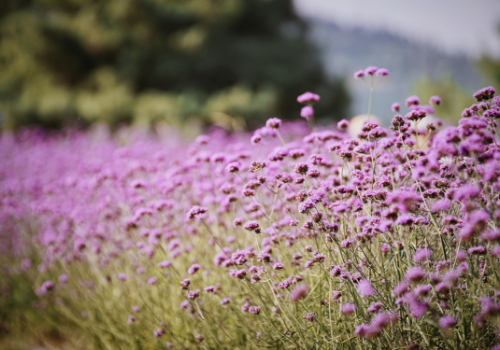
I. Lavender Seed Prices
Lavender has many varieties, so the seed prices of different types also differ. Some cheap lavender seeds cost three to four hundred yuan per jin, while expensive ones cost several thousand yuan per jin. Some rare varieties of good quality can even sell for over ten thousand yuan per jin. In addition, lavender seed prices also fluctuate with that year's lavender production. Different batches of seeds, different specifications and different places of origin all have different prices.
II. Lavender Planting Prospects
Lavender is a precious spice crop and also a precious ornamental plant. The essential oil made from lavender is of high quality and has long-lasting fragrance, and it is very popular in the international spice market. The skincare products and cosmetics made from it sell well in domestic and international markets. It has very large development space in fields such as home health care, medicine, food processing and aromatherapy crafts. It can be said that the economic benefits of growing lavender are very substantial, and the market channels are broad, making it the best choice for becoming wealthy.
III. The Cost and Profit of Growing Lavender
The cost of growing lavender per mu is about 5000 yuan. Generally speaking, the profit from growing lavender is between 30%-40%. In some places where water, electricity and labor costs are lower, the profit margin may be higher, so this profit is a variable.
IV. The Planting Value of Lavender
There are many kinds of lavender plants, and they have high ecological and ornamental value. The plants are low-growing, and the whole plant is gray-purple in all four seasons. They have strong vitality and tolerate pruning. The leaf shapes and flower colors are beautiful and noble and elegant. They can be used to build specialized lavender aromatic plant gardens, integrating greening, beautification, colorful landscaping and fragrance, allowing both viewing and purifying the air, treating diseases, and playing a role in medical health care.
V. The Effects and Functions of Lavender
1. Lavender can maintain and treat the body, relax body and mind, and calm the nerves. Keeping a little nearby can soothe body and mind.
2. Lavender also has effects on the nerves. It can soothe emotions, purify the mind, reduce feelings of anger and exhaustion, and balance the central nervous system.
3. Lavender can also improve insomnia, lower high blood pressure, calm the heart, and help improve problems of the respiratory system, gynecology and the digestive system. It kills insects and purifies the air. Lavender is good for soothing nerves and can also help improve sleep and fatigue.
4. Lavender is also good for the skin. It promotes cell regeneration and balances oil secretion. It is beneficial for improving the skin of burns, sunburns, eczema, psoriasis and abscesses, improves scars, inhibits bacterial growth, and helps hair growth. Lavender can promote cell regeneration and is good for balancing oil.
How to Grow Lavender Seeds and Daily Care for Lavender Seeds
Lavender was already a fairly common herb in Roman times, and because of its many effects, it is called the queen of herbs. The flower hedges formed by lavender's blue flowers are even more refreshing. This issue is no longer a problem for expert flower growers, but many friends who are not very clear about planting still have many doubts. Growing flowers is not so easy and requires skill and patience. Everyone can cultivate patience. Below, let's talk about knowledge for growing lavender seeds.
I. About Lavender Seeds
Lavender seeds are relatively small, and their germination rate is low, so the soil generally used for sowing needs to be loose, breathable and highly water-retentive, and must be fully sterilized. A mixed soil of vermiculite, peat, sphagnum moss, perlite, osmund fiber and so on can be used. If conditions permit, you can also mix it yourself. For lavender seeds, you can use a relatively short small flowerpot, or use other containers instead. For example, a yogurt box, with a few small holes pierced in the bottom with an awl. Disposable plastic cups can also be used, but because they are transparent, the outside is best covered with black paper or placed inside a paper cup.
After lavender seeds germinate and the seedlings grow 4-6 true leaves, they can be potted. At first, small pots should be used for potting. After the seedlings grow larger, replace them with larger pots as appropriate. When changing pots, wait until the soil is somewhat dry before changing (because after changing pots you need to water; if the soil is wet, the moist period is too long and the seedlings are prone to poor growth). First add more than half of a nutrient-rich growing medium to the small pot. In order not to damage the root system, when transplanting there is no need to shake off the soil near the roots. Move it directly into the small pot, then fill the soil up around the roots. After transplanting, be sure to water thoroughly and shade it for a few days. Then it can be placed in sunlight for care.
Women have a natural fondness for lavender. Lavender is highly ornamental and also has a mosquito-repellent effect. Therefore, many families buy lavender seeds to grow themselves, but the survival rate of lavender seeds is quite low, so it is necessary to understand how to grow lavender seeds,
II. Methods for Growing Lavender Seeds
1. Soil: Lavender seeds are suitable for slightly alkaline or neutral sandy soil. Drainage must be good. You can use 1/3 perlite, 1/3 vermiculite and 1/3 peat moss mixed together. If cultivating in open ground, pay attention to soil drainage, and you can pile the soil higher before planting.
2. Watering: Lavender does not like water to remain around the roots often. After one thorough watering, water again only when the soil is dry, with the surface growing medium dry and the interior moist as the standard, and with slight leaf wilting as the main indicator. Watering should avoid sunlight, usually in the morning, and water must not splash on the leaves and flowers, otherwise they easily rot and breed pests and diseases. A continuously humid environment will prevent the roots from having enough air to breathe, causing poor growth and even sudden death of the whole plant. This is often where lavender cultivation fails.
3. Light: Lavender is a full-sun plant and needs sufficient sunlight and a suitably humid environment. It is best to provide a full-sun environment, though it can also grow in half sun. In summer, at least 50% of sunlight should be shaded off, and ventilation should be increased to lower the ambient temperature. In this way, although growth is weakened, it will not die. In winter, lavender can grow well on flat ground and should be cultivated under full sun.
4. Temperature: Lavender likes warm winters and cool summers. The suitable growing temperature is 15-25°C, and it can grow at 5-30°C. If it is above 38-40°C for a long time, the top stems and leaves turn yellow and wither. If the temperature is too low, below 0°C, it begins dormancy. During dormancy, mature seedlings can tolerate low temperatures of -20 to -25°C.
5. Fertilizing: For fertilizing, bone meal can be placed in the pot soil as a base fertilizer, usually once every quarter. For seedlings, Huabao No. 2 (20-20-20) can be applied. After the plants mature, apply a fertilizer higher in phosphorus, such as Huabao No. 3 (20-30-20). Apply dilute fertilizer.
6. Pruning: The flowers of lavender have the richest essential oil content. When using it, the flowers or inflorescences are mainly used. To make harvesting convenient, in the early cultivation stage some small inflorescences can be trimmed flat with large scissors. The newly grown inflorescences will be at a uniform height, which is helpful for harvesting all at once. Some varieties can reach 90 cm in height. This method can also be used to keep the plant low and encourage more branching and flowering, increasing the harvest.
III. Daily Care for Lavender Seeds
Lavender cannot tolerate heat and humidity. If waterlogged for a long time, the roots rot and it dies. When planting outdoors, be careful not to let rain fall directly on the plants. After May, it should be moved to a place not directly exposed to sunlight, and ventilation should be increased to lower the ambient temperature and keep it cool so it can safely pass the hot summer. Lavender does not like water to remain around the roots often. After one thorough watering, water again only when the soil is dry, with the surface growing medium dry and the interior moist as the standard, and with slight leaf wilting as the main indicator. Watering should be done in the morning, avoiding sunlight, and water should not splash on the leaves and flowers, otherwise they easily rot and breed pests and diseases. A continuously humid environment will prevent the roots from having enough air to breathe, causing poor growth and even sudden death of the whole plant. This is often where lavender cultivation fails.
Lavender is a full-sun plant and needs sufficient sunlight and a suitably humid environment. It is best to provide a full-sun environment. It can also grow in half sun, but flowers more sparsely. In summer, at least 50% of sunlight should be shaded off, and ventilation should be increased to lower the ambient temperature. In this way, although growth is weakened, it will not die. In winter, lavender can grow well on flat ground and should be cultivated under full sun.
Lavender is semi-heat-tolerant and prefers coolness. It likes warm winters and cool summers. The suitable growing temperature is 15-25°C, and it can grow at 5-30°C. Limiting temperature: above 35°C; if above 38-40°C for a long time, the top stems and leaves turn yellow and wither. In northern winters, if it is below 0°C for a long time, it begins dormancy. During dormancy, mature seedlings can tolerate low temperatures of 20-25°C.
Lavender Seeds
Finally, that is all for the information related to lavender seeds. We hope this article is helpful to everyone. If you still have anything you do not understand, you can leave a message below, and we will answer you as soon as possible.
How to Grow Lavender Seeds and Lavender Seed Prices
Lavender has always been a relatively popular flowering plant. The whole plant has a fragrant scent, the leaf shapes and flower colors are beautiful and elegant, and the blue-purple inflorescences are long and graceful. It is suitable for clump planting or row planting along flower borders, and can also be potted for viewing. It also has a good mosquito-repellent effect. Many families choose seed sowing when growing lavender, but growing plants from seeds is not easy, especially since the survival rate of lavender seeds is relatively low. So how do you grow lavender seeds? What are the methods and techniques for growing lavender seeds? Let's take a look:
Lavender seed prices:
Before growing lavender seeds, we naturally have to buy seeds first. What everyone wants to know more about is the price of lavender seeds. Lavender seed prices differ greatly depending on the lavender variety and so on. Lavender seeds bought online now are generally counted by seed. 20 to 30 seeds cost about 5 yuan, and prices sold in different regions are also somewhat different.
Methods for growing lavender seeds:
1. Container
For growing lavender seeds at home, you can use a relatively short small flowerpot, or use other containers instead. For example, a yogurt box, with a few small holes pierced in the bottom with an awl. Disposable plastic cups can also be used, but because they are transparent, the outside is best covered with black paper or placed inside a paper cup (if the plant roots are exposed to sunlight, growth will be affected, and the soil easily grows green moss).
2. Growing medium
Lavender seeds are relatively small, and their germination rate is low, so the soil generally used for sowing needs to be loose, breathable and highly water-retentive, and must be fully sterilized. A mixed soil of vermiculite, peat, sphagnum moss, perlite, osmund fiber and so on can be used. If conditions permit, you can also mix it yourself.
3. Soaking in warm water
Lavender seeds should be soaked in 40-degree warm water. After the water cools, continue soaking for 24 hours. This makes germination easier.
4. Sowing method
Generally, for slightly larger seeds (such as lavender and sage), 2-3 seeds can be spot-sown in each container. After germination, keep one stronger seedling depending on the growth of the seedlings. For very small seeds (such as marjoram), they can be broadcast sown. Pick up some seeds with your hand and gently scatter them on the soil. After germination, thin the seedlings. Keep 1-3 seedlings as appropriate.
5. Covering with soil
The thickness of soil covering the seeds depends on seed size. Generally it is 2-3 times the diameter of the seed. For very small seeds, the soil should be thinner; lavender seeds are large, so they can be covered with thicker soil. Some seeds are strongly phototactic and do not need soil covering (such as lemon balm and rosemary).
6. Moisture retention
After sowing, water thoroughly. Use a fine sprinkler when watering. Do not use force, so as not to wash the seeds away. It is best to use the bottom-watering method, that is, fill a large basin with 2/3 basin of water and set the container in the basin. Let the water slowly seep in through the bottom holes of the container. (The water level in the large basin should not exceed the height of the soil in the container.) After sowing, cover the container with plastic wrap, and pierce a few small holes in the wrap for ventilation. Place the container in sunlight and keep the temperature at about 20 degrees. Most seeds can germinate after one week.
Management after lavender seeds germinate:
After lavender seeds germinate, the plastic wrap can be removed. For small seeds, you can wait until the seedlings are a little stronger before removing it.
Transplanting lavender into pots:
After lavender seeds germinate and the seedlings grow 4-6 true leaves, they can be potted. At first, small pots should be used for potting. After the seedlings grow larger, replace them with larger pots as appropriate. When changing pots, wait until the soil is somewhat dry before changing (because after changing pots you need to water; if the soil is wet, the moist period is too long and the seedlings are prone to poor growth). First add more than half of a nutrient-rich growing medium to the small pot. In order not to damage the root system, when transplanting there is no need to shake off the soil near the roots. Move it directly into the small pot, then fill the soil up around the roots. After transplanting, be sure to water thoroughly and shade it for a few days. Then it can be placed in sunlight for care.
The above is the related content that the editor wants to share with everyone about how to grow lavender seeds. Growing lavender seeds requires mastering certain techniques, watering at the appropriate time, and providing the most suitable care environment, so that lavender seeds can smoothly germinate and grow.