Growing cotton earns 200,000 yuan a year, so why are many people unwilling to grow it anymore?
The original video text is as follows:
When people mention **, many think of specialty vegetables, fruits and melons, and cotton. ** has a high-quality long-staple cotton production base. Every year the cotton is transported to the mainland and even exported abroad, and cotton is also called “white gold.”
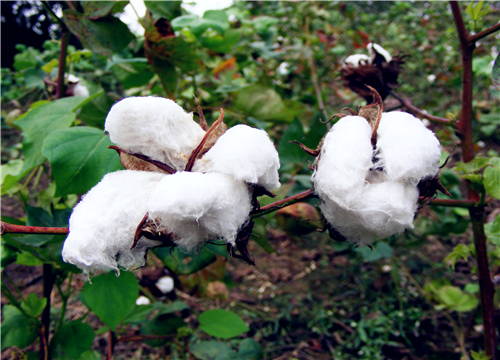
Local farmers have been growing cotton for more than 30 years, prices have been relatively stable, and many farmers earn 200,000 yuan a year. But recently, farmers have not been very enthusiastic about growing cotton. Instead, many farmers are unwilling to grow it and want to go out to work. Why is that? Cotton is so profitable, so why is no one growing it? In fact, young people in rural areas today have received higher education, and many children choose to stay in the city after graduating from university and work there. This phenomenon leads to a shortage of labor in rural areas, and it is difficult for rural areas to develop further. In addition, the recent continuous decline in cotton prices and the impact of extreme weather have meant that income can no longer support a family's living expenses.
One cotton farmer said he planted 60 mu of cotton. The current price is 2.6 yuan per jin. After deducting costs, he takes home only a few thousand yuan. Many farmers who plant more than 100 mu earn only 30,000 to 40,000 yuan. So for cotton farmers, this is also a very serious problem.
Ginkgo Ginkgo biloba L. Ginkgo illustrated guide: how to grow ginkgo / how to propagate ginkgo
Ginkgo profileGinkgo Ginkgo biloba L.
Ginkgo cultivation methods and precautions Ginkgo introduction Ginkgo(scientific name: Ginkgo biloba), also known aswhite fruit、Gongsun treeand so on. It belongs to the gymnosperms, and all other plants in the same division have become extinct, so it is called a "relict plant." Ginkgo takes more than 20 years from planting to fruiting, and only after 40 years can it bear fruit in large quantities. It can live to be more than 1,000 years old and is the long-lived elder among trees. Ginkgo saplings are tall and graceful, making them ideal trees for landscaping and landscape gardens. They are listed among China's four major longevity ornamental trees (pine, cypress, pagoda tree, ginkgo). Ginkgo seeds are nutritious and have natural health benefits. Long-term consumption can delay aging and prolong life. In the Song Dynasty, they were listed as a royal tribute.
Ginkgo is a deciduous tree. It flowers in April and matures in October. The seed is an orange-yellow drupe-like structure. Ginkgo is the oldest relict plant among extant seed plants. All other plants in the same class have become extinct. It is known as a living fossil, originating hundreds of millions of years ago. The ginkgoes alive today are rare and scattered, and old trees more than a hundred years old are no longer common. Varieties and cultivars include: yellow-leaf ginkgo, pagoda ginkgo, split-leaf ginkgo, weeping ginkgo, variegated-leaf ginkgo and others, 26 kinds in total. The main production areas are Shandong, Anhui, Pizhou in Jiangsu, the Jiangsu Changmei Flower Base, Henan and other places.
Morphological characteristics of ginkgo
The ginkgo tree is also called the white fruit tree. It grows relatively slowly and has an extremely long lifespan. Under natural conditions, it takes more than 20 years from planting to fruiting, and only after 40 years can it bear fruit in large quantities. Therefore, it is also called the "Gongsun tree," meaning "the grandfather plants it and the grandson gets to eat." It is the long-lived elder among trees and was called "white fruit" in ancient times. The ginkgo tree has ornamental, economic and medicinal value, and every part of it is a "treasure." The ginkgo tree is the oldest gymnosperm left over after the Quaternary glaciation. It is one of the most precious tree species in the world, so it is regarded as a "living fossil" in the plant kingdom and has ornamental value.
Biological characteristicsThe ginkgo tree is the only medium-sized deciduous broadleaf tree among the gymnosperms. It can grow to 25-40 m tall, and the diameter at breast height can reach 4 m. The bark of young trees is relatively smooth and light gray, while the bark of large trees is grayish brown with irregular vertical fissures on the surface. It has long shoots and slow-growing saw-like short shoots. It has a relatively slender crown, and the branches are somewhat irregular.
Ginkgo leaves are very special among seed plants. They have broadleaf-type leaves that ordinary gymnosperms do not have. The leaves are alternate, radially scattered on long shoots, and clustered in groups of 3-5 on short shoots. They have slender petioles, are fan-shaped, and are light green on both sides. At the broad upper margin they are more or less notched or 2-lobed, 5-8 cm wide. The veins are the same shape as the leaf and have many forked parallel fine veins. Some leaves grow at the tips of branches, scattered one on the left and one on the right, while others grow in a cluster, with many leaves in one place.
Ginkgo is dioecious, but very few ginkgoes are monoecious. The strobili are solitary in the leaf axils of short shoots; male strobili are catkin-like, with many stamens, each with 2 anthers; female strobili have long stalks, and the stalk tip usually divides into two forks (rarely 3-5 forks), with 1 ovule bearing a disc-shaped collar at the fork end, and usually 1 ovule develops into a mature seed. Ginkgo is a gymnosperm and has only the structure of seeds; it has not yet evolved the fruit of angiosperms, but the seed coat of ginkgo seeds is well developed and looks no different from the fruit of angiosperms. The seed is drupe-like, with a long stalk, pendulous, elliptical, oblong-obovate, ovate or nearly spherical. Ginkgo seeds are 1.5-2 cm, enclosed in a 2-3 cm brownish-yellow seed coat. The aril is fleshy and covered with a white bloom, light yellow or orange-yellow when mature; the seed coat is bony, white, usually with 2 (rarely 3) longitudinal ridges; the inner seed coat is membranous, light reddish brown. The seed of ginkgo is called white fruit and looks a bit like an apricot. Because it contains a lot of butyric acid, it smells like spoiled cream. Some people are also allergic to components in the pulp, causing itching and blisters, so gloves need to be worn when washing the fruit. The seeds can be shelled, cooked and eaten, and are a traditional food in China and Japan.
General characteristicsLeaves: fan-shaped, stalked; leaves on long shoots mostly have two lobes, while leaves on short shoots often have wavy notches. Strobili: unisexual, dioecious. Microstrobili: catkin-like, borne in the axils of scales at the tips of short shoots. Microsporophylls have short stalks, and the stalk tip usually has 2 pendulous microsporangia. Microspores: oblong, with a depressed distal sulcus along the longitudinal axis, and the outer wall has minute protrusions. Megastrobili: simple, usually with a long stalk, and the stalk tip has 2 ring-like megasporophylls, specially called a collar, each bearing 1 erect ovule. Seeds: seeds nearly spherical, the seed coat differentiated into 3 layers, and the embryo has 2 cotyledons. Chromosomes: x=12.Primitive characteristicsGinkgo has many relatively primitive characteristics. Its leaf vein pattern is "dichotomously forked venation," which is unique among gymnosperms but very common among ferns. When its male flower pollen germinates, it produces only two ciliated, motile sperm. This characteristic is found among gymnosperms only in cycads, and it is also very common among ferns. This shows that ginkgo is a more ancient plant than trees such as pines, firs and cypresses. Therefore, botanically it is classified as one class, one order, one family, one genus and one species.Identifying characteristicsDeciduous tree, leaves fan-shaped, scattered on long shoots and clustered on short shoots. Strobili unisexual, dioecious. Seeds drupe-like. It is a large deciduous tree, with diameter at breast height up to 4 m. The bark of young trees is nearly smooth and light gray, while the bark of large trees is grayish brown, irregularly vertically fissured, with long shoots and slow-growing spur-like short shoots. Leaves alternate, radially scattered on long shoots, clustered in groups of 3-5 on short shoots, with slender petioles, fan-shaped, light green on both sides, more or less notched or 2-lobed at the broad upper margin, 5-8 (-15) cm wide, with many forked parallel fine veins. Dioecious, rarely monoecious, strobili solitary in the leaf axils of short shoots; male strobili catkin-like, with many stamens, each with 2 anthers; female strobili have long stalks, and the stalk tip usually divides into two forks (rarely 3-5 forks), with 1 ovule bearing a disc-shaped collar at the fork end, and usually 1 ovule develops into a mature seed. Seeds drupe-like, with a long stalk, pendulous, elliptical, oblong-obovate, ovate or nearly spherical, 2.5-3.5 cm long, 1.5-2 cm in diameter; aril fleshy, covered with a white bloom, light yellow or orange-yellow when mature; seed coat bony, white, usually with 2 (rarely 3) longitudinal ridges; inner seed coat membranous. The distinguishing characteristics of male and female plants are shown below for reference: Male plant 1. The angle between the main branches and the trunk is small; the crown is somewhat slender. And it forms relatively late. 2. The leaf lobes are deeper, often extending beyond the middle of the leaf. 3. Autumn leaf color change is later, and leaf fall is later. 4. The short shoots bearing male flowers are longer (about 1-4 cm). Female plant 1. The angle between the main branches and the trunk is larger; the crown is broad and large, the top is relatively flat, and it forms earlier. 2. The leaf lobes are shallower, not reaching the middle of the leaf. 3. Autumn leaf color change and leaf drop are both earlier. 4. The short shoots bearing female flowers are shorter (about 1-2 cm). The wood is light yellow. The grain is dense. It is highly elastic and does not warp or split. It can be used for construction, furniture, utensils, carving, drawing boards and other crafts. The seed kernel is used as medicine and has the functions of clearing heat, astringing the lungs, relieving asthma, stopping cough, and promoting qi and blood circulation, and it can also be stir-fried or eaten sweet. But it should not be eaten too much, to prevent poisoning. The outer seed coat can be used as a pesticide and has the effect of preventing and controlling plant diseases and insect pests. [3] Generally anyone can eat it, and it is especially suitable for people with frequent urination and girls with weakness and white vaginal discharge. People with excess pathogens should not take it. Eating it raw or stir-fried in excess can cause poisoning, and poisoning from accidental ingestion in children is especially common. It is the size of an apricot pit and as white as jade. Its taste is sweet, bitter and astringent, and overeating can easily cause diarrhea. Ginkgo trees are widely used in landscaping, especially in the north. Ginkgo trees have characteristics that make them very suitable as street trees. They do not suffer from pests and diseases, have strong cold resistance, do not produce waste during the growing period, and have a beautiful and dignified tree shape.
Ecological habits of ginkgo
Ginkgo has a long lifespan, and China has ancient trees more than 3,000 years old. It is suitable for growing in subtropical monsoon areas with relatively favorable water and heat conditions. The soil is yellow earth or yellow-brown earth, with a pH value of 5-6. Early growth is relatively slow, and its ability to sprout from stumps is strong. Female plants generally begin to bear fruit after about 20 years, and 500-year-old large trees can still bear fruit normally. Generally, buds break and leaves unfold from late March to early April, flowering occurs from early to mid-April, seeds mature from late September to early October, and leaves fall from late October to November.
Ginkgo trees are mainly distributed in Shandong, Jiangsu, Sichuan, Hebei, Hubei, Henan, Gansu and other places. The largest ginkgo cultivation base in the country is Tancheng County, Shandong Province.
Wild ginkgo is distributed in subtropical monsoon areas with relatively favorable water and heat conditions. The annual average temperature is 15°C, the extreme minimum temperature can reach -10.6°C, and the annual precipitation is 1500-1800 mm. The soil is yellow earth or yellow-brown earth, with a pH value of 5-6. Associated plants mainly include Japanese cedar, golden larch, torreya, Chinese fir, blue fruit tree, sweetgum, Tianmu litsea, emmenopterys, Populus adenopoda, Daphniphyllum macropodum, moso bamboo and others.
Ginkgo has a long lifespan and is suitable for growing in subtropical monsoon areas with relatively favorable water and heat conditions. It generally flowers from early to mid-April, seeds mature from late September to early October, and leaves fall from late October to November. There are ancient trees more than 3,000 years old. Early growth is relatively slow, and the lifespan is long. Female plants generally begin to bear fruit after about 20 years, and 500-year-old large trees can still bear fruit normally. Generally, buds break and leaves unfold from late March to early April, flowering occurs from early to mid-April, seeds mature from late September to early October, and leaves fall from late October to November.
Distribution areas of ginkgo. In nature, ginkgo is distributed only in the temperate and subtropical climate zones of China. In China, ginkgo is mainly distributed in Shandong, Zhejiang, Anhui, Fujian, Jiangxi, Hebei, Henan, Hubei, Jiangsu, Hunan, Sichuan, Guizhou, Guangxi, Guangdong, Yunnan and other provinces and municipalities. In addition, there is also a small amount distributed in Taiwan, China. Natural resource survey personnel also found in the deep mountain valleys of Hubei and Sichuan that ginkgo grows together with relict plants such as dawn redwood and dove tree. In summary, the vertical distribution span of ginkgo is relatively large.
PrimitiveGinkgo first appeared in the Carboniferous Period 345 million years ago. It was once widely distributed in Europe, Asia and the Americas in the Northern Hemisphere. During the Mesozoic Jurassic, ginkgo was widely distributed in the Northern Hemisphere, and it began to decline in the late Cretaceous. By 500,000 years ago, the Quaternary glaciation occurred, the Earth suddenly became cold, and the vast majority of ginkgo plants were on the verge of extinction. They became extinct in most areas of Europe, North America and Asia. Only China, with its superior natural conditions, preserved them miraculously. Therefore, scientists call it a "living fossil" and the "panda of the plant kingdom." Wild ginkgo survives in Huixian County in Gansu, northern Xuzhou in Jiangsu (Pizhou City), southern Linyi in Shandong (Tancheng County) and mountainous areas in western Zhejiang, China. There are wild and semi-wild ginkgo communities in Tianmu Mountain in Zhejiang, Wuduhe Town in Yichang City, Hubei Province, Anlu City in Hubei Province, and a few surrounding townships from Haiyang Township in Lingchuan County, Guilin to Gaoshang Town in Xing'an County, as well as in the Dabie Mountains and Shennongjia. Because individuals are few and it is dioecious, if strict protection and promotion of natural regeneration are not carried out, the remaining forests will be replaced. Most ginkgo distribution areas belong to artificial cultivation areas, mainly cultivated in large quantities in China, France and South Carolina in the United States. There is no doubt that ginkgo abroad was introduced directly or indirectly from China.ExtantGinkgo is distributed in large quantities in China, Japan, Korea, South Korea, Canada, New Zealand, Australia, the United States, France, Russia and other countries and regions. The natural geographical distribution range of ginkgo is very wide. From the perspective of horizontal natural distribution, ginkgo near the 30° north latitude line has the longest east-west distribution distance. As this latitude increases or decreases, the east-west distribution distance of ginkgo gradually shortens. The higher the latitude, the more ginkgo distribution tends toward the eastern coast; the lower the latitude, the more ginkgo distribution tends toward the plateau and mountainous areas of the southwest.
In China, ginkgo is mainly distributed in temperate and subtropical climate zones. Its marginal distribution is "north to Shenyang in Liaoning Province, south to Guangzhou in Guangdong Province, southeast to Nantou in Taiwan Province, west to Qamdo in the Tibet Autonomous Region, and east to Putuo Island in Zhoushan, Zhejiang Province," spanning 2l°30′-41°46′ north latitude and 97°-125° east longitude, covering 22 provinces (autonomous regions) and 3 municipalities directly under the central government. China's ginkgo resources are mainly distributed in more than 60 counties and cities in Shandong, Zhejiang, Anhui, Fujian, Jiangxi, Hebei, Henan, Hubei, Jiangsu, Hunan, Sichuan, Guizhou, Guangxi, Guangdong, Yunnan and other provinces. In addition, there is also a small amount distributed in Taiwan, China. From the perspective of resource distribution volume, Shandong, Zhejiang, Jiangxi, Anhui, Guangxi, Hubei, Sichuan, Jiangsu, Guizhou and other provinces have the most, and resource distribution among provinces is also uneven, mainly concentrated in some counties or cities, such as Huixian County in Gansu, Taixing, Xinghua, Rugao, Hai'an, Dongtai, Dafeng, Xinyi, Pizhou and Wu County in Jiangsu, Xincun in Tancheng County, Tai'an City and Yantai City in Shandong Province, Wuduhe Town in Yichang City, Hubei Province, Luoyang Town in Suizhou, Hubei, Huayuan Village in Hedian Town, and Lingchuan and Xing'an in Guangxi. Many ginkgo experts believe after textual research that ancient naturally reproducing ginkgo groups have been found in remote mountainous areas such as Tianmu Mountain in Zhejiang, Dahong Mountain in Hubei, and Tengchong in Yunnan in Shennongjia. They are extremely precious cultural heritage and natural landscapes, and play an important role in improving the surrounding ecological environment, studying biodiversity, and ensuring the sustainable use of ginkgo genetic resources. Natural resource survey personnel also found in the deep mountain valleys of Hubei and Sichuan that ginkgo grows together with relict plants such as dawn redwood and dove tree.
China is not only the hometown of ginkgo, but also the country that cultivated, utilized and researched ginkgo earliest and with the richest results. Throughout history, whether in ginkgo cultivation area or ginkgo output, China has ranked first in the world. Judging from the age of extant ancient ginkgo trees, ginkgo was already planted in China between the Shang and Zhou dynasties.
The vertical distribution span of ginkgo is relatively large. Ancient ginkgo trees growing well have been found from the eastern plains at an altitude of several meters to dozens of meters to the southwestern mountainous areas at about 3000 m. For example, Taixing in Jiangsu is at an altitude of about 5 m, Wu County at about 300 m, Tancheng in Shandong at about 40 m, Dujiangyan in Sichuan at 1600 m, Gansu at 1500 m (Lanzhou), Yunnan at 2000 m (Kunming), and Tibet at 3000 m (Qamdo). However, these distribution conditions do not indicate that ginkgo can be distributed in all areas within such a vertical span, because in addition to latitude and altitude, terrain and soil are also very important factors affecting the natural distribution of ginkgo. For example, soil water content, salt content, sunshine, extreme temperatures and so on directly limit the development of ginkgo. In marginal areas of ginkgo's natural distribution, due to factors such as terrain, a microclimate favorable to ginkgo growth may appear, and ginkgo can still grow very well. Likewise, within the range of ginkgo's natural distribution area, there are areas unsuitable for ginkgo growth due to differences in microclimate or terrain, soil, and water and heat conditions, so within the natural distribution area, ginkgo is mostly distributed in patches. From the perspective of climatic factors, vertical distribution is mainly concentrated within the altitude range where the annual average temperature is 8-20 degrees and the absolute minimum temperature is not lower than -20 degrees.
Main production areasXincun in Tancheng County, Shandong Province; Rugao City, Taixing City, Pizhou City and others in Jiangsu Province. Among them, ginkgo nuts from Taixing City, Jiangsu Province are called "Dafo Zhi" because of their large size and good variety; Tancheng Jinzhui, Maling, Tancheng Yuanling and others from Tancheng County, Shandong Province. Taixing ginkgo annual output accounts for one third of the country's total. Tancheng in Shandong is the main production area of ginkgo seedlings and ginkgo leaves. "Taixing Dafo Zhi White Fruit" was designated by the 1999 Kunming World Horticultural Exposition as the only "pollution-free white fruit" enjoying permanent naming rights, and in 2007 it was awarded the titles of green food, organic food and geographical indication product. Tancheng County in Shandong Province has a complete range of tree specifications and is the main supply base for landscaping seedlings in major Chinese cities. By 2011, the ginkgo area in Huixian County, Gansu Province reached 300,000 mu, becoming the number one ginkgo county in the northwest. Haiyang Township in Lingchuan County, Guangxi ranks first in the country in per capita ginkgo quantity and output, truly the number one ginkgo township. Its stock of ancient ginkgo is also rare nationwide.
Medicinal or dietary therapeutic value of ginkgo
The medical information and health dietary information on Huhua Web are for reference only and cannot be used as a basis for diagnosis or medical treatment. Any health problem should be consulted with professional medical staff, and the treatment of any disease should follow medical advice.
Ultimate flower-protecting task: To love yourself, start from reality and strictly follow medical advice. For illness, do not be careless, do not delay, do not give up hope, face it bravely, use love to warm the silent world, and use your heart to care for the flower field within.
Edible value
Ginkgo is also called white fruit and belongs to the dried fruit category. Among many dried fruits, ginkgo ranks third in economic value. The value of white fruit is mainly reflected in food and medicine. China's white fruit output accounts for 90% of the world's total output. Ginkgo leaves and nuts are important export products for earning foreign exchange, especially important medicinal raw materials for preventing and treating high blood pressure and heart disease. Extracts from ginkgo leaves can "defend the heart and protect the brain." In particular, the chemical extracts from the leaves reach more than 160 kinds, and their effective use is one of the hottest topics in the world today. The nuts are high-grade tonic health products.Ginkgo nuts are nutritious and have natural health benefits. Long-term consumption can delay aging and prolong life. Ginkgo was listed as a royal tribute in the Song Dynasty. Japanese people have the habit of eating white fruit every day, and Westerners must have white fruit at Christmas. In terms of consumption methods, ginkgo is mainly stir-fried, roasted, boiled, used as an ingredient, and made into pastries, canned goods, beverages and alcoholic drinks. The components of ginkgo leaves are complex. So far, more than 160 kinds of ginkgo leaf extracts with known chemical components have been identified, mainly flavonoids, phenols, alkaloids, ginkgol, and others.
Consumption
White fruit contains hydrocyanic acid toxin, which is highly toxic. Its toxicity decreases after heating, so eating it raw is more likely to cause poisoning. The usual poisoning dose is 10-50 nuts, and poisoning symptoms occur 1-12 hours after eating white fruit. To prevent white fruit poisoning, it should not be eaten in large amounts, and it is even more important not to eat it raw.The medical and health-care effects of ginkgo seed kernels. According to the Compendium of Materia Medica: "Eaten cooked, it warms the lungs, boosts qi, relieves wheezing and cough, reduces urination, and stops white turbidity; eaten raw, it reduces phlegm, disinfects and kills insects." Modern science has proven that ginkgo seed kernels have effects against Escherichia coli, Corynebacterium diphtheriae, Staphylococcus, Mycobacterium tuberculosis and Streptococcus. Traditional Chinese medicine has long used ginkgo seed kernels to treat diseases such as bronchial asthma, chronic bronchitis, pulmonary tuberculosis, leucorrhea, strangury with turbid urine, and spermatorrhea. Ginkgo seed kernels also have the effect of removing spots, smoothing wrinkles, and treating sores and ringworm. For patients with cough and thin phlegm, decoct 30 grams of ginkgo seed kernels and 15 grams of rock sugar in water and take it twice a day, and it can heal in half a month; for childhood enuresis, simmer 5 ginkgo seed kernels until cooked, take the kernel before bed every night, and effects can be seen in half a month. [Nature, flavor and meridian tropism] Neutral in nature, sweet, bitter and astringent in taste, slightly toxic; enters the lung and kidney meridians. [Efficacy and indications] Astringes lung qi, relieves wheezing and cough, stops leukorrhea and turbidity, reduces urination, disinfects and kills insects. Mainly treats asthma, phlegm cough, nocturnal emission, leucorrhea, white turbidity, infantile diarrhea, parasitic accumulation, intestinal wind and visceral toxin, gonorrhea, frequent urination, as well as scabies, ringworm, lacquer sore, vitiligo and other diseases. [Nutritional components] Each 100 grams contains 6.4 grams of protein, 2.4 grams of fat, 36 grams of carbohydrates, 1.2 grams of crude fiber, 52 grams of sucrose, 1.1 reducing sugar, 10 mg of calcium, 218 mg of phosphorus, 1 mg of iron, 320 micrograms of carotene, 50 micrograms of riboflavin, as well as ginkgol, ginkgophenol, ginkgoic acid and many other components.Dietary therapeutic effects1. Antibacterial and sterilizing: 2. Relieving disease and stopping cough: 3. Anti-waterlogging and insect inhibition: 4. Stopping leukorrhea and turbidity, 5. Lowering serum cholesterol,Effects
1. Ginkgo lowers the level of lipid peroxidation, reduces freckles, moisturizes the skin, and beautifies the complexion.
2. Ginkgo lowers cholesterol levels in human blood and prevents arteriosclerosis. It has a significant improving effect on middle-aged and elderly people's lack of strength after mild activity, rapid heartbeat, chest pain, dizziness and blurred vision.
3. Ginkgo removes deposited components on blood vessel walls, improves blood rheology, enhances the deformability of red blood cells, reduces blood viscosity, and makes blood flow smooth. It can prevent and treat cerebral hemorrhage and cerebral infarction. It also has a certain therapeutic effect on senile dementia caused by arteriosclerosis.
4. Ginkgo lowers blood pressure by increasing vascular permeability and elasticity, and has a relatively good blood pressure-lowering effect.
5. Ginkgo leaf preparations combined with hypoglycemic drugs have a relatively good therapeutic effect in treating diabetes and can be used as an auxiliary drug for diabetes.
6. Ginkgo is used in the treatment of bronchial asthma and also has a relatively good therapeutic effect.
7. Ginkgo can significantly reduce symptoms such as menstrual abdominal pain and soreness and pain in the lower back.
8. Stopping leukorrhea and turbidity, reducing urination: Modern medical research has found that white fruit has the effect of contracting the bladder sphincter. It has an auxiliary therapeutic effect on conditions such as childhood enuresis, frequent urination due to qi deficiency, leukorrhea and white turbidity, and unstable spermatorrhea.
9. Relieving disease and stopping cough: White fruit is sweet, bitter and astringent, and has the effects of astringing lung qi and relieving wheezing and cough. It has auxiliary dietary therapeutic effects on lung disease cough, asthma in elderly people with weak constitution, and various types of asthma with excessive phlegm.
10. Anti-waterlogging and insect inhibition: The ginkgoic acid and ginkgophenol contained in the outer seed coat of white fruit have effects against Mycobacterium tuberculosis. White fruit soaked in oil has a strong inhibitory effect on Mycobacterium tuberculosis. Fresh fruit soaked in raw rapeseed oil has a certain effect on improving symptoms such as fever, night sweats, cough with blood-streaked sputum, and poor appetite caused by pulmonary tuberculosis. Therefore, it can be used to treat pulmonary tuberculosis.
11. Lowering serum cholesterol and dilating coronary arteries: Ginkgo leaves contain shikimic acid, ginkgo biflavones, isoginkgo biflavones, sterols and others, which have certain effects in treating high blood pressure, coronary heart disease, angina pectoris, cerebral vasospasm, and excessively high serum cholesterol.
12. Antibacterial and sterilizing: The ginkgoic acid and ginkgophenol contained in white fruit have been experimentally proven to have antibacterial and sterilizing effects and can be used to treat respiratory infectious diseases. White fruit water infusion has varying degrees of inhibitory effects on various fungi and can relieve itching and treat ringworm.
Dietary contraindications
Ginkgo seed kernels, especially the embryo and cotyledons, contain a small amount of toxic substances such as ginkgoic acid, ginkgophenol and ginkgol. Eating them raw or eating too much cooked can cause poisoning. Poisoning varies from person to person. Mild poisoning symptoms include general discomfort and drowsiness, while severe poisoning symptoms include vomiting, cramps, purple lips, nausea, and difficulty breathing. People with mild poisoning can recover by drinking strong tea or coffee and resting in bed, while severe cases should be sent to the hospital for treatment. To safely eat ginkgo kernels, the embryo and cotyledons should be removed, first boiled in clean water, then the water and inner seed coat discarded, and then cooked again in water or used for cooking. In addition, ginkgo seed kernels that have already sprouted must not be eaten, and when eating ginkgo seed kernels, never eat fish at the same time.Recommended recipes1. Braised chicken with white fruit. Ingredients: 1 fresh young hen (about 1250 grams), 250 grams of white fruit (ginkgo), 30 grams of Shaoxing wine, 15 grams of ginger, 10 grams of salt. Characteristics: "Braised chicken with white fruit" is a traditional famous dish in the Qingcheng Mountain area of Chengdu. Qingcheng Mountain has beautiful scenery and is famous for its tranquility. The food here is delicious and unique, and is known as the "four wonders," namely the first wonder "Dongtian Tribute Tea," with excellent tea quality, clear liquor color, and mellow tea aroma; the second wonder "Braised chicken with white fruit," with a thick white broth and exceptionally delicious chicken; the third wonder "Qingcheng pickles," crisp, tender, fresh and deeply memorable; the fourth wonder "Dongtian milk wine," with a strong but not harsh wine flavor, sweet but not greasy. It is said that "Braised chicken with white fruit" was created by a Taoist priest at Tianshi Cave on Qingcheng Mountain. It is said that two or three hundred years ago, an elderly Taoist priest on Qingcheng Mountain suffered from a long illness and became increasingly thin. There was a ginkgo tree on Qingcheng Mountain with a history of more than 2,500 years, and the white fruit it produced was large and solid. A Taoist priest at Tianshi Cave repeatedly took the white fruit produced by this tree and cooked soup with a young hen, simmering it over a gentle fire until thick, and gave it to the Taoist priest to eat, which improved his condition. Soon he recovered his health and was full of energy. From then on, "Braised chicken with white fruit" became famous in Chengdu and throughout the Sichuan region and became a distinctive famous dish. Operation:
(1) Slaughter the chicken, remove the feathers and internal organs, and wash clean with clean water. Use a knife to cut open along the chicken's back (do not cut open the abdomen), put it into a pot with cold water and heat until almost boiling, then take it out, wash clean with clean water, and remove blood residue for later use.
(2). Crack open the white fruit shells, blanch them briefly in boiling water with the shells on, take them out, peel off the shells and wash clean. (3). Put the whole young hen into a pot, add water (enough to submerge the chicken), add ginger slices and Shaoxing wine, cover and simmer for about 30 minutes, until the chicken is half-cooked and the broth is becoming thick, then pour it into a large clay pot, add white fruit and salt, cover and simmer over low heat for about 15 minutes, until the chicken is tender and the soup is thick, then take it out of the pot and pour it into a large round soup plate, with the chicken breast facing up and the back facing down, and the white fruit arranged around it. Characteristics: light yellow color, thick white broth, tender chicken, slightly sweet white fruit, soft and palatable. Key point: must use a fat young hen, remove blood stains and wash clean. When cooking, first use high heat to cook the chicken until tender and the soup until thick, then put it into a clay pot and stew over low heat. 2. White fruit taro paste. Ingredients: [Main ingredients]: half a jin of peeled Lipu taro, 3 liang of white fruit, half a cup of sugar, 4 tablespoons of lard, 3 tablespoons of sugar. [Auxiliary ingredients]: 1/3 cup of water, 2 tablespoons of sugar, 1 tablespoon of cornstarch. Operation: (1) Wash the Lipu taro, slice and steam until cooked, about 40 minutes, and while hot mash into paste. (2) Remove the shells from the white fruit, put them in boiling water and cook for 15 minutes, take them out, remove the skins and cores, wash clean and drain the water, put them in hot oil and fry briefly, then take them out, add 3 tablespoons of sugar and mix evenly (best marinated overnight). (3) Add 1 tablespoon of lard, add the white fruit and the sugar used to marinate the white fruit and stir-fry briefly, add 1 cup of water and cook until about 3/4 cup of water remains, then set aside the white fruit and the water used to cook the white fruit separately. (4) Add 3 tablespoons of lard, add the taro paste and half a cup of sugar and stir-fry over low heat until the sugar dissolves, then add the remaining water from cooking the white fruit, stir-fry evenly and scoop out. (5) After the taro paste cools, if it does not feel smooth, it can be put into a grinder and ground until smooth, then placed in a deep dish and add the white fruit. Steam until hot when eating, and pour the boiled sauce over the taro paste and white fruit. Whether to use sauce is optional.
Medicinal information:
[Chinese name] Ginkgo, white fruit tree, Gongsun tree
[Chinese pinyin] Yinxin
[English name] Maidenhair Tree, Maidenhairtree, Ginkgo, Maiden Hair Tree
[Latin scientific name] Ginkgo biloba L.
[Family and genus classification] Ginkgoaceae, Ginkgo
[Plant morphology] Deciduous tree, up to 40 m tall, diameter at breast height up to 4 m; bark grayish brown, deeply vertically fissured, rough; branches nearly whorled, extending obliquely upward, or female plant branches slightly spreading; long shoots grayish yellow, with fine longitudinal cracks; short shoots densely covered with black-gray leaf scars, and long shoots can often grow again from the ends of short shoots. Leaves fan-shaped, with long petioles, light green, spirally alternate on long shoots, spirally clustered on short shoots, apex 5-8 cm wide, often with wavy notches on short shoots, often with 2 lobes or no lobes, base broadly cuneate. Flowers unisexual, dioecious; male flowers in pendulous short catkins, 4-6 borne in the leaf axils on short shoots, with many stamens, anthers 2-locular, borne at the tips of short stalks; female flowers grouped 2-3 per short shoot, each flower with a long stalk, the stalk tip forked, each bearing 1 carpel, with ovules attached, usually only 1 ovule developing to maturity. Mature seeds oval or nearly spherical, 2-3 cm in diameter; outer seed coat fleshy, yellow when mature; middle seed coat bony, white, with 2-3 longitudinal ridges; inner seed coat membranous, light reddish brown; endosperm abundant, fleshy, cotyledons 2. Flowering period March-April, seed maturity period September-October.
[Habitat and distribution] Grows in natural forests in acidic soil and well-drained areas at an altitude of 500-1000 m, and is cultivated. Distributed in most parts of the country. Medicinal materials are mainly produced in Guangxi, Sichuan, Henan, Shandong, Hubei, Liaoning and other provinces.
[Medicinal parts] Seeds and leaves are used as medicine. Chinese medicine names: white fruit (seed); white fruit leaf (leaf).
[Harvesting and processing] Seeds: harvested in autumn when the seeds mature, remove the fleshy outer seed coat, wash clean, steam briefly or boil briefly, then dry. Leaves: harvested in autumn, remove impurities, and sun-dry.
[Main components] Contains protein, fat, and others.
[Pharmacological effects] The leaves can treat coronary atherosclerotic heart disease, relieve angina pectoris, and lower cholesterol and blood pressure.
[Nature, flavor and functions] Seeds: sweet, bitter, astringent, neutral, toxic. Leaves: sweet, bitter, astringent, neutral, slightly toxic. Seeds: astringe the lungs and relieve asthma, stop leukorrhea and turbidity, reduce urination. Leaves: relieve asthma, invigorate blood.
[Indications and usage] Seeds: used for cough with excessive phlegm and wheezing, leukorrhea and white turbidity, enuresis and frequent urination. Leaves: used for cough and wheezing, coronary heart disease, angina pectoris. Seeds: oral use: decoct in water, 3-9 grams; or mash for juice. External use: appropriate amount, mash and apply; or slice and apply. People with excess pathogens should not take it. Eating raw is toxic. Leaves: oral use: decoct in water, 6-15 grams, or grind into powder. People with excess pathogens should not take it. Eating raw or stir-fried in excess can cause poisoning.
Seeds:
Lower genital sores: several raw white fruits, pound, and apply. (Jiji Xianfang)
Leaves:
Coronary heart disease, angina pectoris: white fruit leaves, trichosanthes, salvia each 15 grams, macrostem onion 12 grams, curcuma 9 grams, raw licorice 5 grams. Decoct and take. (Anhui Chinese Herbal Medicine)
[Name] Ginkgo leaf
[Pinyin] Yinxingye
[English] Ginkgo Leaf
[Latin] Ginkgo Folium
[Category] Leaf category
[Source] The dried leaves of the Ginkgoaceae plant Ginkgo bilobaL.
[Origin] Mainly produced in Sichuan, Jiangsu, Hubei, Guangxi and other places.
[Characters] This product is mostly wrinkled or broken; the complete ones are fan-shaped, 3-12 cm long and 5-15 cm wide. Yellow-green or light brownish yellow, the upper margin irregularly wavy and curved, some concave in the middle, and in deep cases reaching 4/5 of the leaf length. With dichotomous parallel veins, fine and dense, smooth and hairless, easily torn longitudinally. Leaf base wedge-shaped, petiole 2-8 cm long. Light in weight. Slight odor, slightly bitter taste.
[Quality] Those that are flat and free of impurities are better.
[Nature and flavor] Sweet, bitter, astringent, neutral.
[Efficacy] Astringes the lungs, relieves asthma, invigorates blood and resolves stasis, relieves pain. Used for cough and wheezing due to lung deficiency; coronary heart disease, angina pectoris, hyperlipidemia, anticoagulation, and there is a certain probability of improving memory.
Medicinal value
[table][/table]The medical content on Huhua Web is for reference only and cannot be regarded as professional advice. For any health problem, consult professional medical staff.
For hundreds of years, ginkgo extract has had a special place in traditional Chinese medicine. In traditional Chinese medicine there is a medicine called white fruit, which is the seed of ginkgo. According to the Compendium of Materia Medica: "White fruit is slightly bitter and slightly sweet, warm in nature and slightly toxic, and eating too much causes abdominal bloating." "Eaten cooked, it warms the lungs, boosts qi, relieves wheezing and cough, reduces urination, and stops white turbidity; eaten raw, it reduces phlegm, disinfects and kills insects; chewing the pulp and applying it to the nose, face, hands and feet removes nasal sores, black dry spots, chapped wrinkles, as well as scabies, ringworm, gan worms and pubic lice." It was not until modern times that Western scholars studied the medicinal value of ginkgo.
The medicinal use of white fruit is mainly reflected in three aspects: medicine, pesticides and veterinary drugs. Li Shizhen of the Ming Dynasty once said: "It enters the lung meridian, benefits spleen qi, relieves wheezing and cough, and reduces urination." Zhang Lulu's Benjing Fengyuan of the Qing Dynasty records that white fruit has the functions of reducing phlegm, clearing toxins, and killing insects, and can treat "sores, scabies, boils and tumors, rotting breast abscesses, dental caries, infantile diarrhea, red and white leukorrhea, chronic strangury with turbid urine, spermatorrhea and enuresis, and other diseases." In the Ming Dynasty, Chinese patent medicines prepared with white fruit appeared in Jiangsu, Sichuan and other places for clinical use. The outer seed coat of ginkgo contains large amounts of hydroginkgoic acid and ginkgo flavonoids. The water-soluble components of the outer seed coat have relatively good antitussive and expectorant effects, and their nature of action is similar to cyclophosphamide and dexamethasone. The alcohol-based intermediates of the outer seed coat have an effective inhibition rate of 81% against 22 common clinical pathogenic fungi. 0.1% hydroginkgoic acid has an effective rate of 92% in inhibiting 25 clinical pathogenic fungi. In addition, the extract of the outer seed coat has an inhibition rate of 88%-100% against 11 plant pathogens such as apple anthracnose. The alcohol extract has a 100% control rate against the silk-cotton golden geometrid within 3 days, and can also control pests such as spider mites, peach aphids, and striped rice borers. According to the Folk Veterinary Materia Medica, ginkgo preparations can treat livestock fatigue with nasal discharge, lung abscess with cough and wheezing, cough due to lung deficiency, strangury with blood in urine, and leukorrhea in female livestock. The Dingchuan Tang developed by the Shandong livestock and veterinary station has a cure rate of 95% in treating infectious laryngotracheitis in chickens. With the continuous deepening of modern pharmacological research, it has been found that ginkgo leaves contain not only flavonoids but also terpene lactones, phenols and other compounds, and their outstanding pharmacological effects have gradually become recognized.
Clinical observations prove that ginkgo leaves have the following effects:
1. Lower cholesterol levels in human blood and prevent arteriosclerosis. It has a significant improving effect on middle-aged and elderly people's lack of strength after mild activity, rapid heartbeat, chest pain, dizziness and blurred vision.
2. Lower blood pressure by increasing vascular permeability and elasticity, with a relatively good blood pressure-lowering effect.
3. Remove deposited components on blood vessel walls, improve blood rheology, enhance the deformability of red blood cells, reduce blood viscosity, and make blood flow smooth. It can prevent and treat cerebral hemorrhage and cerebral infarction. It also has a certain therapeutic effect on senile dementia caused by arteriosclerosis.
4. Ginkgo leaf preparations combined with hypoglycemic drugs have a relatively good therapeutic effect in treating diabetes and can be used as an auxiliary drug for diabetes.
5. It can significantly reduce symptoms such as menstrual abdominal pain and soreness and pain in the lower back.
6. It is used in the treatment of bronchial asthma and also has a relatively good therapeutic effect.
7. Lower lipid peroxidation levels, reduce freckles, moisturize the skin, and beautify the complexion.
At present, ginkgo leaf preparations circulating on the market include tablets, granules, teas, oral liquids and other dosage forms, with tablets being the majority. Regardless of the dosage form, it should be taken according to the prescribed dose. When taken in oversized doses, there are occasionally digestive tract reactions such as reduced appetite and nausea, and very few patients develop allergic skin rashes. Therefore, during treatment, one should not be impatient for results and arbitrarily increase the dose. If symptoms such as blood pressure dropping too quickly or worsening angina pectoris occur, especially when cardiac insufficiency worsens, the dose should be reduced promptly or another drug should be used.
There are more than 160 kinds of ginkgo leaf extracts with known chemical components. The main ones include flavonoids, terpenes, phenols, alkaloids, polyisoprenes, quinic acid, linoleic acid, shikimic acid, ascorbic acid, a-hexenal, ginkgol, ginkgoketone and others. Units such as the Institute of Botany of the Chinese Academy of Sciences developed the Shuxuening injection from ginkgo leaves in the 1960s, and experiments showed certain therapeutic effects on coronary heart disease, angina pectoris and cerebrovascular diseases. At the same time, ginkgo leaves can also be used as pesticides. Add 20 kg of water to 1 kg of leaves, boil for 30 minutes, then soak for 2-3 days, take the liquid and spray it on red spiders and cabbage caterpillars, with a control rate of more than 90%, and no residue.
Ginkgo and ginkgo leaves are used to make health pillows. It is recorded in Pillow Notes: The seed kernel of ginkgo is commonly known as white fruit. It tastes sweet and delicious, is rich in nutrition, and is good both as food and medicine. It can also be used in medicinal meals or as medicine. Ginkgo leaves, seed coats and roots all contain a variety of chemical components and can be used in traditional Chinese medicine. Select ginkgo leaves aged three years or more and other precious Chinese medicinal herbs to prepare ginkgo leaf health pillows. The faint delicate fragrance can improve human respiration and improve sleep quality. Long-term use can prevent and treat cardiovascular diseases and prevent hypertension, stroke, diabetes and others caused by vascular aging in adults. It can help adults, especially in middle and old age, maintain normal cardiac output and normal nervous system function as a natural substance, and help people maintain a normal cell life cycle as much as possible.
Ginkgo leaves contain flavonoid glycosides and can be used as medicine. The extracted products are now often used to prevent motion sickness and enhance memory. But whether they actually have these uses is still debated. White fruit is slightly toxic, and eating too much can cause symptoms such as dizziness and diarrhea.
Contraindications
Ginkgo leaves cannot be brewed as tea together with tea leaves and chrysanthemums. Ginkgo leaves contain large amounts of ginkgoic acid, and ginkgoic acid is toxic. Generally, the leaves collected have not undergone deep processing and preparation, and the ginkgoic acid content in fresh leaves is as high as 3000-4000 ppm. Because ginkgoic acid is water-soluble, soaking in water not only fails to take in effective substances such as ginkgo flavonoids and ginkgo lactones, but has the opposite effect, as the toxic substances inside are released. However, the medicinally valuable ginkgo flavonoids and others are fat-soluble, and brewing them in water to drink will cause toxic substances to dissolve out, making it easy to cause poisoning when consumed. In terms of drugs, especially ginkgo products used in hospitals, a slight content of 10 ppm ginkgoic acid is allowed.
Toxicity
Ginkgo fruit contains hydrocyanic acid toxin, which is highly toxic; the toxicity decreases when heated, so eating it raw can easily cause poisoning, most commonly seen in children, with symptoms such as vomiting, lethargy, fever, and convulsions.
Ginkgo: Functions, Uses and Economic ValueAlso known as white fruit (bai guo), it belongs to the dried fruit category, and its economic fruiting period can last for thousands of years. Among the many dried fruits, ginkgo ranks third in economic value. The value of white fruit is mainly reflected in its food and medicinal uses. China's white fruit output accounts for 90% of the world's total output. Ginkgo leaves and fruits are important products for earning foreign exchange through export, especially as important medicinal raw materials for preventing and treating high blood pressure and heart disease. Extracts from ginkgo leaves can "defend the heart and protect the brain." More than 160 chemical extracts have been identified from ginkgo leaves. The main ones include flavonoids, terpenes, phenols, alkaloids, polyisoprenes, quinic acid, linoleic acid, oxalic acid, ascorbic acid, a-hexenal, ginkgol, ginkgone, and others. The medicinal uses of white fruit are mainly reflected in three aspects: medicine, pesticides, and veterinary drugs. The outer seed coat of ginkgo contains large amounts of hydroginkgolic acid and ginkgo flavonoids. Ginkgo has the effect of regulating the respiratory organs, and the water-soluble components of the outer seed coat have a good antitussive and expectorant effect, similar in nature to cyclophosphamide and dexamethasone. Because ginkgo contains ginkgolic acid, it has a strong inhibitory effect on Mycobacterium tuberculosis, skin fungi, and others, so it can be used to treat pulmonary tuberculosis, skin diseases, and so on; the inhibition rate of the alcohol-based intermediate of the outer seed coat against 22 common clinical pathogenic fungi is 81%. The inhibition rate of 0.1% hydroginkgolic acid against 25 common clinical pathogenic fungi is 92%. Ginkgo leaves have important medicinal value. Ginkgo leaves are bitter, sweet, astringent, and neutral in nature and flavor, and contain biflavones. Experiments and clinical practice have proven that they have the effect of lowering serum cholesterol and dilating the coronary arteries, and have a certain adjunctive therapeutic effect on coronary heart disease and high blood pressure; the Institute of Botany of the Chinese Academy of Sciences and other units developed the Shuxuening injection from ginkgo leaves in the 1960s, and tests showed it has a certain therapeutic effect on coronary heart disease, angina pectoris, and cerebrovascular diseases. The extract of the outer seed coat of ginkgo has an inhibition rate of 88%-100% against 11 plant pathogens such as apple anthracnose. The alcohol extract has a control rate of 100% against the mulberry looper within 3 days, and can also control pests such as spider mites, peach aphids, and rice stem borers. According to the "Folk Veterinary Materia Medica," ginkgo preparations can treat livestock conditions such as strain-induced nasal discharge, pulmonary abscess with cough and asthma, lung deficiency cough, strangury and hematuria, and vaginal discharge in female animals. The Dingchuan Tang developed by the Shandong Animal Husbandry and Veterinary Station for treating infectious laryngotracheitis in chickens has a cure rate of 95%. Ginkgo leaves can also be used as pesticides. Add 1 kg of leaves to 20 kg of water, boil for 30 minutes, then soak for 2-3 days, and spray the liquid on red spider mites and cabbage caterpillars, achieving a control rate of over 90%, with no residue. The use of the effective chemical components and special medicinal and health-promoting effects of ginkgo fruits and leaves to process and produce health foods, medicines, and cosmetics is attracting attention from research, development, and production units at home and abroad. Many enterprises in various countries are competing to develop and produce natural green products made from ginkgo as raw materials, replacing synthetic chemicals that have relatively large side effects on human health. The Dafeng Ginkgo Base in Jiangsu has more than 20,000 trees of over 10 cm, and health products developed from ginkgo leaves such as ginkgo leaf beverages, ginkgo peach juice, ginkgo beer, and ginkgo tea are already on the market. Pizhou City, Jiangsu Province, is in an advanced position in the cultivation of ginkgo leaves and the production of extracts (GBE). Ginkgo and ginkgo leaves are used to make health pillows. According to "Pillow Records," selected ginkgo leaves from trees over three years old and other precious Chinese herbal medicines are formulated into ginkgo leaf health pillows. The faint delicate fragrance can improve human respiration and enhance sleep quality, and long-term use can prevent and treat cardiovascular diseases. It prevents high blood pressure, stroke, diabetes, and other conditions caused by vascular sclerosis in adults, and can help adults, especially in middle and old age, maintain normal cardiac output and normal nervous system function as a natural substance, helping people maintain a normal cell life cycle as much as possible. The ginkgo trunk is straight, and the wood is a high-grade material for making musical instruments and furniture. Ginkgo wood is of high quality and expensive, and has long been known as "silver fragrant wood" or "silver wood." Ginkgo wood is glossy, with straight grain, fine structure, easy to process, does not warp or crack, has strong decay resistance, is easy to paint, has low nail-holding power, and has a special medicinal fragrance and strong insect resistance. Ginkgo wood can not only be used to make carved plaques and wooden fish and other handicrafts, but can also be made into high-grade furniture such as standing cabinets and desks. Ginkgo wood has resonance, sound conductivity, and elasticity, making it an ideal material for making musical instruments. It can be used to make surveying and mapping instruments, pen holders, and other cultural supplies, and is also a superior wood for making chessboards, chess pieces, sports equipment, seals, and small handicrafts. In industrial production, silver wood is most suitable for making X-ray machine filter grids, textile printing and dyeing rollers, machine molds and wooden molds for bodiless lacquerware, plywood, cutting boards, wooden telephones, and so on.
Ginkgo is recognized as an economic tree species for greening and beautifying the environment and with ornamental value. The ginkgo tree has a majestic and magnificent posture, beautiful leaf shape, a long lifespan, and few pests and diseases, making it most suitable as a shade tree, street tree, or specimen tree. It has good ornamental value. In summer, ginkgo is lushly green, and in autumn it is golden and lovely, giving people a sense of handsomeness and magnificence, nobility and elegance. Therefore, from ancient times to the present, at home and abroad, ginkgo has been regarded as an important tree species for courtyards, streets, and landscape greening. When ginkgo is used for street greening, male plants should be selected to avoid seeds and fruits soiling pedestrians' clothing. Among Chinese cities, Dandong City was the earliest to use ginkgo as a street tree, with three streets lined with century-old ginkgo on both sides.
Biological ValueGinkgo is a relict plant, widely cultivated in China; it is also produced in Japan. It grows relatively slowly and has an extremely long lifespan, reaching over a thousand years. The ginkgo tree is tall and upright, with fan-shaped leaves. The crown is large and shade-giving, with a cooling effect. The leaf shape is ancient and elegant, and the lifespan is long. It has no pests or diseases, does not pollute the environment, and the trunk is smooth, making it a famous pollution-free tree species, conducive to the reproduction of ginkgo and enhancing the landscape. It has strong adaptability, and ginkgo has broad requirements for climate and soil. It resists smoke and dust, fire, and toxic gases. Ginkgo has a certain ornamental value. Because its branches are straight and its crown is a relatively regular conical shape, ginkgo forests planted in large numbers have an overall aesthetic appeal visually. Ginkgo leaves turn golden yellow in autumn, and under the low-angle sunlight of autumn they are quite beautiful, often used by photographers as a background. It is also an ideal tree species for landscape greening and street trees. It can be used as an ideal cultivated tree species for landscape greening, streets, highways, field forest networks, and windbreak belts. It is listed as one of China's four major longevity ornamental tree species (pine, cypress, pagoda tree, ginkgo).
Ecological ValueHuman understanding of ginkgo's ecological value came relatively late; the highest level of ginkgo's value, ecological value, is a priceless treasure. Ginkgo's ecological benefits are mainly reflected in the following: from the perspective of cultivation, ginkgo belongs to fruit trees - dried fruits; it belongs to forest trees - timber tree species, protective tree species, pest- and disease-resistant tree species, longevity tree species, and pollution-tolerant tree species. Ginkgo has strong adaptability and is an ideal tree species for fast-growing and high-yield forests, farmland shelterbelts, road-protection forests, bank-protection forests, beach-protection forests, village-protection forests, forest-crop intercropping, and "four-side" greening. It can not only provide large amounts of high-quality timber, leaves, and seeds, but can also green the environment, purify the air, conserve soil and water, control pests, regulate temperature, and regulate psychology, among other things. It is a good tree species for afforestation, greening, and ornamentation, and is of great significance to the adjustment of agricultural and forestry planting structures across northern and southern China and the development of forestry in plain agricultural areas.Greening the environment:Ginkgo resists pests and diseases and is widely recognized as a pollution-free tree species, making it the most ideal tree species for ornamental greening. Planting ginkgo in parks, gardens, residential communities, along streets, and in urban greening can be described as "once and for all." The greening effect of ginkgo trees is very good, though it shows relatively slowly; small trees need to be planted for 2 years to achieve a good effect, and after large trees are planted, they need 3-5 years of recovery time before they can display their beautiful function.Purifying the air:It has functions such as resisting pollution, resisting smoke and fire, and resisting dust. Ginkgo trees can be planted in certain proportions in industrial areas, residential communities, towns, densely populated areas, and leisure communities to form ginkgo forest areas and belts, naturally purifying the air, reducing the content of suspended particles in the atmosphere, and improving air quality. Ginkgo trees can resist urban pollution and can grow where other trees cannot, making them very suitable for urban environmental beautification. Ginkgo can also be planted as bonsai for decoration. Propagating ginkgo from seed requires 20-30 years before it bears fruit, hence it is called the "grandfather-grandson tree," meaning the tree planted by the grandfather can only be harvested by the grandson.Conserving soil and water:Ginkgo has functions such as conserving water sources, preventing wind and fixing sand, and conserving soil and water. In areas where forests have been cut down, soil erosion has occurred, and wind and sand erosion are present, ginkgo protection forest areas, protection forest belts, road-protection forests, bank-protection forests, beach-protection forests, and sand-fixation forests can be cultivated to conserve soil and water and improve the ecological environment. In 1996, Puding County, Guizhou Province, made the cultivation of ginkgo and the development of the ginkgo industry its path to escape poverty and become prosperous. The county suffered from severe soil erosion; even a handful of soil had to be planted with a stalk of corn, and the ground was full of limestone sand. To prevent soil erosion, farmers switched to planting ginkgo, which both improved the ecological environment and brought economic income (ginkgo leaves sold to processing plants). Today, ginkgo has become a new path to escape poverty and become prosperous in old revolutionary base areas, ethnic minority areas, and border areas such as the Dabie Mountains, Daba Mountains, and Yimeng Mountains. Planting ginkgo both improves the ecological environment and forms an industrial economy, achieving multiple benefits at once.Controlling pests:Ginkgo has the function of killing crop pests and diseases, and is especially effective against cotton pests, spider mites, peach aphids, and rice stem borers. Planting ginkgo around agricultural areas serves as a natural enemy of crop pests to protect crops.Regulating temperature:Ginkgo trees have the special function of being warm in winter and cool in summer. In midsummer, when the palm touches the ginkgo trunk, it feels icy cold, while touching other trunks (such as willow) makes the palm feel hot. According to measurements, in midsummer when the atmospheric temperature under direct sunlight reaches as high as 40.20°C, it is 35.30°C under the ginkgo tree; the temperature difference between the atmospheric temperature and under the ginkgo shade is 4.90°C, while the temperature difference for weeping willow is only 2.30°C. Ginkgo's temperature-regulating ability is more than 2 times that of willow. Therefore, creating ginkgo forest areas and ginkgo forest belts on a scale to form a microclimate has a good effect on regulating temperature and improving the microclimate for farmland and residential areas.
Ginkgo Beauty Care
1. Whitening: With increasing age and the influence of the external environment, oxygen free radicals in the body gradually increase, which leads to insufficient superoxide dismutase (SOD), causing excessive oxygen free radicals to undergo oxidation reactions with dermal cells, resulting in chloasma or pregnancy spots. The flavonoid components contained in ginkgo leaves can block the formation and deposition of pigment in the dermis, achieving the effect of whitening the skin and preventing pigmented patches. In addition to flavonoids, trace elements such as zinc, manganese, and molybdenum in ginkgo leaves can also scavenge oxygen free radicals and inhibit melanin growth. 2. Wrinkle removal: The human skin takes about 3 months to completely renew once. The reason for fine lines on the face is that the newly formed cells in the dermis have already been oxidized by excessive free radicals before they reach the skin surface; by the time they reach the epidermis, they are already aged cells. The flavonoid glycosides and flavonols in ginkgo leaves are both scavengers of free radicals, can protect dermal cells, improve blood circulation, and prevent cells from being oxidized and producing wrinkles. 3. Ginkgo and free radicals: Ginkgo is one of the herbs with the ability to resist active genes, and ginkgo is very effective in protecting lipids (components of cell membranes) from free radical damage. Considering that brain cells contain the highest concentration of unsaturated fatty acids among all cells, this strongly supports ginkgo's protective effect on the central nervous system. Free radicals in the brain and nervous system are widely considered a major cause of accelerated aging. In the process of protecting cells (especially brain cells), ginkgo plays multiple roles. First, it promotes blood circulation and the transport of oxygen and glucose to cells; second, when free radicals threaten cells, ginkgo can protect cells from damage and remove free radicals from the body.Artistic ValueGinkgo is majestic in momentum, with twisting trunks and a lush, solemn appearance. In China's famous mountains and great rivers, ancient temples and monasteries, there are tall and upright ancient ginkgo trees everywhere. They have endured the vicissitudes of time and trace back through the ages, giving people a sense of mystery and unpredictability. Through the ages, men of letters and poets who visited the temples left behind many poems, essays, and rhapsodies, inscribed steles to record the beauty of the scenery, and wrote of their merits to take pride in them. Selecting ginkgo with graceful postures and processing them into bonsai condenses the majestic appearance of ginkgo in nature into pots, ancient and uniquely elegant, full of wild charm, placed on the desk for quiet appreciation, delighting the mood and the eye. The ginkgo tree is a famous long-lived tree species with strong vitality, peculiar leaf shape, and is easy to graft, propagate, and prune into shape, making it a high-quality material for making bonsai. Ginkgo bonsai made from ginkgo tree burls is even more exquisite, with very high ornamental and economic value. Ginkgo is a commonly used tree species in Chinese bonsai. Ginkgo bonsai has thick trunks, curved branches, exposed roots, unique shapes, vigorous and unrestrained, and full of interest, making it a unique marvel among Chinese bonsai. In summer it is vigorous and green, and in autumn it is golden and lovely, giving people a sense of steepness, magnificence, nobility, and elegance. It is increasingly valued and praised as "living art carving." According to people's different appreciation requirements, there are mainly several types: fruit-viewing bonsai, foliage-viewing bonsai, and stump bonsai.
Landscape Uses of Ginkgo: Ginkgo trees can resist urban pollution and can grow where other trees cannot, making them very suitable for urban environmental beautification. Ginkgo can also be planted as bonsai for decoration. Propagating ginkgo from seed requires 20-30 years before it bears fruit, hence it is called the "grandfather-grandson tree," meaning the tree planted by the grandfather can only be harvested by the grandson.
The ginkgo tree is tall and upright, with fan-shaped leaves. The crown is large and shade-giving, with a cooling effect. The leaf shape is ancient and elegant, and the lifespan is long. It has no pests or diseases, does not pollute the environment, and the trunk is smooth, making it a famous pollution-free tree species, conducive to the reproduction of ginkgo and enhancing the landscape. It has strong adaptability, and ginkgo has broad requirements for climate and soil. It resists smoke and dust, fire, and toxic gases. The ginkgo tree is tall, with a straight trunk and graceful posture, emerald green in spring and summer and golden in late autumn, making it an ideal tree species for landscape greening and street trees. It can be used as an ideal cultivated tree species for landscape greening, streets, highways, field forest networks, and windbreak belts. It is listed as one of China's four major longevity ornamental tree species (pine, cypress, pagoda tree, ginkgo). Cultivation Techniques of Ginkgo: Ginkgo is propagated from seed. The embryo has a dormant phenomenon. Sow in winter or in early spring after stratification. It can be planted once the seedlings are more than 1 m tall. Male plants should be selected for street trees. It can also be propagated by cuttings and tillering. To promote early fruiting and cultivate improved clonal varieties, it can be propagated by bud grafting or branch grafting.
Planting Steps
1. Sowing and seedling cultivation: Seeds should be collected that are large; female trees around 80 years old are best. The collected seeds should be peeled and dried in the shade. In the south, autumn sowing can be done, while in the north, spring sowing is preferable. The seedbed should use sandy loam soil with good water permeability.
2. Propagating seedlings using tillers: Around February (after the ground thaws in the north), dig up half-sided rooted tiller branches from the base and plant them in the nursery; diameters of 1 cm to 4 cm are all acceptable. This method is easy to succeed with. It takes about 10 years to flower and bear fruit.
3. Cutting propagation: From May to June, select soft current-year branches, cut them into 10 cm to 15 cm lengths, keep 3 to 4 leaves on top, insert half into the soil, and spray water frequently to ensure the leaves do not dry out; roots can form in about one and a half to two months.
4. Seedling transplanting: Ginkgo with a diameter below 5 cm can be planted bare-rooted, while those above 6 cm generally need to be planted with a soil ball. Bare-rooted seedlings enter a recovery period in the current year. Seedlings with soil balls can grow in the current year. After small seedlings are planted in rows, irrigate by flooding. For planting large trees, it is best to fill the pit with water before planting; after the water in the pit has seeped away, plant the large tree into the pit and tamp it firm, allowing the water in the pit to rise back up and moisten the roots. For the next watering, it is advisable to dig a diversion ditch at the side of the pit, fill it with water, and let the water slowly seep into the ginkgo roots. Never flood-irrigate heavily. The main reason many people fail to keep transplanted ginkgo alive is not that they dried out, but that they drowned. Because the ginkgo root system has a high respiration demand, heavy flood irrigation causes the roots to lack oxygen and suffocate, so they cannot produce new roots, and the root system gradually rots. Some ginkgo trees, even if dead, can still unfold their leaves, and may even sprout in the second or third year, but the leaves are very small. Only when the nutrients in their bodies are exhausted do they stop producing leaves. This is the "false life" phenomenon of ginkgo. Some ginkgo trees do not produce leaves in the first year after planting, and may even not produce leaves in the second year. If you pinch the bark, you will find that the bark is fresh and the branches have not shriveled. Such a tree is not necessarily dead; perhaps it will produce leaves in the third year. This phenomenon is also called the "false death" phenomenon of ginkgo. To determine whether ginkgo is in false death or false life, you cannot just look at the leaves; the important thing is to look at the roots. Fresh seedlings should have root xylem that is white, with the root bark slightly reddish and closely attached to the xylem.
5. Seedling Management
(1) After ginkgo survives, it does not need frequent watering. In northern regions, water once after the ground thaws and before sprouting. In May, if the weather is dry, water once, because this is the peak growth period of ginkgo in the year. In autumn, mid-August is the second peak growth period of ginkgo in the year, and it can be watered once. Both waterings can be combined with fertilization.
(2) Fertilization: Fertilization in the nursery can be carried out in spring and summer. In spring, apply 5000 jin to 10000 jin of decomposed organic fertilizer per mu between the two rows, then rotary till once with a small rotary tiller to mix the fertilizer evenly into the soil. For large seedlings, several radial trenches can be opened, and organic fertilizer and topsoil mixed evenly and filled into the trenches. If the amount of spring fertilization is large, once a year is enough; if the amount is small, apply an additional dose in mid-August.
(3) Pruning: Ginkgo generally does not need pruning, because ginkgo produces few new shoots. Even for nursery seedlings, as many branches and leaves as possible should be retained to help them thicken faster. In the year before the seedlings are to be sold, cut off branches below 1.8 m. After a year of growth, the cut wounds can be filled in, the bark smooth, and the trunk upright.
(4) Cultivation: Proper cultivation can improve the soil's aeration conditions. Cultivation also plays a pruning role for ginkgo's fibrous roots, stimulating more fibrous roots to sprout. Cultivation once each in spring and autumn is enough.
(5) Disease and pest control: The main disease of ginkgo is damping-off at the seedling stage. The main pest of seedlings in the field is the scarab beetle larva (white grub). At the seedling stage, pay attention to ventilation and moisture removal, loosen the surface soil, and spray Bordeaux mixture to prevent damping-off. The way to control white grubs is to apply fully decomposed organic fertilizer as much as possible. When fertilizing, spray the whole orchard once with 3911 pesticide at 500 times dilution, then rotary till once to turn the sprayed fertilizer into the soil. Another method is to moisten wheat bran, rice bran, and the like, mix with trichlorfon, store in a bucket for two days to allow full absorption of the pesticide, then scatter it into the ground and cultivate. There is also another method: bury a pile of dry grass about every 10 m, frequently sprinkle some water on the dry grass, and every two months uncover the dry grass; there will be many white grubs underneath, which can be concentrated and killed.
(6) Cultivation of fruiting trees: Ginkgo is dioecious and cross-pollinated, so pollinator trees should be configured for fruiting trees. Ginkgo's pollination ability is very strong; under a breeze, a downwind area of 25 kilometers is an effective pollination zone. The difference between male and female trees is: female trees have obvious whorled branches, branches that grow flat and extended, and darker leaf color, while male trees have upright, alternate branches. The planting spacing for ginkgo orchards is 4 m x 6 m. Seedling-grown plants grow quickly. Select seedlings with a diameter at breast height of 3 cm to 4 cm, truncate the top and graft, generally using branch grafting. The scion should be selected from superior varieties that are 3 years old, with glossy bark color, bearing 3 to 6 short branches, and producing large fruits. After grafting, they can bear fruit in 3 to 4 years.
Planting Techniques1. Land selection: Ginkgo has a long lifespan, and one planting benefits for a long time, so land selection is very important. Ginkgo is a light-loving tree species, so a sunny slope with a modest gradient should be selected as the afforestation site. It does not have strict requirements for soil conditions, but neutral or slightly acidic soil with deep upper layers, moist and fertile soil, and good drainage is best. 2. Planting 1. Reasonable configuration of pollinator trees: Ginkgo is a dioecious plant. To achieve high yield, pollinator trees should be reasonably configured. Select male plants with the same variety and flowering period as the female plants, with a male-to-female ratio of 25-50:1. The configuration method uses a central arrangement among 5 or 7 trees, or can also be arranged at the four corners. 2. Reasonable close planting: Ginkgo grows relatively slowly in the early stage, and close planting can improve land utilization and increase yield per unit area. Generally, a spacing of 2.5 x 3 m or 3 x 3.5 m is used, with 88 or 63 trees planted per mu. After the canopy closes, transplant by first removing one row from every other row in the plant spacing, becoming 5 x 3 m or 6 x 3 m spacing, with 44 or 31 trees per mu; after a few years, transplant another row from every other row in the original row spacing, becoming 5 x 6 m or 6 x 7 m spacing, with 22 or 16 trees planted per mu. 3. Seedling specifications: Good varieties and strong seedlings are the material basis for early fruiting and high yield of ginkgo. Seedlings with a height-to-diameter ratio above 50:1, a main root length of 30 cm, uniform lateral roots, and current-year new shoot growth of more than 30 cm should be selected for planting. In addition, the seedlings must have robust terminal buds, plump and full lateral buds, and no pests or diseases. 4. Planting time: Ginkgo is mainly planted in autumn with leaves or in spring before leafing. Autumn planting is carried out from October to November, which allows the seedling root system a longer recovery period and prepares for aboveground sprouting the following spring. When planting before spring sprouting, because the aboveground part sprouts quickly and the root system does not have enough time to recover, growth is not as good as with autumn planting. 5. Planting method: For ginkgo planting, dig planting holes according to the designed row and plant spacing, with specifications of 0.5-0.8 x 0.6-0.8 m. After digging the holes, backfill topsoil and apply fermented fertilizer containing calcium superphosphate. When planting, spread the seedling root system naturally, align with the front, back, left, and right seedlings, then fill in topsoil while tamping firm. The planting depth should be such that the soil is piled 2-3 cm above the original soil mark of the seedling; do not bury the seedling too deeply. After planting, water promptly with settling water to improve the survival rate.Correct Planting Methods for Ginkgo Trees: 1 Sowing and seedling cultivation 2 Propagation stage 3 Grafting propagation 4 Planting into soil and rooting 5 Growth process
Ginkgo Propagation Methods: Cutting PropagationCutting propagation can be divided into hardwood cutting and softwood cutting. Hardwood cutting is suitable for breeding seedlings for large-scale greening, while softwood cutting is suitable for breeding a small number of seedlings for households or garden units. Hardwood cutting is generally carried out in spring from March to April. Collect cuttings from a finished nursery or select high-quality 1- to 2-year-old branches from large trees, cut them into 15 cm to 20 cm long cuttings, with the upper cut made smooth and round and the lower cut made into a horse-ear shape. After cutting, tie every 50 cuttings into a bundle, rinse clean with water, then soak in 100 ppm ABT rooting powder for 1 hour, and insert into fine yellow sand or loose seedbed soil. After cutting, water thoroughly and keep the soil moist; roots can form in about 40 days. After survival, carry out normal management, and transplant in the following spring. Softwood cutting is carried out from late May to mid-June. Cut cuttings from around the ginkgo root area or from branches after sprouting that have not yet become woody (cuttings about 2 cm long, retaining 2 leaves), insert them into a container and place in diffused light, changing the water about every 3 days until callus tissue grows, then transplant into yellow sand or seedbed soil. However, around noon on sunny days, shade is needed, and the leaf surface should be misted 2 to 3 times. After survival, enter normal management.Division PropagationDivision propagation is generally used to cultivate rootstock and seedlings for greening. Ginkgo readily produces tillers, especially trees 10 to 20 years old, which produce the most tillers. In spring, division propagation can be carried out using tillers. The method is to remove the soil around the root area and cut off tiller shoots with fibrous roots from the mother plant with a knife, then plant and cultivate them separately. Tillers from female plants can advance the fruiting age.Grafting PropagationGrafting propagation is mostly used in fruit production. Green branch grafting can be carried out from late May to early August, but grafting cannot be done under high-temperature and drought conditions, especially not at noon on sunny days, and rainy days should also be avoided for grafting. The specific method is: first collect robust perennial branches from superior ginkgo mother trees, cut off one leaf from the scion, leaving only the petiole, cut each segment with 2 to 3 buds, then soak the lower end of the scion in water or wrap it in a wet cloth; it is best to graft immediately after collecting. Rootstock for grafting can be selected from 2- to 3-year-old seedling-grown plants or cutting-grown plants. For early fruiting and close planting, the grafting position should be about 1 m. Generally, cleft grafting or cut grafting is used. Insert the cut surface of the scion inward into the rootstock incision so that the two fit together and the cambium layers align. Tie the interface firmly with plastic film strips. After grafting, fruiting begins in 5 to 8 years.Seed PropagationSeed propagation is mostly used for large-scale greening seedlings or for making clump-style bonsai. After collecting seeds in autumn, remove the outer seed coat, dry the seeds with the fruit coat in the sun, and they can be sown in winter of the same year or in spring of the following year. If sowing in spring, they must first undergo mixed-sand stratification to promote germination. When sowing, place the seed embryo horizontally in the sowing furrow, cover with 3 cm to 4 cm of soil and press firm after sowing. The seedlings can grow to 15 cm to 25 cm tall in the current year. After leaf fall in autumn, they can be transplanted. However, note that the seedbed should be selected in a well-drained area to prevent water accumulation from rotting the part of the seedling near the ground.
Ginkgo Disease Control: Stem Rot(1) Distribution and damage: This disease occurs commonly in all ginkgo seedling areas. It mostly appears in 1- to 2-year-old ginkgo seedling-grown plants, and is especially severe in one-year-old seedlings, often causing large numbers of seedling deaths. (2) Symptoms: In the early stage of the disease, the base of the seedling turns brown, the leaves lose their normal green color and droop slightly downward, but do not fall off. The infected area rapidly expands upward, until the whole plant dies. The cortex at the base of diseased seedlings becomes shrunken, and the tissue inside the bark rots into a spongy or powdery form, grayish white, interspersed with many fine black sclerotia. The pathogen of this disease can also invade the xylem of seedlings, so small sclerotia are sometimes also seen in the brown hollow pith. Thereafter the pathogen gradually spreads to the roots, causing the root cortex to rot. If you pull a diseased seedling by hand, only the xylem can be pulled out, while the root cortex remains in the soil. Under high or low temperature conditions, stem rot can also occur in ginkgo cutting seedlings, causing the epidermis of the cuttings to remain like a tube around the xylem, while the phloem parenchyma tissue all turns black and rots. (3) Pathogen: The pathogen of ginkgo stem rot is Macrophomina phaseoli (Maubl) Ashby, a charcoal rot fungus of the genus Macrophoma, family Sphaeropsidaceae, order Sphaeropsidales. This fungus likes high temperatures, with a suitable growth temperature of 30-32°C; it has no strict requirements for pH and can grow well between pH 4-9. (4) Disease occurrence pattern: The stem rot pathogen usually lives saprophytically in the soil and is a weak parasitic fungus. Under suitable conditions it invades from seedling wounds. Therefore, the occurrence of the disease is related to the host and site environmental conditions. The fundamental cause of seedling damage is that the surface temperature is too high, and after the seedling base is burned by high temperature, the pathogen invades. The lower the degree of lignification of the seedlings, the higher the incidence of this disease. When the seedbed is low-lying and waterlogged, the incidence also increases significantly. For ginkgo cutting seedlings, when the seedbed high temperature reaches above 30°C in June to August, the disease begins 10-15 days after cutting, and in severe cases large areas of scions turn black and die. Tests have shown that antagonistic actinomycetes can effectively inhibit the spread and diffusion of this disease pathogen. (5) Control methods: Based on the causes of ginkgo stem rot, prevention should be the main approach. 1. Sow early: Aim to sow as soon as the soil thaws. This measure helps seedlings lignify early and enhances their ability to resist high surface soil temperatures. 2. Reasonable dense sowing: Dense sowing helps give play to the collective effect of seedlings and enhances resistance to adverse external environments. Tests have shown that the lower the seedling density, the higher the incidence; the greater the density, the lower the incidence. Practice has also shown that when the previous sowing rate of 25-40 kg of seeds per mu is changed to 80-100 kg of seeds per mu, not only is the incidence reduced, but the number of seedlings produced per unit is also increased, saving land and reducing disease. 3. Control underground pests: After seedlings are damaged by underground pests, they are extremely susceptible to infection by the stem rot pathogen, so before and after sowing, always pay attention to eliminating underground pests. 4. Prevent mechanical damage to seedlings: For current-year seedling-grown plants or one-year-old transplanted seedlings, during loosening soil, weeding, or lifting and planting seedlings, be sure not to damage the roots and stems of the seedlings, otherwise it is very easy to cause stem rot. 5. Shading and cooling: To prevent solar radiation from raising ground temperature, seedling beds should adopt measures such as building shade frames, covering grass between rows, planting corn, and inserting branches for shade to reduce damage to seedlings. 6. Irrigation and spraying: In high-temperature seasons, irrigate and spray water promptly to lower surface temperature. Where conditions permit, sprinkler irrigation can be adopted, which is even more helpful in reducing disease occurrence. 7. Chemical and biological control: Combined with irrigation, various fungicides such as thiophanate-methyl, carbendazim, and Bordeaux mixture can be sprayed. Antagonistic actinomycetes can also be added when applying organic fertilizer in mid-June, or plant ash/superphosphate (1/0.25) can be applied along with antagonistic actinomycetes.Leaf Blight(1) Distribution and damage: This disease occurs to varying degrees in concentrated ginkgo production areas such as Guangxi, Zhejiang, Jiangsu, and Shandong. Generally, old production areas have more severe disease than new production areas. According to reports, ginkgo plants cultivated near metasequoia trees have noticeably more severe disease, and the incidence in female plants is higher than in male plants. In infected plants, in mild cases some leaves die and fall early, and in severe cases all leaves are completely lost, leading to weakened tree vigor and poor growth and development. (2) Symptoms: In the early stage of the disease, the leaf tips often turn yellow first. In June, the yellow parts gradually turn brown and die, and spread from local areas to the entire leaf margin, forming brown to reddish-brown leaf margin lesions. Thereafter, the lesions gradually spread toward the leaf base until the entire leaf turns brown or grayish brown, becomes scorched, and falls off. From July to August, the boundary between lesions and healthy tissue is obvious, the lesion edges are wavy and darker in color, and a relatively narrow or relatively wide bright yellow line band can also be seen on the outer edge. From September onward, the lesions clearly enlarge, the spreading edges appear jagged and uneven, and the boundary between diseased and healthy tissue gradually becomes indistinct. In addition, from September to October, leaves on sprouts at the base of seedlings or large trees produce several irregular faded spots at indefinite positions, with brown centers; although these spots do not clearly enlarge, they often connect with extending leaf margin spots. (3) Pathogen: The pathogen of ginkgo leaf blight is relatively complex. According to research, at least 3 pathogens have been identified, namely Alternaria alternata (Fr.) Keissl, Glomerella cingulata (Stonem) Spauld. et Schrenk, and Pestalotia ginkgo Hori. In addition, fruiting bodies of various fungi such as Alternaria, Colletotrichum, Pestalotia, and Cercospora can be seen on the lesions. (4) Relationship between disease occurrence and environment: Observations have shown that large trees are more disease-resistant than seedlings, and the incidence in female plants increases significantly with increased fruiting. In addition, root rot caused by water accumulation or weakened tree vigor can also lead to earlier and more severe disease. Generally speaking, plants with base fertilizer application are less susceptible than those with topdressing; winter fertilization has a lower incidence than spring fertilization. Ginkgo intercropped with soybean has milder disease, while intercropping with pine has severe disease; those close to metasequoia have severe disease, and vice versa. The reason may be that the pathogen of this disease is the same as the pathogen of the intercrop tree species (such as metasequoia red blight). (5) Control methods: ① Strengthen management and enhance tree vigor. For example, strive for winter fertilization, avoid water accumulation, absolutely avoid intercropping with pine and metasequoia, improve seedling planting quality, shorten the recovery period, and enhance seedling disease resistance. In addition, control excessive fruiting of female plants to prevent the spread of this disease on large ginkgo trees. ② Chemical control: Spray broad-spectrum fungicides such as thiophanate-methyl before disease onset. Or from early June, spray 40% carbendazim suspension concentrate at 500 times dilution or 90% ethylicin at 1000 times dilution, once every 20 days, for a total of 6 sprays, which can effectively prevent the occurrence of this disease.
Dieback Disease
Symptoms: After the pathogen invades, smooth lesions are produced on the smooth bark, round or irregular in shape. Thereafter the lesions continue to expand, the affected area gradually swells, and longitudinal cracks appear in the bark. In spring, many dead-yellow wart-like ascostromata can be seen on the affected bark, 1-3 mm in diameter. When the weather is humid, pale yellow to yellow tendril-like conidial horns squeeze out from the ascostromata. In autumn, the stromata turn dead red to sauce red, and ascomata gradually form in the middle. Between the cortex and xylem of diseased trees, a feather-like fan-shaped mycelial layer can be seen, initially dirty white, later yellow-brown. The lesions on infected branches and trunks spread, gradually causing ring-shaped necrosis of the bark, and finally leading to the death of branches and the plant.
Pathogen: Ginkgo dieback, also known as ginkgo trunk blight. The pathogen is a fungus of the order Sphaeriales, class Ascomycetes. This pathogen can also infect forest trees such as chestnut.
Disease occurrence pattern: The pathogen invades through wounds and overwinters in diseased branches as mycelium and pycnidia. When the temperature rises, it begins to become active. In the Yangtze River basin and south of the Yangtze River, symptoms begin to appear from late March to early April and accelerate with rising temperatures until stopping in late October. Conidia are spread by rainwater, insects, and birds, and can cause repeated infections multiple times. It is distributed in all major ginkgo production areas nationwide, commonly seen on weakened ginkgo trees.
Control Methods
1. Strengthen management, enhance tree vigor, and improve plant resistance. This is the key measure for controlling ginkgo dieback.
2. Severely diseased plants and diseased dead branches should be promptly cleaned up and destroyed to thoroughly eliminate the pathogen.
3. Promptly scrape off the lesions, and apply 1:100 Bordeaux mixture or 50% carbendazim wettable powder at 100 times dilution or 0.1 mercuric chloride water, 1% ferrous sulfate solution, or lime whitewash to the wounds to kill the pathogen and prevent its spread.Early Yellowing Disease(1) Distribution and damage: This disease occurs to varying degrees in all concentrated ginkgo production areas. Moreover, yellowed plants are more susceptible to leaf blight, leading to early leaf fall, significantly slower height and diameter growth, reduced seed yield, and even death of the whole plant. (2) Symptoms: In Shandong and Jiangsu provinces, this disease appears around early June, mostly scattered. From late June to July, the number of yellowed plants gradually increases, occurring in small patches. In mild cases, only the leaf tips turn yellow, showing bright yellow; in severe cases, all leaves turn yellow. Because the leaves yellow early, it also leads to the early occurrence of ginkgo leaf blight; in August the entire leaf turns brown, dries up, and falls off in large numbers. (3) Pathogen: Research suggests that ginkgo early yellowing disease is caused by non-biological infection. The main causes of its occurrence are: insufficient water, damage by underground pests, soil water accumulation, root damage during seedling lifting or root curling during planting, and soil zinc deficiency. (4) Control methods: ① Apply multi-effect zinc: In late May, apply 141 g of multi-effect zinc per seedling, which can reduce the incidence by 95%, and the disease susceptibility index also decreases significantly. ② Promptly control underground pests such as white grubs, mole crickets, and wireworms. ③ Prevent soil water accumulation, strengthen loosening soil and weeding, and improve soil permeability. ④ Protect seedlings from damage, and prevent root curling and root injury during planting. ⑤ Water at appropriate times to prevent severe drought. Ginkgo Dieback (1) Distribution and damage: This disease is also called ginkgo trunk blight, found in Hebei, Henan, Shaanxi, Shandong, Jiangsu, Zhejiang, Jiangxi, Guangxi, and other provinces (autonomous regions). In addition to harming ginkgo, it also harms tree species such as chestnut. The disease occurs on the trunk and branches. After infection, the lesions rapidly surround the branches and trunk, often causing the death of the entire branch or the whole plant. (2) Symptoms: After the pathogen invades the trunk or branches from wounds, discolored lesions appear on the smooth bark. The lesions are round or irregular, and on rough bark the lesion edges are not obvious. Thereafter the lesions continue to expand and gradually swell, and the bark cracks longitudinally. In spring, many dead-yellow wart-like stromata can be seen on the affected bark, 1-3 mm in diameter. When the weather is humid, pale yellow or yellow tendril-like conidial horns squeeze out from the wart-like stromata. After autumn, the stromata turn orange-red to sauce red. Ascomata gradually form thereafter. Between the bark and xylem of diseased trees, a feather-like fan-shaped mycelial layer can be seen, initially dirty white, later yellow-brown. (3) Pathogen: The pathogen of ginkgo dieback is the chestnut blight branch dieback fungus of the genus Endothia, order Sphaeriales, class Ascomycetes. (4) Disease occurrence pattern: Both conidia and ascospores of the pathogen can cause infection. The fungus overwinters in diseased branches as mycelium and pycnidia. When the temperature rises in the following spring, the pathogen begins to become active. In the Yangtze River basin and areas south of the Yangtze River, symptoms begin to appear from late March to early April. After late June, the lesions clearly expand, especially from July to September when the lesions expand fastest. In the Yangtze River basin, the asexual generation of the pathogen begins to appear from late April to early May. Conidia are spread everywhere by rainwater, insects, and birds and can cause repeated reinfection. From October to November, orange-red stromata embedded with ascomata appear on the bark, and ascospores mature in early December. Ascospores spread by wind, and the pathogen invades from host wounds. The fan-shaped mycelial layer under the bark of diseased trees has strong resistance to adverse environments and can survive the winter. (5) Control methods: ① Because the pathogen is a weak parasitic fungus, it is infected only when tree vigor is very weak. Therefore, management should be strengthened, tree vigor enhanced, and disease occurrence reduced. ② Thoroughly remove diseased plants and diseased branches, and diseased branches should be burned promptly. ③ Chemical control. For individual lesions on the trunk or branches, scraping treatment can be carried out and the wounds disinfected promptly. The scraping depth can reach the xylem, then apply 0.1% HgCl2 or Shengping liquid (0.5 mercuric chloride + 0.2% Pingpingjia + 97.5 clean water) to the wounds to kill the pathogen. After scraping, apply 400-500 times dilution of antibacterial agent 401 plus 0.1% Pingpingjia to the wounds, or apply the fungicide thiophanate-methyl or 10% alkaline water to the wounds, which also has good effect.
Ginkgo Variety Classification: Famous Ancient Trees: Guizhou Ancient TreeThe largest ginkgo tree in the world is in Fuquan, Guizhou, with an age of about 5000-6000 years, a root diameter of 5.8 m, a tree height of 50 m, and a diameter at breast height of 4.79 m; it takes 13 people to encircle it. It was recorded in the Shanghai Guinness Records in 2001 and is praised as the thickest ginkgo tree in the world.Shandong Ancient TreeLocated in the Xincun Ginkgo Industry Development Zone of Tancheng County, Shandong Province, known as the "Hometown of Chinese Ginkgo," it is the largest male ginkgo tree discovered to date. The tree is 42 meters tall with a girth of over 8 meters. According to "Beichuang Suoji," this tree was planted during the Zhou Dynasty and is said to have been planted by the ruler of the State of Tan. It has a history of 3,000 years. In the Dinglin Temple on Fulai Mountain in Ju County, Rizhao City, Shandong Province, there is a large ginkgo tree with a history of more than 3,000 years. Legend says this ginkgo tree was planted by the Duke of Zhou during his eastern expedition in the early Western Zhou Dynasty. Historical records state that the Duke of Zhou's eastern expedition passed through "Guimeng," so the claim of setting foot on Fulai Mountain is somewhat credible. This ginkgo tree has extremely strong vitality and still has luxuriant branches and leaves to this day. The contemporary calligrapher Mr. Wang Binglong wrote the inscription "The Number One Ginkgo Tree Under Heaven" for it. Located at the entrance of Beilaizhuangpu Village, Tanyi Town, Fei County, Linyi City, Shandong Province, standing by the Zhulong River, the county annals record that this tree was documented in the early Tang Dynasty, dating back at least about 1,500 years. The tree is over 40 meters tall with luxuriant branches and beautiful form. According to the leadership of the Linyi Forestry Bureau, there are 31 ginkgo trees over a thousand years old in Linyi, and this tree is rare in both age and size. At the west end of Dasi Village, Shiheng Town, Feicheng City, Shandong Province, there was once an ancient temple called Zhengjue Temple. Behind the temple was a ginkgo tree, said to have been planted during the Han Dynasty. The tree is 22.15 meters tall, with a diameter at breast height of 1.72 meters, a base circumference of 10.35 meters, a crown spread of 21.3 meters east to west and 15.5 meters north to south. The four branches above the trunk each have a diameter of about 1 meter. With gnarled and luxuriant branches, it provides shade covering nearly a mu and bears abundant fruit every year.Ancient Ginkgo of HubeiIn Luoyang Town, Zengdu District, Suizhou City, Hubei Province, there is a thousand-year-old ancient ginkgo tree community that is the most densely distributed and best preserved in the country and even the world. The Ginkgo Valley stretches for 12 kilometers, containing 308 ginkgo trees over a thousand years old, more than 17,000 ginkgo trees over a hundred years old, and 5.1 million wild ginkgo trees in their original ecological state. The ancient ginkgo trees in the area form continuous stands and communities, hidden among the masses and converging into a valley. It is one of the world's four major dense ancient ginkgo communities. Every golden autumn, the Thousand-Year Ginkgo Valley turns golden everywhere, a spectacular sight. The ancient ginkgo community is organically combined and mutually set off by the surrounding semi-hilly and semi-mountainous terrain, lakes and rivers, and rural farmhouses. In 2003, the Suizhou ginkgo forest was included in the National Nature Reserve list with a total area of 171,400 sq km, becoming the largest wild plant ginkgo nature reserve in the country. Wangyizhen Town in Anlu City, Hubei Province, is a township that combines old revolutionary base, mountainous, and border areas. It contains China's second-largest ancient ginkgo community, including 48 ancient ginkgo trees over a thousand years old, 1,036 ancient ginkgo trees over five hundred years old, and 4,370 trees over a hundred years old. At Maoziwan, Wuduhe Town, Yiling, Yichang, Hubei Province, a thousand-year-old ginkgo tree was reborn from fire and has received plaque protection from relevant departments. Legend has it that when Emperor Shenzong of Song ascended the throne, natural disasters occurred continuously throughout the country. To pray for rain from heaven and ensure a good harvest, the people asked a Taoist master to plant a ginkgo tree on the most barren hill. Later, regardless of drought or flood, this place always had a good harvest. During the 2008 Spring Festival, a great fire burned this ginkgo tree for a day and a night. Just when people were lamenting that this thousand-year-old ginkgo tree would die, the ancient tree miraculously revived and has since received protection from relevant departments.Ancient Ginkgo of SichuanThe oldest ginkgo tree in the Chengdu area. Legend says it was planted by Zhang Tianshi 1,800 years ago, but the actual tree age is over 2,000 years (the latest measurement in 2012 determined it to be 2,500 years old). The ancient ginkgo tree is about 50 meters tall, with a circumference at breast height of 7.06 meters and a diameter of 2.24 meters. Dense stalactites (tree shoots) hang from its trunk, with a color as rough and heavy as ancient stone and shapes like mallets, bamboo shoots, and cones. The tree surface appears to have slowly flowing rock mucus, seemingly moving yet not, extremely peculiar. On July 13, 2009, the ancient ginkgo tree in Group 4 of Longyang Village, Duangan Town, Yucheng District, was preliminarily confirmed by the China Ginkgo Research Society as the largest ancient ginkgo tree in Sichuan Province. This ancient tree is over 3,000 years old, with a circumference at breast height of 845 cm and a height of over 23 meters. It has a peculiar shape with vigorous branches. Growing on Baiguoshu Street in Langzhong City, Nanchong, it was planted during the Han Dynasties and is 1,800 years old. In August 2000, the ancient ginkgo tree became a "Famous Ancient Tree" with plaque protection from the Langzhong City Government. Baiguoshu Street got its name because of this thousand-year-old ancient ginkgo tree. Discovered in Group 4 of Baiguo Village, Dahua Township, Chongzhou, less than 40 km from Chengdu. This ginkgo tree has a circumference at breast height of 9.84 meters and a trunk diameter of 3.04 meters, with the trunk above 2 meters having a circumference of 5.2 meters. The oldest ginkgo in the five main urban districts of Chengdu is located in Baihuatan Park, with a tree age of 1,700 years. It grew during the Tang Dynasty, was burned in a fire at the end of the Ming Dynasty, and was struck by lightning during the Qing Dynasty. Despite its troubled fate, it still has luxuriant branches and leaves today. This ancient ginkgo tree, numbered 0371, was excavated and transplanted into the park from near Guanyin Temple in Xuankou Town, Wenchuan County, Aba Prefecture in 1983. Through cultivation by landscape experts, this old tree has gradually developed deep roots and luxuriant leaves, sending out many new shoots.Ancient Ginkgo of ZhejiangThe ancient ginkgo tree in Hangzhou, Zhejiang, was planted during the Sui Dynasty and is 1,410 years old. The old ginkgo is over 20 meters tall, and its crown spreads as wide as 20 round table surfaces. Many large and small branches and trunks sprout around the roots, resembling "descendants filling the hall."Ginkgo of HenanThe ancient tree in Shenlou Village, Shangqiu Economic and Technological Development Zone, according to research, is a remnant tree of the 300-li Liang Garden of the Western Han Dynasty's State of Liang. It has a history of more than 2,000 years and still has luxuriant branches and leaves without "showing age." Having endured two thousand years of historical vicissitudes, it remains sturdy, tall, and majestic. Its cracked yellow-brown bark looks like a suit of armor. Its crown blocks the sky and sun, covering more than 2,000 sq m. In the Wangwu Mountain Scenic Area, Wangwu Township, Jiyuan City, Henan Province, there is a ginkgo tree 35.5 meters tall with a trunk circumference of 9.1 meters. The trunk is straight and the branches and leaves are luxuriant. The tree age is about 2,000 years, said to be a relic of the Han Dynasty. It has the reputation of being a "living fossil of Chinese plants." People call it "seven hugs and eight canes." The ginkgo tree at Longwangzhang, Xianghe Township, Biyang County, Zhumadian, is over 30 meters tall and over 10 meters thick, requiring eight people with outstretched arms to encircle it. There is a spring on the tree that overflows water in all four seasons and does not dry up even in severe drought. Related varieties by seed kernel shapeFive major categories: Changzi type, Foshou type, Maling type, Meihe type, and Yuanzi type.By cultivated varietyCultivated variety types and representative varieties. Kernel-use varieties: Jia Fozhi, Maling No. 3 (Kuiling), Da Jinguo, Dongting Huang, Da Meihe, Haiyang Huang. Leaf-use varieties: Gaoyou Y-2, Anlu No. 1, WL43.
Ornamental varieties: Yezhi ginkgo, Jindai ginkgo, Duolie ginkgo, Chuiru ginkgo. Male varieties: G♂~12#, Songyou No. 1, Guangxi Zaohua. Timber-use varieties: Yuwan No. 9, Zhigan ginkgo S-31.Seed varietiesThese are traditional superior varieties selected and bred over many years in various ginkgo production areas, such as Taixing Fozhi, Dongting Foshou, Tancheng Jinzhui, Maling, Tancheng Yuanling, and so on.
The Hometown of Ginkgo
Taixing City in Jiangsu Province, China, is called the "Hometown of Ginkgo" by many people. Taixing has fertile soil, abundant rainfall, four distinct seasons, and rich products. The area is rich in ginkgo. In 1996, the Development Research Center of the State Council of China awarded Taixing City the title of "Hometown of Chinese Ginkgo." In 2000, it was named by China's State Forestry Administration as one of the first batch of "Hometowns of Chinese Famous, Special and Superior Economic Forest Ginkgo." Taixing ginkgo is famous for its high yield and good quality. The city has planted a total of 4.512 million ginkgo trees, of which 298,100 are fruit-bearing trees. The annual output of ginkgo nuts is about 3,000 tons, accounting for more than one-third of China's total output.
In addition to Taixing, Pizhou City in Jiangsu Province was named in March 2000 by the State Forestry Administration as one of the first batch of "Hometowns of Chinese Famous, Special and Superior Economic Forest -- Ginkgo."
Cultural Background of Ginkgo: Ancient GinkgoAccording to statistics, there are about 12 ginkgo trees over 5,000 years old nationwide, of which Guizhou Province alone has 9. They are mainly distributed within 200 km of Guiyang, namely: 1 in Fuquan, 2 in Changshun, 2 in Duyun, 2 in Zunyi, 1 in Anshun, and 1 in Majiang. The largest ginkgo tree in the world is in Fuquan. This ginkgo tree is a male tree, about 6,000 years old, with a base diameter of 5.8 meters, wider than an ordinary living room. The first-generation tree has already died and its heart is hollow, while the outer part is the second-generation tree. The tree is 50 meters tall and requires 13 people to encircle it. It was entered into the Shanghai Guinness Records in 2001 and is known as the thickest ginkgo tree in the world. It is said that an elderly person once lived inside it for a long time and kept a cow there.Chengdu City TreeIn 1983, Chengdu officially named the ginkgo tree as the city tree of Chengdu. According to a survey by the Chengdu Landscape Bureau, there are 2,042 ancient ginkgo trees in ten districts including Qingyang, Wuhou, and Chenghua in Chengdu. According to statistics from the Chengdu Forestry and Landscape Bureau, there are nearly 1,800 registered ancient and famous trees in the city, and ginkgo occupies more than half of them, with nearly 1,000 trees. Moreover, among the ten oldest ancient trees in Chengdu, 8 are ginkgo, and only 2 are other species. Located beside the bus stop on the west side of Tianfu Square in downtown Chengdu, two ancient ginkgo trees now stand in the middle of Tianfu Square West Road. Both ancient trees are over 300 years old and have witnessed the city's vicissitudes. The oldest ginkgo in the five main urban districts of Chengdu is located in Baihuatan Park, with a tree age of 1,700 years. The remaining thousand-year-old ginkgo trees in the five districts are respectively located: 1 at No. 100 Shaanxi Street, Wangjiaguai Subdistrict Office, Qingyang District; 1 at the Petrochemical Building, No. 91 Tidu Street; 1 in Baihuatan Park; 2 behind the Sutra Library of the Du Fu Thatched Cottage Museum; and 2 in Jinniu Hotel. The suburban counties of Chengdu near the mountainous areas of western Sichuan are the main distribution areas of ginkgo. In 2002, a thousand-year-old ginkgo with a circumference at breast height of 9.84 meters was discovered in Chongzhou. The ancient ginkgo of Baiyan Temple in Dayi County, the ancient ginkgo of Jitou Town, and the ancient ginkgo of Xilin in Pengzhou are all famous ancient trees within the Greater Chengdu area. The oldest ginkgo tree in Chengdu is located at Tianshi Cave on Qingcheng Mountain in Dujiangyan, with a tree age of 2,500 years. There are many places to admire ginkgo in Chengdu, such as Jinxiu Street and Jinxiu Lane, Baiguolin Community and Yinxing Road, Du Fu Thatched Cottage, University of Electronic Science and Technology of China, etc. In particular, Jinxiu Street and Jinxiu Lane were built in 2010 as Chengdu's first ginkgo cultural block. In 2010, the ginkgo cultural block located at Jinxiu Street and Jinxiu Lane, Tiaosanta Subdistrict, Wuhou District, Chengdu, was officially completed. This is Chengdu's first ginkgo-themed cultural block. Jinxiu Street and Jinxiu Lane in Tiaosanta Subdistrict, Wuhou District, are fully planted with ginkgo trees. The two ginkgo avenues are more than 400 meters long and are the most densely planted ginkgo area in Chengdu. Following the concept of "building an ecological block, displaying ginkgo landscapes, shaping a cultural block, and improving the living environment," the block was developed into a distinctive district themed around "ginkgo" for citizens to relax and enjoy the scenery. The block highlights four major themes: "Tasting Ginkgo," "Reciting Ginkgo," "Savoring Ginkgo," and "Knowing Ginkgo." "Tasting Ginkgo," "Reciting Ginkgo," "Savoring Ginkgo," and "Knowing Ginkgo" each carry different meanings. "Tasting Ginkgo" uses the cultural wall at the entrance of the street to display the aesthetic value of ginkgo; "Reciting Ginkgo" uses the open wall surfaces of the street to display the literary value of ginkgo; "Savoring Ginkgo" uses the surrounding open walls and bulletin boards to introduce the different uses of ginkgo; and "Knowing Ginkgo" uses planting beds along the street to set up ginkgo-themed sculptures and landscape stones to introduce knowledge and allusions related to ginkgo.Dandong City TreeIn March 1984, after deliberation and approval by the Second Session of the Ninth Dandong Municipal People's Congress, the ginkgo tree was officially named the city tree of Dandong. Ginkgo trees have a history of thousands of years in Dandong. As early as the early 1930s, Dandong transplanted ginkgo trees along both sides of streets. According to records, there are only 6 streets in cities around the world planted with century-old ginkgo trees, and Dandong has 3 of them. Dandong is the city in Asia with the most ginkgo trees over a hundred years old. A ginkgo tree in the Dagu Mountain temple in Dandong is over 1,300 years old and 35 meters tall, producing hundreds of kilograms of fruit each year. In the streets, alleys, and parks of Dandong's urban area, there are a considerable number of ginkgo trees aged 300 to 500 years. The main streets of the city are almost covered by ginkgo trees over a hundred years old. In Kuandian County and Yongdian Town under Dandong's administration, most street trees are ginkgo trees, with beautiful shapes and pleasant scenery. According to statistics, Dandong has nearly a thousand large ginkgo trees over 80 years old and more than 4,000 trees over 30 years old. The city's ginkgo nursery land reaches more than 1,000 mu, with more than 1.5 million trees in stock. The people of Dandong love ginkgo trees and have carefully planted and protected them for many years, allowing ginkgo trees to thrive and develop rapidly on this border city's fertile land.Huzhou City TreeChangxing ginkgo in Huzhou City, Zhejiang Province, can be called the "hometown of ginkgo." Changxing ginkgo is related to three emperors. Legend has it that when Liu Xiu, Emperor Guangwu of Han, was a crown prince fleeing disaster, he once roasted ginkgo in Badu Jia to satisfy his hunger; after Changxing native Chen Baxian became emperor, he personally planted a ginkgo tree at Xiazhuo Temple in his hometown and went to Badu Jia Sichentan to fish for dragon fish; Changxing people originally called ginkgo "baiguo." When it was presented as tribute during the Song Dynasty, the emperor saw that it resembled a small apricot but was white as silver, and bestowed the name "ginkgo." The dragon throne of the Northern Song emperor was made from 12 pieces of ginkgo wood from the realm, and Changxing ginkgo was specially used for the chair surface because of its fine grain. China's Ancient Ginkgo Corridor is located in Badu Jia, Xiaopu Town, Changxing. The 12.5-kilometer-long ginkgo forest has become a scenic line characterized by "originality, wildness, and rarity." People praise it saying, "Travel all the scenery under heaven, yet it is hard to see an ancient ginkgo grove." As a "sacred tree" and "feng shui tree," ginkgo is generally planted only in very small numbers at temples or village entrances. Ginkgo can fully represent Huzhou's classical elegance, fresh tranquility, and also represents the hardworking, simple, and endlessly enduring spirit of the people of Huzhou.Linyi City TreeTo improve the taste of urban construction and establish a good image of opening up, Linyi City in Shandong Province designated ginkgo as the city tree. Tancheng County in Linyi is one of the four famous ginkgo production areas in the country and has the reputation of being "the number one ginkgo county under heaven." The county has planted 7 million ginkgo trees, including 28,000 large trees over a hundred years old, with an annual output of 2 million kg of ginkgo. Ginkgo production has become a pillar industry of the county's economy. Tancheng is one of the few concentrated ginkgo production areas in the country, famous nationwide as the hometown of ginkgo, with a long history of ginkgo cultivation. According to research, ginkgo cultivation in the area dates back to the Zhengguang period of the Northern Wei Dynasty (520-524). An ancient ginkgo at the former Guanzhu Temple site in the Ancient Ginkgo and Plum Garden at the seat of Xincun Township is 37.5 meters tall with a diameter at breast height of 2.24 meters and a history of 1,490 years. It can be called the number one male ginkgo tree in the country -- the "King of Ginkgo." In the middle and late Ming Dynasty, ginkgo cultivation in the county entered its peak period. Baiguoshu Village in Shengli Township, built in the mid-Ming Dynasty, was named after two ginkgo trees in front of the village. An ancient ginkgo east of Qiannian Village, Gangshang Town, planted during the Hongwu period of the Ming Dynasty, produced up to 450 kg of ginkgo annually and was cut down by 1985. An ancient ginkgo in the schoolyard of Hounian Village Primary School, Gangshang Town, is over 400 years old. During the Qing Dynasty and the early Republic of China period, ginkgo production in the area entered its second peak period. Along both banks of the Yi River, from Xincun in the south to Matou in the north, continuous ginkgo forests stretched without interruption. During this period, the first development peak was in the early Qianlong period, the second in the mid-to-late Qianlong period, the third in the mid-Guangxu period, and the fourth in the early Republic of China period. Many large ginkgo gardens established during the above periods still remain in the county, mainly distributed in townships such as Xincun, Gangshang, and Chongfang. Ginkgo is one of the main cultivated fruit trees in the county. It is recorded in books such as "Chinese Ginkgo" and "Afforestation Techniques for Major Tree Species in China."PizhouPizhou is the hometown of ginkgo and one of the five major ginkgo production areas in China. Pizhou has a long history of ginkgo cultivation, with historical records dating back to the Zhengguang period of the Northern Wei Dynasty, more than 1,400 years ago. However, judging from the large number of ancient cultural relics such as "Han Dynasty Pictorial Stones" unearthed in Pizhou in recent years, the history of ginkgo cultivation in Pizhou can be traced back to before the Han Dynasty, only without historical records. In ancient Pizhou, folk people had long had the tradition of planting ginkgo, especially in the alluvial plain area of the Yi River, where the planting scale was relatively large. Through the changes of feudal dynasties and the impact of wars, the folk tradition of planting ginkgo was still retained. Although ginkgo cultivation was severely damaged during the War of Resistance Against Japan and later during the "Great Leap Forward," Pizhou still has 12 thousand-year-old ancient ginkgo trees, 69 large ginkgo trees over 500 years old, and 4,160 large ginkgo trees over 100 years old. Since reform and opening up, Pizhou's ginkgo cultivation industry has made considerable progress. In the early 1990s, due to the introduction of new ginkgo leaf extraction technology, the development of the ginkgo leaf extraction and processing industry drove the rapid expansion of ginkgo leaf-harvesting plantations. Pizhou Ginkgo Expo Garden: located in Gangshang Town, Pizhou City, officially established in 2002. In May 2002, it was approved as a Jiangsu provincial-level ginkgo forest park. In April 2004, it was approved as a national-level ginkgo expo garden, the only national-level forest park for a single tree species in the country.Taixing, JiangsuTaixing City in Jiangsu Province has more than 5 million ginkgo trees citywide, and is especially famous worldwide for producing "Da Fozhi Ginkgo," which has large fruit, full kernels, rich pulp, thin shells, heavy grains, white color, sweet and glutinous taste, and good storability. Annual income from ginkgo reaches hundreds of millions of yuan, and health products made from ginkgo leaves and ginkgo nuts have been developed.
Historical CultureThe plants related to it had already emerged 270 million years ago, belonging to the division Ginkgophyta. About more than 100 million years ago in the late Jurassic, ginkgo-like plants were widely distributed on Earth. The present ginkgo is the only surviving member of this division, so it is also called a "living fossil (relict plant)."
Chinese people have a long history of planting ginkgo. It is said that some trees in temples are already 1,500 years old [source requested]. Because Buddhism considers ginkgo a sacred tree, monks planted them in temples and cared for them for thousands of years. Europeans first saw ginkgo in 1691, planted in a Japanese Buddhist temple garden. Because ginkgo is famous in both Confucianism and Buddhism, many people in Japan and Korea also plant ginkgo. In 1712, a German doctor introduced it to Europe. Although ginkgo is found everywhere, wild ginkgo was not discovered in Zhejiang Province, China until modern times. However, some Westerners believe that these ginkgo trees may not be wild, but were planted by monks more than a thousand years ago.
Ginkgo trees generally have very long lifespans and are known as "thousand-year ginkgo." The tree can grow very tall. There is one 40 meters tall in Lijiawan, Guizhou, and another 60 meters tall in Gansu. There is a ginkgo tree in Xincun Township, Tancheng County, said to be 3,000 years old. It is a male tree and is locally called the "Old Sacred Tree." At the foot of Fulai Mountain in Ju County, Shandong Province, there is a ginkgo tree over three thousand years old. Legend says this ginkgo tree was planted by the Duke of Zhou during his eastern expedition in the early Western Zhou Dynasty. Historical records state that the Duke of Zhou's eastern expedition passed through "Guimeng," so the claim of setting foot on Fulai Mountain is somewhat credible. This ginkgo tree has extremely strong vitality and still has luxuriant branches and leaves to this day. The contemporary calligrapher Mr. Wang Binglong wrote the inscription "The Number One Ginkgo Tree Under Heaven" for it. The tree is miraculous, and the stories inspired by it are also very amusing.
It is said that during the Jiajing period of the Ming Dynasty, a scholar from eastern Ju County was traveling to the capital for the imperial examination. Caught in rain on the way, he took shelter under this huge ginkgo tree. Suddenly inspired, he wanted to investigate how thick the tree was, so he used hugging to measure its girth. The scholar hugged it seven times and still had not returned to the starting point. Just as he was about to hug it the eighth time, he was frightened by what he saw -- at the starting point of his measurement stood a young woman. It turned out that the young woman had also come under the large ginkgo tree to take shelter from the rain. Because the tree was too large, neither of them had seen the other. What was to be done? The scholar wanted to ask the young woman to move aside, but was too embarrassed to speak, and yet he did not want to give up his measurement. So he had no choice but to switch to using hand spans and quietly moved toward the young woman. When he counted to the eighth span, he was right next to her, and she had not noticed at all. But how should the space occupied by the young woman's body be measured? The scholar could think of no other way, so he had to count the young woman's body width as one length in the measurement. Thus the ginkgo tree's girth became "seven hugs, eight spans, and one wife." Several hundred years have passed, and the ginkgo tree's girth has long exceeded "seven hugs, eight spans, and one wife," but the amusing story of "seven hugs, eight spans, and one wife" has been passed down from generation to generation in the surrounding villages. Liu Xie wrote the world's first great literary criticism work, "The Literary Mind and the Carving of Dragons," here. Guo Moruo once came to this mountain to pay respects and personally inscribed "Wenxin Pavilion" and "Jiaojing Tower." "Zuo Zhuan" records: "In the eighth year of Duke Yin of Lu (715 BC), on the xinmao day of the ninth month, the Duke and the people of Ju made a covenant at Fulai." It can be seen that the tree had already formed dense shade at that time and had become a famous tree. Experts verify that this tree has a history of at least 3,500 years. The tree is now 26.3 meters tall, its crown shades more than 20 mu, and its trunk circumference is 15.7 meters. It takes eight people stretching out their arms to encircle it. This ancient tree is a species left from the Ice Age and is known as a "living fossil." Appraised by experts from the Ministry of Forestry, it is "the number one ginkgo tree under heaven." This ancient ginkgo has endured many vicissitudes. A poem says: Suddenly seeing the ginkgo tree towering to the sky, having seen all vicissitudes without counting the years. The cypresses of Qin and pines of Han are all later generations; its roots coil before the ancient Buddha was born.
During the Shunzhi period of the Qing Dynasty, Chen Quanguo, the prefect of Ju Zhou, erected a stone tablet with a poem:
The great tree coils like a dragon to meet the Marquis of Lu, mist and clouds like a canopy cover Floating Mound. Its form is divided petal by petal like a lotus seat, its substance compares layer by layer to a snail-shell coiffure. Historical records show twenty generations of kings and emperors; how many immortals and monks have passed by? It seems past and present all become illusion, only you alone live long accompanying travelers. It is a male tree and is locally called the "Old Sacred Tree."
Origin of the NameThis plant was called "yinguo" in ancient Chinese and is now often called "baiguo" or "yinxing." The name "baiguo" was directly borrowed into Vietnamese, pronounced according to Sino-Vietnamese readings as "b?ch qu?"; the name "yinxing" was borrowed into Korean and Japanese, read respectively according to Sino-Korean character pronunciations as "??" (eunhaeng) and "ぎんなん" (ginnan).
The scientific name "Ginkgo" comes from Japanese folk usage. Chinese characters often have multiple readings in Japanese, and "" can also be pronounced "ぎんきょう" (ginkyō). In 1690, German botanist Engelbert Kaempfer became the first Westerner to discover the species. He recorded the pronunciation of the species in his work "Amoenitates Exoticae" (1712); the "y" he wrote was misread as "g," and this misreading has been used ever since.
In addition, the shape of the ginkgo leaf has also become the symbol of Tokyo, Japan.
Ginkgo Pictures
Home Cultivation of Succulents (Superb and Comprehensive)
Many people should find the following article both familiar and unfamiliar. Familiar because some chapters and paragraphs seem to have been seen before; unfamiliar because many who have read it do not know its source. In fact, these wonderful passages all come from http://blog.sina.com.cn/zym004361. The author Jiang Fengliao systematically and comprehensively introduced various knowledge about home cultivation of succulents, such as: light, temperature difference, watering, medium, etc. Although it is an article from 2011, it remains excellent even today. If one were to read only one article on home cultivation of succulents, this would probably be it. The full text is more than 30,000 characters, and every word is worth reading carefully.
Introduction:
For the cultivation of succulents, I have gone through no more than 3 years from beginning to end. Thanks to the teachings of fellow flower lovers, during these 3 years old Jiang has accumulated a little shallow knowledge, and based on personal conjecture and fabrication, has also summarized some experience. A bottle that is full makes no sound while a half-full bottle sways; half-baked old Jiang always vainly attempts to systematically summarize some secret manuals, tips, and the like, fantasizing about giving back to the public, but unfortunately his learning is shallow and he has never dared to show off before the masters in forums full of experts. Fortunately, there is still a private space on Sina Blog, giving old Jiang's immature reflections a place to see the light. How fortunate.
Jiang knows he is a talker, able to spread a bean-sized matter into a pancake-sized scale, and the article also contains many biased points. Therefore, I respectfully warn all fellow flower lovers: before reading, please prepare tea for yourselves. When you find something tiresome, feel free to leave comments and criticize, but please do not pound the table in anger, lest you disturb the neighbors.
Preface:
South Africa is located in the southern part of the African continent, and most areas belong to the tropical savanna climate type, with rainy summers and dry winters. Due to the influence of the warm Indian Ocean current and the cold Atlantic current, the climate differences between South Africa's east coast and west coast are very obvious. The east is warm and humid, while the west is relatively dry. Because of this, the terrestrial plant species on the east coast are clearly greater than in other areas. Among them, the more familiar Liliaceae Haworthia genus plants (also called the 12-volume genus, Bulbine genus) and most species in the Aizoaceae family grow on South Africa's east coast.
As for the cultivation of succulents, old Jiang's involvement is not very deep. His main research direction is the two types mentioned above. Although Jiang also has some understanding of Agavaceae plants native to Mexico, due to climate and environmental reasons, from the perspective of cultivation research, Agavaceae plants belong to another system, so they will temporarily not be discussed in the following sections.
There are nearly 3,000 species of succulents in South Africa. The two large genera mentioned above account for at most one or two tenths. The reason the article dares to use such a broad title is not because old Jiang is ignorant and arrogant, but because there is a premise -- namely, home cultivation.
Home cultivation is a cultivation form with a vague concept. Due to limitations of environment and conditions, in a home environment it is impossible to carry out categorized management to satisfy the slight differences in the physiological needs of different plant species. Instead, one can only carry out relatively unified management based on the characteristic that plants from the same origin share relatively greater commonality. For example, the habit differences among varieties of winter-growing succulents are not very large. Although there are many varieties, if one is really serious, 100 plants can have 100 cultivation methods. But if you play dumb and treat them as one variety, serving them the same way, in the end they still grow about the same. This is what old Jiang calls the concept of vague cultivation. The principle of this concept is -- make full use of the available space and raise more plants well at the lowest cost. And it is precisely because of the guidance of this vague concept that this long article could be written.
I. Definition and Characteristics of the Home Environment
The so-called definition of home cultivation does not mean that if this place belongs to your home, it is a home environment. (Now the wealth gap in society is so large that living in a 500-sq-m garden villa and living in a pigeon cage where the kitchen and toilet are all in one certainly cannot be mentioned in the same breath.) In order to avoid unnecessary disputes and eliminate all disharmonious factors, it is necessary to define it here first. What I consider a home environment refers to: amateur cultivation kept only in simple environments such as indoor balconies, windowsills, and flower racks, and without intervention by high-tech means such as artificial chemicals and hormones. Open courtyards, terraces, small greenhouses, etc. are not included. Of course, local use of simple means for heating and humidifying should belong to the category of the home environment.
The main characteristics of the home environment are:
1. Mainly indoor, non-open-air environments, with shelter above, rarely direct sunlight, and lighting mainly relying on diffused light. (Do not think that pulling up a lounge chair and sitting on the balcony in the sun is sunbathing. Light passing through an awning and glass can only be called light, not sunlight. Or you can first go to the street and feel it.)
2. The day-night temperature difference is lower than the theoretical temperature difference in the weather forecast, and the high temperature is not high while the low temperature is not low. The daily high and low extreme temperatures are both close to the local average temperature of the day. If this is not the case, I can only assume you live in a pavilion.
3. The space is relatively enclosed. Air circulation and convection intensity need to rely on artificial intervention. After watering, moisture easily accumulates, but under normal circumstances air humidity does not change much, and the all-day average is lower than the outdoor air humidity average.
4. Most implementers of home cultivation and maintenance are ordinary enthusiasts, not professionals. They do not understand what hormone levels are, what the pharmacological effects of pesticides are, what the physiological structure of plants is, and so on. Of course, a little basic knowledge is still needed. Otherwise, if you grow a Lithops into a long-nosed king and still feel smug about it, that will inevitably affect the popularization effect of old Jiang's long article.
II. Physiological Characteristics of South African Succulents
Because of its special geographical location and strange environmental climate, South Africa's east coast produces succulents with very distinctive personalities. Leaving aside the unique ones, generally speaking, these plants like coolness and dislike heat, but cannot resist freezing point. They like moisture and dislike dryness, but are not accustomed to waterlogging. They like sun and fear shade, but cannot be excessively exposed to strong sun. Finally, the greatest characteristic is that after integrating the above three points and then intensifying them by doing the exact opposite, it still lives perfectly well... Of course, reaching this level also has prerequisites. Under ordinary circumstances, in everyone's homes, tragic events should be happening all the time.
1. Physiological Characteristics of Haworthia Plants
Haworthia plants are winter-growing plants. In South Africa, the local winter from May to August has abundant rainfall and is exactly the growing season. Since they are winter-growing plants, that indicates this species likes coolness. But after all, South Africa is Africa, close to the equator, and its geographical location determines that even in winter the temperature will not be too low. Taking Cape Town, South Africa, as an example, the local winter average temperature is 7 degrees, while during the day in sunlight it generally briefly rises to about 25 degrees, and at night there are occasionally extreme low temperatures of 2-3 degrees. Overall, however, this temperature is much easier to endure than winter in our southern cities. (Both have the character "south," so why is the difference so great? Thinking of Hangzhou's icy, damp bed in winter, old Jiang in the June heat cannot help but shiver continuously...) There are also unfair things: every year from November to February is South Africa's summer, with an average temperature of 26 degrees. Due to geographical environmental influences, low temperatures of around 15 degrees often appear at night. This is what is called a feng shui treasure land, warm in winter and cool in summer. For the vast number of flower lovers suffering from the southern climate, South Africa can absolutely rank first among immigration destinations.
In the native habitat's summer, because rainfall is rare, most Haworthia plants are in a protective dormant state. Very few varieties grow in summer. Apart from a few rare high-altitude species, most other varieties resist intense sunlight and water evaporation by shrinking their bodies and half-burying themselves in the soil. Fortunately, however, because the day-night temperature difference is extremely large and water vapor from the sea often invades the inland, water droplets condense on the plant surfaces at night, slightly moistening the dried-up life. This is also why native Haworthia can continue life under long-term summer water shortage.
Haworthia plants belong to semi-shade plants. Of course, the so-called semi-shade is also comparative. Semi-shade here does not mean they should be kept in sheltered places for a long time, but refers to the degree and duration of light received. From pictures of plants in their native habitat, in exposed rocky areas the number of Haworthia plants is obviously very small, and their condition is not very plump. They can even be described with words such as shriveled and scorched. (Imagine an 80-year-old grandmother in a rural area of the northwest, and you will have a relatively intuitive impression.) Under forests and among grass, the number and appearance of Haworthia plants are relatively more abundant. I believe the main influencing factor is sunlight. Based on old Jiang's accumulated experience and relevant literature references, I believe Haworthia plants are suitable for 3-4 hours per day of medium-to-weak intensity sunlight, which is what we call semi-shade.
Since they are semi-shade plants, relatively speaking their water requirements must also match. Logically speaking, since they fear strong sun exposure, they must fear water loss, so uninterrupted water supply is necessary. But in Africa's geographical environment of sunny heat and little rain, it is destined that the native habitat cannot have abundant rainfall year-round. This requires the plants to have water storage capacity. Having water storage capacity also shows that Haworthia plants also have drought resistance. And generally, plants with several resistances, if given too much all at once, may instead be killed by overfeeding. This is a consensus and can also be regarded as an axiom in this discussion process, requiring no proof. From this, the final conclusion is that Haworthia needs water, but does not need frequent large amounts of water. In plain language -- if water supply is divided into four levels: wet, damp, moist, and dry, then Haworthia should use "moist."
The water storage capacity of Haworthia plants and the soil texture relationship in their native habitat (this is relative to cactus plants native to Mexico) have caused Haworthia to have thick fleshy root systems rather than fibrous roots like cactus balls. Fleshy root systems have a very large oxygen demand. Unlike fibrous roots, most of the function of fleshy roots is to store and transport nutrients, playing the role of a "pipeline." Therefore, their epidermal cells are slightly larger and tighter. The purpose, of course, is to consolidate their physical form, equivalent to strengthening the "pipeline" function. But such tissue often has slow metabolism, and old cells cannot be replenished in time. Dead cells in an oxygen-deficient environment are extremely easy for anaerobic bacteria to use as a breeding ground -- this is why fleshy roots rot easily. But Haworthia's root system is not entirely different from that of cactus balls. They have a very tragic common point, namely extremely low osmotic pressure. That is, salts in the external soil can very easily penetrate into cell tissues, causing cell dehydration. We all know how to cure meat and salt vegetables. A piece of plump fresh meat or cabbage, sprinkled with a handful of salt, will release water all over the floor after half an hour. Leeches are the same; upon encountering salt they dissolve into water. This uses the principle of osmotic pressure. The root osmotic pressure of Haworthia and the like can probably only compare with that of Gasteria and leeches. This is of course related to water shortage in the native habitat. Lower osmotic pressure allows the limited external water to be absorbed more conveniently.
2. Physiological Characteristics of Aizoaceae Plants
Lithops and Conophytum are also representative succulents of South Africa's east coast. Unlike the Haworthia genus introduced above, plants of these two genera mostly grow in exposed rocky areas, exposed to sunlight all day, lacking clothing and food. As long as there are just a few millimeters of rainfall each year, they can happily bear offspring during the reproductive season. But once heaven opens its eyes and sprinkles a few extra drops of rain, it often causes serious consequences of mass rot. Basically, this type of plant is a typical type that does not know what is good for it. The harsher the environment (relative to most plants), the more prosperously it grows.
Compared with Haworthia, Lithops and Conophytum belong to full-sun plants, have semi-lignified root systems with a main root, and have extremely low water requirements (for example, varieties such as Otsu-e have only a few millimeters of annual rainfall in their native habitat). The plants' resistance and ability to withstand external erosion are stronger than Haworthia, especially their tolerance to low temperatures (they can withstand short-term low temperatures of about minus 5 degrees).
What they have in common with Haworthia is that they also belong to the winter-growing type and also have very low root osmotic pressure.
III. Sunlight and South African Succulents' Pursuit of Sunlight
1. The Role of Sunlight
All things grow relying on sunlight; go one day without sunlight and you feel stifled. The ancients, when tormenting prisoners, liked to shut people in dungeons and deprive them of the right to bask in the sun. This shows the importance of sunlight to living things.
Compared with animals, plants depend even more on sunlight, because light can help plants carry out photosynthesis, manufacture nutrients, and supply the whole body. Someone may say, plants have roots; plant roots are what absorb nutrients... I can only say, please find your junior high school biology textbook. What plant roots absorb is only raw material. The raw material must be transported to the leaves, and then through chlorophyll, carbon dioxide, and light catalysis, photosynthesis occurs, ultimately producing sugars that the plant can consume. It is like what flows through your blood vessels is blood, not rice.
Sunlight of course refers to full-spectrum natural light. So-called full spectrum means light that, after prism refraction, can reflect 7 kinds of monochromatic visible light. So-called natural light means composite light that, in addition to visible light, should also include invisible wavelength bands such as UVA, UVB, and UVC. Among these, what mainly regulates plant growth are red and blue light in the visible spectrum, as well as UVA, UVB, and UVC. There are now high-tech red-blue plant growth lamps on the market, said to have good effects, but the cost of use is estimated to far exceed the price of ordinary home-cultivated plants. Just know that such a thing exists and let it go; do not take it seriously.
Old Jiang thinks visible light is easy to understand, but the role of invisible light is often easily ignored. Fortunately, when I previously kept turtles and birds, I understood the components of invisible light relatively deeply. Taking this opportunity, I will squeeze it all out together. Otherwise, with a belly full of learning, if I do not release a big lump, I am afraid I might hold it in until prostate problems develop. Fortunately, the article is not intended to be published on a forum and is only for internal exchange, so old Jiang can write as he pleases, and you can read it or not.
2. Introduction to Invisible Light in Sunlight
UVA, wavelength 320-400 nm, also called long-wave black spot effect ultraviolet. It has very strong penetrating power and can pass through most transparent materials, damaging biological epidermal cells and promoting cell aging. In the human body, it causes tanning. This is exactly what young women guard against every day. For succulents, this wavelength band of light can promote epidermal cell aging, making the outer shell hard and thick, so it does not look so tender, but at the same time the plant's resistance increases, and its resistance to external physical damage greatly increases. Especially for those whose homes are in communities with a good environment, plants placed outside can greatly improve resistance and survival rate under the ravages of wild birds, squirrels, and other creatures. More importantly, plants with moderately aged epidermis can avoid sunburn under suddenly intensified sunlight. Therefore, giving appropriate and moderate UVA training is something home cultivation must pay attention to.
UVB, wavelength 275-320 nm, also called medium-wave erythema effect ultraviolet, with medium penetrating power. Only about 2% can reach the ground after passing through the atmosphere. This wavelength band of ultraviolet light can help animals with mineral metabolism and vitamin D formation. When we bask in the sun, we are actually basking in UVB, so old Jiang likes to call it the ray of life. For plants, UVB is part of promoting photosynthesis, except that its promoting effect is the opposite. In appearance, it can dwarf plants, thereby allowing nutrients to accumulate in large amounts in the plant's roots and stems. The ultimate purpose is to improve the plant's constitution through nutrient accumulation and promote flowering and fruiting. Without UVB, all plants in the world would become soft, floppy leek seedlings. (Lin Daiyu's physique, Yao Ming's height, everyone can use their imagination.) From the perspective of home cultivation of succulents, UVB irradiation can make plants dwarf and compact. In appearance this is more beautiful, and in substance it increases resistance. The long-nosed king mentioned earlier is a negative example.
UVC, with a wavelength of 200-275nm, is also known as short-wave germicidal ultraviolet. Its main function is sterilization; excessive exposure causes cells to die off en masse, which in humans means skin cancer and in plants means scorching and withering. I like to call it the extermination ray. Fortunately, though, it has the weakest penetrating power, unable to pass through most transparent glass and plastic, and most of it is absorbed by the ozone layer as it crosses the atmosphere (so protecting the ozone layer matters a lot...). For home cultivation of succulents, since the dosages used are generally small, appropriate UVC exposure is a must for plant health and sterilization needs. For one thing, it can kill harmful microbial populations on the plant surface or in the surrounding environment; for another, it can likewise promote epidermal cell metabolism, by the same principle as UVA.
Alright, that wraps up the invisible light. Old Jiang's years of accumulated effort has finally turned into black and white on the page. I feel great~
3. Plants' pursuit of light
So what characteristics define the pursuit of sunlight by South African succulents in a home environment? If you're smart enough, you should already have some sense of it after reading the "physiological characteristics" and "sunlight" sections above. If you still don't, that doesn't mean you're slow, only that you're more studious. Since you love learning so much, keep listening to me ramble.
In a home environment, as mentioned earlier, there's shading, so for most of the time there's no direct light. And because objects like awnings and windows intercept it, even the light that does come in lacks enough invisible light (such as UVB, which loses over 80% when filtered through single-layer glass, mainly due to the lead element in ordinary glass). At the same time, too much deliberately intensified light causes excess UBA and UVC, so once-plump plants either get sunburned or turn old and stiff. It's fair to say that the environment for home succulent cultivation is a pathological one, an environment deficient from the start. This has nothing to do with how much fertilizer you use or how much water you give; it's innate. Unless you're willing to knock out your ceiling, though I reckon your upstairs neighbor wouldn't agree to that.
Such an innately deficient environment causes many adverse consequences, such as: leggy growth, reduced resistance, fungal outbreaks, bacterial spread, or else sunburn, death by sun, being baked like a dried corpse... When we grow flowers day to day, we often hear people say that flowers must be grown in the open air, that indoor-grown ones won't thrive, that you can raise people but not flowers, and so on. Though these sayings come from ordinary folk, on closer study they all actually have scientific basis. The key issue is precisely this word "light."
In fact, it's not that there's no solution. Besides smashing the ceiling, there are many other ways to correct or compensate for the disadvantages of insufficient light. For example: chemicals, water control, lighting methods, increasing the temperature differential, treating things differently by season, and so on. "Chemicals" are not my specialty and must be set aside. As for "water control," I've classified that under the "water" chapter, so I won't discuss it now either. In this chapter, let's first talk about the other two methods.
(1) Tips for balcony growers to make effective use of sunlight
Most apartment-dwelling balcony growers should have a balcony (I admit that's a pointless remark, since without a balcony what would you grow flowers on). Most balconies are enclosed. An enclosed balcony has decent lighting conditions, but as I said earlier, glass blocks ultraviolet, so I suggest keeping the windows open for as long as possible, within whatever you can control. This is a very good method, especially for Aizoaceae plants; under full-spectrum scattered light, they do far better than under direct light with a missing spectrum. I once ran an experiment at home: Lithops (living stones) grown under unobstructed scattered light on the balcony, compared with Lithops of the same age, size and variety sunned behind glass on a bedroom bay window. The former were noticeably shorter, fatter and sturdier, and their epidermis aged in a very pleasant way, not at all as plump as the latter. They even showed no obvious dormancy in summer. After repotting, the difference was even clearer: the former had distinct, thick main roots that were not very lignified, with well-developed lateral and fine roots, and came up with a big clump of soil attached, while the latter were much weaker, healthy enough but clearly hothouse children that couldn't take wind and rain.
If you grow Haworthia, there's another thing to note: if the balcony has windows on three sides, place the Haworthia in the east position, and along the west window put sufficiently tall green plants or hang shade netting. If the balcony has windows only on the south side, then place them in the west position. There's only one reason: Haworthia needs moderate-intensity short-day light, and the early morning sun that first reaches into the balcony fits that requirement exactly. As for shading, if your balcony has an awning, you needn't worry about it at all. That's because the sun's angle differs with every season; the closer to summer, the more overhead the angle, and when midday shading is needed, sunlight often doesn't reach into the balcony at all. If you like your summer plants plump too, a single layer of netting with 50% shading is enough. If the plants are still shriveled despite the shading, then congratulations, because you get to repot and play in the dirt again.
(2) Choosing lighting by season
Given that South African succulents are all winter-growing types, home cultivation must make full use of the growing seasons. Because the southern climate has four distinct seasons, and neither the low winter temperatures nor the high summer temperatures can be withstood by Haworthia or even Aizoaceae, most people's plants are dormant in these two seasons. The difference is that Haworthia is in shallow dormancy in winter and deep dormancy in summer, while Aizoaceae is exactly the opposite. A few better-equipped growers use heating or homemade evaporative cooling pads and other methods to artificially regulate temperature so the plants keep growing. But I believe most growers, like me, can only let it be and let the plants go dormant naturally. (The very few who keep giving heavy water and fertilizer in summer or winter, afraid the plants aren't eating enough, are outside the scope of this discussion.) That being so, plants only grow in spring and summer. From what I've observed in Hangzhou's climate, the main growth peaks are generally early October to the end of December, and early April to the end of June.
How efficiently you use these few months determines how fast your plants grow. Some people often envy how quickly others' plants grow, but in fact the other person's conditions are much the same as yours. The difference is that they made good use of these months, while your plants spent these months putting all their energy into rooting.
To make good use of this period, giving the plants plenty of natural light is essential. Take Haworthia as an example: in spring, after a winter of continuous rain and low temperatures, the plants in shallow dormancy have accumulated quite a few toxins, and bacteria and insect eggs in the potting soil begin to stir. At this time you need to gradually increase light, and the windows that haven't been opened for months should be opened too. On one hand, the natural warming of the potting soil in sunlight can wake the plants into secreting growth hormones; on the other, the ultraviolet in sunlight can kill potentially harmful bacteria and insect eggs in the soil. But note: never expose them to sudden full sun. As said earlier, before the epidermal cells have had time to age, the UVA and UVB in sunlight are fatal to plants. The same goes for autumn. Besides paying attention to light intensity and how well the plants have adapted, on clear, crisp autumn days you must watch the plants' condition at all times, because in the south the ultraviolet intensity in autumn far exceeds that in summer. Generally, autumn light levels should be such that the leaves no longer stay tender green; if the leaves turn reddish, that means the light is too strong, and for plants just waking from summer dormancy you need to increase the shading.
The leggy growth we discussed earlier does not include the temporary spreading or stretching caused by rapid growth in spring and autumn. The best time to control leggy growth is not at the peak of growth, but in the period before dormancy, namely the end of December and the end of June in the south. That's because during that period the day-night temperature difference is large and the plants have just entered their nutrient accumulation phase; appropriately increasing light during this time helps make the plants more compact and tighter. It also speeds up nutrient accumulation, which both controls (or rather corrects) leggy growth and aids the physiological preparations before dormancy.
The above is a lighting plan that, on the premise of ensuring the fastest growth rate, preserves the plant's shape to the greatest extent. Plants grown this way may look a bit plumper, not strictly compact and squat. It may not suit growers who pursue extreme form, don't care about growth speed, and compete with their plants over lifespan, but for ordinary home hobbyists whose pleasure is keeping plants alive and healthy and occasionally snapping a few photos to post on forums for beginners to critique, it's already enough.
4. Water and succulents' pursuit of water
1. The place of water among the three essential elements of plant growth
The three essential elements of plant growth are sunlight, air and water. By rights water comes last, but for home cultivation of succulents, I think water control matters far more than the other two. Everyone should know from experience that too much or too little water supply causes poor growth or even rot and death. Especially in a home environment, because the plants' transpiration is low, it's easy to get the contradiction where after watering the soil won't dry, while if the interval between waterings is too long the soil dries out completely and becomes very hard to rewet. More often, the top of the potting soil is already bone dry while below it's still wet, and one careless overwatering brings root rot and leaf rot right after. Of course this also relates to soil structure, but in fact, as long as you control the water supply well, the soil mix ratio can be much more flexible. There's an old saying: watering takes three years of skill, and that's true. For home flower growing, watering technique is absolutely a key part, and for the special category of succulents, water control is all the more important.
2. Watering takes three years of skill
A while ago I had time to sum up this so-called "three years of skill." Likewise, I can't hold it in. How much I write is Old Jiang's business; whether you read it is up to you.
The beginning of "three years of skill" is the entry stage. The first thing you need to understand is "water nature." Some student says, "My water skills are great, 100 meters in 10.3 seconds, I can hold my breath for 8 minutes..." The Hangzhou swimming pool is recruiting lifeguards, please hurry over there and don't let your talent go to waste listening to Old Jiang's nonsense here...
(1) Water nature
Water comes in several kinds. Classified by form of existence, it can be divided into surface water and rootless water. Surface water is all the liquid water in rivers, lakes and seas. Rootless water can be liquid water naturally condensed in the atmosphere, such as rain and snow, or water vapor existing in gaseous form, which is what we call air humidity.
Theoretically, surface water, having dissolved quite a few surface minerals and trace elements, has relatively high hardness, and after H2O evaporates it deposits a large amount of precipitated inorganic salts. This is what we usually call limescale. Rootless water is the product of surface water evaporating and then condensing again upon cooling. Since it already shed a large amount of precipitated salts before evaporating, it's also called soft water. Although it also contains trace impurities (a water droplet needs dust in the air as a nucleus to condense), compared with surface water flowing everywhere, the amount is negligible.
As said earlier, the succulent roots of succulents have very low osmotic pressure, and excess salts can cause root cell dehydration, so we say that compared with surface water, rootless water is more suitable for watering succulents. Some high-tech folks have analyzed the difference between surface water and rootless water in terms of molecular chain structure too, and written articles even more long-winded than this hefty piece by Old Jiang to argue it. I thought of quoting a few passages, but feared the readers would nod off, so I gave it up.
In addition, the pH of water is also an important indicator affecting water nature. Everyone knows about pH. Why is "Nongfu Spring is a bit sweet"? Because it's weakly alkaline. Animal cell fluid is weakly alkaline; only the body fluids of dying animals turn acidic, so people should drink weakly alkaline water. Plants are the opposite: most plants need acidic water. This isn't to say plants like drinking sour water, but because the waste excreted by plant root metabolism piles up around the roots and harms plant health. These excreta, plus the elements in the soil that plants can use but must first be dissolved, all of these need acidic water to dissolve. If the soil in a flowerpot is watered with alkaline water over the long term, the end result is that all of the above cements together and finally becomes the cornerstone of that flower's grave. Another student says, "My family waters flowers with Nongfu Spring, so why are they fine?" That's because... because this spring water isn't alkaline enough...
Alright, the previous few paragraphs are just a piece of knowledge; it's enough for everyone to understand. When it comes to actually doing it, I know you'll still go use tap water. Actually, tap water in the south is generally acidic; it's just that it has a bit more dissolved matter in it. It's fine for watering flowers. Before use, put it in a basin overnight, first to let the chlorine dissipate and second to bring the water temperature close to room temperature. When you have time, let the plants get some rain, and that'll do.
(2) Watering strategy
Thanks again to everyone for listening to Jiang someone ramble here. Since you've read this far, it shows you still have enough patience to keep going. Light a cigarette if you smoke, have some tea if you drink it, there's a lot more to come~
There's no fixed formula for growing flowers; every household has its own way, and I reckon nobody concedes to anyone else either. Every time Old Jiang visits fellow flower growers, he goes in all cultured and comes back swearing... Likewise, there's no fixed formula for watering. Some like dry growing - dry growing favors reproductive growth, enabling better accumulation of dry matter, but the plants may not be so plump. Others like wet growing - wet growing aids vegetative growth, with lush branches and leaves, but resistance may be poorer. So there you have it, pros and cons laid out before you; how you want to grow them is your own choice.
Of course, whether you prefer dry or wet, the timing of watering still has to be grasped. As for the word "timing," I believe all the masters agree on its existence. For succulents, the method of "water when bone dry" seems to have become consensus. Indeed, this method is the safest one, and many growers who manage to keep plants alive for 3 years rely on it to barely get by. But think carefully, if everyone knows "water when bone dry," then where does the saying "watering takes three years of skill" come from? Could it be that the ancients were all dim-witted and summed up only this foolish method of "water when bone dry" over five thousand years?
The answer is of course no. "Water when bone dry" is just a pet phrase of many experts in flower magazines. These experts fear others will master the core technique and snatch their rice bowl in the future, yet they're unwilling to toil away in obscurity as humble gardeners, so they came up with this catch-all phrase to hoodwink everyone. Unfortunately, Old Jiang has always been envious and foul-mouthed, and since childhood couldn't stand people with lower IQ and bigger airs than him, so I'm going to expose them...
"Water when bone dry" - what does "dry" mean? One day or 1 month? Think carefully and you'll know: this term is just a prop for sophistry. Plants, even succulents, suffer damage to the relevant cell tissues when their roots dehydrate. The Populus euphratica in the desert is about as drought-tolerant as it gets, growing wild and sprawling even where it hasn't rained for 30 years. But you may not know, based on what Old Jiang saw and heard during the years working and living in **: no matter how many years a place has gone without rain, wherever Populus euphratica grows, dig down along the roots and the soil within 5 meters is guaranteed to be wet; the groundwater may connect to oases hundreds of kilometers away. Do you think plants are stupid? They're very clever~
Wake up! Do you have groundwater in your pots at home? Since there's no groundwater, then you go give them "bone dry"? That they can barely stay alive is already being very kind to your RMB. Home isn't a greenhouse after all. A greenhouse has ground warmth and humidity; even after half a year of dryness, the air humidity is enough for undemanding succulents to get by, plus temperature differences and such (to be covered later). The so-called "water thoroughly when bone dry" is a completely different concept. Precisely because of this, watering strategy in a home environment needs to be specially planned.
As we said earlier, Haworthia wants moisture and Aizoaceae wants dryness. Whether moist or dry, maintaining appropriate water for home-grown succulents is essential. If we could repot and look at the soil to explain, then for Haworthia, when the soil down to 3 cm below the surface has turned dry and whitish, and the particles below still have moisture but won't stick together, you can water. For Aizoaceae, when the bottom 1-2 cm of soil (not counting the drainage layer) still has dampness, you can also water. These two watering timings keep the root hairs on the fine roots from dying of dryness to the greatest extent, on the premise of not causing physiological disorders from too much water. The plant's root hairs then needn't be forever in a cycle of dying - reviving - dying again, limited nutrients can be accumulated to the greatest extent, and the plants naturally grow better and better.
Speaking of "timing," of course we'll also talk about grasping "timing." We can't repot to look every time we water. Besides needing to practice feel and eyesight as basic skills day to day, there are naturally tricks~
Trick 1 - the weighing method. First settle on your own soil mix, and each time you pot up use the same formula as much as possible. At the same time prepare an empty pot, fill it with bone-dry soil, then weigh it; record the weight, then water thoroughly and weigh again; record the two figures. Next, weigh once a day. Besides checking how well your mix retains water, the ultimate goal is to see how many days it takes to return to the weight of the dry-soil pot. Subtract 1-2 days from that number of days, and that's your watering interval. The above is for Haworthia; for Aizoaceae you needn't subtract days. Of course, this method ignores the roots' water uptake and transpiration; generally potting soil with plants growing in it dries faster, so if the above data can be compared over the same period with the weight of a pot containing a plant, the watering interval you get will be even more precise.
Trick 2 - the medium color-change method. Increase the proportion of akadama in the mix, because akadama granules absorb water and transmit moisture quite well, and they change color with just a bit of water, making wet and dry very intuitive. A higher proportion of akadama in the mix strengthens moisture transmission within the potting soil: the top dries quickly while moisture below keeps being transmitted up, until the moisture content in the lower medium drops to a critical point, and that critical point is often the start of the watering signal. I suggest raising the akadama proportion in the mix to above 40%, and top-dressing the pot surface with pure akadama of 2-3 grain size. When the akadama on the surface turns pale yellow and whitish, Haworthia can wait at most 1 more day, and Aizoaceae should be watered in 2 days. Of course, this is data from my own mix; if you want to use this method to set your watering interval, you still need to adjust it to your own mix. If you can't be bothered to adjust, then keep slowly reading Old Jiang's rambling; I'll introduce my own medium formula later.
Tricks that should be spurned
1. The toothpick method. Many people like to use this, but in practice it easily stabs and damages the roots growing along the pot wall, and once you water, rot is guaranteed. Spurn rating: 3 stars.
2. The finger-probe method. I once saw this method in a translated article by someone else. I don't know if anyone actually does it. I think this method is very stupid. Never mind that everyone now likes to use granular soil so the finger can't go in at all; even if it goes in, the finger gets filthy, the nice top-dressing soil on the pot surface is messed up, and worse, some precious fine roots floating on the pot surface may get snapped off. It can be said that this is a completely stupid method with a hundred harms and not a single benefit. Spurn rating: 4 stars.
3. The tap-the-pot-and-listen method. I won't criticize this one anymore; it's utterly unreliable. Unless everyone has trained their hearing to that of a musician like Lang Lang, this method is no better than sticking your finger straight in. Spurn rating: 5 stars.
5. Selection and application of growing media
Growing medium refers to the medium in which the roots of potted flowers grow; its main functions are to anchor the plant and provide nutrients. This medium isn't just soil; it also includes various organic and inorganic soilless growing media, common ones such as: bark, peat, vermiculite, expanded clay pellets, orchid stone, etc., and more unusual ones such as: coal slag, rock wool, polyester foam granules, rotten cotton, etc. Of course it also includes hydroponics and air culture.
In short, theoretically speaking, any material that can keep its physical structure from easily changing during wetting and root growth, won't undergo drastic chemical changes, can absorb and slowly release water and nutrients, and has a moderate particle size can be used as a growing medium.
But this is only theory. In most cases, plants can only grow in media suited to themselves. The "suited" mentioned here includes many factors, the main ones being pH, soil salt content (EC), medium composition, organic matter content, degree of decomposition, particle size, etc. In addition, a single medium, because it can't provide comprehensive nutrients, or because some component is overly concentrated, is also unsuitable for growing plants. (Hydroponics is not discussed here; in fact hydroponics also needs rich nutrients supplied from outside for plants to grow.)
Here I need to promote a concept - the root-affinity of a medium. The root-affinity of a medium should actually be called the roots' selectivity toward the medium. Simply put: whatever objects the plant's root hairs like to cling to, those objects have strong root-affinity. This characteristic is determined by the medium's chemical properties, physical form and particle size. Generally, media with smaller particles, lower hardness, looser texture and a more acidic nature have stronger root-affinity. Root-affinity is very important; it shows that all the properties of this medium are very suitable for plants. The root hairs on the roots can grow and absorb water and nutrients on it over the long term. Of course, it's not that other media with poor root-affinity have no root hairs attached, because the roots' selection of medium isn't foreseen in advance but corrected afterward, so root hairs will also try to grow on media with poor root-affinity, but their lifespan will be very short, invisibly increasing the plant's consumption and wasting energy. Over time, the gap in plant growth becomes large. When we repot, we see that some plants' roots are very clean, with thick and fine roots all smooth. Other plants' roots are very dirty, covered with medium from top to bottom. If you observe carefully, you'll find the latter have more developed root hairs and the upper part is often healthier. And the media used by these two pots of plants showing this phenomenon are often not the same. This demonstrates the existence of medium root-affinity.
I won't introduce the theory much more; if this thing got going, it couldn't be wrapped up without hundreds of thousands of words. Let's talk about the practical side instead.
1. Introduction to various growing media:
(1) Akadama
For home succulent cultivation, the best is of course to imitate the soil of the native habitat. The company Old Jiang is at has a project department in Africa near the south, so Old Jiang once asked local colleagues to help study the wild soil. Overall, Africa's local soil is mainly sandy, with sand and gravel content around 80%, and the soil surface under some tree shade and grass clumps is covered with a thin layer of humus. The soil's water content is extremely low; over vast areas you can dig down 1 meter without seeing a trace of moisture, but in areas covered by shrubs, below 30 cm it's slightly damp. From the above analysis, the native soil composition is roughly coarse sand + leaf mold + gravel. It should be said that such soil isn't hard for the vast majority of succulent enthusiasts to obtain, and enthusiasts in Europe and America do indeed use such media to grow succulents, with good results. But for home cultivation, such a mix is too heavy, and for enthusiasts growing large quantities on balconies or flower racks, it's not quite suitable. It's also a bit coarse-looking, not fitting most readers' tastes (most readers who like succulents have a cleanliness obsession, don't they? Don't they?)
So the petit-bourgeois crowd represented by the Japanese developed growing soils based mainly on volcanic ash such as akadama and kanuma. Besides meeting the needs of most domestic enthusiasts, this also contributed several percentage points to the island nation's economy. These two representative soil-mix materials are indeed quite conventional; their composition can theoretically satisfy plants' requirements for a medium to the greatest extent. The history of Japanese use of akadama can be traced back 20 years by verifiable evidence. Back when "Chibi Maruko-chan" was a hit, one episode showed Maruko's grandpa sifting akadama there; I reckon that counts as product placement of that era.
Besides succulents, the Japanese also use akadama extensively in growing other plants. And based on different origins they developed products suited to different uses. Old Jiang isn't helping advertise akadama. Japan is a major horticultural country, but its land area is small and resources scarce, so making full use of its own volcanic conditions is also a move of necessity. The poor naturally have the poor's way of living, so they go dig some volcanic ash at the foot of Mount Fuji, pick up some rotten leaves under the crooked tree in the backyard, mix it all up and use it to grow flowers. Unexpectedly the results were pretty good, so this scarce resource was continuously developed, studied and systematized, marketized, and over decades of accumulation formed a very sound industrial chain. Scaled, corporatized things naturally have enough competitiveness, so Sichuan's Sendai soil got outdone, and the Northeast's peat got outdone too... Back to the point, I'm not blindly worshipping Japanese goods; what I worship is the system. Things under a system are generally more stable than things dug up haphazardly by small workshops.
Akadama's greatest advantages are low fertility, slight acidity, aeration and water retention. These 4 items have already met the physiological needs of most plants, and for the physiological characteristics of succulents, it's almost a perfect match. Ordinary beginner players growing succulents with akadama, without much guidance, can all grow them decently, so akadama can also be called "idiot-proof soil." Its characteristics greatly lowered the threshold for succulent cultivation, and with its price neither too high nor too low, akadama can be said to be an important factor promoting the rapid development of succulents in China.
What needs special attention here is that not all akadama is suitable for succulent cultivation. As said earlier, different origins, different functions. For succulents, among the akadama sold domestically, the brand "Longquan" is the most suitable. Many readers like to use "Nihon Line," but "Nihon Line" emphasizes being hard and not powdering. Its texture is high-temperature-sintered heavy clay, with relatively poor aeration. Once it powders, the soil structure in the pot is greatly destroyed. And because its texture is hard, its root-affinity is also poor. It's barely okay for growing Cymbidium orchids, herbaceous flowers and conifers, but for succulents it's not so suitable. "Longquan"'s texture is sandy soil; although its granule cohesion is poor and it crumbles easily, its texture determines that even if it all crumbles it's still sandy loam. Its basic functions won't all be lost. And "Longquan" isn't a sintered soil like "Nihon Line," so its internal organic matter content is relatively high, and its soil composition is close to native soil. (Don't ask Old Jiang why he knows so much. Back then, when I tirelessly pestered one master after another asking what akadama they used, I was laughed at countless times, so the masters I questioned can testify that this conclusion isn't fabricated by Old Jiang.)
Of course, besides akadama, other materials aren't without merit. On the contrary, many materials, though not very comprehensive in function, greatly exceed the conventional akadama in certain characteristics. For example:
(2) Peat
Peat is formed from the bodies of shrubs and mosses decomposed and piled up over thousands of years. That evolved from swamp plants is low-moor peat, with high water content, severe decomposition, high humus content, but very high EC value and low pH; Northeast black peat is a representative of this. That evolved from moss and lichen in plateaus and some plains is high-moor peat; because it's long been in a dry environment and often exposed to sun and rain, its decomposition degree is lower and humus content lower, but its EC value is also very low and pH slightly low, with imported FFD peat as the representative. For plants, low decomposition, high humus, low EC and slightly acidic pH is the best choice, so the two peats above each have their strengths in terms of characteristics. But overall, for growing succulents, high-moor peat is more advantageous.
We habitually use peat as the medium in the mix that provides organic matter. Adding an appropriate amount to an all-granular medium can also loosen the soil and strengthen the soil's buffering capacity for fertilizer and water. In addition, because of its fibrous structure, it can create a microenvironment suitable for plant root hair growth, with special effectiveness for rooting and revitalizing seedlings and weak plants.
(3) Orchid stone
What's generally considered orchid stone should be a volcanic ash product, that is, pumice, foot-scrubber stone and the like, high-temperature foamed ore. But there are also synthetic substitutes, such as Tangji orchid stone, Hyuga stone, etc. Since their properties are much the same, I won't describe them separately; this article calls them all orchid stone.
Because orchid stone is harder in texture than soil and much weaker at retaining water after absorbing it, it can be considered a hydrophobic material. Although its internal pores can store water briefly, they can't reach the level of producing "capillary action," so it dehydrates very quickly. But its pores can reduce soil density and achieve a loosening effect. Natural volcanic-ash orchid stone should be acidic in pH, but Old Jiang's tests show synthetic ones are weakly alkaline, so they must be treated differently in use.
Because orchid stone has a lower degree of water saturation than soil, adding orchid stone to the mix can lower the potting soil's overall water saturation and relatively increase the oxygen content of the soil. This isn't what we usually think of as "aeration"; stones don't breathe. The so-called aeration is only an indirectly achieved effect.
Orchid stone has no fertility. Its EC value varies considerably depending on origin or source. It's generally believed that synthetic ones have slightly higher EC values, so in practice natural materials should be chosen first.
(4) Bark
There are 2 common types of bark usable as horticultural material. One is pine bark (the lumps on the outside of pine bark). Pine bark is fairly expensive and its decomposition degree is very low, so it's generally used as horticultural mulch and not very suitable as a growing medium. The other is the decomposed bark of deciduous trees. This bark mostly comes from natural decomposition layers in the deciduous forests of the hilly areas of the Central Plains region. A suitable decomposition degree is 3-5 years. Compared with peat, its structure is more stable and less prone to being compressed and deformed into soil compaction, and bark's ability to slowly release organic matter is better, so it's quite a good material.
Bark's only drawback is that it easily has impurities mixed in. Since it's mostly harvested naturally, it inevitably contains insect eggs, grass seeds and other incompletely decomposed organic matter, which easily leads to an overabundance of organisms in the pot after planting. In plain terms: pests and stray microbes will breed. So bark needs screening, sun exposure or high-temperature treatment before use, and this is also a major defect restricting its use in a home environment.
(5) Vermiculite
Vermiculite is the high-temperature expanded product of mica rock. Compared with the original ore, it's like the difference between popcorn and rice. Vermiculite's density is extremely low and its internal voids are very large, so it's generally used in industry as insulation material. In horticulture it's used as a soil-loosening amendment that drains quickly, stores water and releases it slowly.
Vermiculite's water saturation is very high; vermiculite of unit weight can absorb 4 times its own weight in water. Moreover, although vermiculite holds water very well, its water conductivity is quite strong. In other words, after adding vermiculite to potting soil and watering thoroughly, the difference in drying speed between the top and bottom of the soil layer is relatively small, which makes it easier for the grower to judge the moisture inside the pot by observing the wetness of the soil surface, thus reducing the difficulty of management.
Although vermiculite is an inorganic ore, its own unique ion exchange capacity gives it activity. The specific knowledge is profound, so I won't elaborate here. Everyone just needs to know that active vermiculite can promote plant root growth, and mainly the growth of clustered roots. What needs explaining here: in general articles introducing flower cuttings and rooting, people are advised to use vermiculite as the medium. The reasoning given is merely that vermiculite contains no nutrients and is fairly sterile, etc., but the real reason is actually to make use of vermiculite's ion exchange capacity.
But vermiculite also has a fatal drawback: it's fragile. Over time it turns to powder and sticks together, ultimately destroying the soil structure and compacting the soil. So vermiculite can only be used as a temporary medium for revitalizing seedlings and weak plants or for rooting cuttings, and isn't very suitable for large plants.
(6) Perlite
It's also a hydrophobic, breathable material. Apart from being cheap, it has no other advantages. It can replace orchid stone in large-scale planting to save costs. But for home growing, it's not recommended. First, because it's too light, it flies everywhere when you water, which is extremely unsightly. Second, this material produces a great deal of dust and may contain heavy metal components, so from the standpoint of environmental protection and human health, it doesn't meet requirements.
2. Application of growing media
From the above, a sharp-eyed person can see that Old Jiang still leans toward akadama. Indeed, up to now, after taking quite a few detours, I think akadama is still the best to use. I don't pursue any special effects; as long as the plants are healthy, even if the shape isn't so standard, it doesn't matter. So the conventional akadama is undoubtedly the first choice.
Of course, even the best thing needs skill in use. Compared with the Japanese using large proportions of materials like akadama and kanuma, domestically there's more inclination toward mixed ratios. Ordinary players pair materials like pumice, peat and orchid stone, mainly of course to make the soil composition as rich as possible to meet the plants' growth needs, and second, some advanced players have also seen akadama's shortcomings and use ratios to enhance strengths and avoid weaknesses. They take the differing characteristics of various materials to meet their own different needs.
For the succulents we focus on, there are 2 systems for making the soil mix: one is the fleshy-rooted plants represented by Haworthia, and the other is the semi-lignified fibrous-rooted plants represented by Lithops.
(1) Soil mix for Haworthia plants
Haworthia plants, as we said earlier, have thick, succulent fleshy root clusters, and their requirement for soil is aeration over water retention. In the mix, you need to make great use of the soil's aeration capacity, mixing as much as possible a growing medium that allows air circulation while retaining moisture and fertility. But you also need to consider the potting soil's overall support capacity for the plant.
Knowing akadama's characteristics, the main material in the formula is of course akadama, but akadama's nutrients aren't complete, and using it in large proportion creates nutrient deficiencies for the plants. And fertilizer for home cultivation is hard to master, so we need to add nutrients to the soil in advance. Here I suggest using peat for the nutrients, and preferably granular peat derived from Northeast peat. This increases soil nutrients while maintaining the soil's granular structure and aeration.
Of course, for experienced hands with mature technique, fibrous peat can produce even more unexpected effects, because as said earlier, a fibrous structure can create a root microenvironment and increase the contact area between roots and soil. So for readers who can properly control moisture, using fibrous peat rather than granular peat is more conducive to root hair attachment and growth, thus greatly increasing plant growth speed. For the slow-growing Haworthia plants, increasing growth speed also means sooner displaying the plant's qualities, sooner flowering and fruiting, and propagating the next generation.
Next is the addition of hydrophobic materials. Although akadama has a granular structure, with lots of gaps between granules to drain excess water, the granules themselves hold a lot of water, and akadama will also crack apart over time under the action of roots, so structurally more stable orchid stone is still needed to strengthen and maintain the potting soil's drainage capacity and lower the average water content. Orchid stone is the regulator in the mix; by increasing or decreasing orchid stone you can make a medium suited to different plants.
The above 3 components are respectively defined as: main soil, nutrient additive, water content control material. Particle size 3-6mm; for fibrous peat, use a 1mm sieve to sift out the powder before use. These 3 in ratio can meet most of the plants' needs. As for other materials, you can add them as appropriate according to personal preference. For example, if you like richer colors you can add some red volcanic stone or Kanuma soil. Those needing vigorous roots can add vermiculite. Those growing Lithops can add some charred charcoal (this thing can actually only regulate soil pH, so it's useless in Haworthia cultivation, unless it's semi-carbonized, which can provide a little organic matter), and so on.
Here are a few mixes I'm personally using and quite satisfied with:
Akadama : orchid stone : granular peat = 5:3:2. Particle size 3-6mm, suitable for deep pots and varieties with thick, large roots, such as Haworthia maughanii and Haworthia truncata.
Akadama : orchid stone : fibrous peat = 4:4:2. Particle size 3-6mm, suitable for shallow pots, varieties whose roots aren't so thick, or half-grown seedlings still developing.
Fine akadama : vermiculite : fine orchid stone = 1:1:1. Particle size 1-3mm, suitable for leaf cuttings rooting and seedling cultivation. Note the vermiculite in the mix; please review the earlier knowledge about ion exchange and root-affinity.
(2) Soil mix for Aizoaceae
Aizoaceae plants are mostly semi-lignified fibrous-rooted, and because this type of plant has dormancy characteristics and needs the potting soil kept dry during a certain period, the key to the mix is meeting both the compact environment the fibrous roots need and the requirement of drying quickly.
Compactness and quick drying - these two concepts look contradictory, but in fact, analyzing the native soil, these two characteristics exist simultaneously. It's precisely the native sandy soil having the above 2 coexisting characteristics that ensures the plants' growth. Enthusiasts in Europe and America also like to use similar sandy soil to grow Aizoaceae, with good results. But as we said earlier, in a home environment it's best to use other things as substitutes, to avoid excessive soil density making the potting soil overweight and affecting the scale of cultivation.
Akadama and kanuma should still form the base. Here you need 1-3 mm granules of akadama and kanuma, and for nutritional reasons fibrous peat must also be added. This way you can roughly mix a synthetic soil similar to what is used for Haworthia cultivation, but this only satisfies the requirement of density; the requirement of fast drying has still not been taken into account. So we need to add an appropriate amount of vermiculite to the above ratio. As mentioned earlier, vermiculite has a strong effect of promoting vigorous root clusters and has good water conduction capacity. The former is greatly beneficial for fibrous-rooted plants, while the latter allows water in the lower part of the pot to be conducted promptly to the surface and evaporate quickly, which precisely addresses the requirement of fast-drying potting soil. And the practice of repotting mesembs once a year compensates for vermiculite's drawback of easily crumbling and compacting. In addition, vermiculite can also greatly reduce the density of potting soil and lighten its weight, fundamentally distinguishing home-mixed soil from native habitat soil. This highlights the advantages of home-mixed soil.
Here is my own soil mix ratio for growing mesembs:
Akadama : kanuma : fibrous peat : vermiculite = 1:1:1:1, plus a little smoked charcoal. Granule size 1-3 mm is suitable for Lithops and Conophytum over 2 years old and mature plants.
Akadama : vermiculite : fibrous peat = 1:1:1. Granule size around 1 mm, suitable for seedlings within 2 years.
Vermiculite powder : fibrous peat powder = 1:2, suitable for sowing.
Regarding substrate ratios, many publications emphasize adapting to local conditions and adjusting the ratio according to one's own care habits. But Lao Jiang suggests: it should be the other way around - adjust your care habits according to the substrate ratio. Because substrate ratios are not arbitrary; on the contrary, they should be very rigorous and unique, adjustable at most according to the latitude of your location. Lao Jiang believes there exists a single "formula" for soil mixing, it's just that no one has summarized it yet.
3. Recycling and reuse of substrates
Due to the limitations of home cultivation, even the best-mixed substrate has a service life. From the long-term flushing of irrigation water, the original granular structure of the substrate is destroyed by the massive loss of organic matter. The substrate gradually pulverizes and compacts. Compared with soil in nature, which renews itself through air, fallen leaves, and the decay of dead organisms, potting soil in home cultivation needs to be renewed by human effort.
But in the substrate that has been replaced, many materials still retain their original shape (such as kanuma). Throwing it all away is clearly not in keeping with the spirit of environmental protection and thrift. So, for this soil that is more expensive than rice, many growers choose to recycle and reuse it.
Making full use of things is certainly a good thing, but you all probably know the dangers of old soil - you're just choosing to forget selectively... Today you're out of luck, because you've run into Lao Jiang who loves digging into the soles of your feet, and here I'm going to help you remember.
First, old soil contains large amounts of acidic substances. You probably know that these acidic substances are products of plant metabolism during growth. Some textbooks even say this is a form of self-protection by plant roots to neutralize soil alkalinity. In short, this acidic substance is not simply "acidic", otherwise acidic soil would be even more suitable for plant growth, and why would there be any need for soil replacement? Humic acid in soil and the acid excreted through metabolism are two different things - the former is a nutrient, the latter is waste. Although both have a pH below 7, the latter's chemical composition is far more complex, and its impact on plant health is unknown.
Second is the accumulation of salts. During care, there will inevitably be times of fertilizing and spraying, and the water used for routine watering will more or less have salt precipitates. All of these eventually seep into the soil and accumulate. Although watering flushes out a little, the water poured in simultaneously brings in new salts. So the salt in the potting soil only increases.
Third is dead leaves and rotted roots. In nature these two things are green compost, but in a flowerpot they become a breeding ground for bacteria. Sometimes when we repot (especially deep pots) we see patches of mycelial fuzz growing in the potting soil, in colors like yellow and blue-green - this is bacteria thriving after the plant's own roots have rotted. Succulents are not like herbaceous flowers; their roots do not secrete much antibacterial substance, and even a little stray bacteria can contaminate the potting soil - at best causing root rot and stalled growth, at worst infecting the whole plant. If your own rotted roots can do this, then just imagine the consequences of rotted roots of unknown vintage in old soil.
Finally there is the loss of nutrients. Old soil in a pot is subjected to long-term flushing from watering, and since succulent growers all like to make their soil very porous, compared with growing herbaceous flowers, the water flow through succulent potting soil is faster, and the corresponding loss of nutrients is more severe. Compared with new soil, old soil has far less water-soluble, plant-available effective components.
However, old soil has one advantage. Take akadama as an example. In pots that have been used for over a year, the parts that have not yet pulverized develop greatly increased internal pore space under long-term watering, making the granules more porous. From the perspective of physical air permeability and water permeability, almost no ready-made material can compare with such soil. This should count as a characteristic accumulated over time.
In view of the above, old soil must be properly treated before it can be used again. To address the above defects, Lao Jiang offers the following treatment plan for everyone to discuss.
(1) First sieve with a 2 mm mesh sieve. Because granular soil crumbles and pulverizes under the extension and pressure of plant roots, the soil around the roots is generally broken. Removing the fines below 2 mm is equivalent to removing the portion with the most root exudates.
(2) Pour in potassium permanganate solution and soak, to achieve disinfection and remove excess salts, and use the different densities of materials such as kanuma and akadama to separate them, facilitating subsequent differentiated treatment. While separating, pay attention to dead leaves and rotted roots floating on the water surface, and be sure to clean them out thoroughly.
(3) Scoop out and dry in the sun. If the mixed soil is not cleanly separated, after drying you can repeat the soaking-drying steps, but there is no need to use potassium permanganate - clean water is sufficient.
(4) After drying, kanuma can be directly mixed into new soil for use, with the ratio unchanged. The treated old akadama should be mixed with an equal volume of new akadama and half a volume of granular peat (ratio converted to 2:2:1), bagged for later use. During normal use, mix it in according to the akadama ratio described earlier (that is, treat this mixed soil as if it were all akadama, because old akadama is very porous but lacks nutrients, while granular peat has nutrients but is not porous - mixing them together exactly cancels out each other's shortcomings).
Six. The effect of temperature difference on succulents and its control
1. The effect of temperature difference on succulents
For succulents native to South Africa, the most suitable growing temperature for most varieties is between 12-28°C. This figure should also be the average high and low temperatures of the growing season in their native habitat.
In the Jiangnan region represented by Hangzhou, where Lao Jiang is located, because it lies in the zone where northern and southern air currents meet and struggle, it often happens that just as cold air leaves, the subtropical high takes over. Throughout the year, the days that can maintain 12-28°C are only in May, June, October, and November - about 4 months. Most other months are either too cold or too hot, so that often you go straight from a cotton-padded jacket to short sleeves, and after wearing short sleeves for two days you suddenly need a sweater again. (This is also why spring and autumn clothing sells poorly in Hangzhou.)
Such a climate is barely tolerable for people, but for plants, especially succulents, it is quite troublesome. Some people say that a large temperature difference can promote plant growth. That's right, the day-night temperature difference can indeed promote plant growth. But you may not have understood the principle behind this growth. So let me explain it to you slowly...
How well a plant grows depends on how many nutrients it accumulates within its body. During the day, plant photosynthesis is a process of producing nutrients. Within a reasonable upper temperature limit, the higher the temperature, the stronger the photosynthesis, and the more nutrients are produced. This process can be seen as a plus point for the plant's nutrient accumulation.
At night, since there is no light, most plants' physiological nutrient-producing activity stops, and the plus is zero. But the plant's transpiration continues. Transpiration is when a plant relies on ambient temperature to evaporate water from its leaves, and at the same time, the siphon effect brought by evaporation prompts the roots to absorb water. This process consumes nutrients from within the plant, and can be seen as a minus point for the plant's nutrient accumulation. The higher the ambient temperature, the greater the transpiration, and the greater the minus. So how many nutrients a plant can accumulate in a day depends on how much is produced during the day and how much is consumed at night.
Through the above explanation, I believe everyone should have an understanding now. The higher the daytime temperature, the more nutrients the plant produces; the lower the nighttime temperature, the fewer nutrients the plant consumes. This is where the effect of the day-night temperature difference manifests. Why are the grapes of ** so sweet they stick to your teeth? Why do the tomatoes of ** taste like persimmons? It's not because the guys there are hardworking - it's the climate of "wear a fur coat in the morning and gauze in the afternoon" that makes it so.
Alright, now that you know this principle, I believe no one will argue with Lao Jiang about the difference between the two concepts of day-based temperature differences caused by sudden warming or cooling, and day-night temperature differences.
In fact, sudden temperature rises and falls caused by climate have not only no benefit for plants, but extremely serious harmful effects. They not only disrupt the plant's normal physiological order, but also trigger various accidents. In terms of physiological order: for example, in spring, after the temperature has finally risen for a while, the plant begins to show signs of growth, and you have already happily started watering and fertilizing, busily enjoying yourself. Then suddenly the temperature drops, and the newly grown leaves immediately freeze in place. Never mind the consequences of the water you poured and the fertilizer you applied. Just this one frozen leaf could later trigger your urge to behead the plant. You say you won't behead it. Fine, don't. A few months later the frozen leaf starts growing - pointy on top, round on the bottom, the whole thing looks like a gourd... That's still the good scenario; if the whole plant had this shape you could at least pass it off as a new variety to fool yourself. The problem is that among a circle of good leaves there's just this one gourd leaf. Do you still behead or not? Then there are the accidents. After high temperatures, a sudden drop is actually fine - South African succulents have no problem with brief sub-zero temperatures. But after low temperatures, a sudden rise is troublesome. In the dead of winter, the temperature suddenly rises to 25°C, and a properly sealed greenhouse - the temperature suddenly shoots up to 50°C. Done for. When you get home at night, a whole greenhouse of steaming steamed pork awaits you to lift the lid... Besides these, there are pests, diseases, fungi, etc., all related to sudden temperature changes.
I think the summary of this section needs to be stated separately - temperature difference can promote succulent growth and nutrient accumulation, but it must be a controlled day-night temperature difference. Temperature differences caused by sudden weather changes are harmful and not beneficial to plants.
2. How to create and utilize temperature differences
The home cultivation environment means it's very hard for us to achieve the kind of perfect artificial temperature difference of a large greenhouse. (Greenhouses rely on the sealing effect of polyester film to store heat under sunlight, increasing daytime temperatures to widen the temperature difference.) But home has its advantages too. As long as you don't live in a pavilion, you can at least have warmth in winter and coolness in summer, and avoid extreme temperatures. So how to create a temperature difference requires working with the not-very-obvious temperature difference at home.
(1) How to create a temperature difference in winter
Although I said earlier that I still advocate letting nature take its course, minimizing fuss, and making the most of existing environmental facilities. But for the harsh winter in the south, letting nature take its course is equivalent to accepting nearly half a year of dormancy for succulents, especially Haworthia. This is unfair to the many southern growers. (Why do northerners get heating... The south has no coal but it has natural gas... Nobody's family is short of that little heating fee, right?) So the winter temperature difference should focus mainly on daytime heat retention.
Heat retention first requires sealing. Some growers in Shanghai have achieved considerable success using large storage boxes or building "pigeon cages" outside windowsills. I have a positive attitude toward both methods. Earlier when discussing water control I didn't advocate them, but when it comes to heat retention in winter, I think these two methods are still feasible.
But both methods have their own drawbacks. Storage boxes are too small in volume - for growers with larger cultivation scale, it's a drop in the bucket. Pigeon cages work during the day, but at night when the cold wind blows outside the windowsill, the internal temperature immediately drops close to the air temperature. Given Hangzhou's coldest winter temperature of -5°C, within a week the Haworthia leaves will all turn white and foggy, and then start rotting after spring begins. Unless you install heating wire and a thermostat - and these two things, anyone with an electrician's certificate wouldn't dare use. Why? Go get an electrician's certificate and you'll understand.
After all, the less fuss the better. Wrapping an existing plant stand is a more environmentally friendly approach. Common plant stands generally come in two types: wooden and metal. For wooden stands, I recommend wrapping directly with polycarbonate sheets (more attractive, and good insulation too). Except for the front and bottom, the other 4 sides can all be fixed with wood screws. The front can be made into a roll-up curtain using greenhouse film or soft glass, for easy opening. Under the stand you can place several saucers with a little water. First, this serves to increase humidity; second, the water can store daytime heat and release it slowly at night, preventing too rapid cooling at night when the sun isn't shining. Metal stands can be wrapped entirely with greenhouse film. To enhance insulation, you can use double or even 4 layers. Everything else is the same as for wooden stands.
A stand treated this way needs to be placed where it gets sunlight during the day. Generally, on a clear day with outdoor temperature around 5°C, the temperature inside the enclosure can rise to around 25°C. At night, no matter how low the outside temperature is, due to the double insulation effect of the home environment, the temperature inside the enclosure can be slightly higher than room temperature. (Any readers whose home room temperature is below 0°C? If so, raise your hand, and Lao Jiang will help organize donations of money and sweaters.)
The above methods are suitable for Haworthia and mesembs.
(2) How to create a temperature difference in summer
This topic is rather tragic. The sauna-like heat of the south gets in everywhere, and apart from air conditioning there seems to be no good solution. Never mind the daytime - the thing about frying eggs on manhole covers happens every day. At night it's slightly better; at least outdoors it can drop below 30°C. But indoors, a zero temperature difference of 30°C during the day and 30°C at night is very hard to change. You say there's air conditioning, but after all, few homes have central air conditioning. With split air conditioners, at night only the bedroom gets AC - you're not going to put your plants in the bedroom, are you? Some growers install small air conditioners in their plant rooms or even greenhouses. This is of course a good approach. But if everyone did that, what would Lao Jiang be rambling about for? After all, there are still more growers who prefer value for money...
We said that Haworthia is in deep dormancy in summer, which marks the end of the growing season. Compared with winter dormancy, summer dormancy is a physiological cycle behavior. Controlled dormancy allows the plant to accumulate the drive for growth in the next growing season, which is relatively beneficial for the plant. So in summer, the purpose of creating a temperature difference is not growth, but maintenance. Appropriately widening the temperature difference during summer dormancy can prevent physiological disorders caused by high temperatures. It can also use the relatively low nighttime temperature to dissipate heat accumulated in the potting soil during the day, thereby maintaining root health.
So the summer temperature difference should focus mainly on lowering nighttime temperature, letting daytime take its course. As long as you do good shading work, let it be whatever temperature it is. At night, without using air conditioning equipment, use physical cooling methods such as misting and electric fans. Misting needs to be done until the soil surface changes color and water droplets cover the plant surface, then turn on the electric fan. Water evaporation can carry away heat. The data Lao Jiang measured using this method is - in midsummer, after 8 PM, when the air temperature around the pots is 32°C, after misting and fanning, it can cool to 29°C within 1 hour. Then combined with opening windows for ventilation, or sharing air conditioning airflow from the room, the minimum nighttime temperature in the plant room can reach a level comparable to outdoor temperature (around 27°C). For Haworthia's summer dormancy, this low temperature is sufficient.
The above methods are only suitable for Haworthia. For mesembs, Lao Jiang recommends not withholding water in summer and growing them freely. As long as they are healthy plants over 2 years old, the more sun the better they look.
(3) How to create a temperature difference in other seasons
In winter, focus on daytime heat retention; in summer, focus on nighttime cooling. Then in the golden spring and autumn seasons, you need to focus on getting close to nature.
Getting close to nature means making the cultivation environment's temperature difference close to the outdoor temperature difference. In spring and autumn in the south, there is a natural large temperature difference of around 10-15°C outdoors, plus fresh outdoor air and natural dew moisture - it would really be a pity to waste it.
The methods here need no elaboration: open windows for natural ventilation, electric fans for forced ventilation, open-air growing, etc., etc. As long as you turn the plant room into a pavilion, the goal is achieved. Of course, beware of the late spring cold snaps and the return of the subtropical high mentioned earlier.
(4) Utilization of temperature differences
Once you've learned to create temperature differences, you can use them to regulate plant growth. The plump or compact specimen plants you see on Japanese websites are also the result of extensive use of temperature differences.
For succulents, the few weeks before the theoretical dormancy period are the reproductive growth stage. During this stage, apparent growth is very weak, but the rate of nutrient accumulation within the plant reaches its peak. And the timing differs for different families and genera - Haworthia shows it in early summer, mesembs show it in late autumn.
During this period, increasing the temperature difference can enhance the plant's nutrient accumulation. The plant becomes plump due to the increase in dry matter within its body, and the thickening of stems and leaves can correct the etiolation that accumulated during the growing season. Combined with the slow growth caused by low nighttime temperatures, the plant naturally takes on a short and plump appearance. Even sufficient temperature difference can offset etiolation caused by insufficient light - though Lao Jiang hasn't tested this, just mentioning it in passing.
Furthermore, temperature difference provides external conditions for flower bud differentiation. Plants adjusted by temperature difference will bloom more uniformly and vigorously in the subsequent flowering period, with sturdier flowers. This is very beneficial both for Haworthia hybridization and for viewing mesemb flowers. Just imagine a group planting of Lithops blooming all at once overnight - that feeling cannot be experienced without seeing it with your own eyes. (Readers who grow Lithops should choose group planting. Don't be so stingy with one pot per plant. Don't have that many? Leave a message for Lao Jiang, and Lao Jiang will give you --------------- seeds.)
Temperature difference is also very important for controlling the flowering period of Haworthia. I believe readers who have hybridization experience all know that a pairing you planned long in advance may fail because one of the plants just won't bloom in time, forcing you to give up. Fortunately, we still have temperature difference to use.
Increasing the temperature difference, especially raising the daytime high temperature, can promote flower bud differentiation in plants - this is an unchanging axiom that needs no proof. By controlling the daytime high temperature, you can control the flowering time of Haworthia. The higher the daytime temperature, the faster the flower bud differentiation; otherwise, the slower. Use this to adjust and synchronize the flowering times of plants for hybridization. For example: say you want to hybridize two Haworthia, one flower stalk is already 30 cm tall, and the other has just emerged. Then hurry - put the fast one on the windowsill and the other in the sealed greenhouse. Keep it sealed and sealed, and the flowering speeds will become the same...
However, for Haworthia species whose flowering periods are simply not in the same season, the temperature difference adjustment method may not work so well. Take Haworthia retusa types as an example: the earliest to bloom is 'Kangping', flowering in April, while the latest is 'Blue Crab', whose flower stalk only emerges in June. Such a gap is almost impossible to bridge through home cultivation temperature difference adjustment. But I suppose it can be done in large greenhouses - otherwise, Lao Jiang's 'Kangping' x 'Blue Crab' hybrid seedlings would have to have come from Mars.
In addition, temperature difference can also be used to control pests and diseases in the pot. Especially in spring and autumn, appropriate low nighttime temperatures can inhibit bacterial growth in the pot and pest activity. The ultimate goal is to reduce the use of chemicals and achieve environmentally friendly plant care.
Temperature difference can also increase the thermal expansion and contraction of substrate granules, indirectly achieving the purpose of improving soil quality through the soil's own physical changes.
In short, rational use of temperature difference is the key to cultivating good Haworthia. If sunlight, water, and substrate are the staple food of home-cultivated plants, then the above 3 items can only solve the plant's basic survival needs, while suitable temperature difference is a tonic that can take the plant from basic survival to a comfortable standard of living.
Seven. The effect of fertilizers and pesticides on succulents
If the previous six chapters are all conclusions Lao Jiang reached through repeated testing based on practical experience, then this chapter is a bit of a stretch.
As a stubborn gardening-school adherent (as opposed to the tech-school), Lao Jiang has always upheld the native spirit of China's five-thousand-year agricultural heritage. I have always believed: "Soil is the only reliable source of plant nutrition. Only soil is the indispensable medium for plants to take root and grow. Soil has the ability to protect and regulate itself. When there are pests and diseases, plants will die, ultimately depriving the pests and diseases of their breeding ground. Once the pests and diseases have starved to death, the soil is still healthy soil. When the soil loses fertility, plants will not grow, until nutrients brought by rain and air restore the soil's vitality. Goats that graze on the green grass will ultimately fall on the green meadow and become nutrients for the grassland. Branches full of fresh fruit, although they consume the soil's nutrients, return everything they received to the soil after ripening. In nature, there are no pesticides and no chemical fertilizers, yet natural soil possesses a powerful force that humans cannot replicate..." Although not religious, Lao Jiang has read the agricultural passages in the Bible several times.
This is not Lao Jiang showing off - the truth is I really can't write much. But since this chapter has been decided on, I have to pad the word count somewhat. Below I'll briefly talk about my own understanding of fertilizers and pesticides.
1. The effect of fertilizers on succulents
For plant growth, fertilizer is necessary. "One Hundred Thousand Whys" tells us that the three essential elements for plant growth were discovered by the British. Through burning plants and analyzing the resulting ash, scientists identified large amounts of nitrogen, phosphorus, and potassium, plus trace amounts of other elements. Thus the conclusion was drawn that the three essential elements for plant growth are: nitrogen, phosphorus, and potassium.
Nitrogen is mainly concentrated in the plant's stems and leaves. So supplementing with nitrogen fertilizer can promote the growth of stems and leaves - lush foliage is the credit of nitrogen fertilizer.
Phosphorus is mainly concentrated in the plant's reproductive organs - that is, flowers and fruits. Supplementing with phosphorus fertilizer can promote flower bud differentiation and fruit development. Abundant fruits are the credit of phosphorus fertilizer.
Potassium is mainly concentrated in the plant's root and stem tissues. Supplementing with potassium fertilizer can make plant stems sturdy, roots well-developed, increase lodging resistance, and increase the ability to resist external attacks. Deep roots are the credit of potassium fertilizer.
Apart from the ethereal trace elements, the effects of fertilizers roughly come down to the above 3 points. As for whether home-cultivated succulents need additional nutrient supplementation, Lao Jiang has always held reservations. Referring to the soil mixes in previous chapters, plus regular repotting and soil replacement, slow-growing succulents need almost no additional fertilizer supplementation. Unlike herbaceous flowers, the characteristic of succulents growing only a few leaves a year results in extremely low consumption. Low consumption naturally means eating less, and on top of that, there are several months of dormancy in the year. So for nutrient needs, what's already in the soil is more than enough.
I've never seen succulents suffer from fertilizer deficiency, but I've often encountered root burn from too much fertilizer. The earlier discussion of succulent root osmotic pressure was mainly aimed at over-fertilization. When Lao Jiang first started growing succulents, I was superstitious about the effects of fertilizer. Unexpectedly, every time I fertilized, the plants rotted. As a result, the intended fertilizing effect was never achieved - but I did gain a lot of experience from repotting and soil replacement.
However, nothing is absolute. Being unchanging is relative, while change is absolute. When there is no need for hybridization and pollination, fertilizing is superfluous. But if there is a need for hybridization and pollination, the situation is completely different.
Plant flowering and fruiting consumes large amounts of nutrients, not just the phosphorus we mentioned earlier. Plant flowering and fruiting is an important life cycle, so at this time, all of the plant's tissues cooperate with this important action of reproducing offspring. This includes: stems thickening to prevent lodging from the weight of flowers and fruits. Roots gripping deeper to help absorb more nutrients. Some plants even appropriately shed leaves to avoid blocking insect pollination and fruit exposure to light.
In summary, plants need more nutrients to support flowering and fruiting. Besides the earlier accumulation, more is needed from timely external supplementation. Wild Haworthia are not like cultivated ones. Although wild Haworthia will also grow 3 or 4 flower stalks and produce dozens of flowers, not every flower has a chance to be successfully pollinated - on the contrary, this ratio is more often even zero. (This is determined by the flower structure of Liliaceae plants.) Home-grown ones are different - pollination success rate is much higher, sometimes even a single flower stalk setting ten or twenty seed pods. Mesembs are roughly the same. So home-cultivated succulents, needing to meet the consumption of hybridization and pollination, require more additional nutrient supplementation.
Flowering fertilizer should focus on phosphorus and potassium, with other elements as supplements. It is best applied in liquid form for rapid effect. You can choose professional flower fertilizers like Huayou or Huaduoduo, or directly apply monopotassium phosphate. The application ratio should be controlled at around 1:2000, that is, 1 gram of fertilizer to 2 kg of water. It must be said again here that some experts believe a 1:1000 ratio is more appropriate, but that is under large greenhouse and conservatory cultivation conditions where plants grow vigorously and can handle that concentration. Under home conditions, plants absorb nutrients far slower than in large greenhouses and conservatories, so dilute as much as possible.
Fertilizing should be timed during the flowering period, that is, starting from when the flower stalk emerges, once every half month, applied together with watering. Continue until the seed pods mature. For individuals whose flowering period needs to be controlled or synchronized, apply less or not at all.
That's all Lao Jiang knows about fertilizers. Any more and it would just be nonsense, so I'll stop here. Now let's talk about pesticides.
2. The effect of pesticides on succulents (excluding growth-regulating chemicals)
Succulents rarely suffer from pests and diseases, even though they come from South Africa. The harsh environment of the African continent has given succulents strong adaptability. Probably because they are exotic species, the Haworthia and mesembs I grow at home give me the overall impression of being unappealing to chickens and untouched by ducks - common red spider mites and scale insects are nowhere to be seen. Occasionally a small black fly emerges from the soil, but it's harmless.
However, I've read about pest and disease issues on some growers' blogs, mainly the larvae of fungus gnats and similar flying insects harming seedling roots. Although I've never experienced it myself, I suspect this may be related to the nature of the soil these growers use. These growers add natural components like leaf mold and coal cinders to their media, or even use these materials entirely. Natural things are indeed environmentally friendly, but it's hard to avoid insect eggs and pathogens remaining in them. Over time, it's only natural for bugs to appear.
Lao Jiang doesn't have much experience with pesticide use. Many times, when one or two plants show symptoms of rot or disease, Lao Jiang prefers to use surgical methods to completely eliminate the affected area. In retrospect, I should have focused on prevention. Now that technology is so advanced, not making good use of the power of technology and instead constantly wielding a scalpel to cut here and there is too bloody... So for a period, Lao Jiang also put effort into shallow research on pesticide use. Below I'll briefly share what I've learned.
For ordinary gardening enthusiasts, the most commonly used pesticides are broad-spectrum fungicides like carbendazim, thiophanate-methyl, and chlorothalonil, as well as expired pesticides like carbofuran (carbofuran has been banned by the state due to its high toxicity and high residue). For home cultivation, the above several pesticides are sufficient to handle common pests and diseases. But which specific pesticide to use and how to use it - there are hidden subtleties.
Common diseases of general garden plants include leaf rot, root rot, and a series of harms caused by fungal infection. Each disease, if not treated promptly, will lead to rot of some plant organs or even death of the entire plant. But for South African succulents, bacterial leaf rot and root rot rarely occur (except when wounds from physical damage are not treated promptly). The only thing that poses the greatest threat to succulents is fungal infection, specifically manifested as large-area fungal infection after poor ventilation, humidity, and inadequate sterilization of cultivation media - what we commonly call "fuzz." The probability of outbreak is highest especially at the seedling stage.
It needs to be explained here: "fuzz" on the soil surface is fungal infection, a pathological appearance. But mycelium inside the medium is an inevitable phenomenon of soil organic matter decomposition, a normal phenomenon. Fungal infection uses the plant's tissue cells as a nutrient source, ultimately causing the plant's tissues to rot. While mycelium inside the medium is a saprophytic fungus - a beneficial bacterium that decomposes organic matter in the medium to help plants absorb nutrients, and will not harm the living plant body itself. (Except for the heat generated during bacterial reproduction.) These two need to be treated differently - don't lump them together and condemn them all.
Through the above analysis, we also need to be selective in using antibacterial pesticides. We all know that carbendazim and thiophanate-methyl are broad-spectrum antibacterial pesticides, mainly targeting bacterial infections. While chlorothalonil mainly targets fungal elimination. In the process of home cultivation of succulents, since the main task is resisting fungal infection, preventive application should use chlorothalonil as the main pesticide. To avoid developing resistance, you can alternately use carbendazim and thiophanate-methyl in coordination. For wound treatment after pruning and shaping, carbendazim and thiophanate-methyl should be the main choices, as chlorothalonil's effect is much weaker in comparison. Pesticide use should follow the 16-character formula: "prevention first, alternate use, increase concentration, reduce frequency."
Prevention first means nipping problems in the bud, controlling before signs appear. Don't wait until you see the affected area before applying pesticide - by then, even if controlled, it will affect the plant's appearance and even future health. Generally, the period of seasonal transition is the key point for preventive application.
Alternate use means preventing the development of resistance in fungi. The same pesticide should be used at most 3 times consecutively, then switched to another. Otherwise, once resistance develops, applying pesticide is like watering - completely ineffective. And because you've lost one pesticide that could be rotated, the use frequency of other pesticides increases, causing those other pesticides to also become ineffective due to resistance.
Increase concentration is a pesticide strategy applicable to both animals and plants. For routine diseases and explosive acute infections, increasing the concentration by 30-50% above the label concentration can achieve good results in a short time. This allows the infected individual, in the sterile environment created by high-concentration pesticide, to improve its own resistance through strengthened management and follow-up care, and recover health sooner.
Reduce frequency is relative to increasing concentration. As mentioned above, there are beneficial bacteria in the soil. Sterilizing pesticides, while treating, will also indiscriminately kill beneficial bacteria. And beneficial bacteria are good for improving soil quality and preventing compaction. So pesticide use must take this factor into account. Don't use pesticides too frequently. Give beneficial bacteria appropriate room to grow. In addition, reducing pesticide frequency can also avoid the development of resistance. Recommended preventive application interval is 2 months, and can be appropriately increased during seasonal transitions.
Finally, let me introduce 2 tips:
1. After sowing, if there is continuous rainy weather and the potting soil is too moist, fungal outbreaks are very likely in the pot, and pesticide must be applied at this time. But since the potting soil is already in a very moist state, applying conventional pesticide would undoubtedly add even more water to the already moist environment, which is very unfavorable for seed germination. At this time, you can directly and evenly sprinkle the dry pesticide powder on the pot surface, without needing to dilute with water and spray.
2. Conventional sterilizing pesticides are powder products using talc as a carrier. (The white powder we see is actually talc - the actual pesticide ingredients are invisible.) After dilution and spraying, they form white spots on the plant surface, affecting the plant's appearance and photosynthesis, and are very difficult to remove. It is recommended to let the diluted pesticide sit for 2 hours, and after the talc settles, use only the supernatant for spraying (that is, the active ingredients of the pesticide), which can avoid the above contamination.
The article has now reached 30,000 words, and it's time to talk about the author's own feelings. Lao Jiang feels that summarizing itself is also a process of self-improvement. Through writing, I can recall all the experiences and techniques I've been through before. After all, growing plants is a long-term and leisurely process, and Lao Jiang is also a very casual person - many things experienced along the way couldn't possibly have been recorded at the time, so this writing opportunity is perfect for consolidating them. Of course, the article is a bit long, and finding something valuable among these 30,000 words will probably take some effort... In any case, for those who can read it from beginning to end, Lao Jiang holds boundless respect and gratitude. I hope you keep it up~