What Are Avocado Prices and How Profitable Is Growing Them?
Some people are not very familiar with avocados. In fact, it is a fruit with very high nutritional value, native to Mexico and Central America and other places, and it has only become popular in our country in recent years. For this reason, many growers also want to grow it, so how much do avocados cost? How profitable is growing them?
I. How much do avocados cost?
Avocados are generally not sold by weight. Whether in supermarkets or online stores, they are mostly priced by the piece. Usually they are not domestically grown in China, and small shops do not even sell them. At present, online stores generally sell them for 10 yuan each, though some are around 9 yuan, while physical stores sell them for about 15 yuan each. Also, avocados in physical stores may look better in quality, so the price is relatively higher, and you can pick and choose on the spot. Therefore, the above prices are for reference only, and the actual price should be taken as the standard.
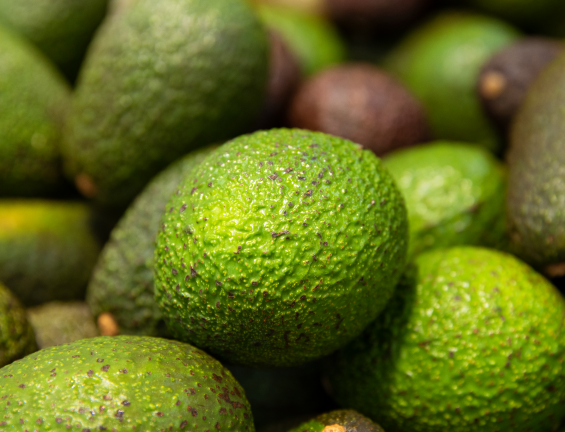
II. How profitable is growing avocados?
Avocados have many nutritional benefits, and in many respects these can bring it broad market demand. Glyceric acid is one substance avocados are relatively rich in, and it has a good effect on preserving youth. Avocados are also a versatile fruit. In daily life they are a top choice for weight loss in many first-tier cities and are in short supply. In many Western restaurants, avocados are also a premium fruit, and the demand for them should not be underestimated. Some restaurants also use them as a dish that is widely sought after. At present, sales of drinks made with avocados as a raw material are also extremely optimistic. In many places abroad, avocados are also used as a raw material for skincare products. Overall, the market demand for avocados is diversified and all in a state of short supply, so there is no need to worry about sales outlets.
In addition, avocados are also grown in our country, mostly concentrated in the southern coastal areas. The planting volume is relatively small and completely unable to meet our country's current demand, so they are mostly imported. At present, with the avocado market booming, many people have seen business opportunities and are preparing to join the ranks of avocado growers. At the same time, the avocado is a fruit tree with relatively high yield. Under normal conditions, the yield is about 100 jin per tree, and individual high-yielding trees can reach about 150 jin. The current market retail price starts at 30 yuan, but the wholesale price is relatively much lower, around 10 yuan. The planting area per mu generally fluctuates around 80 plants depending on local conditions. The total profit per mu is about 80,000 yuan. As for costs, it depends on each person's budget when selecting seedlings. With better seedlings, the profit is about 30,000 yuan, while with poorer seedlings, the profit is about 40,000 yuan.
Summary: The above is the relevant introduction to avocado prices and growing profitability. Please note that the above avocado prices and growing profitability are for reference only, and the actual prices and profitability should be taken as the standard. I hope this is helpful to friends in need!
Is growing avocados profitable in 2019? What are the prospects for growing them?
Avocado is a fruit with very high nutritional value and has the reputation of “forest butter.” In recent years it has become very popular in our country. So, is growing avocados profitable in 2019? What are the prospects for growing avocados? Let's take a look together!
1. Current growing situation in our country
Avocados are also grown in our country, mostly concentrated in the southern coastal areas. The planting volume is relatively small and completely unable to meet our country's current demand, so they are mostly imported. However, in recent years, large-scale cultivation has begun in Yuanjiang, Yunnan. At present, with the avocado market booming, many people have seen business opportunities and are preparing to join the ranks of avocado growers. However, due to rainfall and temperature reasons, there are relatively few places suitable for growing them. The current growing situation is basically that some farmers who want to grow them do not have suitable conditions, while those with suitable conditions have not yet truly mastered scientific growing methods. Still, friends who want to grow them can go to Hainan, Guangdong and other places to investigate.
2. Market demand
Avocados are also a versatile fruit. In daily life they are a top choice for weight loss in many first-tier cities and are in short supply. In many Western restaurants, avocados are also a premium fruit, and the demand for them should not be underestimated. Some restaurants also use them as a dish that is widely sought after. At present, avocados are also very popular in the juice sector. Many juice shops have launched avocado milkshakes, mixed juices of avocado and other fruits, and other varieties. Sales of drinks made with avocados as a raw material are also extremely optimistic. In many places abroad, avocados are also used as a raw material for skincare products. Overall, the market demand for avocados is diversified and all in a state of short supply, so sales outlets are very broad.
3. Economic benefits
The avocado is a fruit tree with relatively high yield. Under normal conditions, the yield is about 100 jin per tree, and individual high-yielding trees can reach about 150 jin. The current market retail price starts at 30 yuan, but the wholesale price is relatively much lower, around 15 yuan. The planting area per mu depends on local conditions and generally fluctuates around 80 plants. The total profit per mu is about 100,000 yuan. As for costs, it depends on each person's budget when selecting seedlings. With better seedlings, the profit is about 30,000 yuan, while with poorer seedlings, the profit is about 40,000 yuan. Everyone can consider this comprehensively according to their own situation.
4. The effects and functions of avocados
Avocados have many nutritional benefits, and in many respects these can bring it broad market demand. Glyceric acid is one substance avocados are relatively rich in, and it has a good effect on preserving youth. Nowadays, many skincare products have added avocado. Infants are currently an area to which everyone attaches great importance. According to expert research, eating avocados can not only protect women's uterus but also allow infants to have better room for growth. In this way, sales channels are naturally broad, and sales volume naturally goes up, not to mention that avocados also have the two aspects of value in weight loss and beauty.
Therefore, in summary, growing avocados in 2019 is profitable. As long as you master scientific growing methods, you will certainly gain something!
The Marvels We Overlook - Stories of Chemistry in Life
The Marvels We OverlookFire and Humanity
The invention of fire was about 500,000 BC. In the cave where Peking Man lived at Zhoukoudian, Beijing, thick ash layers and some fossilized animal bones and ash soil burned by fire were once discovered, which proves that they had already learned to use fire.
The use of fire can be said to be humanity's first invention in the history of chemistry. Because humans used fire, they not only had a powerful weapon to defend against wild beasts, but also changed from eating raw food to eating cooked food, shortening the digestion process, thereby promoting physiological changes and development in the human body. Fire is also of great significance to the development of human material civilization. The making of pottery and the smelting of metals were both results of the use of fire. As for the question of fire, in the late 17th century and early 18th century, due to the rapid development of Europe's metallurgical industry, chemists were required to explain phenomena such as metal smelting and calcination. Around 1700, the German chemist Stahl and others proposed a theory called the phlogiston theory, believing that all combustible objects contain phlogiston, and that substances that cannot burn do so because they lack phlogiston. This erroneous theory dominated the chemical community for nearly a hundred years and hindered people's exploration of the essence of fire. It was not until 1777, when Lavoisier discovered oxygen, that the phlogiston theory was completely overturned and the mystery of combustion was revealed. Lavoisier submitted a scientific report titled "General Considerations on Combustion" to the Paris Academy of Sciences. He pointed out that combustion can release light and heat, and that the burning of a substance is a chemical change occurring between the combustible material and the oxygen in the air. In today's society, combustion is widely used in production and life: people use the heat released by combustion to smelt metals; in household life, to boil water, cook, and keep warm; they use the combustion of diesel and gasoline to drive trains, cars, airplanes, and tractors; they use the explosion caused by the rapid combustion of gunpowder to blast mountains and mine, and dig tunnels; in the military, they make bombs, artillery shells, napalm bombs, and flamethrowers to strike invading enemies; and the combustion of the high-energy fuel liquid hydrogen can produce powerful thrust to send huge space rockets into space.
Combustion can both benefit humanity and bring disasters to humanity. As everyone knows, combustion can cause fires. In 1987, a particularly severe forest fire in the Greater Khingan Mountains of our country burned for 28 days, with the fire area reaching 1.01 million hectares, causing enormous losses to the lives and property of the state and the people. In coal mines, the rapid combustion of gas or coal dust can cause serious explosion accidents. In flour production workshops, when fine flour particles floating in the air reach a certain content in the air, they can also burn rapidly upon encountering an open flame and cause an explosion.
In large cities with concentrated industry and dense populations, the combustion of fuels such as coal, petroleum products, and natural gas will produce air pollutants such as carbon monoxide, sulfur dioxide, nitrogen oxides, and particulate dust, endangering human health.
In daily life, people deal with fire every day. Boiling water and cooking are all inseparable from it. However, when using fire, one must pay attention to fire prevention. Neglecting safety, being careless, or lacking fire prevention knowledge may lead to fires, bringing people pain and disaster.
The occurrence of any fire requires three conditions, namely combustible materials (such as paper, wood, cotton, oils, etc.), combustion-supporting materials (such as air), and ignition sources (such as cigarette butts, embers, etc.). If these three conditions are controlled separately or isolated, a fire cannot occur; if any one of these conditions is removed, a fire will likewise not occur. Every combustible material has its own ignition point and spontaneous ignition point. For example, the ignition point of wood is generally 250-350°C, and its spontaneous ignition point is generally around 350°C; the ignition point of cotton is around 150°C, and its spontaneous ignition point is about 400°C; the ignition point of gasoline is -58-10°C, and its spontaneous ignition point is between 255-530°C; the ignition point of cooking oil is between 140-300°C, and its spontaneous ignition point is between 350-570°C. If the temperature reaches the ignition point of these combustible materials, they will catch fire upon encountering an open flame. Of course, the lower the ignition point, the easier it is to catch fire; if the temperature reaches the spontaneous ignition point of the combustible material, it will catch fire even without encountering an open flame. Therefore, the most important measure for fire prevention is to properly store combustible materials, especially to avoid contact with ignition sources.
Water has good fire-extinguishing performance and is the most common, most economical, and most convenient fire-extinguishing agent. Water has a large heat capacity. When 1 liter of water rises by 1°C, it can absorb 1 kilocalorie of heat. Therefore, pouring water on ordinary combustible materials such as firewood and wood can quickly lower the surface temperature of the burning material below its ignition point; at the same time, after 1 liter of water is heated and vaporized, it can produce more than 1,700 liters of water vapor. Water vapor can dilute the concentration of combustible gases and combustion-supporting gases in the combustion zone, and can prevent air from entering the combustion zone, thereby extinguishing the fire.
However, not all fires can use water as a fire-extinguishing agent. For example, oil fires, electrical fires, and so on. The specific gravity of oil is smaller than that of water, and it is immiscible with water. When water is poured onto burning oil, a splashing phenomenon occurs when cold water meets high heat. The oil floats on the water surface, continues to burn, and overflows with the water flow, expanding the burning area. Water has a certain electrical conductivity. Using a straight water stream to fight electrical equipment fires will cause electric shock injuries.
A simple and easy-to-operate fire extinguisher is called a foam fire extinguisher. It is a cylindrical red steel cylinder with a nozzle, a handle, and a top cover. Inside the steel cylinder is a sodium bicarbonate solution foaming liquid and a bottle of aluminum sulfate solution, hung on the wall for use. Once a fire occurs, quickly take it down from the wall, carry it to the fire site, turn the fire extinguisher upside down, aim the nozzle at the fire source, and immediately a large amount of foam will spray out to extinguish the fire. This is because after the foam fire extinguisher is turned upside down, the sodium bicarbonate solution and aluminum sulfate that were originally stored separately can mix together and undergo the following chemical reaction:
6NaHCO3+AL2(SO4)3=3Na2SO4+2Al(OH)3↓+6CO2↑
After the chemical liquid in the foam fire extinguisher reacts, it can produce gelatinous aluminum hydroxide. Under the action of the carbon dioxide produced by the reaction, together with the added foaming agent, it can form a large amount of foam. After these foams are sprayed onto combustible materials, they form a relatively thick foam covering layer on their surface, isolating the combustible materials from the air. Therefore, the foam fire extinguisher has a very good fire-extinguishing effect, and is especially unique for extinguishing oil fires.
It is worth noting that before using a foam fire extinguisher, you must carefully check whether the nozzle is unobstructed. If the nozzle is blocked, the foam cannot spray out after turning it upside down, the pressure inside the bottle increases, and the steel cylinder is at risk of exploding. There are many types of fire extinguishers. Commonly used ones also include dry powder fire extinguishers (the dry powder extinguishing agent in them can use sodium bicarbonate, ammonium phosphate, or chlorides, etc.), carbon dioxide fire extinguishers (containing solid carbon dioxide), and carbon tetrachloride fire extinguishers (containing carbon tetrachloride liquid), etc. Different extinguishing agents have different fire-extinguishing properties. Therefore, when fighting fires of different natures, corresponding firefighting equipment must be selected. When it comes to fire, people naturally think of matches. Small and exquisite matches ignite with a single strike,
it is the simplest way for people to make fire. Before matches were invented, humans could only obtain fire by drilling wood or by violently striking hard flint (whose main component is silicon dioxide SiO2) with a small steel knife. It is not hard to imagine how difficult this must have been!
The world's first match was born in Italy more than two hundred years ago. It could be said to be a giant match, because it was made from a wooden stick more than 1 meter long, with a large lump made from a mixture of potassium chlorate, sugar, and gum arabic stuck to one end of the stick. When using it, this large lump was dipped into concentrated sulfuric acid, and it would ignite and burn. This is because after potassium chlorate comes into contact with concentrated sulfuric acid, a chemical reaction occurs, producing a highly reactive substance called chlorine dioxide. Chlorine dioxide reacts with sugar and causes combustion. This kind of match was large and heavy, very inconvenient to carry, also required carrying dangerous sulfuric acid at the same time, and was expensive, so it was not promoted.
By the early 19th century, Swedes invented the friction match. Friction matches were small, compact, and convenient, and quickly became popular in various countries. The head of this kind of match was coated with sulfur, then covered with a mixture of white phosphorus, lead tetroxide or manganese dioxide, and gum. The ignition point of white phosphorus is only 40°C, so it could catch fire simply by being rubbed on a wall, tabletop, or shoe sole. After white phosphorus ignited, with the help of strongly oxidizing lead tetroxide or manganese dioxide, the flammable sulfur also burned, and then ignited the small wooden stick.
Although friction matches were convenient to use, they were very unsafe, because once the temperature exceeded 40°C, white phosphorus would spontaneously ignite, and white phosphorus is a highly toxic substance. Accidental ingestion of 0.1 grams would cause poisoning and death.
In 1855, the Swede Lundström used red phosphorus instead of white phosphorus and designed and manufactured the world's first box of safety matches. Red phosphorus is non-toxic, and its ignition point is much higher than that of white phosphorus, at 240°C, which made up for the shortcomings of friction matches. He divided the ignition agent into two parts: potassium chlorate and antimony trisulfide were applied to the match head, while red phosphorus, glass powder, and glue were coated on the side of the matchbox. When striking the match, the red phosphorus ignited and ignited the flammable material on the match head. The matchstick was made of soft wood such as pine or poplar, and the front end was also fully soaked with paraffin and rosin, making the matchstick easy to ignite. This kind of match only ignites when rubbed on the matchbox. It is neither toxic nor likely to cause fires, so it is called a “safety match.” This kind of match quickly replaced friction matches and was sold all over the world, right up to the present.
It has been more than two hundred years since the birth of matches. Over these more than two hundred years, through continuous improvement by people, many matches with special properties have been manufactured, making the match family increasingly prosperous. Examples include windproof matches, welding matches, multiple-use matches, and so on.
In daily life, people deal with fire every day. However, when using fire, one must prevent fire. Neglecting safety, being careless, or lacking fire prevention knowledge may lead to fires, bringing people pain and disaster.
The Invention of Saccharin
It is said that during the Chu-Han Contention, Liu Bang's military strategist Zhang Liang sent someone to write seven large characters on the bank of the Wu River with honey - “Xiang Yu, the Hegemon of Chu, commits suicide at the Wu River.” Ants immediately gathered from all directions to feed. When Xiang Yu retreated in defeat to the bank of the Wu River, he saw these striking seven characters formed by many ants and thought that his “fate” had run out. He sighed with emotion: “Heaven is destroying me, why should I cross?” With a boat available, he did not cross, and drew his sword and cut his own throat. This is the story created in Chinese history of “the Han dynasty's realm, gathered by ants,” and it is also a miracle created by sugar in military history.
Although sugar is a sweetener, it also formed a bond with the mirror-making industry!
In the latter half of the 13th century, Venetians produced flat glass. People glued a metal plate to the back of the flat glass and made a relatively ideal mirror. Things are precious when rare, and mirrors at that time were astonishingly expensive. When Queen Mary Medici of France married, the Republic of Venice gave her a mirror as a gift. The mirror was only the size of a book, but it was worth 150,000 francs!
Later people came up with a way to use mercury instead of a metal plate. This kind of mirror had good brightness and low cost, and ordinary people could afford it. However, mercury vapor is toxic, and workers often suffered mercury poisoning accidents when making mirrors, taking the lives of many mirror-making workers every year.
It was not until more than a hundred years ago that people came up with a new method again, using metallic silver instead of mercury mirrors. From then on, mirror-making workers no longer suffered from mercury vapor poisoning.
How are mirrors made? First, choose glass without bubbles, grind it flat and wash it clean with alkali, then take silver nitrate and prepare
a solution of a certain concentration, add an appropriate amount of ammonia water, and then add an appropriate amount of the reducing agent glucose. Pour the prepared solution onto the glass, and the silver nitrate is reduced to metallic silver deposited on the glass plate, making a mirror. To prevent the silver from darkening and peeling off, finally a layer of paint must be applied to the back of the mirror for protection.
The reaction process of glucose reducing silver nitrate is: AgNO3+3NH3·H2O→[Ag(NH3)2]OH+NH4NO3+2H2O
CH OH(CHOH) CHO + 2[Ag(NH ) ]OH →heat→
Glucose
CH2OH(CHOH)4COOH+2Ag↓+H2O+4NH3
Gluconic acid This is the famous “silver mirror reaction.” Not only are mirrors silvered in this way, but thermos bottle liners are also
silvered in this way. Everyone knows that sugar is sweet. It is a product of photosynthesis in green plants:
Light
6CO2 + 6H 2 O
→
Chlorophyll
C 6 H 12 O 6 + 6O 2
Glucose
Perhaps you do not believe it, but the rags we discard in life can also be used to make sugar! More than a hundred years ago, someone conducted an experiment on making sugar from rags. The rags were placed in sulfuric acid at a concentration of about 70% and heated for a period of time. The rags then disappeared and were decomposed into sugar - glucose. So, how do rags turn into glucose?
It turns out that the main component of rags is cellulose. When cellulose is acted upon by acids, that huge molecule splits, forming smaller molecules, and combines with water to become glucose. In chemistry, this is called the “hydrolysis reaction” of cellulose:
(C6 H 10O 5)n + nH 2 O ? ?? nC 6 H 12 O 6
Cellulose Glucose Cellulose is composed of three elements: carbon, hydrogen, and oxygen, and glucose is also composed of the three elements carbon, hydrogen, and oxygen. The difference is only that the proportions and arrangements of the three chemical elements in the molecules of the two substances are different.
Since rags can make sugar, then the brothers of rags - sawdust, rice straw, wheat straw, and many agricultural by-products that contain cellulose - can of course also make sugar. Using cellulose hydrolysis to make glucose has now become a huge industry - the “hydrolysis industry.”
Now, in hydrolysis factories, people first dry and chop some agricultural by-products containing cellulose, then put them into acid-resistant enamel tanks, add sulfuric acid (generally at a concentration above 62%, or if hydrochloric acid is used, at a concentration of about 36%), and continuously stir and heat. After 4-5 hours, add water to dilute, then add lime milk to neutralize, and filter. At this time, the filtrate is clear, but contains impurities and is often brown. Workers add the decolorizing agent activated carbon to the filtrate, and the filtrate immediately becomes colorless and transparent. Next, the filtrate is heated and concentrated. After cooling, snow-white crystals - glucose - precipitate out.
Sugar is sweet, but there are still many things sweeter than sugar, and edible saccharin is one of them. Speaking of the invention of saccharin, there is also an interesting story! Fahlberg of Russia was a researcher at the University of Baltimore in the United States and also a chemist,
He was busy in the laboratory all day. That day, an experiment produced a result, and he happily took out the pencil inserted in his pocket and wrote down the experimental results
in the experiment record. When he was putting the pencil back into his pocket, he looked at the clock on the wall and saw that it was already 8 p.m. He suddenly remembered that today was his birthday, many guests had come to his home, and his wife had especially reminded him that morning to come home earlier in the evening. So, he put on his coat and hurried home.
As soon as he entered the door, relatives and friends all congratulated him. After a round of greetings, the host and guests took their seats in order, and Fahlberg's wife busily brought dishes to the table. During the meal, a friend asked Fahlberg: “I heard you have recently been researching artificial fragrances?” “No, I am doing experiments on aromatic sulfonic acid compounds, so it cannot yet be called research.” “What is aromatic??” “This is a chemical term.” Fahlberg felt he could not explain clearly, so he casually took out from his pocket the pencil he had brought back from the laboratory and wrote the words “aromatic sulfonic acid compounds” in a corner of the newspaper. At this moment, Fahlberg's wife was just bringing in steaming hot crispy chicken and steak. Fahlberg took the dishes and invited everyone to taste them. Thus, their conversation stopped. “What sweet crispy chicken!” one friend suddenly said. “The fried steak is sweet too,” said another. Fahlberg's wife puzzledly replaced the guests' tableware with new utensils??
Dinner ended, the guests said goodbye, and Mr. and Mrs. Fahlberg sat on the sofa, talking about where that strange sweetness had come from. “I did not add any sugar!” his wife explained. Fahlberg went into the kitchen, licked the tableware the guests had used, then picked up the plate that had held the steak and crispy chicken and licked around the edge of the plate. After returning to the sofa, he actually raised both hands, first licking his left hand with his tongue, then his right hand, and then took out that pencil from his pocket, licked it with his tongue, and excitedly shouted loudly: “The problem is on the pencil, it is on this pencil!”
It turned out that when Fahlberg tasted the tableware used by his friend, he found a sweet spot on the edge of the plate. This was where his fingers had held the plate. And his hand had once held the pencil used in the laboratory. This showed that the sweetness of the pencil had been picked up in the experiment.
The next day, at dawn, Fahlberg arrived at his laboratory. He carefully checked the vessels used in the experiment. Full of joy, Fahlberg worked while recording. He said to himself: “This is truly a remarkable invention!”
From then on, Fahlberg concentrated all his energy and devoted himself to researching this topic, and finally extracted a sweet-tasting substance from coal tar - saccharin.
Experiments proved that the sweetness of saccharin is about 500 times that of table sugar. Struggle and hard work finally gave Fahlberg his due reward. In 1879, Fahlberg obtained the patent right for the invention of saccharin in the United States. In 1886, he moved to Germany and established the world's first saccharin factory in Germany, beginning specialized saccharin production.
Edible Vinegar and Acetic Acid
“Sour, sweet, bitter, spicy, numbing - only sourness lasts the longest.” This saying is true. When it comes to vinegar, it makes people recall some wonderful pleasures. Adding vinegar to cold mixed dishes makes them tasty and makes your mouth water endlessly. When cooking fish-flavored shredded pork or sweet and sour spare ribs, adding vinegar enhances color, aroma, and taste, greatly stimulating your appetite and keeping it open. A bottle of aged vinegar will add much color to a family's holiday banquet.
As the saying goes, the seven things for opening the door are oil, salt, firewood, rice, sauce, vinegar, and tea. It can be seen that vinegar has an extraordinary relationship with people's daily life. And with the development of the organic chemical industry, vinegar has become an important chemical raw material indispensable to human development at every moment. Let us now talk about it slowly from ancient times to the present.
In ancient times, vinegar was called xi cu or bitter wine, both written with the “wine” radical, showing that vinegar and wine have an indissoluble bond. As a condiment, when edible vinegar began cannot be verified. However, folk tradition has always circulated the legend of “Du Kang made wine, and his son made vinegar.” It is said that Du Kang's son Heita led the clan to move to the area of Zhenjiang, Jiangsu, and then set up a distillery by the river, using river water to soak distiller's grains. It happened to be the height of summer, and he fell into a drowsy dream. After waking, according to what he remembered from the dream, he uncovered the lid after 21 days, and indeed a fresh aroma assailed the nostrils, sour with a hint of sweetness. Heita then used “twenty-one days” and added a “you” character, calling this sour liquid “cu.” This is the origin of vinegar.
The traditional fermentation method of making vinegar has been used to this day. Its key points are to steam grains until cooked, saccharify them through wine yeast, and after alcoholic fermentation, the alcohol-containing product obtained is not distilled; then it is mixed with bran, grain husks, acetic acid yeast, etc., and kept
at around 40°C to continue fermenting, yielding edible vinegar.
Amylase
(C H On + nH O →starch→enzyme→ →nC H O6 10 5 2 6 12 6
Starch Glucose
C H O zymase→ →2C H OH + 2CO
C 2 H 5 OH + O2
Acetic acid bacteria
40 ℃
→CH 3COOH + H 2O
Acetic acid
In addition to acetic acid (containing 5%-6%), edible vinegar also contains a small amount of lactic acid, succinic acid, amino acids, esters, and a certain amount of sugar.
For thousands of years, vinegar has mainly been used as a condiment. But its many functions have made it people's “friend in life.”
The medicinal value of edible vinegar was known to people as early as more than 1,700 years ago. Hua Tuo, a famous physician of the Three Kingdoms period, used garlic paste and half a bowl of vinegar to cure a passing patient, inducing him to vomit out a roundworm and immediately relieving the suffering of a blocked throat that prevented swallowing. 26 years ago, when influenza viruses raged across the world, causing tens of millions of people to be bedridden, some employees in the photography industry, because they used dilute glacial acetic acid solution when fixing negatives and photos, were spared infection thanks to the disinfecting and sterilizing effect of acetic acid vapor. From this, people applied acetic acid to prevent influenza. Someone took 5 grams of table salt and stir-fried it over gentle heat until hot, put in 15 grams of tea leaves and continued stir-frying until slightly scorched, added 200 milliliters of water and boiled it, and the resulting filtered juice, with 10 milliliters of edible vinegar added, became a good medicine for treating diarrhea in children. Here edible vinegar plays an astringent role. According to records, edible vinegar also helps digestion, prevents chilblains, reduces inflammation and swelling, and treats psoriasis.
Acetic acid has been used in organic synthesis for more than a hundred years. In 1868, the British scientist Perkin used acetic anhydride and salicylaldehyde to synthesize the fragrance vanillin. In 1890, the German chemist Heumann used derivatives of acetic acid such as chloroacetic acid as raw materials to synthesize the natural dye indigo. Later, acetic anhydride and salicylic acid were used to synthesize aspirin - a good medicine essential for home and travel. Today's banana oil used in the spray painting industry is isoamyl acetate obtained by esterification of acetic acid with alcohol.
Film was invented separately in the 1890s by Edison of the United States and the Lumière brothers of France. At that time, when showing films, the greatest fear was burning film and causing a fire, because the film base was made of flammable cellulose nitrate ester. Cellulose acetate ester is not easy to burn and not easy to fade. After it appeared, it immediately replaced cellulose nitrate ester and became an important raw material for photographic negatives and motion picture film.
Acetic acid is the earliest organic acid people prepared, and it is also the first completely organic synthetic compound scientists prepared starting from elemental substances. In 1845, after the German scientist Wöhler artificially synthesized urea from inorganic compounds, the German chemist Kolbe used wood ash, sulfur, chlorine, and water as raw materials to synthesize acetic acid for the first time. This laid the foundation for the establishment of organic synthetic chemistry.
The industrial production of acetic acid also developed from the earliest methods of distilling edible vinegar to obtain it and fractionating acetic acid from wood dry distillation liquid products (generally 3%-7% of the dry weight of wood) into the current two major production methods.
First, the ethylene oxidation method:
pdCl
·CuC 2
2 1
2CH 2 ? CH 2 ? O 2 ?? ????? 2CH 3CHO
2CH CHO + O
(CH COO) Mn 2CH COOH
3 2 3
70-80 2-3
Second, the direct oxidation method of alkanes:
2CH 3CHO ? 5O2 ?catalyst? 4CH 3COOH ? 2H 2 OHeating, pressurizing In addition to the above two major synthesis methods, scientists believe that the most promising production method should be the direct synthesis of acetic acid from methanol and carbon monoxide: CH3OH+CO→CH3COOH However, because some key technical problems have not yet been completely solved, this method is still in the exploratory stage.
Chemistry in Sports
Friends, do you know that in the exciting and pleasing world of sports, chemical knowledge is everywhere.
For thousands of years, the torch has always been a symbol of light, courage, and power. Since the 11th Olympic Games, every opening ceremony has held a rather solemn “torch relay.” Who makes the torch shine with dazzling brilliance? It is flammable organic substances. Butane gas and kerosene are both commonly used torch fuels:
2C4H10+13O2 ignition 8CO2↑+10H2O
Butane The novel lightweight torch developed by Chinese chemical experts has a flame reaching about one meter high. Even on a clear day, it is still clearly visible from more than two hundred meters away, and it burns brightly even in heavy rain. It added much color to the 11th Beijing Asian Games.
In fiercely contested football matches, we often see players fall on the lawn. At this time, the team doctor hurriedly runs forward, uses a small spray bottle, and psst! psst! sprays it a few times on the player's injured area, then repeatedly rubs and massages it. Before long, the injured player unexpectedly charges back onto the field full of energy. What miracle drug is in the small bottle? This is ethyl chloride (CH3CH2Cl), a colorless, highly volatile organic substance with a boiling point of only
13.1°C. We know that when a liquid volatilizes, it absorbs heat from the surroundings, so when the ethyl chloride medicinal liquid is sprayed on a player's injured area, because it volatilizes rapidly, the temperature of the skin surface drops sharply and sensation is reduced, thereby producing a unique effect of pain relief and local anesthesia.
In the stadium, surrounding the emerald green football field is a ring after ring of highly eye-catching reddish-brown athletic tracks. This kind of track is laid with the newest synthetic material - plastic. It is commonly called a “tartan track.” The structure of a tartan track is like a sponge table tennis paddle with rubber particles attached. The rubber particles on the track surface are like the rubber particles, the plastic surface layer is equivalent to the sponge layer, and the track foundation is like the wooden base plate of the racket. This kind of tartan track provides a good foundation for track and field athletes to create outstanding results.
Different athletes also have different requirements for the materials of sports shoes. For this reason, designers have used the latest chemical materials to design sports shoes with various properties, which are quite favored by athletes. Basketball and volleyball players need shoes with a certain bounce, so they choose cis-polybutadiene rubber with very good elasticity for the soles; football players require shoes that can adapt to fast attacks and quick stops and are solid and durable, so they use very high-strength polyurethane rubber as the sole material and install polyurethane anti-slip studs; track and field athletes require shoes that are soft and elastic, so high-elasticity isoprene rubber soles were designed, satisfying the athletes' requirements.
Why does a white smoke screen appear after the starting gun is fired? The powder in the gunpowder paper contains substances such as the oxidizing agent potassium chlorate and the smoke-producing agent red phosphorus. The high temperature generated by friction causes potassium chlorate to rapidly undergo a decomposition reaction:
High temperature
2KClO3
heat 2KCl+3O2↑
The oxygen produced immediately undergoes fierce combustion with red phosphorus:
4P+5O2Δ 2P2O5
The product of combustion is the white powder phosphorus pentoxide, which very easily absorbs water in the air to form acid mist, so the timekeeper sees a faint white smoke on the black smoke screen.
Before weightlifting, athletes put both hands into a basin containing the white powder “magnesium powder,” then rub their palms together. Is this “magnesium powder” that gives athletes a helping hand really metallic magnesium? Magnesium powder has a silvery-white luster. The true identity of this white powder is magnesium carbonate (MgCO3). MgCO3 has good moisture absorption, can increase the friction coefficient between the palm and the equipment, and thereby enables athletes to grip the barbell tightly and create outstanding results.
After the magnificent gymnasium is decorated with brown glass, it is beautiful and elegant, giving people a quiet and refined impression. Brown glass is a heat-absorbing and heat-insulating glass that can absorb infrared rays. It contains trace oxides such as iron, cobalt, and selenium, and transmits only 1/4 of the infrared rays of ordinary glass. Using it to decorate sports buildings not only makes the interior light soft, but also has anti-glare and heat-insulating effects. No wonder that when you walk into a gymnasium on a hot day, you immediately feel elegant and cool.
Chemistry adds beauty to sports and has made great contributions to sports. In the vast world of sports, there is truly chemistry everywhere! You see: the sailboards used in surfing are made of foam plastic; bowling balls are made by mixing hard rubber and plastic and pressing them; the colorful flying discs are made of plastic; a chemical coating invented by chemists, when applied to swimmers' bodies, can reduce water resistance by 10% at a swimming speed of 2 meters per second; a swimsuit composed of ultra-fine nylon fiber and polyurethane fiber can make athletes swim faster?? However, the abuse of chemical substances has also brought disaster to the pure world of sports. Do you still remember that at the 24th Seoul Olympic Games, when Canadian sprint star Ben Johnson defeated American sprint star Lewis with a 100-meter time of 9
seconds 79 and broke the men's 100-meter world record he himself had held, the entire stadium boiled over. People excitedly shouted his name as if welcoming a hero, cheering and paying tribute to him. But a few days later, the Olympic organizing committee announced a shocking piece of news: Johnson had taken banned drugs during the competition, the new world record he created was canceled, and his gold medal was taken back. Johnson used improper means to deceive international public opinion and tarnished the Olympic spirit. He was condemned and punished.
Most banned compounds are organic compounds, complex in composition and numerous in variety. At present, the banned drugs stipulated by the International Olympic Committee fall into five major categories and 99 kinds. They are: synthetic steroids, narcotics, stimulants, β-blockers, and diuretics. 70% of the stimulants taken by athletes are synthetic steroids.
Taking steroids can increase muscle, enhance endurance, adapt to high-volume training, accelerate recovery after training, and achieve better results in competition. But such drugs are highly harmful to the body. They not only damage the liver but are also a trigger for liver cancer, and can cause cancerous changes in the urinary system and bring harm to the heart and blood vessels. To uphold the Olympic principles and protect athletes' health, in 1968 the Olympic Committee announced and completely prohibited athletes from taking banned drugs.
Artificial Rain
As the saying goes: “Fortune is as unpredictable as the weather.” However, with the continuous development of science and technology, this view has become a thing of the past. The wish of humanity for thousands of years to “spread clouds and make rain” has now become reality. And the scientist who first achieved artificial rain was the outstanding American physical chemist Irving Langmuir.
Irving Langmuir was born on January 31, 1881, in Brooklyn, New York City, United States. Langmuir was extremely interested in natural science and applied technology from childhood. When he was young, he had a great ideal: to achieve artificial rain and free humanity from dependence on heaven for food.
Langmuir deeply understood the feelings of farmers hoping for rain during dry seasons. Facing the farmers' gaze begging for rain and the vast, boundless blue sky, as a scientist he carried out rational and scientific exploration. After in-depth research, he finally understood the mystery.
It turns out that water vapor on the ground rises, meets cold, and condenses into masses, which are “clouds.” The tiny ice points in clouds are only about 0.01 millimeters in diameter and can float in the air for a long time. When they encounter certain impurity particles (called ice nuclei), they can form small ice crystals, and once ice crystals appear, water vapor rapidly condenses on the surface of the ice crystals, making the small ice crystals grow into snowflakes. Many snowflakes stick together and become snowflakes, and when the snowflakes are large enough and heavy enough, they roll down from high altitude. This is snowfall. If snowflakes collide with cloud droplets during falling, and the cloud droplets condense on the snowflakes, they form opaque ice balls called hail. If snowflakes fall into a warm zone with a temperature above 0°C, they melt into water droplets and rain falls.
However, having clouds does not necessarily mean rain. This is because ice nuclei in clouds are not abundant and the number of ice crystals is too small.
At that time, a view was popular among people: raindrops formed around dust particles as "ice crystals," and for rain to fall, the air had to contain dust particles in addition to water vapor. This popular view severely constrained people's experiments and research into artificial rainmaking. After all, it is no easy matter to raise a sky full of dust in cloudy weather.
Langmuir was a rigorous scholar who emphasized practice. At the time, he was deputy director of the research laboratory of the General Electric Company in Schenectady, New York State. In his laboratory he kept artificial clouds, which were simply the water vapor filling an electric refrigerator. Langmuir tried every means to make the water vapor in the refrigerator match the water vapor in the atmosphere before rain. He also constantly adjusted the temperature and added various kinds of dust in his experiments.
One day in July 1946, the sun blazed overhead and the heat was unbearable. Langmuir was conducting experiments intensively when suddenly the refrigerator stopped cooling because of some equipment failure, and the temperature inside could not be brought down. He decided to use dry ice for cooling. Solid carbon dioxide has a very large heat of vaporization, 87.2 cal/g at -60°C. Under normal pressure it can rapidly convert to gas, absorbing heat from its surroundings and producing a cooling effect that can lower the surrounding temperature to about -78°C. When he had just put some dry ice into the freezing chamber of the refrigerator, a wonderfully strange scene appeared: small ice particles swirled and danced inside the chamber, fine snowflakes fell from above, the whole chamber was piercingly cold, and the artificial cloud turned into ice and snow.
Analyzing this phenomenon, Langmuir realized that dust is not absolutely necessary for rain, and that dry ice has a unique effect in condensing water vapor, that is, acting as "seeds" - ice crystals or ice nuclei in clouds. The drop in temperature is also one of the important factors in turning water vapor into rain. He continuously adjusted the amount of dry ice added and changed the temperature, and found that as long as the temperature dropped below minus 40°C, artificial rainmaking had a chance of success. The dry ice cloud-seeding method invented by Langmuir was a breakthrough discovery in artificial rainmaking research; it broke free from the shackles of old ideas. Interestingly, this breakthrough invention was achieved inside an electric refrigerator in the heat of summer.
Langmuir was determined to put the dry ice cloud-seeding method into practice for artificial rainmaking. In 1946, although he was already a 66-year-old man, he still burned with the passion of a young person for exploring the mysteries of nature. One day in 1946, under Langmuir's direction, an aircraft rose into the air and flew above a sea of clouds. The test personnel scattered 207 kilograms of dry ice into the sea of clouds, just as farmers sow seeds in a wheat field. Thirty minutes later, a fierce wind suddenly arose and torrential rain poured down on the earth. The first artificial rainmaking experiment had succeeded.
Langmuir opened a new era of artificial rainmaking. Based on the theory of ice crystal nucleation in supercooled cloud layers, scientists further discovered that silver iodide (AgI) and other substances could be used as "seeds" for artificial rainmaking. And in terms of effect, silver iodide is even better than dry ice. Silver iodide can be scattered on the ground and, using rising air currents, drift up into cloud layers in the sky, making rainmaking simpler and easier than with dry ice.
"Artificial rainmaking" operations have often been seen in war as a new type of "weather weapon." During the US-Vietnam War, the "Ho Chi Minh Trail" from Cambodia to Vietnam was heavy with traffic. Combat supplies from abroad supporting the Vietnamese people in resisting the US imperialist aggressors were continuously sent to the front through this only route. But there torrential rains and massive floods often appeared, breaking bridges, destroying dikes, and leaving large numbers of transport vehicles struggling on muddy mountain roads; traffic was greatly affected, and the damage was no less than that of bombing. At first the Vietnamese side was completely ignorant of these sudden rainstorms. Later, after investigation through many channels, it was learned that this was a secret weather operation approved and implemented personally by US President Johnson and carried out for 6 years, namely the "artificial rainmaking" operation conducted by the United States over that route.
"Heaven has foreseeable winds and clouds" means not only "artificial rainmaking"; it also inspires people to reasonably carry out artificial weather control. Langmuir also studied this. He hoped that before storms arrived, they could be eliminated in the bud by artificial control methods. This idea is not only reasonable but also feasible, and it has now been widely applied.
Changing Colors
Our country is one of the world's ancient civilizations. The use of painting pigments also has a long history. From the famous painted pottery unearthed at Yangshao Village in Mianchi County, Henan Province, colored patterns in alternating red and black were painted, proving that our ancestors already knew how to paint with colored pigments more than five thousand years ago. According to textual research, the black pigment used at that time was carbon powder, and the red pigment was hematite (whose main component is Fe2O3), which the ancients called "red ochre." Later people also discovered in nature another red pigment - cinnabar, whose color is more brilliant than that of red ochre. The chemical composition of cinnabar is mercury sulfide (HgS). Because its color is gorgeous and does not fade over time, it has always been highly treasured by painters. The seal ink used for stamping seals on calligraphy and paintings is also made from cinnabar. In ancient calligraphy and paintings, because of their great age, the paper has changed color and turned yellow, but the seals on them are still bright red.
The gracefully dancing flying apsaras in our country's famous Dunhuang murals can be called world art treasures. But the faces and skin of those fairies are mostly gray-black, which is truly strange!
It turns out that the gray-black substance on these paintings is lead sulfide (PbS). But what was originally applied was not lead sulfide, but a famous white pigment - lead white, namely basic lead carbonate. It has very strong covering power, and where it was applied it could truly be called dazzlingly white. Because it was corroded over a long period by trace amounts of hydrogen sulfide gas in the air (hydrogen sulfide is produced when coal burns and when animals and plants decay), it gradually changed from white to gray-black.
2PbCO3·Pb(OH)2+3H2S=3PbS↓+2CO2↑+4H2O
(White) (Black) In museums, the oil paintings on display gradually lose their luster after a long time, and the same principle applies. If you encounter this situation, do not worry. Take a soft cloth, dip it in hydrogen peroxide, and gently wipe the surface of the painting, and you can make the painting take on a new look and regain its youth. This is because hydrogen peroxide, which has strong oxidizing properties, can oxidize black lead sulfide into white lead sulfate.
PbS+4H2O2 PbSO4↓+4H2O
(Black) (White) However, in order to preserve the original appearance of ancient cultural relics, we generally do not do this.
The same phenomenon also occurred in art museums in Europe. In museums in Italy, many famous paintings from the Renaissance are treasured. Visitors were surprised to find that in some paintings the sky was not the usual azure blue, but emerald green.
It turns out that the blue pigment used by ancient painters was a mineral called "copper blue," whose chemical composition is copper sulfide (CuS) and cuprous sulfide (Cu2S). These two sulfides are unstable in nature. Under the action of carbon dioxide and water vapor in the air, over a long period they can slowly turn into green basic copper carbonate (CuCO3·Ca(OH)2), and so the "blue sky" gradually became a "green sky."
An even stranger painting is the huge fresco "The Creation of the World," which the great master Michelangelo spent several years carefully creating. Among this group of rare-treasure-like frescoes, one has, in addition to the endless artistic charm shared by the other frescoes, a kind of "special power": it can fairly accurately predict changes in the weather. Local people discovered that if the pale red at the clothing of the figures in the fresco gradually fades and turns into vivid blue
color, then even if at the time mist swirls and dark clouds fill the sky, one can go out without rain gear with complete peace of mind; conversely, if the blue at the clothing of the figures in the fresco turns pale red, it foretells that it may rain. Why can this fresco forecast the weather? Chemists found the answer to the question. It turns out that among the pigments Michelangelo used, cobalt dichloride was accidentally mixed in. Cobalt dichloride containing water of crystallization appears red, while anhydrous cobalt dichloride appears blue. Whenever rain is about to fall, the humidity in the air rises, and the blue anhydrous cobalt chloride in the painting absorbs moisture, forming pale red hydrated cobalt dichloride. When the water of crystallization in the hydrated cobalt dichloride in the pigment gradually evaporates and it returns to blue, that is proof that the air is dry and the sky is about to clear.
proof. Dry or heat
CoCl2·6H2OCoCl2+6H2O Pale red Blue
An English architect added some cobalt dichloride to the cement used for whitewashing exterior walls, ingeniously combining the principle of color change with the principle of color, and created a landscape painting whose "season" changes with the weather. Whenever autumn is bright and crisp, the weather is dry, and the cobalt dichloride hydrate loses its moisture, turning from red to blue. Blue and the yellow in the watercolor pigment are complementary and become green, presenting people with the vanished full spring colors. And when spring and summer come, the humidity is greater, cobalt dichloride absorbs moisture again, turns from blue to red, and red and yellow merge into one. The landscape painting then brings people the orange unique to autumn, symbolizing harvest
color.
Applications of Color
A Colorful Life
Why is the sky blue? Why are trees green? We live in a colorful nature, and color is a very important part of nature. Color not only affects the lives of almost all animals, but also has a great influence on human life. Just imagine: if everything around you had only monotonous colors, then you would certainly feel gloomy, bored, and completely lifeless. All kinds of colors make everything around us brilliant and colorful, giving people the enjoyment of beauty.
So what exactly is color? Color is actually the final sensation given to our nerves when light of different wavelengths entering our eyes stimulates retinal cells. The wavelengths of light visible to humans range from 400 to 700 nanometers. In the retina there is a kind of cone cell containing three basic pigments - red, green, and blue. Light of different wavelengths can activate these pigments, thereby causing nerve excitation and making us perceive these colors. Light with a wavelength of 400 to 500 nanometers can activate the blue pigment, producing the sensation of blue; light waves of 500 to 600 nanometers can activate the green pigment, producing the sensation of green; light waves of 600 to 700 millimeters activate the red pigment, producing the sensation of red. All other colors are merely the result of mixing these three basic colors. Mixing all 3 colors together forms white, and absorbing all 3 colors gives black.
The ability to distinguish color is not limited to humans. Many fish, amphibians, reptiles, birds, and even insects have the ability to distinguish colors, only their visual range is usually different from that of humans. Only a few animals such as apes and monkeys have the same visual range as humans.
Protective Coloration in the Biological World
Animals often use color to achieve their own purposes, and the most prominent example is animal protective coloration. Animals often use colors similar to their surroundings to conceal themselves and avoid being discovered by enemies. Animals living in forests can often change the color of their fur with the seasons and with changes in the colors of surrounding plants.
A kind of peppered moth in England is an example of adapting to the environment and choosing protective coloration. The specimens of this moth we collected are black under ordinary lighting conditions. Because when British industry began to develop in the 19th century, the fuel burned was mainly coal, and this moth, accustomed to living in groves in residential areas, had to rely on black to hide itself in the surrounding soot-laden atmosphere. Against this black background, those light-colored moths were easily discovered and eaten by birds. Now, nearly 90% of the moths in British industrial areas are dark-colored. In recent years, as environmental pollution has been effectively controlled, light-colored moths have now flown back.
However, many animals in nature are also light-colored or even brightly colored. One purpose of these bright colors is to frighten other animals. Poisonous animals or animals whose flesh tastes bad often use light or bright colors plus easily recognizable graphic markings to warn carnivorous animals not to eat them. Carnivorous animals avoid them according to these colors, so the colors benefit both sides. When many animals seek mates, color also plays an extremely important role. Color often has the dual function of frightening enemies and attracting mates. For example, the male robin and peacock use the beautiful colors of their feathers to attract females. It should be pointed out here that in fairy tales and legends handed down among humans and on the stage, beautiful peacocks or other beautifully colored animals are often used to represent pretty girls, while in nature the situation is often the opposite: male animals are generally beautiful and moving, while female animals often appear ugly.
Camouflage with color plus pattern is even more effective. Among these, butterflies of various kinds are the most prominent. Some butterflies have eye-like patterns on their wings. When they spread their wings and fly, birds or other carnivorous animals are frightened when they see them. Some tropical fish also use bright colors to scare off sharks and similar "overlords of the sea." When the pale yellow dead leaf butterfly closes its wings, it looks very much like a dry leaf, and can greatly confuse its enemies. In short, it is precisely by using color in the process of evolution that animals adapt to the environment and survive.
Humans and Color
The history of human use of color can be traced back 150,000 to 200,000 years, when primitive people smeared red or yellow clay on their bodies to frighten wild beasts and show their beauty to companions. Primitive people also used burned bones and teeth to make black pigments, or used ores to make inorganic pigments of other colors. Commonly used were iron ore, copper ore, and lead ore, while organic pigments came from animals and plants. White was obtained from chalk and lime, red from the roots of madder and the bodies of certain dried female insects (bright red, carmine), and sometimes mercury sulfide was also used. Blue came from copper ore and the indigo plant. Usually these pigment materials were soaked, washed, and dried, then mixed into oil for painting, pottery, or textiles.
There was a pigment called Tyrian purple that became all the rage in the West. This beautiful red-purple is closely related to indigo. It was prepared from the oxidized secretions of some mollusks in the eastern Mediterranean. It is reported that one (28.4 grams) of this dye required 240,000 marine animals as raw material. In short, this pigment was extremely expensive, about 7,500 US dollars each. Therefore, people often associated this pigment with nobility. Hence, in English there is the phrase "born to the purple" to mean "of noble birth." In order to preserve this color that displayed nobility, the jealous and suspicious Roman rulers even announced such a cruel decree: "Any person outside the court who wears a purple robe shall be punished with death." This pigment rendered immortal service in establishing the ancient trade center of Phoenicia.
In ancient times, even color carried certain superstitious and religious overtones. The ancient Greeks used colors to represent what they considered the four basic elements: earth (represented by blue), water (represented by green), fire (represented by red), and air (represented by yellow). Heraldry, founded in Germany in the 12th century and later spread to England, used colors as specific symbols: golden yellow represented honor, red represented courage, and blue represented loyalty and filial piety. Today in Western universities, robes with stoles of different colors still represent a person's specific academic status. In ancient China, emperors used bright yellow to represent their supreme power.
Modern scientific research tells us that color produces certain psychological effects on people: white is quiet, black is silent, red is passionate, green is cool. And color can also give people a sense of taste. People always feel that yellow is sweet, green is sour, brown is bitter, and red is salty. People even use this effect of color to treat illnesses: a light blue environment has an antipyretic effect on patients with high fever, a purple environment can make pregnant women feel comforted, an ochre-colored environment helps patients with low blood pressure raise their blood pressure; while a blue and white environment can lower the blood pressure of patients with high blood pressure; yellow and red environments can promote blood circulation. If patients stay in rooms mainly in green, light blue, or beige, they can recover health more quickly. Red can make a person's pulse beat faster, while blue makes the pulse beat slower. Blue or green food and environments reduce a person's appetite, while yellow or orange can increase appetite. Based on the above characteristics, people can paint different colors in different environments to make people feel more comfortable in such environments.
The first person to make synthetic dyes was the Englishman William Henry Perkin. As early as 1856 or even earlier, he proposed the idea of making synthetic dyes, when natural alizarin and indigo still dominated the market. These pigments required large amounts of natural plants to produce, and could no longer meet the needs of industrial development at the time. Only 18 years old, Perkin tried to synthesize quinine in a small shed in his backyard. When he mixed aniline sulfate with dichromate, he obtained a red-purple product - aniline purple. In fact, this dye is a group of compounds with similar structures. From then on, synthetic dyes developed rapidly, the most important among them being picric acid, magenta, and rosolic acid. Today, synthetic dyes have become an important chemical product widely used in the textile, papermaking, soap and detergent, and plastics industries. Color makes the world around us brilliant and varied and makes our lives rich and colorful. When we understand the principles of color formation and how to synthesize various dyes and pigments, we can more consciously beautify our environment and produce more dyes of excellent quality and brilliant color, making our work more efficient,
our lives more comfortable, and our spirits happier.
A Special Chemical Sense Organ - Smell
Smell in the Biological World
More than 20 years ago, a strange thing happened in California in the United States: in a fish pen for releasing fry, a salmon 35 decimeters long and weighing 0.5 kilograms was unexpectedly found. These fish usually live in the cold waters deep in the Pacific Ocean. What is astonishing is that the only connection between this fish pen and the outside waters was a labyrinth-like outlet pipe, with a 75-centimeter-high fence and wire mesh in between. People simply could not imagine how this indomitable "warrior" went through all the hardships and crossed all the obstacles to arrive here. In order to commend its glorious achievement, people erected a 5-ton rosewood statue by the fish pond for later generations to admire. What exactly navigated this long and winding journey for it? After carefully studying the migratory habits of salmon, people learned that young salmon live in streams. The geological environment of the areas through which each stream flows is different, and the aquatic plants in the streams and the plants growing along the banks near the water are also different, thus making the smell of each stream different. These smells pass through the fish's nostrils and leave strong marks at the olfactory bulb in its head, making them long lasting. Therefore, adult salmon living in the deep sea still rely on this memory to cleave through waves and spare no effort to return to their hometown.
The catfish is a blind creature with a keen sense of smell. Long-term life in muddy water has left it almost completely blind, but it can rely on smell to find food for itself without difficulty. The catfish's sense of smell also controls its social life; it can judge the identity, age, sex, and species of others through smell. Because of the role of smell, one can often see large numbers of catfish crowded into a limited area without fighting with one another.
Like fish, insects, reptiles, and even advanced mammals rely mainly on smell among the many messages around them, and sometimes odors are also used by animals as a means of communication. Thus for many animals, smell is the key to their lives.
Among reptiles there is a kind of blind snake that can follow the scent left by ants to their nest and hunt them. At the same time, it also secretes a scented substance itself, and this odor has several functions: dealing with worker ants that might attack it; warning other insect-eating snakes that this ant nest is already mine, do not come to snatch food; and also using this odor to find its own companions.
The sense of smell of mammals is also very sensitive. Many animals rely on odor to find food, or use smell to detect enemy beasts and escape in time. Especially those herbivorous animals generally do not have very good eyesight. Therefore, in finding food and guarding against enemies, they rely even more on their keen sense of smell. Some mammals, like the blind snake, leave special odors on shrubs and grass in their living areas as markers, which is equivalent to issuing a notice to animals of the same species: this place has been occupied. Thus fights over territory are avoided. These odors are usually emitted by animal urine or animal endocrine glands. For example, antelopes, deer, and musk deer have this kind of special secretory gland.
The dog's sense of smell is astonishingly acute. According to research, the nasal cavity of a shepherd dog contains 22 million olfactory cells, covering an area of 120 cm2, while the human nasal cavity has only 500,000 olfactory cells, covering an area of only
6.25 cm2. No wonder that compared with a dog's olfactory ability, humans are far behind. Therefore, people learned very early to train dogs to track criminals' trails. A dog can, several hours after a case occurs, rely on the odor left by the criminal to track him for several kilometers or even dozens of kilometers and catch him.
Lower animals such as insects rely even more strongly on chemical information for survival. For example, when some insects are threatened or attacked by outsiders, they can release a chemical substance to raise an alarm, to notify companions in the nest to be on guard and summon them to defend themselves. These chemical substances are easily volatile. Insect death is also announced by the odor of chemical substances: when the corpse of a dead ant decomposes, it releases a special substance that can be recognized by other ants.
The role of insect sex pheromones is even more magical. For example, the queen bee secretes a sex pheromone: 9-keto-α-nonenoic acid (also called 9-oxo-2- + -carbonsäure). Its odor can prevent ordinary worker bees from developing into queen bees. The queen termite in a termite colony can also secrete some similar substances, preventing worker termites from developing into queens. The sexual behavior of insects is even more deeply influenced by sex pheromones. The sensitivity of male moths to the sexual scent of female moths is astonishing: it can detect a female moth 2 kilometers away. Such high sensitivity is beyond the reach of all kinds of human analytical instruments.
For humans, the most advanced living beings, smell seems less important than it is for lower animals. The sensitivity of smell is also far inferior to that of some lower animals. But compared with the sensitivity of other sensory organs, smell is still second to none. People can smell certain odors in the air at concentrations as low as 1-10-7 ppm (one part per million is 1 ppm). Such trace amounts of substances are simply invisible to the eye that "sees the minutest detail." Therefore, many trace substances cannot be seen or touched, but we can discover their existence by smell. Some hunting peoples, such as the Bushmen of South Africa and the Australian Aborigines, still use their keen sense of smell to find and track wild beasts.
Human secretions also contain various chemical substances that can stimulate the sense of smell of animals or humans. The main odor in human sweat is butyric acid (CH3-CH2-CH2-COOH). If 1% of butyric acid in sweat seeps into the sole of a shoe, each footprint can leave at least 2×10¹¹ molecules of butyric acid. These molecules are 100 times the minimum threshold of human smell, so people should originally be able to smell it, but because habit reduces the efficiency of smell for this butyric acid, most people cannot smell the odor of human sweat. In addition, due to differences in people's living habits, age, sex, diet, living environment, and metabolic functions, the composition of the various chemical substances secreted also differs. A dog with a keen sense of smell can distinguish each person's different odor and tell which is its owner and which is the criminal to be pursued. The odors volatilized by steroidal hormones, lysine, lactic acid, and other substances in human sweat attract mosquitoes. Some doctors can even smell odors to diagnose diseases based on the connection between certain odors and illnesses. For example: distinguishing the fragrance of apples is a characteristic of diabetic ketoacidosis patients; a person whose body gives off the yeast odor of freshly baked black bread indicates typhoid fever; patients with schizophrenia often emit a strong human body fragrance during the critical period of their illness, and psychopathologists use this odor as a basis for judging the patient's condition.
Characteristics of Smell
As early as more than two thousand years ago, people had already begun to study the language of smell. The ancient Roman philosopher
Lucretius proposed that pleasant odors are the result of smooth, round "atoms," while "rough" odors are caused by "spiky" atoms. For two thousand years this view did not fundamentally change. In 1756 the famous Swedish taxonomist Linnaeus proposed 7 basic odor classes, and later people proposed even more classification levels. Amoore collected various data on many odors, including odors that humans cannot smell, and divided them into 62 chemical categories. He believed that such classification was superfluous. For humans, there are only 20-30 primary odors. At present, the theory accepted by most people is probably the stereochemical theory proposed by the Western Regional Research Laboratory of the US Department of Agriculture. This theory points out that receptor organs are basically suited to the shape and volume of gas molecules, that is, only when gas molecules of a certain geometric shape fit the special shape of the receptor organ can smell be produced. It is like how one kind of stopper can only fit tightly into one caliber of bottle. According to this theory, each receptor organ must correspond to one primary odor, which is obviously impossible. Therefore, although this theory can explain many phenomena, it is still doubted by people.
Researchers have found that smell is more sensitive than taste both in perception and in discrimination. Because animals often use odor as an early warning message, they are especially sensitive to it. People doing chemistry experiments can smell the odor of a certain substance even if there is only 10-14 grams of the gas, which is far below the limit that laboratory instruments can detect.
It is now generally believed that for a substance to have an odor, it must meet two conditions: first, the substance is volatile and can release its molecules into the air. Second, it must be slightly soluble in water, so that it can pass through the mucous membrane covering the olfactory receptor organs. Some people also proposed that these substances must also be soluble in lipids, so that they can pass through the lipid cell membranes of the receptor organs. The various odors we can usually smell, such as the hydrogen sulfide of rotten eggs (H2S), the smell of ammonia water (NH3·H2O), and the fragrances of various fruits - the banana-like odor of n-butyl acetate (CH3COOC4H9), the pear-like fragrance of isoamyl acetate (CH3COOC5-H11); the pineapple-like fragrance of methyl butyrate (CH3H7COOCH3); the orange-like fragrance of n-octyl acetate CH3COOC8H17); the apple-like fragrance of isoamyl isovalerate (C4H9COOC5H11), and so on, all possess the above two characteristics. According to the stereochemical theory mentioned earlier, we know that the odor of a substance depends not only on the chemical composition of these substances, but also on their stereostructure. In addition, the concentration of an odor also affects the odor; for example, skatole in high concentration is a disgusting stench, but when extremely dilute it becomes a pleasant odor.
A prominent characteristic of the olfactory system is that its sensory cells connect directly to the brain and can actually be regarded as a special kind of nerve cell. Other sensory systems, including taste, must pass through intermediate media before reaching the central nervous system. Another interesting fact is that the cerebral cortex can provide higher-level thinking ability and memory, while the pituitary gland can be regarded as having evolved from the olfactory organ of the primitive brain. Therefore, odors can actually sometimes also trigger certain memories.
In land animals, the difference between taste and smell is very great. Odors diffuse in the air, while tastes exist in solution. In aquatic animals the difference is not great, because chemical stimuli are all dissolved in solution.
Applications of Smell
Humans began producing various products to stimulate the sense of smell long ago. Although living things evolved to the advanced stage of humans, with language, thought no longer needing to rely on smell for transmission. But several thousand years ago in ancient China, the incense people burned and the perfumes sprinkled on clothes were probably the earliest aromatic substances produced by humans to stimulate the sense of smell. Perfumes were also widely used in Greece and ancient Rome. The sages in the Bible often carried gold, frankincense (olibanum), and myrrh, the latter two being gums used as spices. Only when the Crusaders brought spices back to Europe from the Arab world did Europe first learn to make spices.
With the development of production, people's demand for spices increased exponentially. After synthetic spices were put into production at the end of the 19th century, the output and variety of spices continuously increased. At first, spices were processed from flowers or other parts of plants to obtain essential oils. Processing methods could use steam distillation or extraction with volatile solvents such as benzene and ether and with fats and oils; or extraction by pressing. Because essential oils are present in plants in very small amounts, the yield is very low. About 1 kg of rose oil can be produced from each ton of roses. The main components of essential oils are terpenes. Turpentine contains large amounts of terpenes, so turpentine is a major raw material for spice production. For example, the geraniol in it has a rose fragrance. Some spices are also obtained from the secretory glands of certain animals, such as castoreum from the Canadian beaver, civetone from the American civet, and muskone from the musk deer. Ambergris is a waxy high-grade spice secreted by whales (sperm whales). Perfume is usually prepared by mixing essential oils, animal spices, and chemical additives in alcohol. It should be pointed out that the chemical properties of the mixed perfume must be stable, but not overly stable. And for ordinary people, both the odor and the acidity and alkalinity to the skin must be moderate. Highly skilled experts with keen smell can blend various spices into intoxicating high-quality essences. These experts rely entirely on their many years of practical experience and extraordinary sense of smell when blending spices. Therefore, people with a dull sense of smell cannot undertake this work.
In addition to perfume, a large number of commodities are also treated with spices to give them pleasant odors, such as shaving cream and cosmetics. And diapers, toilet paper, and scented paper handkerchiefs are treated with less obvious fragrances. Even in dishwashing water, hand soap, household cleaners, and detergents, people often add pine or lemon fragrances.
There are also some unpleasant odors in nature. The filthy smell of rotting meat and the odor given off by excrement are mainly due to compounds such as putrescine (H2N-(CH2)4-NH2, 1,4-diaminobutane), cadaverine (H2N-(CH2)5-NH2, 1,5-diaminopentane), and skatole. These substances are products of the decomposition of amino acids that make up proteins. These extremely foul odors are also useful. They can help us identify spoiled food, and these gases can also be added to odorless natural gas so that we can conveniently detect leaks in natural gas pipelines.
In daily life we always dislike those unpleasant odors. So how can we resist these odors and keep them from stimulating our olfactory organs? One method is to use surface adsorbents or chemical reactions to remove the molecules of foul odors; another method is to use stronger fragrances to cover up the unpleasant odors; the third method is to weaken or anesthetize the olfactory nerve endings, in which case although the stench still exists, it no longer causes a reaction in the olfactory nerves. In recent years, the most important research and application of smell should probably be considered the study of insect sex pheromones. As mentioned earlier, the lives of insects depend on their keen sense of smell, and only an extremely tiny amount of sex pheromone is needed
to have an effect on insects. The amount of sex pheromone contained in the bodies of insects is very, very small, so isolating them and clarifying their structure and characteristics is an extremely difficult task. But considering the huge economic losses caused by the damage insects bring to crops and other agricultural products, as well as the economic benefits that artificially controlling the behavior of some beneficial insects might bring to humanity, scientists overcame all kinds of difficulties to engage in research on sex pheromones. In 1959, humans isolated and identified an insect sex pheromone for the first time - the silkworm moth sex attractant. This work was obtained by a group of German workers who spent several years cutting off the abdominal tips of more than 500,000 unmated female moths. The pure sex pheromone product obtained this time was less than one hundredth of a gram, named bombykol [H3C-CH2-CH2-CH=CH-(CH2)8-CH2OH]. Some sex attractants, such as the sex attractant of the gypsy moth, have already been artificially synthesized and widely used as a new type of insecticide. These attractants need only be applied in extremely small amounts to lure large numbers of male moths from several kilometers away, which are then killed with chemicals. A higher concentration of attractant can also be released to confuse male moths, preventing them from mating, so that these pests are left without descendants. Because this kind of insecticide uses very little medication, is very economical, and does not cause environmental pollution, it has attracted increasingly widespread attention.
Through in-depth study of these sex pheromones, it has been found that insects use sex pheromones with very high specificity. The so-called specificity is what we often call: "one key opens one lock." Each sex pheromone acts only on a certain behavior of a certain insect, and only in this way can confusion in nature be reduced. Bombykol is released by female moths to attract male moths; heptanone is released by ants to warn their companions. People have studied using it to repel mosquitoes and ants from disturbing humans and livestock. The sex pheromone molecules used by insects for warning are generally relatively small, so that they can volatilize quickly, take effect rapidly, and do not require high species specificity. Therefore, some drugs that repel mosquitoes and flies can also drive away ants.
At present we have only taken the first step in the study of smell, or rather we have only mastered a few words of the "language of the nose," so we still cannot accurately understand the meaning expressed by this language. With the development of science and technology and our unremitting efforts, one day the mystery of smell will be completely uncovered.
Soap and Synthetic Detergents
In order to be neat and beautiful, people often wash clothes, bedding, and daily tableware and tea sets. Therefore, soap and various detergents have become inextricably bound up with us.
The invention of soap came much earlier than that of detergents. It is said that more than three thousand years ago, on Mount Sapo outside the city of Rome, it was made by people by accident. On this sacred mountain, when people burned offerings, the fats and oils dripped down onto the wood ash and became the most primitive soap, and these soaps seeped into the surrounding clay. People found that when they sat on this clay and their clothes got stained with the clay, the clothes actually became easier to wash clean than before. People began to regard it as sacred soil, and only later did they realize that this was an unintentional harvest of human labor.
In 70 AD, the Roman scholar Pliny described the process of making soap with goat fat and wood ash. In this process another thing had to be added - sea salt. It could make the soap float on top of the mixture, which is what we today call salting out. This record is probably the earliest description of the soap industry. Because production at the time was very low, it could only be used by wealthy people and was a luxury for the filthy. In 1791 the French chemist Nicolas Leblanc used electrolysis of aqueous sodium chloride solution to produce sodium hydroxide, and the reaction equation is:
2NaCl + 2H O ?electrolysis? 2NaOH + H ↑(gas) + Cl ↑(gas),
Only after this did soap become something that ordinary people could also use. However, not everyone knew what soap was. From 1811 to 1823, after M.E. Chevrenl studied soap products, he satisfactorily explained what soap is and the chemical reaction for making soap. As scientists clarified the principle of soap's detergency, all kinds of synthetic detergents also emerged accordingly.
Chemical Properties
Soap is actually the sodium, potassium, or triethanolamine [N(CH2CH2OH)3] salt of long-chain organic carboxylic acids. These salts of other carboxylic acids are also industrial soaps, but they have no detersive or cleaning effect. Because the salt of triethanolamine can dissolve in organic solvents, it can be used as a dry-cleaning agent. The equation for making soap is:
The above reaction can explain the process by which the ancient Romans made soap. The animal fat used as sacrifices contains triglycerides, and the hydrolysate of wood ash contains potassium hydroxide or sodium hydroxide. When they are heated together, the fat is decomposed to produce a small amount of glycerol and soap.
Add some salt to the thick, sticky mixture used to make soap, and the soap floats to the surface of the liquid. In industry, this process is called salting out. It can then be scraped off. The soap obtained in this way contains 50%-60% water and is
pasty. If it is heated further to remove water, when about 30% water remains it can be made into a solid, cake-like bar; then, after being air-dried until only 10%-15% water remains, it can be cut into blocks. With further drying until it contains
only 5%-10% water, it can be made into powder.
Soap made from natural raw materials uses 4 kinds of fats: beef tallow, palm oil, coconut oil, and olive oil. For an organic acid to have detergent ability, it must contain a long chain of more than 9 carbons, and the detergent ability increases
as the carbon chain grows. However, soaps whose molecules contain more than 18 carbons are insoluble in water, even in hot water. Oleic acid (which contains exactly 18 carbons) is a very good detergent because its cis double bond is between the ninth and tenth carbon atoms, that is, right in the middle of the molecule.
Therefore, soap containing 18 carbons has fairly good detergent ability, while soap whose molecules contain 12 carbons has enhanced solubility in water. Soaps composed of long-chain molecules containing more than 18 carbons are used only as scouring fillers. This kind of scouring agent needs detergency and does not need solubility.
Since people understood the principle by which soap removes dirt, they have tried to improve its performance, because soap has quite a few drawbacks. For example, it does not dissolve well in cold water and only dissolves fairly well in hot water; in acidic solutions it cannot perform its washing function well, because in acidic solutions it decomposes into insoluble acidic soap and lumps of fatty acid. In addition, soap reacts with elements such as calcium, magnesium, aluminum, and iron in water (forming so-called metal soaps). This is the reason why basins and buckets show ring-shaped stains after holding soapy water, and why fabrics washed with soap show an inconspicuous film. Soap is a very good cleaning agent in soft water. But unfortunately, the water we use in daily life, especially the water used in vast rural areas, is often hard water.
To improve the washing performance of soap, chemists first had to clarify the principle by which soap removes dirt. The process of removing dirt is to remove grime and grease with a very thin film - this film carries the dirt into the solution, where it is removed by emulsification or in suspension. In addition, as a detergent it must be able to lower the surface tension of the water interface, so that the washing liquid can penetrate into the tiny crevices of fabrics, thereby speeding up the process of wetting the fabric.
In fact, most organic detergents are made into bipolar molecules, and the molecule is a long chain composed of 12-18 carbon atoms. One end contains a hydrophobic group (water-repelling), and the other end is a hydrophilic group (water-attracting). So how do soaps and detergents remove dirt?
The principle of detergency
For a substance to have detergency, it must first be able to lower the surface tension of the solution. The surface tension of pure water is 272 dynes per cm. But to be an effective detergent it must lower the surface tension to 230 dynes per cm, and only a very small amount of detergent is enough to lower the surface tension to this value.
The typical force acting on a water molecule can cause molecules at the water surface to enter the solution -
- this produces surface tension. When soap molecules are added to water, they float to the surface, because the organic end (hydrophobic) is repelled by the polar water molecules. Because soap molecules at the water surface are repelled by water molecules, a force is produced that opposes the mutual attraction of water molecules, and as a result the surface tension is reduced. When soapy water is added to fabric fibers, the oil attached to the fabric surface gathers into small oil droplets and leaves the fabric surface. The organic end of the soap dissolves in the oil and causes it to leave the fabric fibers. At the same
time, the water keeps churning underneath, speeding up the rate at which the oil droplets leave. Polar groups in cotton fibers (such as the hydroxyl group -OH in cellulose) can attract water, causing the water to spread (penetrate) throughout the fabric. Overall, the reactions for removing dirt and grime are broadly similar. However, because dirt may be electrically neutral,
or positively charged, or negatively charged, some revisions to this simple theory are also necessary.
Synthetic detergents
Although soap is a fairly good detergent, chemists still wanted to improve it. The earliest attempt was made in 1860, when scientists sulfonated castor oil into sulfonated castor oil (Turkey red oil). Because Germany faced a fat shortage during World War I, scientists were prompted to research new detergents.
Fritz Gunter invented 1,4-diisopropylnaphthalene-6-sulfonic acid and sodium dibutylnaphthalenesulfonate. Although neither of them was an ideal detergent, they were enough to meet the German industrial demand for detergents at that time.
In 1933, Procter and Gamble produced the first household synthetic detergent. This synthetic detergent penetrated into soiled fabrics over a larger area than soap, and it also did not leave a film that interfered with dyeing. Moreover, it could also dissolve in cold water, and hard solutions and hard water had no effect on it.
Since then, with the development of the synthetic fiber industry and the growing calls for women's liberation from housework, the synthetic detergent industry emerged and developed rapidly. Today, household detergents usually include some or all of the following ingredients: synthetic detergents; builders that remove calcium and magnesium ions; emulsifiers; bleaching agents; anti-corrosion agents; anti-caking agents; softeners; dyes; fragrances; and some also contain a small amount of enzymes.
Synthetic detergents The molecular structure of synthetic detergents is similar to that of soap, and they all contain hydrophilic groups and hydrophobic groups. The hydrophilic end can be cationic, anionic, or nonionic.
Because most fabrics acquire a negative charge during washing, the vast majority of detergents on the market are anionic detergents. Cationic detergents are used in industry, for example, for cleaning beverage bottles and various vessels used in brewing. Nonionic detergents are mostly used in washing machines, because when washing clothes in a washing machine people generally want less foam, and too much foam affects the rotation of the pulsator and reduces cleaning ability. Adding 2-octanol silicone or 2-ethylhexanol silicone to anionic detergents can also achieve the purpose of reducing foam.
Builders (boosters) They are used to complex the ions that make water hard (mainly calcium and magnesium ions, as well as iron, aluminum, and other ions), bringing them into solution, thereby suspending dirt in the solution and preventing it from settling out. At the same time, builders can give the wash water appropriate alkalinity, thereby helping to dissolve acidic dirt. The most commonly used builders are phosphates, but carbonates, silicates, or
borates are sometimes also used. The best builders are sodium tripolyphosphate (Na5P3O10) and sodium pyrophosphate (Na4P2O7).
Sodium carbonate (Na2CO3) cannot complex calcium and magnesium into solution; instead, it forms granular carbonate precipitates,
which deposit at the bottom of the washing machine. This point has already been discussed in high school chemistry classes.
Emulsifiers Their role is to prevent dirt particles from redepositing on fabrics and to keep dirt suspended in water so it can be rinsed away. The most common emulsifier is carboxymethyl cellulose, whose structure is: cellulose-OCH2COO-Na+, which can give dirt particles a negative charge, thereby making the dirt repel one another and also making them repel
the usually negatively charged fabric fibers. Thus they neither aggregate to form precipitates nor readily adhere to fabrics.
Bleaching agents When the pigments in clothes are exposed to the sun, oxygen, and air pollutants, their chemical structure changes, causing the clothes to fade or darken. But the calcium salt of hypochlorous acid [Ca(ClO)
2], or the sodium salt [NaOClO], can produce chlorine gas in water, and chlorine gas can keep the pigments at their original color.
Therefore, these hypochlorites are often used as bleaching agents. Anti-corrosion agents Sodium silicate (Na2Si3O7) is a waterproofing agent, and it can form a layer on metal surfaces that is
impermeable to water, thereby protecting that part of the metal from corrosion. If it is added to detergents, it can prevent metal parts such as washing machines, metal buttons, and zippers from corroding. Sodium silicate not only has an anti-corrosion effect, but is also a builder. Of course, it also protects our resources. Because of it, the service life of washing machines is extended, and we do not need to produce more new washing machines.
Anti-caking agents If detergents absorb moisture during storage and cake, more detergent will be used when they are used. This is not only because caked detergent is not easy to dissolve completely, but also because it readily deposits on fabrics. This both wastes detergent and shortens the life of fabrics. Usually, adding a small amount of
sodium sulfate (Na2SO4) can effectively prevent caking.
Softeners Most softeners are cationic substances. When fabrics are washed, the fibers often acquire a negative charge. In this way, after cationic reagents are added, they tend to combine with the fabric fibers. Softeners also have a long organic chain-like "tail," which acts like a lubricant and gives people a soft hand feel. Softeners also have an emulsifying effect and can retain moisture, thereby reducing the accumulation of static charge on the fabric surface. Therefore, the hand feel performance is improved.
Colorants and fragrances If soaps and detergents were all made white, consumers would inevitably find them very dull. If we add a small amount of pigment to give these detergents a light blue or pink color, consumers will feel more comfortable. In addition, soaps and detergents undergo slow chemical reactions during storage, producing unpleasant odors. To offset these odors, some fragrances must be added. Enzymes A few years ago, enzyme-containing detergents began to appear on the domestic market. When using this kind of detergent, we often have to soak the clothes in warm water first, because enzymes are inactive in hot water. Enzymes are protein-type chemical reaction catalysts; they can break down large molecules such as proteins and carbohydrates, thereby speeding up the washing action of detergents. Clothes with a lot of juice stains are especially suitable for enzyme-containing detergents. Commonly used
enzymes are proteases for degrading proteins and amylases for breaking down starch. For a period of time, because these enzymes caused severe skin allergies in some people, enzyme-containing
detergents once disappeared from the market. Now, because these shortcomings have been overcome and because of their good washing ability, they have returned to the market and are deeply welcomed by consumers.
Foaming agents Foam can make suspended oil or dirt float to the water surface and be rinsed away. Generally speaking, lowering surface tension increases foam, and the foaming of nonionic detergents is not very ideal. There is a class of nonionic compounds that do not foam; they produce foam for only a very short time. When a solution containing this kind of detergent
flows into a ditch, the foam disappears. Some foaming agents are added only to satisfy consumers' psychology, because consumers always think that if the wash water has no foam, it has no washing ability. This view is correct for soap, but it is not necessarily so for synthetic detergents.
Detersives People have found that when glassware is washed in a washing liquid, the stains on it are rinsed clean. These stains are caused by a small amount of insoluble salts in the rinse water. If the detergent contains sodium chlorophosphate produced by the reaction of chlorine gas with trisodium phosphate, it can dissolve those insoluble salts, thereby making the glassware so clean that it sparkles.
Environmental pollution problems
In recent years, the use of soap and synthetic detergents has increased day by day. In the United States, the average annual consumption of soap and detergents per person is as much as 28 pounds. In our country in recent years, in addition to ordinary laundry powder, various new types of detergents such as dishwashing liquid, shampoo paste, and perfumed bath liquid have continuously poured onto the market. This has created a new problem
- the problem of environmental pollution. The earliest anionic synthetic detergents used, especially sodium alkylbenzenesulfonate (ABS), have this pollution
problem. Because the hydrocarbon group in its molecule is branched, it is very difficult for bacteria to decompose it (also called degrade). Therefore, the concentration of this detergent in the sewage of sewage treatment plants is often very high.
In 1965 the U.S. government announced that synthetic detergents produced must be biodegradable. Straight-chain hydrocarbons are easily decomposed by bacteria into short chains containing only two carbons, while branched hydrocarbons are not easily decomposed by bacteria into short chains containing only two carbons; branched hydrocarbons are not easily decomposed by bacteria. At present, linear alkylbenzenesulfonate (LAS) is commonly used. LAS detergents are cheaper than ABS and can be made from petroleum by-products.
Because anionic synthetic detergents can kill bacteria, they have been widely used, but their sewage treatment has become a headache. Detergents in sewage are often degraded by bacteria in activated sludge. When the concentration of anionic detergents is 150 to 200 ppm, there is a fatal danger. Fortunately, in general wastewater treatment plants its concentration is rarely higher than a few ppm; this concentration can kill those unpleasant intestinal bacteria and can also reduce sludge residue in sewers, thus cleaning the pipes and keeping water flowing freely.
In addition, the builders sodium tripolyphosphate and sodium pyrophosphate contained in detergents are very good chemical fertilizers and can promote the growth of aquatic plants such as algae. This is called "eutrophication" of water quality. However, when things reach an extreme, they reverse; the crazy growth of aquatic plants can block river channels and lake branches, seriously affecting water traffic. In addition, when large numbers of aquatic plants die, they consume oxygen in the water and also release toxic gases such as methane and hydrogen sulfide, poisoning the water quality and making it impossible for fish and other aquatic animals to survive. According to statistics from Britain, the United States, and other countries, 30%-70% of the phosphorus in urban sewage comes from detergents. The result of "eutrophication" is that vibrant waters become "dead lakes" and "open sewers."
In short, with the improvement of people's living standards, various new types of detergents are constantly being put on the market. These products enrich our lives and bring us a tidy, clean, and comfortable environment. But at the same time, we must pay sufficient attention to the problem of water quality pollution caused by washing water and take preventive measures before trouble occurs.
Dangerous chemical substances
Lead pollution and its prevention and control
The ancient Roman Empire once dominated for a time. However, more than 100 years after its peak, the ancient Roman Empire went from bad to worse and rapidly moved toward destruction under the conditions of foreign invasion and internal chaos. In recent years, research on why the once glorious ancient Roman Empire quickly declined has gone beyond the scope of pure history.
Some scholars found that the remains of ancient Romans contained large amounts of lead, and from this they concluded that the ancient Roman Empire was a victim of lead pollution. This is because the ancient Roman aristocracy habitually used lead vessels (bottles, cups, pots, etc.) and cosmetics containing lead compounds, thereby causing death from chronic poisoning.
The common people of ancient Rome were not necessarily unconnected with lead either. Although they could not enjoy high-grade lead vessels and did not need cosmetics, do not forget that ancient Rome once had the most advanced water supply and drainage system of ancient humanity, and the water pipes used to transport drinking water at that time were made of lead. On the one hand, lead ions would directly enter the human body; on the other hand, the drinking water of the ancient Romans was rich in carbon dioxide, which reacted with lead to form water-soluble lead hydrogen carbonate, which then entered the human body and underwent a replacement reaction with calcium in the bones, thereby causing chronic diseases.
Lead not only led to the destruction of the ancient Roman Empire, but also harms people today. In the northeastern suburbs of Paris, there is a large area densely packed with old residential buildings built before 1948, and the vast majority of the residents are the urban poor and immigrants from North Africa and elsewhere. Among the children living in these old buildings, strange incidents of sudden convulsions, coma, and even unexplained death have occurred from time to time.
Not long ago, the French health department investigated 102 residences in the above areas. When they tested the blood of children in these residences, they found that about 30% of the children had blood lead concentrations as high as 150 micrograms per liter. According to the standard, a blood lead concentration of 100 micrograms per liter is already severe lead poisoning!
Then where did the lead poison in these children's blood come from? It was found that the houses they lived in were all more than 40 or 50 years old, long unrepaired, damp, and with paint on the walls already loose and peeling. Tragically, these children often dug off paint fragments with their fingernails and put them in their mouths to chew, because this stuff had a sweet, greasy taste. How could they know that these paints all contained lead components, and it was precisely these lead compounds that produced a bit of sweetness.
Lead is severely toxic to humans, and even more so to children. Because lead has a very strong affinity for the nervous system, and children's nervous systems are in a stage of development, they are more susceptible to damage, often leading to lifelong illnesses such as epilepsy, poor intellectual development, and muscle paralysis. In addition, because lead's metabolism in the body is similar to that of calcium, it can replace calcium and be stored in bones. Children who are in the stage of growth and development originally need large amounts of calcium; when lead "sneaks in under cover" and enters the bones, it causes lead accumulation and becomes a hidden danger.
To prevent such tragedies from recurring, the fundamental step is to eliminate lead components from paint, for example, by not using lead white or lead red to make white and red paints. At present, many countries in the world have already done this. For example, as early as 1981, the United Kingdom legislated to prohibit adding lead components in paint manufacturing.
However, at present the lead pollution with the broadest harmful impact on people does not come from paint, but from gaso-
-line.
The fuel in a gasoline engine must be compressed before ignition. The higher the degree of compression, the higher the engine's working efficiency. But people often cannot obtain very high working efficiency, because when the fuel is compressed to a certain degree, it self-ignites before ignition. In view of this, people enlisted the help of a compound called tetraethyl lead: adding less than 1 gram of tetraethyl lead per liter of gasoline is enough to prevent the fuel from igniting too early. Tetraethyl lead is toxic, so people add some pigment to gasoline mixed with tetraethyl lead, making it rose-colored, green, orange, or other colors to distinguish it. But the problem is that the lead blended into gasoline itself
cannot burn, so it can only drift into the atmosphere with the emission of automobile exhaust. In order to change the situation in which leaded gasoline pollutes the environment, people began searching long ago for a substitute for tetraethyl lead
and have already achieved results. Japan began producing unleaded gasoline in the early 1970s and achieved lead-free gasoline by 1975; the United States began producing unleaded gasoline in 1975 and achieved lead-free gasoline by 1988. The U.S. Congress also legislated in November 1990 that the use of leaded gasoline in the United States is strictly prohibited; the European Economic Community also promulgated regulations in 1991 for automobiles to use unleaded gasoline. By 1994, 99% of countries in the world had banned the use of leaded gasoline.
However, due to various reasons, our country is still using leaded gasoline at present, but it is already actively preparing for the use of unleaded gasoline: in 1991, China's petroleum department issued a national-level standard for "unleaded vehicle gasoline"; in 1992, in Shuangyushu, Haidian District, Beijing, China's first unleaded gasoline station with a green sign appeared; subsequently, a senior official of China's Ministry of Transport let the public know: China strives to achieve lead-free gasoline by 1996??
Indoor environmental pollution
After his defeat at Waterloo, Napoleon, a great hero of his generation, was imprisoned on the island of Saint Helena in the South Atlantic,
and died suddenly of an acute illness in 1821. Some pathologists verified that he died of arsenic poisoning, because his attending physician recorded that "in the final stage of his life, Napoleon's hair fell out, his teeth were exposed to the gums, his face was ashen, his feet were swollen, and his heart beat violently before he died." These symptoms are completely similar to the symptoms of arsenic poisoning.
In the 1960s, unexpected news came: a lock of Napoleon's hair had been discovered! It turned out that when Napoleon died, his servants, in order to preserve his remains, used the method of making a plaster mold, that is, first shaving off the hair, applying plaster paste to the face to obtain a negative mold, and then turning it into a death mask. At that time, a personal bodyguard, for permanent remembrance, devoutly preserved a lock of Napoleon's hair.
This news greatly excited some scientists interested in the cause of Napoleon's death: there was hope of solving this historical mystery! Because hair hides the secrets of the whole human body. Each hair contains about more than 20,000 cells and contains many chemical elements. Because the concentration of the contained elements is high, the sensitivity and accuracy of testing exceed blood and urine tests. Therefore, in recent years, simple and accurate "hair diagnostics" has developed very rapidly.
After British scientist Smith used neutron activation analysis technology to analyze several strands of Napoleon's hair, he concluded that he died of arsenic poisoning, because the arsenic content in his hair was 13 times that of normal people. But where did the fatal arsenic
come from? After analysis, some historians concluded that it came from the wallpaper in Napoleon's room.
At that time, the walls of Napoleon's room on Saint Helena were pasted with green wallpaper. The green pigment composition at that time contained arsenic compounds. Under ordinary circumstances, this arsenic compound was still relatively stable and would not harm people. But in the damp environment of Saint Helena, the wallpaper gradually became damp and moldy, and the mold converted these arsenic compounds into volatile substances that dispersed in the room. Year after year, this finally caused Napoleon's death from chronic arsenic poisoning.
The answer turned out to be so cruel: pollution caused by interior decoration led to the death of a great hero of his generation! However, perhaps even more shocking is that the harm modern humans suffer from indoor environmental pollution is absolutely no less than in Napoleon's time!
One day in July 1994, a 38-year-old female worker in Nanjing excitedly sent a silk banner to the hematology department of Jiangsu Province Hospital of Traditional Chinese Medicine, thanking the doctors for giving her a second life. This female worker had moved into a newly decorated residence; the freshly painted furniture and the spray-coated walls made her feel the warmth of modern life. But one month later she felt dizzy and weak, and soon a large number of bleeding spots appeared all over her skin. Blood tests showed that her hemoglobin, platelets, and white blood cells had all decreased, and she was diagnosed with "aplastic anemia." She sought treatment in many places with little effect, and later actually had to rely on weekly blood transfusions to sustain her life. Fortunately, the doctors in the hematology department of the hospital of traditional Chinese medicine promptly found the cause and treated it accordingly, so that she recovered her health.
Doctors in that department believed that what caused this female worker to develop a blood disease was precisely the painted furniture and spray-coated walls that had once given her warmth. So-called spray coating is actually a new type of colorful interior wall coating. In this respect, it is not very different from paint; both are made by adding solvents to polymer resin raw materials. Generally speaking, the resin raw materials used themselves are not toxic; the problem is that some solvents and other additives are quite toxic. After being applied to furniture and walls, the solvents and additives slowly volatilize and then harm people's health. For example, the solvent xylene in spray coatings and the solvent benzene in paint are both toxic. If people live in a room that has not long been decorated, they may suffer chronic poisoning.
Indoor environmental pollution also comes from some other factors. Modern furniture is mostly made from artificial board materials such as plywood, fiberboard, and particleboard, and they release a relatively strong formaldehyde odor in the room. Formaldehyde is a colorless irritating gas. At high concentrations it can cause nausea, vomiting, asthma, and emphysema, and can also induce skin cancer. Chemical fiber carpets, floor leather, plastic veneer panels, and other materials also release the strange odor of formaldehyde. It is generally believed that in modern decorated residences filled with new-style furniture, formaldehyde is the most widespread pollutant in the home.
Now, in order to eliminate pests such as mosquitoes, flies, bedbugs, and cockroaches, many families keep insecticides. Recently, spray insecticides have been used more often; most are in cans with nozzles, and when used one only needs to press the nozzle lightly to spray out a mist, which is very convenient. The chemical structure of this type of insecticide is similar to pyrethrin, and they are called pyrethroid insecticides, such as deltamethrin (namely Decis), fenvalerate (namely Sumicidin), and cypermethrin, all of which belong to this class. This type of insecticide is highly toxic to insects and less toxic to humans, but it is not absolutely non-toxic. Such insecticides are mostly difficult to dissolve in water and easily dissolve in organic solvents such as acetone and toluene, which also often have a certain toxicity. The low-boiling-point aerosol propellants loaded in the cans, such as Freon, also have toxicity that cannot be ignored.
In a survey report in the late 1980s, American scientists revealed that indoor toxic substance pollution is more serious than outdoor pollution, sometimes even as much as 100 times. In a survey conducted by relevant departments of our country in 1994, it was also found that the degree of indoor air pollution in Chinese cities is 56 times more serious than outdoors.
The harm of radon gas
"Leukemia!" Facing the same diagnosis for 4 university students, the department head of a certain university was stunned. What shocked him even more was that the 4 students actually lived in the same dormitory! The department head felt that this matter was somewhat strange, so he invited some medical chemistry experts to inspect the dormitory.
The dormitory administrator was called over, and upon inquiry it was learned that this dormitory building had already been in use for many years. This dormitory was located on the ground floor, right next to the toilet. Because the toilet's sewage pipe had leaked for a long time, the dormitory's cement floor and the wall next to the toilet were left with stains everywhere and a stench that was unbearable. For this reason, during the summer vacation a year and a half earlier, the school had carried out major repairs on this dormitory and the toilet, repaired the sewage pipe, rebuilt the partition wall between the dormitory and the toilet, and relaid the cement floor.
"It seems the problem lies here." The experts had a slight realization, because these students had exactly entered the school a year and a half earlier, and upon entering they had moved into this just-repaired dormitory. The experts chiseled off some bricks and cement to take back for testing, and finally the truth was completely clear: the building materials used in the repairs contained radioactive substances, which would release radon gas and cause malignant pathological changes in the human body. The university students had become ill precisely because they had been murdered by this invisible "killer," radon.
Experts were not unfamiliar with radon; it was discovered in people's research on radioactive substances. It can be said that from the day it was discovered, people have been wary of radon.
In early 1899, British scientist Rutherford and his collaborator Owens were studying the radioactivity of thorium compounds. Once, Owens accidentally opened the laboratory door, and just then a gust of wind blew through. The experimenters noticed that the radiation intensity of the thorium products suddenly decreased. At first, they ignored this matter. But later, many similar situations made them notice that even a slight airflow would cause most of thorium's radioactivity to disappear. Based on this, Rutherford and Owens determined that thorium continuously releases a gaseous radioactive substance, which they called thorium emanation.
In 1900, when the Curies were studying radium compounds, they also found that after radium compounds were placed in the air, the air itself also became radioactive. In the same year, Germany's Dorn and Debierne also discovered from radium that a radioactive gas was released. They called it radium emanation. In 1903, Debierne also discovered actinium emanation from actinium.
In 1908, British scientist Ramsay determined that these emanations themselves were a new element, and like some inert gases already discovered, it was an inert gas. Thus, a new member was added to the periodic table of elements - element number 88, radon.
Radon is a product of the decay of radioactive elements such as uranium and radium, and its discovery was a major event in the history of science. Because this was not only the discovery of a new element, but also the discovery that one element in nature can transform into another element. This provided scientists with a reliable basis for using artificial methods to change one element into another.
Although the discovery of radon was of great significance, it is harmful to human health. Because radon can decay into polonium, and then polonium decays into bismuth and lead particles. When people inhale excessive radon gas, the lead and bismuth particles produced in radon decay accumulate on the walls of human bronchi and pulmonary trachea, damaging human cells and inducing cancerous changes in cells. In more developed countries, radon gas is the factor causing lung cancer second only to smoking. Environmental incidents caused by radon have also been disclosed in our country. In Lujiabang, a mountain village on Hangzhou Bay,
Old Man Zhao, approaching sixty, built a new two-up two-down house. But not many days after moving in, first his mother in her 80s was taken by lung cancer, then his wife, who had always been in robust health, became bedridden, and finally Old Man Zhao himself fell ill. Some superstitious people thought this was a "haunted house," but Old Man Zhao's burning incense and worshiping Buddha was of no help. Later, a survey team borrowed Old Man Zhao's house to store instruments and unexpectedly found that the radon content in this house seriously exceeded the standard, and only then was the mystery of the "haunted house" uncovered.
Some people believe that our country's current level of science popularization is relatively low, and if carefully investigated, perhaps many inexplicable deaths and disease incidents can be explained by radon.
It should also be explained that radon can be produced not only by some building materials. Rocks containing radioactive elements in the earth's crust always continuously diffuse part of the radon gas formed within them into the surroundings, so groundwater always contains more or less some radon gas. Before strong earthquakes, crustal stress activity strengthens, radon gas migration increases, and its content also undergoes abnormal changes. If the underground aquifer deforms under the action of stress, it will accelerate the movement of groundwater, enhance the diffusion of radon gas, and cause an increase in radon gas content. Therefore, measuring changes in radon gas content in groundwater is an important method of earthquake monitoring.
There are also other pathways for radon gas to enter indoors. After radon is produced in rocks, part of it rises toward the surface through cracks in the rock layers and seeps into the soil. It can enter indoors from the foundation compartment or floor cracks of a house, and can also enter indoors through underground pipes. Because there is no time for dilution and decay, radon gas accumulates indoors, and when the concentration increases it becomes a "killer." Former U.S. Environmental Protection Agency administrator Thomas said that several million American households have radon gas concentrations in their homes at the brink of harm. And of the radioactive pollution humans currently receive, about
54% comes from radon.
The anti-poison guard "activated carbon"
In the former residence of the Russian scientist Zelinsky, there is a gas mask. What is surprising is that a gold medal hangs on this gas mask. Its origin must be traced back to World War I.
In the spring of 1915, on the western European battlefield of World War I, just as the German army and the Anglo-French allied forces were fighting a major battle in the Ypres region of Belgium, the German army, in order to break the deadlock on the battlefield, suddenly on
April 22 released No. 180 poison gas - chlorine gas - toward the positions of the Anglo-French allied forces. The thick, irritating yellow-green gas caused 5,000 deaths and 15,000 poisonings among the Anglo-French allied forces.
Scientists investigating the battlefield found that when the poison gas attacked, there was also a pig at the scene. At first, the poison gas choked it unbearably, so it desperately rooted in the soil with its snout and then buried its big mouth in the soft soil. Unexpectedly, this pig actually became a survivor of this poison gas battle! This matter aroused great interest among scientists. After preliminary research, it was found that when the pig buried its mouth in the soil,
the soil particles blocked and adsorbed the poison gas in the air. That is to say, the soft soil played the role of filtering the poison gas, and the air the pig inhaled into its body was non-toxic gas. Therefore, scientists designed the most primitive gas mask - a mask filled with small soil particles. Later, based on the principle that sodium carbonate and sodium thiosulfate can react with chlorine gas:
Na2S2O3+4Cl2+5H2O Na2SO4+H2SO4+8HCl
they developed a cotton cloth anti-poison mask soaked in solutions of these two substances. But the effect was not ideal: first, the cotton cloth mask did not have much adsorptive capacity; second, at best it could only defend against chlorine gas and could not deal with other toxic gases.
The person sent to the front by Russia was the famous chemist Professor Zelinsky. After careful analysis, Zelinsky believed that cotton and soil have the ability to absorb gases because molecules exposed on the solid surface are attracted only by molecules in the inner layer and on the left and right sides, and the attractive force is not completely canceled out; there is still residual attractive force that can attract gas molecules that come near it. The residual attractive force existing on the solid surface can exert an adsorption effect on any gas. The larger the molecular weight of the gas, the greater the attraction of the solid surface molecules to it, that is, the easier it is to adsorb. Because the molecular weights of various poison gases are relatively large, cotton and soil have considerable adsorption effects on various poison gases.
Therefore, Zelinsky concluded that there was no need at all to find defensive materials for each kind of poison gas, because molecules on a solid surface have an adsorption effect on any kind of poison gas. As long as one chose a substance with a larger solid surface than cotton or soil, that is, with a greater ability to adsorb gas, it could deal with all poison gases.
After experimentation, Zelinsky chose ordinary charcoal as the adsorbent. As early as 1785, someone had discovered the wonderful effect of charcoal in adsorbing gases, but no one had used charcoal's special strength to bring it into play. Zelinsky's experiments proved that charcoal itself can not only adsorb gases, but because of its porous structure, it can also let fresh air pass through unimpeded.
In order to strengthen charcoal's ability to adsorb chemical substances, after continuous research, Zelinsky finally in
1917 obtained a special substance - "activated carbon." "Activated carbon" is a strong anti-poison guard; it can intercept toxic gases and let only oxygen and
other harmless gases pass through. Activated carbon is made by dry distillation of wood, hard nut shells (such as walnut shells), or animal bones. Dry distillation means heat treatment under isolated-air conditions. Through dry distillation, the cellulose and lignin in wood all become carbon; at the same time, moisture and many volatile substances continuously escape, leaving countless pores in the carbon. The carbon made by dry distillation must also be treated under high-temperature steam at 800-900°C to remove these blockages. Activated carbon made in this way has the characteristics of being light, loose, and porous. Each gram has a surface area of several hundred square meters. Because its ability to adsorb gases is especially strong, its anti-poison effect is even better
.
With the assistance of a Russian engineer, Zelinsky also successfully designed a gas mask. This was a short, thick canister attached in front of a face mask, exactly covering the nose. The canister contained "activated carbon." When attacking poison gas passed through the activated carbon, the poison gas was filtered out. Fresh air was fully supplied.
After the gas mask was sent to the front, it stood the test of practice and received affirmation and praise. It saved the lives of tens of thousands of soldiers in World War II, so it is no wonder that people wanted to hang a military medal on the gas mask.
"Activated carbon" also shines brilliantly in daily life and in science and technology. When you have diarrhea or abdominal pain caused by eating too much or catching a cold, doctors often give you some medicinal charcoal (activated carbon). Medicinal charcoal can adsorb miscellaneous matter in the intestines, reduce the irritation of this matter on the intestinal mucosa, and play a role in relieving pain and stopping diarrhea. In sugar factories, activated carbon also plays an important role. However, here it is a decolorizing agent. Dark red raw sugar containing about 96% sugar, after decolorization with activated carbon as well as vacuum concentration, crystallization, and other processing, is made into dazzling white refined sugar containing more than 99.7% sucrose - high-grade white sugar. It is also worth mentioning that when a spacecraft travels in outer space, it must have a separate ecological system, in which the air is recycled after supplementing an appropriate amount of oxygen. The gas exhaled by astronauts must first have carbon dioxide absorbed by chemical substances and be absorbed by activated carbon to remove odors and other substances, and only then can oxygen be added and the air be recycled. The chemical substance contained in the activated carbon is sodium peroxide, in which
the source of oxygen is realized through the following reaction:
2Na2O2+2CO2 2Na2CO3+O2↑
Common chemical knowledge in daily life
Food The color, aroma, and taste of food
The color of food is mostly artificial coloring, with food coloring added during production. Some foods' colors are due to their own content of certain natural pigments. For example, the green color presented by the stems and leaves of green vegetables and unripe fruits is chlorophyll; the red color of tomatoes is tomato pigment; the shells of shrimp and crabs contain crustacyanin, which can present red after heating.
The aroma of food comes from volatile substances such as alcohols, aldehydes, ketones, and esters. Fish, meat, and eggs all contain rich protein. Protein itself has no umami taste, but after cooking it hydrolyzes into various amino acids, and amino acids have a delicious taste. Among amino acids, glutamic acid has the most delicious taste. "MSG" is the sodium salt of glutamic acid. When sucrose is diluted with water to 200 times, its sweetness can no longer be felt, while MSG diluted with water to 3,000 times can still taste umami! Recently, a strong MSG made by mixing sodium glutamate with sodium inosinate has also been developed, and its umami taste is 40 times that of MSG. Shrimp, crabs, snails, and clams contain a lot of succinic acid, so they have a unique umami taste that people love. The aroma of cinnamon is due to the contained cinnamaldehyde, while the aroma of liquor comes from fusel alcohols and esters produced during fermentation. The aroma of bananas is volatilized isoamyl acetate, and the aroma of citrus comes from the contained nerol. As for the aroma of pastries and candies, it is due to the addition of artificial fruit flavor essences.
In our country, people are accustomed to dividing flavors into the "five tastes" of sour, sweet, bitter, spicy, and salty. Sourness is caused by the hydrogen ions ionized from various organic acids, and the strength of the sour taste is determined by the concentration of hydrogen ions.
Vinegar contains about 3%-5% acetic acid, pickled cabbage contains lactic acid, and the sour taste in fruits, beverages, or candies comes from the citric acid, tartaric acid, malic acid, and vitamin
C and other components that make them up. Sweetness is caused by sugar substances such as sucrose, fructose, glucose, maltose, and lactose. When making pastries,
cookies, popsicles, and ice cream, an appropriate amount of saccharin is also often added to increase sweetness. The chemical name of saccharin is o-sulfobenzimide, and its sweetness is about 500 times that of white sugar, but it has no nutritional value and can only stimulate a person's appetite.
Most substances containing alkaloids have a bitter taste, such as coptis and cocoa. Tea leaves contain 5% caffeine, and the stronger the tea, the more bitter its taste.
Chili peppers contain capsaicin, scallions and garlic contain allicin, ginger contains gingerol, the spiciness of mustard and radish comes from mustard oil, and pepper contains piperine.
Everyone knows that table salt is salty. When a compound contains both a monovalent cation and the anion of a monovalent acid, it has a salty taste. For example, the chlorides, bromides, and iodides of potassium and sodium. For kidney disease patients who cannot eat salt, sodium malate, which can also produce a salty taste, can be eaten as a substitute.
In addition to these "five tastes," there is another taste, which is astringency. Certain fruits such as persimmons and plums have an astringent taste because they contain tannic acid.
In short, taste is the different sensations caused by the chemical-physical stimulation of substances contained in food acting on the gustatory nerves.
Food colorants and flavorings Food colorants are dyes used to color foods and beverages, and are generally organic compounds. There are two types of food colorants: one is natural colorants, which are extracted directly from animals and plants.
For example, yellow carotene can be extracted from carrots. A purple-red pigment called amaranth red can be obtained from red amaranth. Red pigment is extracted from the body and secretions of the cochineal insect. The other type is artificially synthesized colorants made by chemical methods, and most of these colorants are synthesized using coal tar as a raw material.
Generally speaking, natural colorants have more advantages than synthetic colorants. Many natural colorants have certain nutritional and medical value. For example, turmeric is extracted from the roots and stems of the traditional Chinese medicine turmeric, and has the effects of promoting blood circulation, dispersing blood stasis, soothing the liver, and relieving depression. Carotene can be converted into vitamin A in the body. However, extracting natural colorants from animals and plants is very difficult and the yield is not high. Moreover, natural colorants have poor stability, cannot withstand high temperatures, and are afraid of encountering acids and alkalis, so their color easily changes and disappears. Synthetic colorants, however, overcome the above shortcomings: their properties are stable, they are convenient to use, and their cost is also low. But most artificially synthesized colorants are aromatic compounds with very large molecules, which generally cannot be digested by people and have no nutritional value. They only play a role in enhancing color and giving people a feeling of beauty.
Adding flavorings to food can give food a pleasant aroma and enhance people's appetite. Food flavorings can also be divided into two major categories according to their source: natural food flavorings and synthetic food flavorings. Natural
food flavorings are mainly extracted from natural fruits. Such as coffee, cocoa, almond, orange, pineapple, bayberry, etc. This kind of natural flavoring can be directly added to fruit juice, soda, and canned food, and its aroma is just like natural fruit fragrance, making it lovable.
However, because natural flavorings are limited by source and quantity, they are already far from meeting demand. In order to adapt to various different uses and meet people's ever-growing various needs, modern food flavoring technology has developed to a higher and newer level. With the help of various precision instruments, people analyze and study the aromas of various foods, identify the aroma-producing substances in them, and determine their chemical structures, so that they can be completely artificially imitated and synthesized. However, the aromas of various foods are all different, and their components are also quite complex. For example, as many as 81 aroma components have been identified in apples. The flavor components in watermelon aroma also number more than 80. The aromas of foods such as chicken, meat, and fish are even more complex. Therefore, artificially synthesizing various food flavorings is a very meticulous and complex task, and this flavor-blending technology is also a combination of art and science. Food flavoring technicians can blend a wide variety of food flavorings with realistic aromas from multiple natural flavorings, synthetic flavorings, and appropriate blenders and auxiliary agents.
Food colorants and food flavorings enter the human body along with food, so the issues of their hygiene and non-toxicity are very important.
The consumption of "monosodium glutamate" "Monosodium glutamate" has a very delicious taste, and when stir-frying dishes or making soup, people all like to add a little monosodium glutamate. What is "monosodium glutamate" made from? What benefits does it have for the human body? How much is appropriate to consume? Is it toxic if too much is eaten?
"Monosodium glutamate" is also called "wei jing," and its chemical name is sodium glutamate. It is a white crystal, commonly
made from gluten or soybeans as raw materials through chemical processing. Gluten and soybeans are both foods rich in protein. People put them into dilute hydrochloric acid and boil them for several hours to hydrolyze the contained protein into various amino acids, then evaporate and concentrate the solution under low pressure, add calcium carbonate and an appropriate amount of lime to remove excess hydrochloric acid, and then add alcohol. At this time, glutamic acid precipitates out in the form of a double salt of calcium glutamate and calcium chloride. The precipitate is separated, dissolved in water, sodium carbonate is added, and the mixture is evaporated and concentrated to obtain white sodium glutamate crystals
-- monosodium glutamate. Sodium glutamate can be hydrolyzed into glutamic acid, and glutamic acid is one of the amino acids. It has a strong savory
taste. According to experiments, after monosodium glutamate is diluted 3000 times with water, it still has a savory taste. Glutamic acid is a main component of human protein, so monosodium glutamate has relatively high nutritional value. Adding a little monosodium glutamate when stir-frying dishes or making soup makes the soup and dishes more delicious, so it can increase people's appetite, induce the secretion of digestive juices, and help the digestion and absorption of food. Therefore, monosodium glutamate also has the function of supplementing nutrition.
Some people believe that eating too much monosodium glutamate will cause poisoning, but this has no scientific basis. The Food and Agriculture Organization of the United Nations, the World Health Organization, and the Joint FAO/WHO Expert Committee on Food Additives have long confirmed that long-term consumption of monosodium glutamate will not cause poisoning. Human brain tissue can oxidize glutamic acid, so consuming monosodium glutamate is beneficial for improving and maintaining brain function and making people feel refreshed. It also has a certain therapeutic effect on neurasthenia and on improving the intelligence of children with neurological defects. Monosodium glutamate can also be used as a medicine. In medical treatment, oral administration or intravenous drip is often used to treat patients with hepatic coma. This is because sodium glutamate combines with excess ammonia in the blood to form glutamine, which can rapidly improve the symptoms of patients with hepatic coma, lower blood ammonia levels, and quickly restore them to a conscious state.
However, when using monosodium glutamate, special attention should be paid to temperature and cooking methods. When cooking dishes, do not add monosodium glutamate too early. If cooking and heating reach above 120°C, sodium glutamate will undergo a chemical change and become sodium pyroglutamate, which not only reduces the savory taste but also has slight toxicity. Therefore, when stir-frying dishes or making soup, it should be added just before taking it out of the pot, and it should not be put into dishes to which alkali or baking soda has been added, so as to avoid the sodium glutamate in monosodium glutamate turning into disodium glutamate and losing its savory taste.
As for the amount of monosodium glutamate used, under general circumstances, each person should not consume more than 6 grams of monosodium glutamate per day; otherwise, symptoms such as headache, nausea, and fever may occur. Excessive consumption of monosodium glutamate may also lead to hyperglycemia. In addition, the more monosodium glutamate, the more savory it is not. When stir-frying dishes or making soup, adding an appropriate amount of monosodium glutamate is enough as long as it can enhance the savory taste. If too much monosodium glutamate is added, instead one will feel the tongue go numb and produce a strange taste that seems salty but not salty, and seems astringent but not astringent.
The Knowledge of Eating Sugar
Sugar is a necessity of people's lives and also an indispensable nutrient for the human body to maintain normal life. Eating sugar can replenish the energy consumed by the human body. Sugar is extremely easily absorbed by the human body. According to analytical tests, after eating sugar
for 3 minutes, the blood sugar content in the blood can already increase. Therefore, edible sugar is a very good health food for patients, the elderly, and children. Although sugar cannot be used to synthesize protein, it can play a role in saving protein. When sugar supply is sufficient and sugar metabolism is normal, it is beneficial to protein synthesis in tissues. Conversely, when sugar is lacking or sugar metabolism is abnormal, protein decomposition will increase, and a negative nitrogen balance will appear. Under such circumstances, it is not beneficial to protein synthesis in tissues.
Although white sugar has high nutritional value, scientific sugar consumption cannot be ignored.
The best times to eat sugar ① Before bathing: bathing causes heavy sweating and consumes physical strength, requiring supplementation of
water and energy, and eating sugar can prevent collapse. ② Before exercise: exercise also causes sweating and consumes physical strength, and sugar can provide heat more quickly than other foods. ③ When tired and hungry: sugar can be absorbed into the blood more quickly than other foods and rapidly raise blood sugar. ④ When dizzy and nauseated: eating some sugar can raise blood sugar, stabilize mood, and help restore normality. ⑤ When vomiting and having diarrhea: due to digestive dysfunction, dehydration, and insufficient nutrition, eating some sugar or drinking a little salt-added sugar water is equivalent to oral rehydration.
Times when it is not suitable to eat sugar ① Before meals: eating sugar will reduce appetite. ② Before sleep: sugar remains in the oral cavity, which is favorable for bacterial reproduction, forming acidic substances, corroding the enamel on the tooth surface, and forming dental caries. ③ After eating one's fill: eating sugar again at this time will make a person gain weight and promote diabetes. ④ For people with dental disease: eating sugar can induce toothache and worsen the condition.
Eating too much sugar is very harmful. After white sugar enters the human body, it becomes glucose and fructose. Glucose then becomes pyruvic acid. If too much white sugar is eaten, pyruvic acid will rapidly increase, making the blood acidic. But human blood must remain weakly alkaline for the body to be healthy. Therefore, the human body must use alkaline substances such as calcium in the body to neutralize the excess acid, which may lead to calcium deficiency in the human body. According to research, calcium intake is inversely proportional to cancer incidence: the less calcium, the greater the chance of cancer. Calcium deficiency in the elderly can cause osteoporosis and brittle, easily broken bones; calcium deficiency in children makes them prone to rickets.
Eating too much sugar also has the following harms:
(1) It is easily converted into fat and stored, making one obese and increasing cholesterol, thereby easily causing cardiovascular diseases such as vascular sclerosis. Therefore, pastries and candies should be used sparingly.
(2) Children who eat large amounts of sugar over a long period are prone to dental caries.
(3) If a pregnant woman eats too much sugar, it will take away calcium from the fetus, making the fetal skull soft, so that it cannot pass through the birth canal during delivery, and sometimes it can also cause intracranial hemorrhage or plant the root of disability due to cerebral palsy.
For people suffering from diabetes, coronary heart disease, and obesity, sugar consumption should be controlled, because sugar can induce increases in cholesterol and triglyceride in the blood, promote the development of hyperlipidemia, and cause atherosclerosis. The Uses of Table Salt
The greatest use of table salt is for eating. In addition, table salt is an important industrial raw material and can be used to manufacture soda ash, caustic soda, hydrochloric acid, polyvinyl chloride plastics, and so on. Electrolysis of molten sodium chloride can produce metallic sodium. In agriculture, table salt solution is used to select seeds, to ensure that the seeds have a relatively high germination rate, grow strong, and increase yield. In large cities, sanitation workers use the method of spraying salt water to melt accumulated snow on roads, to ensure the safety of vehicles and pedestrians. In hospitals, salt water can be used instead of disinfectants to clean wounds, because a concentrated salt solution can strongly absorb the water inside bacteria, causing their metabolism to become disordered and leading to death.
In daily life, table salt also has many uses. If you can use it skillfully, it will bring you a lot of convenience. For example, when washing clothes, put in a little salt, and the clothes will not easily fade. When dyeing clothes, add a little salt, and the color will be brighter and more fast. When deep-frying food, put a little salt in the pan, especially when frying fish; sprinkling a little salt on the fish meat can prevent hot oil from splattering out. In summer, sprinkling table salt on fresh fish and fresh meat can prevent the fish and meat from spoiling. Drinking a cup of salt boiled water after getting up in the morning can cleanse the stomach and intestines and make bowel movements smooth. Often rinsing the mouth with salt water can maintain oral hygiene and prevent disease. Soaking melons and fruits in 15% salt water for 20 minutes can play a role in disinfection and sterilization. Adding a little table salt to vinegar and taking it after boiling can stop vomiting and diarrhea; if hot water has reddened the skin, rubbing a little table salt on it can reduce the pain.
Table salt is a friend of people's lives. Washing hair with salt water can avoid hair loss. For newly bought porcelain or glassware, first boil it in salt water, and it will not easily break; putting a knife in salt water to soak for half an hour makes grinding it labor-saving and easily sharp; eggs with broken shells, when boiled in salt water, can keep the egg white from flowing out; tea stains on tea utensils can be removed by wiping with a cloth dipped in table salt; when keeping flowers in a vase, adding a little table salt to the water can keep the flowers fresh for a longer time; adding a little table salt to paste can prevent spoilage and increase the viscosity of the paste; wiping furniture with table salt can make the furniture smooth and bright. Table salt is extremely abundant in nature. The vast sea is the main place where table salt resides. If all the table salt in seawater were extracted and spread over the Earth's surface, it could form a large "salt blanket" about 40 meters thick, covering the Earth. Now, the world produces about 100 million tons of sea salt each year. If production continues at this rate, table salt can supply humankind for 500 million years!
Table Salt and Health
Table salt is an important seasoning in daily life. Among the five tastes of sour, sweet, bitter, spicy, and salty, salty is the most basic. If it is missing from meals, soup, and dishes, they will be bland and tasteless. More importantly, the human body cannot maintain normal physiological function without table salt.
Human blood contains about 0.6%-0.9% table salt. Only under this condition can the heart beat normally and the muscles maintain irritability. When the human body loses a large amount of water, it will at the same time be accompanied by a large loss of table salt, and doctors often treat this by subcutaneous or intravenous infusion of physiological saline (0.9% sodium chloride aqueous solution). Table salt is often excreted with sweat during human metabolism. Workers engaged in high-temperature operations, or after intense physical labor or strenuous physical exercise, should pay attention to drinking some salt boiled water, so that the table salt content in the body can be replenished. A lack of table salt in the human body can cause dizziness, fatigue, and general weakness, reducing study and work efficiency. Long-term salt deficiency makes one prone to heart disease and can also produce "low sodium syndrome." Then, is it better to eat more table salt? No. If the human body takes in too much table salt, it will affect the normal progress of metabolism and cause acid-base imbalance. Eating too much salt easily produces sodium retention, and long-term sodium retention can lead to kidney disease and hypertension. Modern medical research proves that persistently eating a light diet year after year can make people live longer.
It is not good for the human body to lack table salt, because the sodium element needed by the human body is mainly obtained from table salt; too much table salt is also not good, because taking in too much table salt can cause some diseases. Then, exactly how much table salt should a person take in each day? According to research confirmation, a healthy adult eating 2-6 grams of table salt per day is enough. Of course, people doing heavy physical labor and sweating heavily can appropriately increase it a little, but it should not be too much either. Generally speaking, each person eating 5 grams of table salt per day is beneficial and harmless.
The Institute of Nutrition of the Academy of Medical Sciences of the former Soviet Union recently developed a low-sodium table salt formula. In this table salt formula, potassium and magnesium, which can maintain normal myocardial work, are used to replace sodium. The formula is divided into two types: one is salt for general people to eat, in which 1/3 of the sodium is replaced by potassium and magnesium; the other is medical table salt, in which 6% of the sodium is replaced by potassium and magnesium. Both kinds of salt are used as edible salt.
Beverages Scientific Tea Drinking
Tea is a commonly used beverage in our lives. Our country is the hometown of the tea plant and also the first country in the world to drink tea.
Tea can be divided into four major categories: green tea, black tea, oolong tea, and scented tea. Green tea is made by collecting fresh tea leaves and processing them through steps such as fixation, rolling, and drying. Because it has not
undergone fermentation, the chlorophyll has not been destroyed and still maintains its original color, so it is called green tea. Black tea is made from fresh tea leaves through processing and refinement by steps such as withering, rolling, fermentation, and drying. The tea leaves
are called black tea because the chlorophyll becomes red-black under the oxidation of oxidase. Oolong tea is a semi-fermented product, and its nature lies between black tea and green tea. The jasmine tea commonly drunk in ordinary life is made by scenting green tea with rich and fragrant jasmine flowers.
It has both a fragrant aroma and a refreshing tea taste.
According to modern scientific analysis: tea leaves contain more than 320 chemical components, among which the most important is tea polyphenols, accounting for about 20%-30% of dried tea leaves. Experiments prove that tea leaves have a certain inhibitory effect on Staphylococcus and Escherichia coli, so drinking tea has a sterilization and anti-inflammatory effect, which is related to tea polyphenol substances. Tea leaves contain about 5% alkaloids, among which the main one is caffeine (tea essence), which has the effect of exciting the central nervous system, promoting metabolism, and strengthening the heart and kidney functions. Therefore, when we are tired, drinking a cup of tea makes us feel refreshed. It can stimulate bladder urination, so tea is a very good diuretic. Tea leaves contain aromatic compounds, which can dissolve fat and help digestion. Therefore, after a rich feast,
drinking a cup of clear tea can cut the greasiness.
Tea leaves also contain about 8% protein, 2%-3% minerals, some sugar, and various vitamins. Such as vitamin C, vitamin B1, vitamin B2, vitamin P, etc. These vitamins are all nutrients needed by the human body and have preventive effects on some diseases that seriously endanger human health. For
example, vitamin P can lower blood lipids, soften blood vessels, and increase the toughness and elasticity of blood vessels, so it has the effect of preventing cerebral hemorrhage and also has a certain therapeutic effect on early arteriosclerosis.
Tea leaves have a relatively high fluorine content, with about 75-100 milligrams of fluorine per kilogram of dry tea. Therefore, regularly drinking tea can take in enough fluorine to meet the human body's demand for fluorine, which is beneficial for protecting dental health and preventing dental caries.
Tea leaves also have the ability to neutralize acid poisoning caused by an excessive partiality for protein or fat. People in pastoral areas often eat meat and drink milk, and even more so cannot go a day without tea.
In recent years, research has found that the tannins in tea leaves can capture radioactive strontium, thereby preventing and treating certain damage to the human body caused by radioactive substances.
If tea leaves are brewed for too long or left overnight, especially in summer, they very easily deteriorate and turn sour. Drinking them again is harmful to human health.
Drinking hot tea is more beneficial than drinking cold tea. Hot tea entering the stomach can soften food, strengthen contractions of the stomach wall, promote gastric juice secretion, and help digest food. Hot water is easily absorbed by the human body and meets the water needs of various tissues and organs, so drinking hot tea quenches thirst better than cold tea. In addition, the various active ingredients in tea leaves have high solubility and concentration in hot water, so drinking hot tea can fully bring out the effects of tea leaves and help one savor the fragrance and taste of tea.
People love drinking tea and are also very particular about tea utensils. The material of tea utensils has a certain
effect on the taste and quality of tea. Practice has proved that for brewing tea, finely made pottery tea utensils are best. Because pottery has certain tiny pores and a certain breathability, its heat conduction is moderate, and its heat preservation is suitable for extracting the active ingredients of tea leaves, so the brewed tea is very good in color, aroma, and taste. The aromatic oils of tea leaves will volatilize when exposed to high heat, so tea leaves should not be brewed with boiling water, and even less should they be boiled.
Tea leaves contain palmitic acid and terpenoid compounds, and these two substances have the characteristic of absorbing other odors. People process tea leaves into scented teas with various aroma types, such as jasmine tea, Zhulan tea, and magnolia tea, precisely by making use of this property of easily absorbing other odors. Also because tea leaves have this characteristic, they easily take on mixed odors and cannot be stored together with other things.
However, drinking tea too much or inappropriately can also bring many adverse consequences. The theophylline and tannic acid in tea leaves stimulate the gastrointestinal tract. Drinking strong tea in large amounts, especially on an empty stomach, can cause stomach discomfort and stomach pain, and induce and worsen gastric or duodenal ulcers. The tannic acid in tea leaves has an astringent effect and easily causes constipation. Because tannic acid in the intestinal tract can form insoluble iron tannate with iron, affecting iron absorption, drinking too much tea can cause anemia. Caffeine and theophylline can speed up the heartbeat, and drinking large amounts of tea carries the risk of inducing and worsening arrhythmia in coronary heart disease patients with premature beats and atrial fibrillation.
The Chemistry in Alcohol
Alcohol is a beverage containing ethanol. More than two thousand years ago, our ancestors already knew how to make alcohol by fermentation using grains, potatoes, and sweet potatoes rich in starch
as raw materials. In the 19th century, this method spread to Europe. Until now, people are still using it.
Making alcohol by starch fermentation is a very complex biochemical process, and its chemical changes can generally be divided into two stages: saccharification and alcoholization.
Saccharification stage:
2(C6 H10O 5 ) n + nH 2 O
Starch?ase?
55-60℃
nC12 H 22 O11
Starch Maltose
C12 H 22 O11 + H 2 O ?Malt?ase?
55-60 ℃
2C 6 H12 O 6
Maltose Glucose Alcoholization stage:
C 6 H 12 O 6
Zymase
28-30 ℃
2C 2 H 5OH + 2CO2 ↑
Glucose Ethanol Many people like to eat glutinous rice wine, and the fermentation process of glutinous rice is the same as the process above. The "wine medicine"
used to make glutinous rice wine contains strains such as amylase, maltase, and zymase. When making glutinous rice wine, first steam glutinous rice (or good-quality rice) until half-cooked and let it cool, then add wine medicine powder and mix well,
and ferment at a temperature of 25-30°C. The amylase, maltase, and zymase then multiply in large numbers, promoting the production of ethanol. After three or four days, fragrant, sweet, and uniquely flavored glutinous rice wine is made.
The various alcoholic drinks we consume contain different amounts of ethanol. Beer contains 3%-5% ethanol, grape wine contains 6%-20% ethanol, yellow wine contains 8%-15% ethanol, and white liquor contains the most ethanol, about 50%-
70%. Because various alcoholic drinks contain different amounts of ethanol, some drinks easily make people drunk and some do not. Beer is made using hops. Beer contains CO2, and CO2 has a weak stimulating effect on the stomach wall and can enhance appetite. Beer also contains various vitamins, maltose, protein, and phosphate, and is rich in nutrition,
so it has the fine name of "liquid bread." Grape wine, yellow wine, and beer exposed to air will turn sour before long, especially in summer when the temperature
is high. Why is this? Because the "degree" of these several alcoholic drinks is not high, that is, they contain relatively little ethanol, the acetic acid bacteria in the air that get into the alcohol cannot be killed by the alcohol and multiply and cause trouble inside, oxidizing the ethanol into acetic acid.
C 2 H 5OH + O 2 ?????? CH 3COOH + H 2 O
But white liquor contains a lot of ethanol, and as soon as acetic acid bacteria get in they are killed, so white liquor does not easily turn sour. As the saying goes, the older the wine, the more fragrant. Because in addition to containing ethanol, alcohol also contains fusel oil (a mixture of various higher fatty alcohols) and various organic acids. Fusel oil has an unpleasant smell, and when drunk it feels pungent and irritates the throat. During long-term storage of alcohol, organic acids and fusel oil can slowly react to form various esters with aromatic odors
:
RCOOH+R’OH→RCOOR’+H2O
Higher fatty acids Fusel alcohol Esters Therefore, the longer alcohol is stored, the richer and more fragrant its mellow aroma. For the world-famous Moutai liquor, after it is made,
the wine jars must be sealed and buried underground for several years before being sold. This is very scientifically reasonable.
The Pros and Cons of Drinking Alcohol
On holidays, relatives and friends gather together, livening up the occasion with alcohol and drinking to their heart's content. Is drinking alcohol beneficial or not? On this, people have differing opinions and praise and blame are not uniform. Those who like to drink
praise it extremely, giving it the fine names "nectar" and "jade liquid," while those who dislike alcohol say it has no merit at all, even denouncing it as "causing disease and ruining conduct, disturbing one's nature and harming the body." But quite a few people believe that one cannot say in general terms whether drinking alcohol is beneficial or not; what is important is to pay attention to scientific drinking.
Beer has very high nutritional value and has the fine name of "liquid bread"; yellow wine contains 17 kinds of amino acids, and drinking some yellow wine is also good for health; grape wine contains vitamins B1, B2, and C, and also contains vitamin B12 for treating pernicious anemia; white liquor has a relatively high alcohol content and has a relatively strong toxic effect on people, and its nutritional
value is also not as good as beer, yellow wine, and grape wine, but it also contains components beneficial to the human body, and it is often used to make medicinal wines and tonic wines. According to research proof from Harvard Medical School in the United States, drinking no more than 100 grams of white liquor per day can reduce the risk of death in coronary heart disease patients.
Alcohol also has a side that damages health. Whether alcohol itself or its metabolite acetaldehyde, both are harmful and not beneficial to the human body. To prevent alcohol from harming people, attention should be paid to the following points:
(1) Do not drink excessively. Drinking excessively causes drunkenness (that is, acute alcohol poisoning). In mild cases, one loses composure in speech and behavior, speaks incoherently, laughs and cries abnormally, feels dizzy, vomits, and sleeps unconscious, delaying work; in severe cases, it damages the body and can even lead to death due to cerebral nerve paralysis caused by severe alcohol poisoning. Therefore, when drinking alcohol, it is better to have less than more, and one must absolutely avoid greedily clinging to the cup. The practice of showing off in front of everyone, making a fuss, forcing others to drink more, or showing off one's "capacity" is not advisable.
(2) Do not drink on an empty stomach. Because drinking on an empty stomach makes alcohol directly stimulate the gastric mucosa, causing harm
to the stomach. Drinking on an empty stomach also makes alcohol enter the blood and liver too quickly. The alcohol that cannot be metabolized in time then flows with the blood to the brain and other organs, so drunkenness easily occurs and causes harm to the body's organs. Therefore, when drinking alcohol, one should eat some dishes while drinking, or eat some staple food, to delay the speed of alcohol absorption.
(3) Drinking alcohol should be selective. It is advisable to choose alcoholic drinks with relatively low alcohol content and relatively more nutrients, such as beer, yellow wine, and grape wine. If drinking white liquor, choose low-degree white liquor of good quality, without strange odors, mixed flavors, or strong irritation.
(4) Do not become addicted to alcohol. Modern scientific research proves that alcohol addiction is one of the important causes of stomach and liver diseases. Alcohol can poison all cells, damage many organs of the body, and harm the nervous system, making people slow-witted. If a woman conceives after drinking alcohol, she is also prone to have a deformed fetus. The superb verses of the great Tang Dynasty poet Li Bai are remembered through the ages, but because he was addicted to alcohol, he ended up dying by "entering the water to grasp the moon after drinking."
Some people are also accustomed to drinking a few cups before going to sleep, seeking drowsiness for a good sleep. In fact, this is a very bad habit. Wang Ying, a medical scientist of the Ming Dynasty, said in Food Materia Medica: "As for alcohol, people know to abstain from drinking early, but they do not know that drinking at night is even worse. Once drunk and full, one sleeps and goes to the pillow. Heat congestion harms the heart and eyes. The night qi is gathering, and alcohol stirs it up, disturbing one's clarity, overworking the spleen and stomach, causing dampness to stagnate and sores to form, stirring fire and increasing desire. Thus many become ill because of it."
By the way, people who are obese should be even less suitable to drink alcohol regularly. Because white liquor and beer are both made from grain, and fruit wine also contains more sugar, alcoholic drinks in general contain relatively many calories. Beer also has the effect of stimulating the appetite and increasing appetite. At the same time, when drinking alcohol, people generally eat quite a lot of meat and dishes, and salt intake also increases noticeably, thus causing an excess of nutrition and calories in the body and leading to obesity.
As everyone knows, obesity is one of the triggering factors of many serious diseases such as coronary heart disease, diabetes, and hypertension. If one drinks alcohol over a long period, the result is gaining weight on top of weight. Therefore, experts suggest that obese people should drink even less than ordinary people, and must not be greedy for the cup.
In short, drinking alcohol is a common phenomenon in people's lives. To prevent drunkenness from harming the body, it is necessary to drink scientifically.
The Human Body Trace Elements in the Human Body
Iron A normal adult human body contains 3-4 grams of iron, equivalent to the weight of a small iron nail, accounting for about
0.004% of body weight, of which 60%-70% is combined with hemoglobin in the blood, undertaking the task of transporting oxygen to various tissues and organs and carrying away carbon dioxide. 20%-25% of iron is stored in the liver, bone marrow, spleen, and gastrointestinal mucosal epithelium for use when needed; another about 5% is combined with protein and stored in muscles. Plasma also contains a small amount of iron; enzymes that maintain normal human activity also contain a small amount of iron. The most common nutritional anemia is caused by insufficient iron supply. Foods relatively rich in iron include animal liver, black fungus, and so on.
Zinc The zinc content in the human body is also very small, accounting for about 0.003% of body weight. Zinc has a special role in the human body. It is a component and activator of many enzymes. In addition, zinc is present in the composition of insulin. When the human body lacks zinc, growth and development and sexual maturation will be inhibited, and brain development will also
be affected, and smell and taste will also become abnormal. For example, some children like to eat cinders and mud, and even eat them with relish, while they are averse to fish, meat, and so on. This is "pica" in medicine, and in fact it is caused by zinc deficiency. It can be treated simply by eating more foods containing a lot of zinc, such as clams and mussels among shellfish foods. Calcium The calcium content in the human body accounts for about 1.5%-2.2% of body weight. Calcium is distributed very unevenly
in the human body. More than 99% exists in bones and teeth in the form of apatite, and the remaining calcium is mainly distributed in body fluids. Calcium in the blood is mainly distributed in plasma, and the calcium content in plasma is related to phosphorus concentration and protein concentration. In plasma, the normal calcium-phosphorus product is 40, that is, the milligrams of calcium multiplied by the milligrams of inorganic phosphorus per 100 milliliters of plasma equals 40. When it is less than 30, one may suffer from rickets, and then it is necessary to supplement it from food. Calcium ions have the function of inhibiting neuromuscular irritability. Every 100 milliliters of plasma contains 8.5-11.5 milligrams of calcium, and when it is lower than 7 milligrams, convulsions will occur.
Magnesium Magnesium in the human body is about 0.05% of body weight, of which 70% exists in bones and the rest is distributed in various soft tissues and body fluids. Magnesium in the blood mainly exists in blood cells. Magnesium can inhibit nerve excitability, and its effect is even greater than that of calcium. When the magnesium content in the blood increases to 20 milligrams, the central nervous system is inhibited and anesthesia occurs.
Sodium and Potassium Sodium and potassium account for 0.15% and 0.32% of body weight respectively. They exist entirely in ionic form in the human body and are present in the body fluids of all tissues. Among them, sodium is mainly distributed in extracellular fluid, while potassium mainly exists in intracellular fluid. Such a distribution indicates that cells have a certain degree of selective permeability. The main role of sodium is to regulate osmotic pressure and acid-base balance in the body, and potassium also has a certain influence. In addition, the acid bicarbonates and phosphates of sodium and potassium are important buffers in the human body. Together with proteins, they maintain the constant
pH value of body fluids, ensuring the environment necessary for normal physiological functions.
Copper Copper accounts for about 0.00015% of body weight. Its amount is very small, but it is indispensable. If the human body lacks copper, it will also cause anemia just like iron deficiency. This is mainly because copper participates in the blood-forming process in the human body. Copper can promote the conversion of inorganic iron into organic iron, which is beneficial to iron absorption. Copper can also prompt iron to enter the bone marrow from storage sites and accelerate the synthesis of hemoglobin. When the body lacks copper, treatment by supplementing iron is of no avail. Copper is commonly present in animals and plants, and beans, meat, and vegetables are all rich in copper. According to some scientists, trace copper can prevent colds and stop bleeding, and children often washing their faces with copper basins can prevent and treat eye diseases.
Chromium Chromium is an element we are very familiar with. Bicycle handlebars, wheel rims, and steel pipes of tables and chairs are often plated with a layer of chromium on the surface to prevent steel from rusting and to make them bright and beautiful. Chromium is also a trace element necessary for our human body. It is more abundant in childhood and less in adults. If the human body lacks chromium, it will cause atherosclerosis. General fruit juice, coarse grains, fish, lean meat, and shellfish all contain relatively more chromium.
Cobalt Cobalt is also a trace element in the human body. It is the main component of vitamin B12, so vitamin B12
is also called cyanocobalamin. It is the only vitamin that contains a metal element. We know that when vitamin B12 is deficient,
it will cause pernicious anemia.
Iodine The human body contains about 20-50 milligrams of iodine, of which more than 40% exists in the thyroid gland near the throat. It is an important raw material for synthesizing thyroid hormone. Thyroid hormone can enhance the human body's metabolic capacity and promote the human body's use of sugar, protein, and fat. When iodine intake is low, thyroid hormone cannot be secreted normally, and a person's neck will swell up; this is suffering from the disease of goiter. It is generally believed that iodine deficiency in the environment,
so that the human body cannot obtain enough iodine from the diet, is the main cause of the disease. At present, an important measure is to take iodized salt for treatment.
The Components and Effects of Toothpaste
After people get up every day, the first thing they do is brush their teeth and wash their faces. After a night, the oral cavity feels very uncomfortable, and there may even be a bad odor. What is the reason for this? It is mainly because the temperature and humidity in the oral cavity are very suitable for bacterial reproduction, and the food residue eaten becomes lodged in the gaps between the teeth, ferments, and putrefies. When food putrefies, it also produces acid liquid that corrodes the teeth, so one must brush teeth and rinse the mouth promptly after eating to be hygienic and to make the oral cavity feel comfortable.
Brushing teeth must use toothpaste, because food remaining in the oral cavity can firmly attach to the surface of the teeth, and only with the help of the abrasive and detergent in toothpaste can the teeth be brushed clean and made bright and beautiful. Brushing teeth with toothpaste can also remove bad breath and prevent and treat oral diseases. Why does toothpaste have these effects? This must be discussed starting from the components of toothpaste.
Toothpaste is composed of various inorganic and organic substances, including abrasives, washing foam agents, binders, humectants, sweeteners, aromatics, and water. In recent years, various drugs have also been added to toothpaste, making many kinds of medicated toothpaste. A good tube of toothpaste, with a gentle squeeze, produces a white, smooth paste. It should have an elegant fragrance, moderate sweetness, a delicate mouthfeel, and sufficient foam.
Abrasives are the main component of toothpaste. Common abrasives include calcium carbonate (CaCO3) and calcium hydrogen phosphate
(CaHPO4·2H2O), used in amounts between 30% and 55%. To increase the cleaning effect,
a detergent foaming agent, sodium lauryl sulfate (ROSO3Na), must also be added, in amounts of about 2% to 3%. Toothpaste can
whiten teeth mainly through the action of these two ingredients. The abrasive has a certain friction, and the detergent foaming agent has a cleansing and foaming effect. Combined together, plus the action of the toothbrush, they can brush away the dirt on the surface of the teeth, making the teeth as white as jade.
Adding spices (such as mint, spearmint, etc.) to toothpaste not only gives a fresh and fragrant feeling during use, but also has a bactericidal effect, clearing bacteria in the oral cavity and preventing the paste from spoiling. To give toothpaste a good taste, some saccharin must also be added as a sweetener. In this way, after brushing, the mouth will feel cool and comfortable, with a sweet fragrance.
What kind of toothpaste is best to choose? This depends on each person's situation. If the teeth are strong and white, the choice of toothpaste is generally based on the flavor type; if the whiteness of the teeth is not ideal, or there is tartar and you like smoking and drinking tea, it is advisable to use toothpaste with natural calcium carbonate as the abrasive, or phosphorus-containing toothpaste and enzyme-added toothpaste; for people with bad breath, Meijiajing or chlorophyll toothpaste is suitable; if preventing and treating dental disease, then suitable medicated toothpaste should be chosen according to the symptoms, for example, for dental caries, it is best to use toothpaste containing strontium fluoride or sodium fluoride; for teeth that feel numb and uncomfortable when encountering cold, heat, sourness or sweetness, anti-acid desensitizing toothpaste can be used; for teeth that often swell, hurt and bleed, Chinese herbal medicine toothpaste with anti-inflammatory and pain-relieving effects should be chosen. Medicated toothpaste not only cleans the oral cavity and teeth, but also plays a role in preventing and treating dental disease, so it is generally welcomed by consumers, and its output also ranks first. China is rich in Chinese herbal medicine resources and has a wide variety, and using them to prepare medicated toothpaste gives mild medicinal properties and few side effects, which is a unique advantage.
Although toothpaste can clean the oral cavity, it is even more in line with hygiene requirements if you also develop good sanitary habits, rinse your mouth with clean water after meals, and especially brush your teeth once before going to sleep, clearing away food remaining in the gaps between the teeth, so as to prevent food residue at night
from spoiling in the oral cavity and producing odor and corroding the teeth, and to avoid the deposition of tartar.
Fluorine and Teeth
Fluorine in the human body is mainly concentrated in the bones and teeth, especially the teeth, where the fluorine content reaches 2 parts per ten thousand. Teeth are our chewing organs and play an important role in physical health. After food is chewed by the teeth,
it enters the stomach and can then be well digested by the stomach, so that the nutrients in the food are absorbed. Moreover, during chewing, a large amount of saliva will be secreted in the oral cavity, and under the action of salivary enzymes, the food is decomposed and transformed into nutrients that are easily absorbed by the human body. Research shows that when eating, chewing carefully and swallowing slowly will decompose more than 60% of the food. On the contrary, wolfing down food at meals, or being unable to chew food thoroughly because of bad teeth, lets food enter the stomach, which not only increases the burden on the stomach, but also prevents the food from being well digested and absorbed by the stomach and intestines. Many people, especially adolescents and children, only use their teeth but neglect to protect them or protect them improperly, resulting in a sharp increase in dental disease, such as dental caries, which is the most common dental disease.
The main cause of dental caries is unclean teeth. After eating, quite a lot of residue is left in the gaps between the teeth, especially sugary substances. These residual substances are decomposed by bacteria in the oral cavity to produce lactic acid:
C 6 H 12 O 6
Lactic acid bacteria
35-45℃
2CH 3 —CH 2 OH—COOH
Glucose Lactic acid Lactic acid can cause decalcification of the inorganic substances in the hard tissues of teeth, namely dental enamel, cementum and dentin, and the organic
substances decompose. In this way, the enamel on the surface layer of the teeth loses its protective effect, making the teeth susceptible to erosion by acidic substances. The teeth themselves have no self-repair ability, and over time, cavities gradually form.
To prevent dental caries, one should rinse the mouth after meals, brush teeth before going to bed at night, and develop good sanitary habits. In addition, using anti-caries medicated toothpaste is also very important. This type of toothpaste contains fluorine compounds such as sodium fluoride (NaF), strontium fluoride (SrF) and sodium monofluorophosphate. Fluoride ions (F-) have anti-acid and anti-enzyme effects, can inhibit sugar fermentation and the breeding of lactic acid bacteria, and reduce the production of lactic acid; during brushing, fluoride ions can also combine with the calcium in the shallow layer of dental enamel to form poorly soluble calcium fluoride, which has a strong inhibitory ability against lactobacilli and has a certain preventive and therapeutic effect on dental caries. When using these medicated toothpastes, if the toothpaste can remain in the oral cavity a little longer, the effect is even better. But after use, be sure to rinse away the residual toothpaste in the oral cavity.
In recent years, many preventive medicine experts in China have proposed preventing dental caries by drinking tea. This is because tea leaves have a strong enrichment effect on fluorine in the environment and have a relatively high fluorine content. The Chinese people have a traditional habit of drinking tea, which has the effects of cutting greasiness, refreshing the mind and nourishing the body. Tea leaves contain amino acids, proteins and inorganic trace elements needed by the human body, but as far as their fluorine enrichment is concerned, they can both “treat disease” and “cause disease.” Drinking tea in moderation can prevent dental disease caused by fluorine deficiency in the body, and is also of great benefit to children and adolescents.
Everyday Life The Chemical Knowledge of Boiling Water
Boiling water is a small matter in daily life, but little do people know that there is also quite a lot of chemical knowledge in it.
Tap water in cities and well water drunk in rural areas both dissolve a small amount of carbon dioxide and oxygen. When boiling water, as the water temperature rises, the solubility of gases decreases, forming many small bubbles that emerge
from the water. There are also other reasons for bubbles appearing when boiling water. When the bottom of the kettle is heated, some water molecules gain energy and become vaporized molecules. As the temperature rises, there are more and more vaporized molecules, forming a large number of bubbles that surge out of the water. In addition, because natural water comes into contact with soil and rocks, it dissolves acid carbonates such as calcium bicarbonate and magnesium bicarbonate. These salts are not stable enough and, after being heated, easily decompose to release carbon dioxide. For example:
Ca(HCO3)2CaCO3↓+H2O+CO2↑
When boiling water, a “hissing” sound can be heard. As the temperature rises, the sound goes from small to loud, but when the water is boiled, the sound suddenly becomes smaller again. Why is this?
Experiments prove that when water is heated from normal temperature to 75°C, the temperature difference between the upper and lower layers of water in the kettle is about 1
°C. Within this temperature range, the convection speed of water is very fast, and the temperature of the kettle body can be quickly transferred to the water. As a result, the temperature of the kettle body and the temperature of the water differ little, and at this time there is almost no sound. When the water temperature rises above 75°C, we will hear a “hissing” sound, and as the water temperature rises, the sound becomes louder and louder. This is because the temperature at the bottom of the kettle has already reached above 100°C, and the water temperature in the kettle is also high. The movement speed of water molecules accelerates, while the convection speed is slow, and the temperature difference between the upper and lower layers of water in the kettle is about 3°C. Some water molecules gain relatively high energy from the bottom of the kettle, become vaporized molecules, form bubbles, escape the water layer, strike the kettle body, and emit sound. When the water temperature reaches the boiling point, because the churning of water bubbles promotes the equalization of temperature between the boiling water and all parts of the kettle body, the sound suddenly becomes smaller. As the saying goes: “Unboiled water makes noise, boiled water makes no noise.” This is the principle.
After the water is boiled, if it is poured onto the ground, the rapid evaporation of water molecules will produce a “cushion” effect, thereby giving out a dull “puff-puff” sound. By this method, one can judge whether the water has been boiled.
When calcium bicarbonate and magnesium bicarbonate dissolved in water are heated and boiled, they decompose, and while producing carbon dioxide, they also form white poorly soluble substances, calcium carbonate and magnesium hydroxide:
Ca(HCO3)2CaCO3↓+H2O+CO2↑ Mg(HCO3)2MgCO3+H2O+CO2↑
The generated MgCO3 further undergoes hydrolysis to generate the even less soluble Mg(OH)2: MgCO3+H2OMg(OH)2+H2CO3
Expressed by an overall chemical equation: Mg(HCO3)2Mg(OH)2+2CO2
Calcium carbonate and magnesium hydroxide deposit at the bottom of the kettle and attach to the kettle wall, forming scale (commonly known as “water alkali”). Scale has very poor heat conductivity. If a kettle accumulates scale, the water is not easy to boil. For every 1 millimeter of scale thickening, fuel consumption increases by 5%. If large boilers accumulate scale, there is also the danger of causing an explosion. How can scale in a kettle be removed? It can be soaked in table vinegar overnight. Acetic acid can dissolve the alkaline substance magnesium hydroxide. The acidity of acetic acid is stronger than that of carbonic acid, so it can make hard scale become loose and very easy to remove. If a thermos bottle accumulates scale, it affects the heat preservation effect. To remove scale in the inner liner of a thermos bottle, hydrochloric acid, which is more acidic than acetic acid, can be used, with even better results.
CaCO3+2HCl=CaCl2+H2O+CO2↑
Mg(OH)2+2HCl=MgCl2+2H2O2
Talking About the “Gas Tank”
With the rapid development of China's petroleum industry, in cities many households have used “gas tanks.” A “gas tank” seems to be understandable from its name - it contains coal gas. In fact, this is not so. What is inside is not “coal gas,” but “liquefied petroleum gas.” “Liquefied petroleum gas” is different from “coal gas.” Coal gas is made from coal, and its main components are hydrogen, methane and carbon monoxide. After coal gas is produced in a gas plant, it is transported to thousands of households through gas pipelines. Liquefied petroleum gas, however, is a by-product gas from oil extraction or oil refining, and its main components are propane, butane, propylene and butene, etc. People make use of the characteristic that these gases easily liquefy, pressurizing and cooling them to liquefy them. After liquefaction, their volume can be reduced to 1/250 to 300 of that in the gaseous state, and then they are loaded into pressure-resistant steel cylinders. In this way, storage, transportation and use are all very convenient. It can be seen that from the two aspects of source and composition, liquefied petroleum gas and coal gas are different. So, calling the steel cylinder holding liquefied petroleum gas a “gas tank” does not match reality.
The explosion limit of liquefied petroleum gas in air is 2% to 9%. A weak spark can cause an explosion, and when the concentration of liquefied gas exceeds the upper explosion limit, it will burn and catch fire when encountering an open flame. Therefore, when using liquefied gas, frequently check whether each connection part of the stove is leaking. Liquefied petroleum gas is heavier than air. When it leaks, it is not easy to volatilize away, but instead spreads along the ground like water, and will stagnate in low-lying places, extremely easily reaching explosive concentration. If a person stays in a kitchen with leaking liquefied gas, the combustible gas can not only attach to clothes and skin, but may even be inhaled into the lungs. Once it encounters an open flame, serious consequences of being burned inside and out can occur. Liquefied petroleum gas has an unpleasant special odor and is easy to detect. Once a leak is found, doors and windows should be opened in time for ventilation.
When using liquefied petroleum gas, keep the steel cylinder farther from the fire source (generally should be more than 1 meter away). The steel cylinder should be stored upright and must not be tipped over, to prevent liquefied gas from spilling out. In winter, when the temperature drops, the vaporization speed of liquefied gas slows down. Some people use fire to bake it, which is extremely dangerous. Because baking will cause the vaporization speed to increase sharply, and the gas pressure inside the steel cylinder will rise sharply, creating the danger of causing the steel cylinder to explode. Do not pour out the residual liquid in the steel cylinder to keep for other uses. At present, the use of liquefied petroleum gas among urban residents is already fairly common, and fires caused by improper use or equipment failure also occur frequently. Once a fire occurs, the simplest and easiest method is: quickly use a towel, rag or apron to cover the steel cylinder's protective fence, and immediately close the angle valve, and the fire can be extinguished.
From the perspective of the chemical reaction of liquefied gas combustion:
C3H3+5O23CO2+4H2O Propane
C H + 13 O
4CO + 5H O
4 10
Butane
2 2 2 2
C H + 9 ?combustion??ignition? 3CO + 3H O
3 6 2 2 2
Propylene
C4H8+6O24CO2+4H2O Butene
The complete combustion of 1 volume of propane requires 5 volumes of oxygen. Oxygen accounts for 1/5 of the volume of air, so the volume of air required is about 25 times the volume of propane, and at the same time 3 times the volume of propane in carbon dioxide is released. In the same way, the amounts of air required and carbon dioxide released for burning 1 volume of butane, propylene and butene can be calculated separately. Through calculation, it is not difficult to see that the combustion of liquefied petroleum gas requires a large amount of air and produces a large amount of carbon dioxide. If the air plate on the stove is not adjusted well and the air supply is insufficient, the liquefied gas cannot burn completely, and the flame will appear yellow or even emit black smoke, not only giving off less heat, but also producing toxic carbon monoxide, so good ventilation must be maintained when using liquefied petroleum gas.
It is worth mentioning that liquefied petroleum gas is harmful to household appliances. This is because after liquefied petroleum gas burns, it can produce a certain amount of sulfur dioxide. When sulfur dioxide encounters water vapor and oxygen in the air, it can form highly corrosive sulfuric acid droplets. When these sulfuric acid droplets attach to household appliances, they will cause them to corrode. Therefore, rooms where stereo systems, tape recorders and color TVs are placed should be separated from the kitchen as much as possible. For rice cookers, washing machines and the like, after use, do not still leave them in the kitchen; wipe them dry and move them to another room. Color TVs, tape recorders, stereo systems and so on, when not in use, should preferably be covered with a relatively dense and thick cloth cover to prevent erosion by harmful gases and dust.
Coal Gas Poisoning
The main component of coal is carbon. When carbon burns, due to different reaction conditions, it can produce two different products. When it burns fully, it produces carbon dioxide:
C+O2=CO2
When it burns incompletely, it produces carbon monoxide:
2C+O2=2CO
Carbon monoxide is a combustible gas. When new coal is added to a stove, or when the air damper below the stove is closed, because the temperature is not high or the oxygen supply is insufficient, more carbon monoxide is produced. Above the coal, one can see flickering blue flames; this is the carbon monoxide formed by combustion.
Carbon monoxide is a toxic gas. After being inhaled into the human body, it can combine with hemoglobin in the blood to form “carboxyhemoglobin.” The binding ability of carbon monoxide with hemoglobin is 200 to 300 times greater than that of oxygen with hemoglobin. Therefore, after carbon monoxide enters the blood, it is very difficult for oxygen to combine with hemoglobin again. The blood loses its ability to transport oxygen, leading to oxygen deficiency in the body. This is carbon monoxide poisoning, commonly called “coal gas poisoning.”
Calculated by volume, when the content of carbon monoxide in the air reaches 1‰, symptoms of poisoning such as headache and nausea will appear. If the content of carbon monoxide reaches 1%, only 10 minutes are needed to cause death. Carbon monoxide has no color and no odor and is not easily noticed by people. The most effective way to prevent carbon monoxide poisoning
is to pay attention to indoor ventilation and air exchange. In winter, many households in northern China use coal stoves for heating. With the north wind biting cold,
closing doors and windows is necessary, but we must be alert to this invisible, odorless gas's quiet and very dangerous attack on us. When installing a stove in a room, pay attention to checking whether the stove and chimney have any leaking places, and pay attention to indoor ventilation; when banking the fire, open the stove door, and do not let carbon monoxide build up indoors. Especially at night, pay even more attention to indoor ventilation, and leave ventilation openings in the windows. If a coal gas poisoning accident occurs, immediately place the patient in a ventilated place, be careful not to let them catch cold, and in serious cases, send them to the hospital in time
for emergency treatment.
Some people say that placing a basin of water on the stove can prevent coal gas poisoning. This statement is incorrect, because carbon monoxide is insoluble in water and cannot undergo chemical changes with water. Water cannot play a role in absorbing carbon monoxide. Some people also say that after coal gas poisoning occurs, drinking a little vinegar or sauerkraut soup can detoxify it. This is also unreasonable, because carbon monoxide cannot react with the acetic acid in vinegar or the lactic acid in sauerkraut, and cannot eliminate the toxic harm of carbon monoxide to the body.
The development of modern science and technology has given victims of coal gas poisoning a savior - hyperbaric oxygen. In hospitals, giving patients oxygen at very high pressure can not only quickly relieve the patient's symptoms of oxygen deficiency, but also accelerate the dissociation of carbon monoxide from hemoglobin. According to measurements, under 1 atmosphere of pressure the half-life of carboxyhemoglobin is 520 minutes, while under 3 atmospheres of pressure, breathing pure oxygen, its half-life is only 23 minutes. How can the pressure of oxygen be increased? This requires a sturdy, sealed special room, into which oxygen is pressed so that the oxygen pressure in the room reaches 1, 2, 3 or more atmospheres. The patient breathes freely in this hyperbaric oxygen environment. This sealed room is like a ship's cabin, so it is called a hyperbaric oxygen chamber. According to clinical observation, without hyperbaric oxygen chamber treatment, the mortality rate of coal gas poisoning is 11% to 15%, while with hyperbaric oxygen chamber treatment, the mortality rate of severe coal gas poisoning is 4% to 6%. It is reported that using hyperbaric oxygen chamber treatment once
saved the life of a coal gas poisoning patient who had been in a coma for 36 days.
Industrial Manufacturing The Manufacture and Pollution of Firecrackers
Do you know what the black powder in firecrackers is made from? Why do firecrackers explode? And why can fireworks emit colorful colored light?
As the saying goes, the ingredients of black powder are “one saltpeter, two sulfur, three charcoal.” Yes, but you should know that the “one, two, three” here means that the ingredients of black powder are, first, potassium nitrate, second, sulfur, and third, charcoal, but the mass ratio of these three ingredients is not 1:2:3. In fact, black powder is prepared according to the following proportions: potassium
nitrate 75%, sulfur 15%, charcoal 10%. When black powder is ignited, potassium nitrate decomposes and releases oxygen, causing sulfur and charcoal to burn violently and release
a large amount of heat, generating a large amount of gas. Ignite
2KNO3+3C+SK2S+3CO2↑+N2↑ Because the rapid expansion of gas volume causes an explosion, the potassium sulfide particles produced by the explosion form thick
smoke. In some firecrackers, the black powder is divided into two layers. The gas produced by the first explosion, with the help of the reaction force of the air, pushes the other part high into the sky, and a crisp explosion sound is emitted high in the air. This is the “double bang.” The raw material for making fireworks is also black powder. The difference is that, in order to make the fireworks emit colored light, other chemicals are added. For example, adding strontium carbonate can give out red light, and adding barium nitrate gives out green
light.
With the development of environmental science, people are paying more and more attention to the environmental pollution caused by setting off firecrackers. The environmental pollution caused by setting off firecrackers is mainly manifested in two aspects:
Chemical Pollution The chemical composition of firecrackers is very complex, mainly potassium nitrate, charcoal and sulfur. According to their functions, the
components of firecrackers can be divided into oxidants (potassium nitrate, potassium chlorate, etc.), combustibles (sulfur, charcoal powder, red phosphorus, magnesium powder, etc.), flame colorants [such as barium salts (flame appears green), sodium salts (flame appears yellow), silver salts
(flame appears red), etc.]. After the gunpowder in the firecracker is ignited, these substances undergo a series of complex chemical changes, produce a large amount of gas, and release a large amount of heat, thereby causing an explosion and emitting sound.
When firecrackers explode, they release harmful or toxic gases such as carbon monoxide, carbon dioxide, sulfur dioxide and nitrogen oxides, and produce particulate smoke and dust such as carbon particles and metal oxides. These gases and smoke fill the air, making the air turbid and suffocating, and at the same time irritate the mucous membranes of the human respiratory tract, damage lung tissue, and even induce respiratory diseases.
Physical Pollution Setting off a large number of firecrackers produces intense noise and pressure shock waves. According to measurements, its sound level unit can
reach 137 decibels. The results of near-field sound level measurement of individual firecrackers are: Flash Thunder 130 decibels, Big Green Whip 125 decibels, both exceeding the noise emitted by anti-aircraft machine guns. These noises have a very strong stimulating effect on people's nervous and auditory systems. In addition, firecracker noise also has the characteristics of pulse sound, that is, rapid outbreak and high peak value, so it can cause palpitations and deafness, aggravate the condition of patients with hypertension, heart disease and neurasthenia, and is especially unfavorable to children, the elderly and the weak. In addition, other harms brought by setting off firecrackers are also very great. Accidents such as causing fires, injuring fingers and eyes, and even causing permanent disability also occur
frequently. After firecrackers explode, a large amount of shredded paper scraps are scattered in the streets and alleys, which also affects environmental hygiene.
Colorful Neon Lights
After night falls, in bustling downtown areas and shop windows, neon lights shining with bright colors can be seen everywhere, very beautiful and moving.
The world's first neon light was invented in 1910 by the French chemist Claude. At that time, the lamp was filled with neon gas. We Chinese like to call this kind of lamp “neon light.”
A neon light is a gas discharge light source. At both ends of the lamp tube, two electrodes made of iron, copper, aluminum or nickel are installed, and a small amount of gas is filled into the lamp tube. After being energized, under the excitation of the electric field, electrons in the gas atoms that are at energy levels close to the nucleus are excited to higher energy levels farther away. But electrons at high energy levels are unstable and will quickly jump back automatically to their original energy levels. At the same time, they release the energy obtained from the power source during excitation in the form of electromagnetic wave radiation. When the electromagnetic waves radiated by the gas atoms are exactly within the range of visible light, our naked eyes can see a certain color of glow. This is the luminous principle of neon lights.
For different gas atoms, the atomic structure is not the same, and the energy released when electrons jump back to their original energy levels after being excited is also different. The frequency of the corresponding radiated electromagnetic waves is therefore different, so the colors of the glow we see are each different. For example, neon gas produces red light, argon can emit light blue light, and helium can emit pale red light. If mercury vapor is filled in, it can emit green-purple light. If the inner wall of the lamp tube is coated with fluorescent substances, more colors can be obtained. For example, if the tube wall is coated with blue fluorescent powder, after filling with neon gas it produces pink; filling with argon gas and mercury vapor produces bright blue. And if the tube wall is coated with green fluorescent powder and filled with argon and mercury vapor, it produces emerald green light, etc. As long as appropriate gases, appropriate fluorescent powders
and lamp tubes bent into various shapes are selected, all kinds of colorful neon lights can be made.
The Wonderful “Dry Ice”
Everyone knows that ice is formed by the condensation of water, but there is also a kind of ice unrelated to water, and that is “dry ice.” Dry ice is formed by the condensation of carbon dioxide gas.
If carbon dioxide is put into a steel cylinder and pressurized, it can become a liquid like water. If the temperature is lower still, it can become a white solid just like winter snowflakes, and this is dry ice. However, it is finer than snowflakes, and one must never pick it up directly with the hands, because its temperature is as low as -78.5
°C, which will freeze the hands. After frostbite, black spots appear on the skin, and after a few days it begins to ulcerate. In Texas, USA, a strange thing once happened. One day, several geological survey team members used a drilling machine to drill into the ground. When they drilled to a very deep place, suddenly the underground gas sprayed out from the borehole at a pressure of more than 900 kilograms, and immediately a large pile of white “snowflakes” accumulated at the mouth of the borehole. This was dry ice. The curious survey team members touched it with their hands, and as a result, their hands either blistered or turned black. Deep in the strata, some places gather a large amount of carbon dioxide, which under the huge pressure of the earth's crust becomes liquid. When the drilling machine reaches that place, the high-pressure gas quickly sprays out, and the liquid carbon dioxide rapidly vaporizes,
absorbing a lot of heat, and part of the carbon dioxide becomes dry ice. The heat absorbed when dry ice vaporizes is twice that of ice of the same mass. Using it as a refrigerant, the low temperature
obtained is much better than that of ordinary ice. The carbon dioxide gas produced by the vaporization of dry ice makes it even harder for bacteria to survive, so its preservative effect is also better than that of ordinary ice.
Dry ice has the ability to “summon wind and call rain.” Using an airplane to scatter dry ice into the sky, it suddenly vaporizes, taking a large amount of heat from the cloud layer, making the cloud layer cold to -40°C. After each kilogram of dry ice vaporizes, it can form 100 quadrillion small ice crystals in the cloud layer. When the surrounding clouds and mist encounter the small ice crystals, they condense on them, become large water droplets, and fall as raindrops. From the time the dry ice is scattered, in less than 20 minutes, a good rain falls. Soon the rain passes and the sky clears, and the thirsty crops, in the warm sunlight and the moist air, flourish again.
On the stages of movies, television and drama, one can see fairies dancing lightly in a paradise wreathed in clouds and mist, and the all-powerful Sun Wukong riding the clouds and mist in a sky of rolling white clouds. This, too, is an outstanding “performance” by dry ice. Scattering some dry ice on the stage makes it vaporize rapidly, absorb heat, and the air temperature suddenly drops, water vapor condenses, forming a large amount of white mist, and the stage then presents the wonderful scene of rolling white clouds and wreathing clouds and mist. In addition, using dry ice to represent flying waterfalls and flowing springs among high mountains and steep ridges, or special scenes such as a river embankment bursting and floods spreading, also has quite good effects.
A Miracle from the Soil - About Antibiotics
The many kinds of antibiotics are today already medicines kept on hand in hospitals, pharmacies and even homes. People use them to defeat various vicious germs that threaten human health. Not long ago, diseases such as bacterial pneumonia, meningitis and tuberculosis caused by those once rampant and overbearing streptococci, tubercle bacilli and other germs were still regarded by people as incurable diseases from which death was certain. Since the advent of antibiotics, the miracle of “cure upon taking the medicine” has appeared in those dying patients, rescuing many patients from the brink of death. At first, they were “miracle drugs” more expensive than gold, but today they can be bought for just ten or twenty cents. They are not only widely used to sterilize and treat disease, but can also be used as feed additives for poultry and livestock, reducing diseases in poultry and livestock and stimulating livestock to grow larger and fatter. Do you know that these miracle drugs are not gifts from God? They truly “grow natively” on the earth, and in order to find and produce them, people paid how much arduous labor. Now this family is still constantly joined by new members, becoming a newly emerged force in the pharmaceutical industry.
One
Like many other medicines, the use of antibiotics was much earlier than their discovery. That is to say, before people recognized their true nature, they already knew how to use them. As early as more than two thousand years ago in China's Han Dynasty, people knew how to use mold on tofu to treat sores and boils on the skin. More than one thousand four hundred years ago, Jia Sixie's Qimin Yaoshu of the Northern Wei Dynasty recorded shenqu for treating diarrhea and dysentery, and the danqu mentioned in Tiangong Kaiwu more than three hundred years ago were the earliest antibiotic medicines.
And the discovery of antibiotics still began with penicillin, and this is also a very interesting story.
At the end of the 17th century, Leeuwenhoek, the old gatekeeper of the city government of Delft in the Netherlands, was the first person in the world to use a self-made microscope to see bacteria invisible to the naked eye. From then on, mankind unveiled the secrets of microorganisms. But
by the mid-19th century, French biologists, after studying a large amount of material, pointed out for the first time that certain bacteria invisible to the naked eye were the culprits causing infectious diseases. At the same time, they also discovered that some substances could inhibit bacteria, pointing out that it was precisely “life inhibiting life.” In 1889, a French chemist first used the word antibiotic to name such substances.
As early as 1897, Ernest Duchesne injected mice suffering from plague with an intermediate cultured from Penicillium G fungus, confirming that antibiotics could inhibit infectious diseases in animals. Although the experimental mice were saved, his discovery was not seriously and deeply explored, and was soon forgotten. Two years later, someone else used a crude antibiotic called pyocyonase to treat diphtheria, but these experiments could not be continued for various reasons.
It was not until 1927 that the British bacteriologist Alexander Fleming, while studying staphylococci, had his specimen accidentally contaminated by soil containing humus, thereby growing green mold. And wherever these green molds went, the staphylococci disappeared without a trace. Around the green mold appeared a blank circle - called an inhibition zone. Fleming did not ignore this accidental phenomenon, but carefully observed and seriously studied it. He finally confirmed that this Penicillium must have secreted a substance
with powerful bactericidal ability. He and his assistant inoculated the Penicillium into broth culture liquid and let it multiply vigorously. Then they carefully filtered these liquids, and finally obtained a small bottle of clear filtrate. He found that even if these filtrates were diluted several hundred times, they could still kill staphylococci and pneumococci, and even the vicious streptococci were subdued by it. He called this substance secreted by Penicillium “penicillin.” The English transliteration is penicillin.
However, Fleming's discovery and research did not attract enough attention. This was because the amount of penicillin contained in these filtrates was really too small. If a patient used this penicillin to treat disease, at least tens of thousands of milliliters of filtrate would be needed, which would require as much culture liquid as a small pond. Therefore this experiment could only remain in test tubes.
Eleven years passed. Howard Florey of Oxford University in England, while searching for new drugs to fight bacteria and treat disease, read Fleming's paper, which aroused his great interest. He cooperated with the chemist Ernst Chain and began the arduous work of manufacturing penicillin. Chain racked his brains and improved the method of purifying penicillin, but after the improvement this work was still arduous and tedious. All the culture liquid in a culture tank taller than a person could only extract penicillin the size of a needle tip, and it was also so “delicate.” A slight heating would decompose it; a slight change in acidity or alkalinity would make it ineffective. In the midst of their research, World War II broke out. Even the large amount of glassware needed for experiments was in short supply. They had to use all available containers, even people's bedpans, to culture the Penicillium.
After several months of effort, they produced only a small pinch of brownish-yellow penicillin powder. They chose a policeman with sores at the corners of his mouth, infected by bacteria and already at death's door, for the test. After he was injected with penicillin, the pus in the patient's wound was significantly reduced, and his consciousness began to clear. However, due to the body's metabolism, penicillin disappeared very quickly in the body. Within just one hour, all the penicillin that had not taken effect was excreted cleanly in the urine. At this point Florey had to, while giving the patient penicillin by drip, collect every drop of urine excreted by the patient and send it to Chain, so that he could extract from this urine penicillin far more precious than gold. By the fifth day, the patient's condition had basically improved, but unfortunately at this point the penicillin had been used up, and there was not even a needle-tip's worth of penicillin left. The bacteria that were about to be wiped out rapidly multiplied again in geometric progression, once again attacking the still very weak patient, and finally took his life. Although this experiment ended in failure, it let people see the dawn of victory.
In order to increase the yield of penicillin, it was necessary to find high-yield Penicillium strains and improve the culture liquid. After World War II broke out, tens of thousands of wounded and sick soldiers were carried from the front lines to rear hospitals for treatment. Florey and his companions also came to the United States, the great rear area, to continue their scientific experiments. In 1942 some pilots received a strange order, requiring them to collect a small piece of soil from near airports around the world and bring it back to the United States. It turned out that Florey and the others wanted to screen out high-yield strains from soil samples from various places. Soil collected from all over the world, even moldy food and melon and fruit peels, were concentrated in the laboratory. In the end, they still found the ideal strain from a moldy muskmelon peel from the Peoria market - strain No. 832. At the same time, corn flour and lactose replaced the previous broth and glucose nutrient liquid, increasing the yield tenfold. In early 1943, the penicillin produced was only enough to treat a dozen or so patients. But two years later, penicillin had already become a drug that could be bought in ordinary pharmacies. In 1944 the American bacteriologist Waksman, from tens of thousands of soil specimens, screened out a Streptomyces that could kill tubercle bacilli, and from it isolated and purified
streptomycin. Scientists also obtained chlortetracycline after studying three thousand four hundred soil samples. Tens of millions of soil specimens were collected before oxytetracycline was isolated. From then on, the family of antibiotics kept growing.
Two
To determine from thousands upon thousands of various mold samples which mold has an inhibitory effect on certain bacteria, and to screen out these molds, is indeed meticulous and arduous work.
First, countless soil samples from which countless fungi can be cultured and which have bactericidal value must be systematically screened. Usually, a diluted soil suspension is poured into a Petri dish with a nutrient medium. After several days of culturing, all the microorganisms multiply, and colonies of various colors appear in the Petri dish. They can be identified and isolated one by one. Then, they are transferred to slanted agar for further culturing.
How can you determine whether the mold you have obtained can secrete an antibiotic that kills pathogenic bacteria? This requires further culturing the mold obtained above. A small-mouthed container holding this mold is placed upside down in a large culture dish. The culture dish contains culture liquid inoculated with pathogenic bacteria. At this time the antibiotic multiplies in the small-mouthed container and seeps into the culture dish from the stopper. If it has the effect of killing that kind of pathogenic bacteria, a clear circle will appear around the mouth of the bottle where the pathogenic bacteria cannot survive. This is called an inhibition zone. Scientists have already discovered thousands of antibiotics by this method, but only a few hundred have relatively good characteristics, and fewer than 50 are currently widely used.
Agar is an ideal material for culturing bacteria. It is a polysaccharide extracted from seaweed. When it is heated and melted into a liquid, it can be evenly mixed with various nutrients, and after cooling it becomes a gel-like solid. Therefore it can both be mixed with various nutrients according to the needs of bacterial reproduction, and keep bacteria reproducing in fixed areas without mixing, making them easy to isolate. In order to increase the contact surface with air, liquid agar is often placed at a slant, and after solidifying it becomes slanted agar.
The next step is to measure the molds with prospects for culturing and determine the activity spectrum of their secretions - used to determine their disease-resistance effect on pathogens. These pathogens include bacterial yeasts, rickettsiae and some things called viruses but which are actually not viruses. Antibiotics, as the name implies, are mainly used to resist bacteria. General antibiotics are powerless against true viruses.
After we have clarified the activity spectrum of the cultured antibiotic, we can compare it with the spectra of currently known antibiotics to see whether it is a new antibiotic. If this antibiotic is newly discovered and indeed has a significant disease-resistance effect, it can be further isolated and purified. To be safe, its toxicity to humans and livestock must also be tested, because antibiotics often have side effects. Only then is it used in industrial production. To increase the yield of antibiotics in industrial production, two approaches can be adopted: one is to change the composition of the culture medium; the other is to use new high-yield strains to replace the original low-yield strains. High-yield strains can be taken from samples in nature, or obtained by irradiating with ultraviolet light, X-rays or treating with chemical mutagens to make the strains
undergo mutation.
Three
After screening out molds that have bactericidal ability and high yield, they can be used to produce antibiotics. At present antibiotics are still mainly produced by fermentation. The whole production is carried out in several stages.
Take the production of chlortetracycline (chlorotetracycline) as an example. First, purification must be carried out, preserving viable spores in sterile soil. Then a test tube is used for culturing, with the test tube containing agar rich in nutrients. Then the colonies obtained from this step of reproduction are washed into a flask containing a culture medium for expanded culturing. The culture medium usually contains starch, sucrose or other sugars that can provide carbon, as well as substances such as casein, fish meal and corn steep liquor that can provide nitrogen. These nutrients are gradually consumed during the mold's reproduction. Sometimes, in order to add specific active groups to the antibiotic, some ingredients containing these chemical groups are also added to the flask. For example, adding phenylacetic acid in penicillin production can introduce a phenyl group into the penicillin molecule, thereby producing penicillin G with higher activity.
The next step is to transfer the bacteria in the flask to a large bottle for further expanded culturing. Then the strains in the large bottle are inoculated into a fermentation tank for production. The containers used at each step must be strictly sterilized, and the fermentation tank and the pipes in it must also be sterilized with high-temperature and high-pressure steam, so as to ensure the purity of the product.
The main production is still carried out in the fermentation tank. During the reaction process, the temperature and acidity-alkalinity in the tank must be strictly controlled. Usually the pH value is controlled by adding acid or alkali. Inside the tank there is a spiral cooler, with cooling water flowing in the pipe to control the temperature in the tank, preventing the large amount of heat produced during fermentation from making the temperature in the tank too high and killing the mold. In order to make the temperature in the tank uniform, a stirrer should be installed in the tank for mechanical stirring. In order to prevent the large amount of foam produced during fermentation from isolating the solution from the air and making the mold in the solution lack air and “suffocate,” an antifoaming agent such as sterile lard is sometimes added. After the fermentation process is completed, the product can be obtained from the mold or from crystals in the culture liquid. Generally each liter of fermentation liquid can produce several grams of antibiotic.
Four
Although the benefits of antibiotics are obvious and undeniable, there are still some issues that must be noted, namely side effects and the development of resistance. The side effects produced by antibiotics range from mild skin rashes to severe anemia, and even shock or death. For any miracle drug, the danger it poses to the patient should be offset by its benefits to the patient. Some drugs have relatively serious side effects, and these drugs are usually only used to treat infections that carry a relatively high risk.
Another side effect is causing mutation of the body's cells. Although each cell has a different threshold for mutation, for some cells, because their mutation threshold is relatively high, certain antibiotics may never be able to cause them to mutate. However, some cells may be caused to mutate by antibiotics while other cells are still in a normal state. Precisely because every body cell that comes into contact with antibiotics has the possibility of mutating, the larger the dose of antibiotics, the greater the possibility of cell mutation. Therefore, when using antibiotics, one must absolutely avoid overdose.
Another side effect of antibiotics is that they can produce and foster drug-resistant bacterial strains. Some antibiotics are more likely than others to induce bacteria to develop resistance, and some bacteria are especially sensitive to these antibiotics. In fact, the problem is extremely complex: bacterial resistance can be transmitted, not only among bacteria of the same species
where resistance can be passed from one generation to the next, but sometimes resistance can also be transmitted among different species of bacteria. For example, a common harmless bacterium in the intestinal tract may transmit genetic information to a dangerous pathogenic bacterium, causing it to develop resistance. The way to deal with this side effect is to develop new antibiotics. However, bacteria will likewise develop resistance to these new drugs.
At the same time, some doctors are worried about the current phenomenon of overuse and abuse of antibiotics. Henry·Simmons and Paul·Stoley published an article in the Journal of the American Medical Association, pointing out that antibiotics have now become the most commonly used drugs in clinical treatment, and about 15% to 20% of prescriptions contain antibiotic drugs. They found that antibiotics were unnecessary in some prescriptions. In quite a few prescriptions, antibiotics were prescribed merely to prevent bacterial infection. In fact, only in children with viral otitis media is it necessary to prevent bacterial infection, because bacterial infection may lead to death, and only then must antibiotics be used for prevention. Simmons and Stoley believe that the vast majority of prescriptions in which antibiotics are prescribed for preventive purposes are unnecessary. One document pointed out that about
20% to 30% of cold patients had antibiotics prescribed for them by doctors, even though antibiotics have no effect at all on the common cold.
In one journal issue, an article signed C·T Kuning pointed out that antibiotics on prescriptions are often requested by patients over the phone from doctors, in the belief that this can achieve rapid treatment. Because if patients go to the doctor themselves for a detailed examination, it will take up some of the doctor's valuable time. In the United States, some doctors simply use the telephone to brush patients off. The author believes that this irresponsible medical attitude should be criticized. Antibiotics should be used only after a careful examination of the patient confirms that a certain antibiotic is uniquely effective against the pathogen causing the patient's infection.
Simmons and Stoley said that the greatest danger is the emergence of drug-resistant bacteria. For Gram-negative bacteria, this will more noticeably alter the ecological habits of such bacteria. The emergence of such resistant bacterial bodies will inevitably lead to the need for larger doses of antibiotics or broad-spectrum antibiotics to deal with them. Materials indicate that whenever increased doses of antibiotics are used in hospitals to prevent surgical infection, this inevitably leads to an increase in the probability of Gram-positive bacterial infection. Therefore, Simmons and Stoley suggest that hospitals establish advisory committees to monitor antibiotic use.
However, Simmons and Stoley's statistical data and the conclusions drawn from them were opposed by many people. Some doctors in the American Medical Association, abbreviated AMA, agreed that further research should be conducted before drawing conclusions about antibiotic use. In fact, in the mid-1970s, the AMA decided to examine the situation of antibiotic use in hospitals. At the same time, it also drew up a plan to collect information on antibiotic use and to educate doctors to use antibiotics appropriately.
Five
Although antibiotics are usually used as medicines to treat disease, people were surprised to discover during use that they have the effect of promoting the growth of many animals. This was discovered during the Second World War, because at that time, due to a shortage of fish and other animal protein feed, plant protein had to be used instead of animal protein to raise poultry and livestock. But Western farmers were very unaccustomed to this. Although scientific analysis proved that the amino acid composition contained in plant protein was basically the same as that in animal protein, plant protein could never make poultry and livestock grow as
fast as when fed animal protein. Logically, animal protein must contain something lacking in plant protein. Now, it has been clarified that this mysterious thing in animal protein is the animal protein factor called APF.
Scientists at the U.S. Department of Agriculture discovered that APF exists in the livers of animals, and APF was also found in cow manure, chicken manure, and even chicken manure from chickens that had never been fed animal protein. However, Western chicken houses use wire mesh and raise chickens suspended above the ground on netting, rather than letting them peck freely on the ground. Obviously, APF may be produced by their own bodies.
But what puzzled scientists was why chickens themselves produced this growth-stimulating substance and then excreted it as useless manure. The question was answered: it turned out that this substance was not produced by the chicken's body, but was produced in the warm chicken house by bacteria fermenting the manure.
Unfortunately, because the amount of APF was too small, isolating it was extremely difficult. In the end, a research team from Merck & Co. and a British research team isolated it using less than ideal methods. They isolated from
the liver the long-sought anti-pernicious anemia factor, namely B12. They wanted to find out whether vitamin
B12 was the active ingredient in APF. They already knew that APF exists in the liver. Finally, through
experiments, they confirmed that B12 can promote animal growth.
In order to manufacture B12, after investigating various fermentation methods, they discovered that this vitamin is produced by several microorganisms,
including Streptomyces, which had already been used to produce streptomycin. Before long, they used Streptomyces fermentation to grow pure B12 suitable for human use, and less pure BB12 that could be used to feed animals.
Other manufacturers immediately sought the potential market for this vitamin and looked for their own new methods of synthesizing it. For example, Lederle Laboratories used Aureomyces, the organism used to make chlortetracycline,
to produce B12. Subsequently, they discovered another astonishing effect: chickens fed this antibiotic
culture grew faster than those fed only BB12. Clearly, there must be something in this impure substance
that can promote animal growth. Finally they concluded that trace amounts of antibiotics, such as chlortetracycline, even as little as a few parts per million of body weight, are enough to promote animal growth. Later, pharmaceutical manufacturers found that antibiotics such as penicillin, oxytetracycline, and bacitracin had the same effect.
Today, antibiotics have become indispensable animal feed additives and are added to animal feed.
In 1973, antibiotics used for this kind of feed additive alone sold for 88.4 million U.S. dollars in the United States. But so far no one has figured out how antibiotics stimulate animal growth. It is generally believed that this is because antibiotics change the composition of the E. coli that normally inhabit the animal body. Another theory holds that antibiotics reduce the likelihood of animals becoming ill. The basis for this theory is that poultry and livestock are constantly struggling against various pathogens. Even if these pathogens have disappeared from the bodies of healthy animals, new pathogens may attack the body at any time. Precisely because antibiotics reduce the probability of poultry and livestock becoming ill, they grow faster and stronger.
Whichever mechanism it is, the result of using antibiotics is beyond doubt: it enables poultry and livestock to reach market weight with less feed. For example, if pigs are fed a small amount of antibiotics, they need only 85% of the feed required by ordinary pigs not fed antibiotics to reach the same market weight, and the former grow 30% faster than the latter. The same effect is also seen when feeding chickens and calves. Here is a question worth raising: if antibiotics are continuously added to feed, will this result in the emergence of resistant bacteria that invade the bodies of poultry and livestock, thereby making antibiotics ineffective when treating sick poultry and livestock? However, so far
no sign of this side effect caused by the use of antibiotics in feed has been found. At present, the benefits of adding antibiotics to feed clearly outweigh the possible potential dangers.
Antibiotics are a widely used and continuously developing new class of drugs. As long as we use them cautiously, promote their strengths and avoid their weaknesses, they will certainly display tremendous power in the struggle against disease.
Chemical Knowledge About Animals
Why Spiders Do Not Get Stuck in Their Own Webs
This simple question raised in the title of this article is probably difficult for anyone to answer.
Since the oil crisis occurred, the call to "learn from nature, learn from the natural" has been growing louder. Indeed, many scholars have turned their attention to nature and to the natural. They hope that by clarifying natural phenomena and understanding the behavior of animals and plants existing in nature, they can then apply the principles and laws within, so as to achieve the goal of learning and imitation. This is like a refreshing breeze blowing into a mind stuffed with knowledge. The scope of knowledge has been expanded. For humanity, is this not very valuable?
The main conceivable reasons why spiders are not stuck in their own webs are:
(1) The spider's body structure is simply like that.
(2) The spider can secrete from its body a secretion that keeps it from being stuck.
(3) The spider's eyesight is very accurate, so it does not get stuck in the web.
(4) There is some secret in the spider web. The answer is simple, but in order to arrive at the correct answer, some space must first be spent explaining
how the spider web is constructed. Because the key to the question is hidden in the structure of the web. A completed spider web is composed of three kinds of threads: radial threads, adhesive threads (sticky threads), and contracted foothold threads,
and this kind of web is a structure of very high regularity. After the web is completed, the spider comfortably keeps watch at the center of the web, quietly waiting for prey to arrive. Once the prey
is stuck by the adhesive threads, the spider can go directly along the radial threads to the place where the prey is stuck. The reason the spider does not get stuck in the web is that it only walks on the radial threads that have no adhesive, and it does so agilely and skillfully. However, people had never thought of this. In any case, saying vaguely that "the web can only trap prey" is inappropriate and unconvincing. Because no matter what thing it is, as long as it walks where there is no adhesive, it likewise will not get stuck.
You might say that the spider's eyes are especially sharp, but that would be wrong, because the spider's eyes are actually highly nearsighted. Since it is nearsighted, why can it see so clearly when prey is stuck? For such a question, the answer can be found in the highly regular web. Because although the spider is nearsighted, with the help of the regularly constructed web, it can correctly judge the direction of the web's vibration when the prey struggles, so that it can walk directly to the place where the prey is stuck. Conversely, if the prey does not struggle at all, the spider will not come out either. If a person gets stuck in a web, there is no need to worry much. For example: on the island of Madagascar there is a kind of spider that can catch small birds. When a person is stuck by this ingenious web, as long as they do not flail about wildly, they can take the opportunity to walk away.
Someone might also raise this question: to catch prey that is struggling violently in the web, would the spider, which takes the shortcut without turning, not also get stuck by the web that has adhesive? There is no need to worry about this at all, because the spider has a clear head. The adhesive threads are not entirely coated with adhesive; the
adhesive exists as small droplets one by one. Although the adhesive is full when first applied by the spider, after a period of time it shrinks into spherical shapes. When prey touches these large droplets, adhesive sticks to its body, and the more it struggles, the more sticks. Even so, when the spider walks over, almost no adhesive sticks to its body, and even if some can stick, it is only a very tiny amount.
The various kinds of adhesive tape sold on the market now are almost all surface adhesive tape coated with glue over the entire surface, and there are almost no tapes with glue in dots like spider webs.
In addition, an unnecessary doubt might also arise: what would happen if a spider were stuck by some other kind of adhesive? In order to walk, the spider can, when necessary, secrete from its claws toward the front part of its limbs an oily substance of unknown composition (another account holds that the oily substance is first secreted from the spider's mouthparts and then applied to the limbs), and in this way it can produce a kind of "mold release" effect on the adhesive. In short, the spider itself will not get stuck.
Because the adhesive on the web is a concentrated aqueous solution of an amino acid polymer, it can be dissolved away by rainwater when it rains. Therefore, spiders do not spin webs on cloudy days or when it rains.
Why Silkworms Only Eat Mulberry Leaves
Here is a recipe: citral 10 mg, inositol 5 mg, β-sitosterol 5 mg, dipotassium hydrogen phosphate 10 mg, isoquercitrin 3 mg, silicon dioxide 40 mg, sucrose 30 mg, cellulose 700 mg. Add these ingredients to 3 mL of 2% agar to make a jelly-like food.
This is the recipe for an agar jelly food prepared for silkworms, published in 1962 in the British journal Nature.
At a glance, one can tell that it is an artificial food containing no protein or other nutritional elements, made purely from chemical substances.
This recipe was proposed by some people after research in order to explain the question "Why do silkworms only eat mulberry leaves?" They wanted to use it to prove that, as long as these several components extracted from mulberry leaves are present, silkworms can eat a food prepared according to this recipe just as they eat mulberry leaves.
In 1959, someone proposed a hypothesis: the reason silkworms eat mulberry leaves is that the attraction of fragrance drives the silkworm to move forward, and then a special substance stimulates the chewing behavior, and finally, under the synergistic action of several substances, continuous feeding occurs. This hypothesis has already been proved by the following experimental facts.
Take a mulberry leaf and soak it in diethyl ether to dissolve out the fragrance and color within it. After such treatment, silkworms no longer approach the mulberry leaf. However, if the above ether extract is dropped onto filter paper, the silkworms will move toward the filter paper, but they do not chew it. However, the silkworms do go and chew the mulberry leaf residue left after ether extraction. Then this mulberry leaf residue is extracted with hot methanol, and the extract is added to agar jelly. At this time, although traces of large amounts of chewing by the silkworms can be observed, no traces of defecation can be observed. However, when the mulberry leaf residue left after hot methanol extraction is also added to the agar jelly, the silkworms not only chew well and swallow well, but also excrete feces.
After this, further research was carried out to separate from the ether extract (ME), the hot methanol extract (Mw), and
the mulberry leaf residue (R) left after extraction with these two solvents various factors such as the attraction factor, the chewing factor, and the swallowing factor.
Silkworms can eat agar jelly containing mulberry leaf powder very well. At this time, each silkworm can excrete about 20 silkworm droppings in one night. Likewise, silkworms can also eat agar jelly containing ME, Mw, and R at the same time very well, and likewise can excrete about 20 silkworm droppings. On this basis, the following experimental plan was proposed:
extract the various effective components from ME, Mw, and R, and modify them appropriately.
What was isolated from ME was citral, a terpenoid essential oil, and β-sitosterol; what was isolated from Mw
was isoquercitrin, a flavonoid pigment, and inositol, as well as sucrose; finally, what was isolated from R was dipotassium hydrogen phosphate, silicon dioxide, and cellulose. After doing this, an agar jelly food containing the various ingredients in the above recipe was prepared, and silkworms could eat this food just as they eat mulberry leaves.
The above research was carried out starting from the understanding that "why silkworms eat mulberry leaves" is because mulberry leaves contain feeding-stimulating substances. But the question "why do silkworms only eat mulberry leaves" cannot be considered clearly explained from this aspect alone. Because from the composition of the several basic foods that silkworms eat, it can be seen that none of them are components unique to mulberry leaves, since other plant leaves also commonly contain these substances. Therefore, since we emphasize "only eat mulberry leaves," we must start from a different standpoint from the above and introduce the assumption of "whether feeding-inhibiting factors exist." That is, without considering whether plant leaves other than mulberry leaves contain substances that stimulate silkworm feeding, we consider only that the reason silkworms do not eat other leaves is that these leaves contain feeding-inhibiting substances.
Based on the above assumption, it can be considered that "the reason silkworms only eat mulberry leaves" is that the various components in the above recipe that exist in mulberry leaves are not only exactly balanced in quantity, but also do not contain the feeding-inhibiting substances commonly present in the plant kingdom. Only by explaining it from these two aspects is it relatively appropriate.
In addition to the above conclusions obtained from analyzing the components of mulberry leaves, research can also be carried out from the side of the silkworm itself. The silkworm senses smell through its antennae. If the antennae are cut off, it cannot sense nearby mulberry leaves. What senses taste is the maxillae near the mouthparts. According to reports: silkworms whose maxillae have been cut off can eat cherry tree leaves.
Later, through electrophysiological research, it was found that there are cone-shaped sensilla on the silkworm's antennae that can sense smell. In addition, among several sensilla on the maxillae, Ss-I contains a sugar receptor that senses sucrose and a receptor that senses inositol; in the Ss-II sensillum, there is a receptor extremely sensitive to bitter substances, which can be regarded as the receptor cell for feeding-inhibiting substances.
In addition, the part called the maxillary palp is also a sensory organ of the silkworm. It is estimated that in the future more receptor cells will certainly be identified. These different sensilla of the silkworm can sense not only feeding-stimulating substances but also feeding-inhibiting substances. It is the result of the synergistic action of these sensations that constitutes the control mechanism of feeding behavior.
The Secret of Why Crabs and Shrimp Change Color When Heated
Hairy crabs, mud crabs, soldier crabs, pine-leaf crabs, swimming crabs, prawns, hairy shrimp, lobsters... countless kinds of crabs and shrimp, when heated or cooked, generally speaking their shells likewise all turn red (though with differences in depth). If such reddened shells are soaked in acetone, the red pigment in the shell will seep and dissolve into the acetone, dyeing the acetone a beautiful orange-red, and the shell will accordingly fade and become lighter. The main pigment component obtained by the above extraction method can already be made into crystalline form by a simple method, so as early
as 1938, Kuhn and others used this method to isolate this pigment from the eggs of a kind of lobster and named it astaxanthin.
Animals containing astaxanthin are not limited to crabs and shrimp; many kinds of crustaceans also adorn themselves with astaxanthin. However, some small crustaceans mainly contain crustacyanin, and some crabs contain butterfly red pigment in their bodies, and the amount of this pigment is far greater than astaxanthin.
The chemical structures of these pigments all have a structure similar to the main component of the pigment found in edible carrots,
β-carotene. A class of pigments derived from β-carotene is called "carotenoids." They are distributed in large amounts and widely in nature. Carotenoids are the main components constituting the pigments of crustaceans, but the molecules of this carotenoid component all contain a characteristic functional group, the carbonyl group, and therefore are called "keto-carotenoids."
If the keto-carotenoids isolated from organisms are dissolved in different solvents, various colors from orange-red to deep red (sometimes purplish-red) can appear. They show absorption maxima at light wavelengths between 450
and 510 nanometers. The reason the shells of crabs and shrimp turn red when heated is that the true color of the keto-carotenoids is revealed.
In this way, the question "why do crabs and shrimp turn red when heated" becomes such interesting and basic questions as "why do the shells of crabs and shrimp, which contain orange-red to red keto-carotenoids, appear to be an entirely different color when alive or fresh?" and "why does this color also show various changes with different species of crustaceans?"
The body color of living crustaceans is not entirely the same, due to differences in species and differences in environment. And this difference is because the pigments exist in pigment cells in the skin, also called chromatophores. Under external stimuli, these cells can exhibit different states of hormone secretion, thereby causing the cells to extend or contract, and this extension or contraction will cause the body color to change. However, regardless of the body color of living crustaceans, as long as they are soaked in formalin or heated, they will likewise all turn red.
It is known that carotenoids in organisms are often combined with specific proteins in a special way, that is, they exist in the form of pigment proteins. However, this combination cannot cause the absorption peak it shows in the spectrum to change significantly. Therefore, the color of carotenoids in solution and the color of carotenoids combined with protein are not very different. In this case, the color likewise will not show obvious change due to heating. Even if some color change can be seen at this time, it is merely a change of the pigment cells from a contracted state to an extended state, so carotenoids will not cause color change.
In fact, the pigment proteins extracted from the shells of crustaceans, in most cases, can absorb light of longer wavelengths than carotenoids combined with protein, and even in extreme
cases can appear blue-green.