What are the cultivation methods for goji berry, the "bright-eye seed"?
Goji berry is a health-promoting traditional Chinese medicinal herb, very common in our daily life. Because of its high nutritional value and a certain effect of improving eyesight, it is also known as the "bright-eye seed." Therefore it is welcomed by many people, and market demand is large, so many growers also want to plant it. Then the editor will introduce the cultivation methods of goji berry below:
I. Site selection and orchard establishment
Choose sandy loam with deep soil layers and good aeration to establish the planting orchard. The soil is best rich in organic matter, and the groundwater level should be below 1 m. When establishing the orchard, well-developed irrigation and drainage fine soil are required, and drainage ditches are also needed, so that water can be supplied during drought and drained during the rainy season. In addition, it is best if the area around the planting site has convenient transportation.
II. Sowing time
When planting, seed propagation and cutting propagation can be used, but in production, in order to raise a large number of seedlings, the seed propagation method is generally chosen. From June to November each year, mature fruits are harvested, soaked in warm water and rubbed to extract the seeds. Except that goji berry cannot be sown in winter, it can be sown in the other three seasons. Spring sowing is suitable in late March. First, open furrows in the seedling bed at a row spacing of 25 cm and evenly scatter the seeds into the furrows. After sowing, cover with a layer of shallow soil and press lightly. Covering the bed surface with grass to keep warmth and moisture is beneficial for emergence, and plastic film mulching can also be used.
III. Seedling stage management
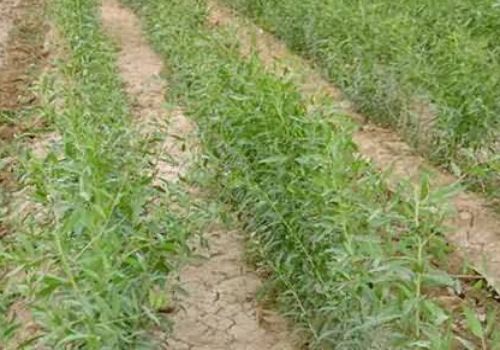
After the seeds emerge, promptly remove the covering grass and ground cover to avoid excessively high temperature burning the seedlings. When the seedlings grow to about 30 cm, carry out the first loosening of soil and weeding, and the weeds must be removed thoroughly. When side branches grow from the root part of the seedlings, promptly remove these side branches to avoid competing for soil and fertilizer and hindering the growth of the main branch. In May, the seedlings should be topdressed once to promote root growth. At this time, topdressing should be mainly phosphorus fertilizer supplemented by nitrogen fertilizer. Per mu, 10 kg of diammonium phosphate and 5 kg of urea can be applied, mixed and broadcast beside the plants. During the seedling stage, pest and disease control should be done well, and protective work should also be done during overwintering so that they overwinter safely, to be planted out in the following spring.
IV. Planting method
The planting time is generally mid-to-late March in spring. When lifting seedlings, keep the main root intact and injure the side roots as little as possible. After lifting, place the seedlings in a cool place. If they cannot be planted immediately, plant them in a temporary planting trench. Before planting, the seedlings should be pruned once: trim flat the roots injured during lifting and cut off branches and trunks killed by winter. Then soak them in diluted 1-naphthaleneacetic acid for 24 hours before planting. When planting, control the plant and row spacing at 1.5*2 m. Apply base fertilizer at the bottom of the planting hole, cover with a layer of topsoil, then place the seedling, cover with soil and firm it, and also water thoroughly once.
Summary: The above is the relevant introduction to goji berry cultivation methods. Growers can refer to the above goji berry cultivation methods when planting. I hope it is helpful to friends in need!
[Detailed explanation] Goji berry tree cultivation techniques
Goji berry leaves can be used in soup and brewed as tea, and goji berries have many health-care effects. Goji berry flowers are beautiful and alluring, elegant purple, sometimes light and sometimes deep, sometimes dark and sometimes bright. The lovely pink is like the faint blush on the face of a beautiful young girl. Goji berry is truly a rare treasure seldom seen in time; it is not only beautiful, but every part of it has its precious uses. To fully bring out the value of goji berry, the best quality seedlings must be grown. Next, the cultivation methods of the goji berry tree will be introduced to everyone.
Cultivation methods:
1. Direct seeding afforestation: two methods can be used, drilling or hole sowing. Sow from late March to April after the soil thaws in spring, the earlier the better. Sowing depth 1-3 cm. During the seedling stage, the aboveground part of goji berry is low and easily gnawed by livestock and pulled up by the roots, so grazing must be prohibited after sowing.
2. Seedling raising and transplanting: seedling raising can be carried out in all four seasons, but spring and autumn are better.
3. Cuttings and layering: goji berry has especially strong root sprouting ability. In both spring and autumn, cuttings and layering easily survive. You can take goji berry branches growing on waste slopes, soak them for 2-3 days, cut them into cuttings 0.5-1 cm thick and 30-50 cm long, and then insert them for cuttings.
4. Tillering propagation: in order to increase the coverage area, cut off the trunk above the root crown of 2-year-old goji berry, and many young branches will sprout the next year; or cut off the main root of goji berry, and many young branches will sprout from both cut ends of the main root, increasing coverage. The best time to cut the root is spring.
Cultivation techniques:
Seed propagation: select excellent varieties, using mature fruits that are large, brightly colored, and free of disease and insect spots. After picking in summer, soak in 30-60°C warm water, rub the seeds, wash them clean, and dry them in the shade for later use. Before sowing, mix evenly with wet sand (1:3), place at 20°C room temperature to germinate. When 30% of the seeds have sprouted white, or after soaking the seeds in clean water for a day and a night, sow. Spring, summer, and autumn can all be used for sowing, mainly spring sowing. Spring sowing is from late March to early April. Open furrows at 40 cm row spacing for drilling, depth 1.5-3 cm, cover with soil 1-3 cm. After the seedlings emerge, pay attention to irrigation according to soil moisture. When seedlings are 1.5-3 cm high, loosen the soil and weed once, and thereafter loosen the soil and weed once every 20-30 d. When seedlings are 6-9 cm high, thin the seedlings, with a plant spacing of 12-15 cm, leaving 150,000-180,000 plants per 1 hm2. Combined with irrigation, topdress 3 times in May, June, and July. To ensure seedling growth, promptly remove side buds growing on the part of young plants 40 cm above the ground. When seedlings are 60 cm high, pinch the tips to accelerate the growth of the main trunk and upper side branches. When the root is 0.7 cm thick, they can be lifted from the nursery for transplanting.
Cutting propagation: from excellent mother plants, collect lignified one-year-old branches with a thickness of 0.3 cm or more, cut them into 18-20 cm long cuttings, tie them into small bundles and stand them in a basin, soak in 100×10-6 α-naphthaleneacetic acid for 2-3 h, then insert them obliquely in furrows at a plant spacing of 6-10 cm, fill with soil and firm it.
Field management:
In May, June, and July, carry out intertillage and weeding once. From late October to early November, apply sheep manure, barnyard manure, cake fertilizer, etc. as base fertilizer. Topdressing can be applied with urea in May and phosphorus and potassium compound fertilizer in June-July. For young tree shaping, in the autumn of the same year after planting goji berry, select 3-5 strong-growing branches around the upper part of the main trunk as main branches, and cut them back at about 20 cm. In the second spring, when new branches emerge from these branches, cut them back at 20-25 cm as scaffold branches. In the 3rd and 4th years, following the method of the 2nd year, continue to use vigorous shoots on the scaffold branches to expand, heighten, and fill out the tree canopy framework. After 5-6 years of shaping and training, it enters the adult tree stage. For adult tree pruning, every spring cut dead branches, crossing branches, and root suckers; in summer remove dense growth and keep sparse growth, cutting away vigorous shoots, diseased and insect-damaged branches, and thorny branches. In autumn, carry out comprehensive pruning, tidy the tree canopy, and select and retain good fruiting branches. Pruning principles: remove old and keep new, remove diseased and keep healthy, remove weak and keep strong, so that fruiting branches are evenly distributed within the canopy. It is required to cultivate more fruiting branches and cut off non-productive branches.
Pest and disease control:
Diseases include goji berry black fruit disease, which damages flower buds, flowers, and green fruits. During the fruiting period, spray with 1:1:100 Bordeaux mixture; immediately after rain, spray 50% Tuzet wettable powder 600 times liquid, which has a better effect. For root rot, pour the roots with 50% Thiophanate 1000-1500 times liquid or 50% liquid or 50% carbendazim 1000-1500 times liquid. Pests include the goji berry fruit fly. Control can be done when overwintering adults emerge by scattering 50% Sevin powder 45 kg/hm2 on the ground of the goji orchard, removing maggot fruits and burying them deeply, or irrigating in autumn and winter or turning the soil to kill overwintering pupae in the soil. For the goji berry leaf beetle, irrigate and loosen the soil in spring to destroy overwintering sites and kill the insect source. In mid-April, scatter 5% Sevin powder on the ground of the goji orchard (1 kg mixed with 5-7 kg fine soil) to kill overwintering adults, and control with trichlorfon 800-**** times liquid. There are also goji berry aphids, goji berry gall mites, and other damage.
The goji berry tree is a multi-branched shrub plant of the genus Lycium in the Solanaceae family, and can reach more than 2 m when cultivated. It is distributed both domestically and abroad. The whole goji berry plant is a treasure. Li Shizhen of the Ming Dynasty recorded in "Compendium of Materia Medica": "In spring, pick goji berry leaves, called Tianjingcao; in summer, pick flowers, called Changshengcao; in autumn, pick fruits, called goji berries; in winter, pick roots, called Digupi." Tender goji berry leaves are also called goji berry tips and can be eaten or made into goji berry tea. Modern research shows that goji berries have the effect of lowering blood sugar, resisting fatty liver, and can resist atherosclerosis. In addition, goji berry can also be planted in gardens as hedges, grown as tree-stump bonsai, and used as a shrub for soil and water conservation, etc.
It is mainly distributed in China's Henan, Northeast China, Hebei, Shandong, Shanxi, Shaanxi, Ningxia, southern Gansu, eastern Qinghai, Inner Mongolia's Urad Front Banner, as well as the provinces and regions of Northwest, Southwest, Central China, South China, and East China; it is cultivated or has escaped to the wild in Korea, Japan, and Europe. It often grows on hillsides, wasteland, hilly land, saline-alkali land, roadsides, and beside villages and homes.
To grow goji berry trees of good quality, water supplementation, fertilizer management, and pest and disease control are all crucial at every step. Crop cultivation seems simple, but in practice many problems arise. In that case, you can consult relevant goji berry tree cultivation manuals and consult gardening and landscape professionals for help to solve the problems. It is worth noting that although goji berry has good health-care effects, you must also remember not to use too much.
Goji berry Lycium chinense Mill. Goji berry illustrated guide: how to grow goji berry / how to propagate goji berry
Goji berry profileGoji berry Lycium chinense Mill.
Goji berry cultivation methods and precautions; introduction to goji berry
Goji berry is mostly people's short name for the commercial goji berry fruit, the plant Ningxia goji berry, and Chinese goji berry. The goji berries people consume daily and use medicinally are mostly the fruit "goji berry" of Ningxia goji berry, and Ningxia goji berry is the only variety included in the "2010 edition of the Chinese Pharmacopoeia." At the same time, Ningxia goji berry also has the largest cultivation area in China. Ningxia goji berry is mainly distributed in Northwest China, while what is commonly seen in other regions is Chinese goji berry and its varieties.
If "goji berry" refers to the commercial product "goji berry fruit," it basically means the dried mature fruit sourced from Ningxia goji berry; if "goji berry" refers to wild goji berry plants in areas other than the northwest, it is basically the plant Chinese goji berry or northern goji berry. The fruit is called "goji berry fruit," and the tender leaves are called "goji berry tips." The common species is goji berry (Lycium chinense Miller), while the main medicinal species is Ningxia goji berry (Lycium barbarum L.). Goji berry has the effect of lowering blood sugar, resisting fatty liver, and can resist atherosclerosis.
Morphological characteristics of goji berry
(1) Deciduous shrub, the plant is relatively short, about 1 m tall. Branches slender, often curved at the tip, stems clustered with short thorns; leaves ovate-lanceolate, alternate or several clustered together; in summer and autumn, pale purple flowers bloom, one or two clustered; ovate red berries; flat kidney-shaped seeds. Trailing, stems relatively thin, outer bark gray, with short spines, borne in leaf axils, about 0.5-2 cm long. Leaves slightly smaller, ovate, ovate-whip-shaped, long elliptic, or ovate-lanceolate, 2-6 cm long, 0.5-2.5 cm wide, tip acute or obtuse, base narrowly cuneate, entire margin, hairless on both sides. Flowers purple, margin densely ciliate; calyx campanulate, 3-5 lobed; corolla tube and lobes equal in length, lower part of the tube abruptly constricted, then expanding upward into a funnel shape, both the tube and lobes relatively wide; stamens 5, inserted within the corolla, slightly shorter than the corolla, the anthers T-shaped, filaments usually exserted. Berry ovate or oblong, 10-15 mm long, 4-8 mm in diameter, seeds yellow. Flowering period June-September, fruiting period July-October.
(2) Chinese goji berry: multi-branched shrub, 0.5-1 m tall, can reach more than 2 m when cultivated; branches slender and weak, curved in a bow shape or drooping, pale gray, with longitudinal stripes, spines 0.5-2 cm long, the spines bearing leaves and flowers longer, branchlet tips sharply pointed and becoming spine-like. Leaves papery, or slightly thicker in cultivated plants, single leaves alternate or 2-4 clustered, ovate, ovate-rhombic, long elliptic, ovate-lanceolate, apex acute, base cuneate, 1.5-5 cm long, 0.5-2.5 cm wide, larger in cultivated plants, up to more than 10 cm long and up to 4 cm wide; petiole 0.4-1 cm long. Flowers solitary or paired in leaf axils on long branches, and on short branches clustered with leaves; pedicel 1-2 cm long, gradually thickening toward the tip. Calyx 3-4 mm long, usually 3-cleft or 4-5-toothed, lobes more or less ciliate; corolla funnel-shaped, 9-12 mm long, pale purple, tube abruptly enlarged upward, slightly shorter than or nearly equal to the limb lobes, 5-parted deeply, lobes ovate, apex rounded and obtuse, flat or slightly recurved outward, margin ciliate, base auricles conspicuous; stamens slightly shorter than the corolla, or exserted from the corolla due to the spreading corolla lobes, filaments near the base densely bearing a ring of down and interwoven into an elliptic tuft of hairs, and the inner wall of the corolla tube at the same height as the tuft also densely bears a ring of down; style slightly exserted beyond the stamens, upper end curved, stigma green. Berry red, ovate, in cultivated plants can become long oblong or long elliptic, apex acute or obtuse, 7-15 mm long, in cultivated plants up to 2.2 cm long, 5-8 mm in diameter. Seeds flat kidney-shaped, 2.5-3 mm long, yellow. Flowering and fruiting period June-November. (3) Ningxia goji berry: shrub, or large shrub formed by artificial pruning when cultivated, 0.8-2 m tall, in cultivated plants stem diameter up to 10-20 cm; branches fine and dense, mostly spreading and slightly ascending or bowed when wild, branchlets bowed and the canopy mostly round when cultivated, with longitudinal ridge lines, gray-white or gray-yellow, hairless and slightly glossy, with short spines that do not bear leaves and long spines that bear leaves and flowers. Leaves alternate or clustered, lanceolate or long elliptic-lanceolate, apex shortly acuminate or acute, base cuneate, 2-3 cm long, 4-6 mm wide, up to 12 cm long and 1.5-2 cm wide when cultivated, slightly fleshy, veins inconspicuous. Flowers on long branches 1-2 borne in leaf axils, on short branches 2-6 clustered with leaves; pedicel 1-2 cm long, gradually thickening toward the tip. Calyx campanulate, 4-5 mm long, usually 2-cleft, lobes with small pointed tips or apex further 2-3-toothed; corolla funnel-shaped, violet, tube 8-10 mm long, gradually expanding from lower part upward, distinctly longer than the limb lobes, lobes 5-6 mm long, ovate, apex rounded and obtuse, base auriculate, margin without cilia, flat when the flower opens; filaments of stamens slightly above the base and the inner wall of the corolla tube bear a ring of dense down; style, like the stamens, slightly exserted from the corolla because the corolla lobes are flat. Berry red, or also orange in cultivated types, pericarp fleshy, juicy, shape and size variable due to long-term artificial breeding or differences in plant age and habitat, broadly elliptic, oblong, ovate, or nearly spherical, apex with a short pointed tip or truncate, sometimes slightly concave, 8-20 mm long, 5-10 mm in diameter. Seeds often more than 20, somewhat kidney-shaped, flattened, brown-yellow, about 2 mm long. The flowering and fruiting period is relatively long, generally from May to October flowering while fruiting, and when picking the fruit, pick a batch when it ripens. Identification: Chinese goji berry and Ningxia goji berry are easily mistaken during identification. The leaves of Ningxia goji berry are usually lanceolate or long elliptic-lanceolate; the calyx is usually 2-cleft, and the lobe tips often have callose small pointed tips or each lobe tip has 2-3 small teeth; the corolla tube is distinctly longer than the limb lobes, and the lobe margins have no cilia; the fruit is sweet, without bitter taste; the seeds are relatively small, about 2 mm long. The leaves of goji berry are usually ovate, ovate-rhombic, long elliptic, or ovate-lanceolate; the calyx is usually 3-cleft or sometimes irregularly 4-5-toothed; the corolla tube is shorter than or nearly equal to the limb lobes, and the lobe margins have cilia; the fruit is sweet with a slightly bitter aftertaste; the seeds are relatively large, about 3 mm long.
Ecological habits of goji berry
Light-loving, slightly shade-tolerant, prefers a dry and cool climate, relatively cold-tolerant, highly adaptable, drought-tolerant, tolerant of alkaline soil, prefers loose, well-drained sandy loam, and avoids clay soil and low-humidity environments. It is not strict about soil requirements, tolerant of salinity and alkali, tolerant of fertilizer, drought-tolerant, and afraid of waterlogging. It is suitable for cultivation in fertile, well-drained neutral or slightly acidic light loam, and the salt content of saline-alkali soil must not exceed 0.2%. It is not suitable for cultivation in strongly alkaline soil, clay loam, paddy fields, or marshy areas.
Scientific name history of goji berryThe genus Lycium comes from the Greek word lykion, referring to a thorny plant found in the ancient city of Lydia in northwestern Turkey. The species epithet barbarum of Ningxia goji berry (Lycium barbarum L.) is explained in Latin as "medicinal." L. is the abbreviation of Carl von Linné. The species epithet chinense of Chinese goji berry (Lycium chinense Mill.) indicates that this species was discovered in China, first discovered in Taiwan, China, and is the same species as the most common goji berry in China, with an existing northern goji berry variety. Mill. is the abbreviation of the naming authority.Origin of the nameThe name goji berry first appeared in China's "Book of Songs" more than two thousand years ago. Li Shizhen, a pharmacologist of the Ming Dynasty, said: "Goji berry is the name of two trees. This plant has thorns like those of the gou tree and stems like the branches of the qi tree, hence the combined name." Daoist texts say: after a thousand years, the goji berry takes the shape of a dog, hence the name gou, but it is not known whether this is true. The Song says: there are three kinds of immortal staff: one is goji berry; one is a vegetable type, with leaves like bitter lettuce; one is the black color of a dead bamboo pole. "Wolfberry" is the most common English name for goji berry, and its origin is not very clear. Perhaps because the confused sound of its genus name Lycium is similar to Lycos, and Lycos means Wolf, it is called Wolfberry. Another English name, "Goji Berry," has been used since the 21st century, that is, as Chinese goji berry entered the international market and more and more Europeans recognized goji berry, so it comes from the pinyin of goji berry, gǒuqǐ.
Distribution areas of goji berry
Distributed throughout China, mainly produced in Ningxia, Hebei, Shandong, Jiangsu, Zhejiang, Jiangxi, Hubei, Sichuan, Yunnan, Fujian, and other provinces. Cultivated or escaped to the wild in Korea, Japan, and Europe. It often grows on hillsides, wasteland, hilly land, saline-alkali land, roadsides, and beside villages and homes. Famous production areas of Chinese goji berry are Ningxia and Qinghai. In China, in addition to being commonly wild, it is also cultivated in various places for medicinal use, vegetables, or landscaping. It grows on hillsides, field ridges, or hilly areas. Distributed in most parts of the country. Distributed in most parts of the country. The medicinal material is mainly produced in most parts of the country.
Chinese goji berry: distributed in China's Northeast, Hebei, Shanxi, Shaanxi, southern Gansu, as well as the provinces and regions of Southwest, Central China, South China, and East China; cultivated or escaped to the wild in Korea, Japan, and Europe. It often grows on hillsides, wasteland, hilly land, saline-alkali land, roadsides, and beside villages and homes. In China, in addition to being commonly wild, it is also cultivated in various places for medicinal use, vegetables, or landscaping. Ningxia goji berry: evolved from wild goji berry in Northwest China, and existing cultivated varieties can still become wild under suitable conditions. China's early medicinal goji berry was the product of collecting wild goji berry in the northwest region, and records of medicinal goji berry already existed in medical books of the Qin and Han periods. Sun Simiao, a famous physician of the early Tang Dynasty, said in "Supplement to the Thousand Ducat Formulas": goji berry "from Ganzhou (present-day Zhangye area of Gansu Province) is the true one, and the one with thick and large leaves is the best." Shen Kuo, a scientist of the Northern Song Dynasty, recorded in "Dream Pool Essays": "Goji berry, the one growing at the extreme border of Shaanxi, is more than a zhang tall... sweet and beautiful, different from those elsewhere." Some other species of Lycium are also often locally called goji berry, such as Yunnan goji berry (Lycium yunnanense Kuang) or cylindrical goji berry (Lycium cylindricum Kuang) and other local goji berry species. Because these species have narrow distribution ranges and are not easy to see, the ones seen more are still Chinese goji berry or Ningxia goji berry. Moreover, according to the distribution characteristics of the two goji berries, a simple judgment can also be made: if found in the eastern, central, or southern regions of China, it is basically Chinese goji berry or its variety; if found in the northwest, it is basically Ningxia goji berry or its variety.
Dietary therapy or medicinal value of goji berry
The medical information and health dietary therapy information on Hugarden are for reference only and cannot be used as a basis for diagnosis or medical treatment. Any health problem should be consulted with professional medical personnel, and treatment of any disease should follow medical advice.
Ultimate flower-protecting task: love yourself, start from reality, and strictly follow medical advice. Toward illness, do not be careless, do not delay, do not give up hope, face it bravely, use love to warm the silent world, and use your heart to care for the flower field within.
The medical content on Hugarden is for reference only,and cannot be regarded as professional advice. For any health problem, consult professional medical personnel.
[Medicinal parts] The leaves and root bark are used as medicine. Chinese medicine names: leaves: goji berry leaves; root bark: Digupi.
[Harvesting and processing] Goji berry leaves: pick from spring to early summer, wash clean, mostly used fresh. Digupi: dig the roots in early spring and late autumn, wash off the soil, peel off the bark, and dry in the sun. Or cut fresh roots into 6-10 cm long small sections, then split lengthwise to the xylem, place in a steamer and heat slightly, and when the bark is easy to peel off, take out and peel off the bark, and dry in the sun. [Main components] Digupi contains alkaloids such as betaine and kukoamine.
[Pharmacological effects] Digupi: blood pressure-lowering effect, antipyretic effect, blood sugar-lowering effect, etc.
[Nature, flavor, and functions] Goji berry leaves: bitter, sweet, cool. Digupi: sweet, cold. Goji berry leaves: tonify deficiency and benefit essence, clear heat and improve eyesight. Digupi: clear deficient heat, purge lung fire, cool blood. Nourish and tonify the liver and kidney, benefit essence and improve eyesight. Used for consumptive disease with essence depletion, soreness and weakness of the waist and knees, dizziness and tinnitus, internal heat and wasting-thirst, blood deficiency and sallow complexion, blurred vision.
[Indications and usage] Goji berry leaves: consumptive fever, excessive thirst, red eyes with pain and dimness, ocular obstruction and night blindness, abnormal uterine bleeding and leukorrhea, heat-toxin sores and swellings. Digupi: yin deficiency with consumptive heat, bone-steaming night sweats, infantile malnutrition with fever, lung heat with panting and cough, vomiting blood, epistaxis, blood in urine, wasting-thirst. Goji berry leaves: oral use: decoct in soup, fresh product 60-240 g; or cook and eat; or pound for juice. External use: appropriate amount, decoct in water and wash; or pound for juice and drip into the eyes. Digupi: oral use: decoct in soup, 9-15 g; large dose can use 15-30 g.
1. To treat children with excessive lung heat, rapid breathing, panting, and cough: Digupi and fried mulberry root bark one liang each, roasted licorice one qian. The above is chopped and scattered, add a pinch of japonica rice, two small cups of water, decoct to seven parts. Take before meals. (Key to Therapeutics of Children's Diseases - Xiebai Powder)
2. To treat corns: Digupi and safflower ground together into fine powder. Apply to the painful corn area, or also apply if it has suppurated; it will form a scab and heal the next day. (Renshu Brief Guide - Golden Lotus Steady Step Ointment)
Records in medical books
Li Shizhen of the Ming Dynasty recorded in "Compendium of Materia Medica": "In spring, pick goji berry leaves, called Tianjingcao; in summer, pick flowers, called Changshengcao; in autumn, pick fruits, called goji berries; in winter, pick roots, called Digupi."
The ancient medicinal book "Bencao Huiyan" states: "Goji berry can replenish qi, tonify blood, generate yang, grow yin, reduce fire, and remove wind-dampness; it has ten-perfect wonderful uses." Therefore it is often used as Chinese medicine. When used as Chinese medicine, its function is to nourish and tonify the liver and kidney, benefit essence, and improve eyesight. It mainly treats dizziness and dim vision, excessive tearing, kidney deficiency and waist soreness, etc. The root bark has blood pressure-lowering, fever-reducing, and antibacterial effects, functions to clear heat and cool blood, and reduce deficient heat, and mainly treats consumptive fever, blood in urine, etc.
Medicinal valueFruit (called goji berry fruit in Chinese medicine), medicinal functions are the same as Ningxia goji berry; root bark (called Digupi in Chinese medicine), has the effect of reducing fever and relieving cough.Main components:Goji berry fruit contains betaine, atropine, and gyoscyamine.Goji berry polysaccharides:Goji berry polysaccharide is a water-soluble polysaccharide and the most important active component in goji berry, with a relative molecular mass of 68-200, and has become a research hotspot at home and abroad. Among these, studies on the immune regulation and anti-tumor effects of goji berry polysaccharides are the most numerous. Many studies have now shown that goji berry polysaccharides have effects such as promoting immunity, anti-aging, anti-tumor, scavenging free radicals, anti-fatigue, anti-radiation, protecting the liver, and protecting and improving reproductive function.Betaine: chemical name 1-carboxy-N,N,N-trimethylaminoacetate inner salt, similar in chemical structure to amino acids, belonging to quaternary ammonium alkaloids. Betaine is one of the main alkaloids in goji berry fruits, leaves, and stems. Goji berry's effect on lipid metabolism or resistance to fatty liver is mainly caused by the betaine it contains, which acts as a methyl donor in the body. Research on goji berry betaine is limited to domestic studies on content determination, extraction technology, and physiological effects on the goji berry plant (enhancing salt tolerance); there is very little research on the pharmacology and efficacy of goji berry betaine.Goji berry pigments: Goji berry pigments are various coloring substances present in goji berry berries and are important physiologically active components of goji berry seeds. They mainly include -carotene, lutein, and other colored substances. The carotenoids contained in goji berry have very important medicinal value. Many studies have already proven that goji berry seed pigments have effects such as improving human immune function, preventing and inhibiting tumors, and preventing atherosclerosis. Carotene is the main active component of goji berry pigments and has important physiological functions such as antioxidation and serving as a synthetic precursor of vitamin A.Pharmacological effects: Has an effect on immune function.Nature and flavor: Goji berry fruit: sweet, neutral. Goji berry leaves: bitter, sweet; cool in nature.Functions:Goji berry fruit: nourish the liver, nourish the kidney, moisten the lungs. Goji berry leaves: tonify deficiency and benefit essence, clear heat and improve eyesight.
Medicinal use of goji berry fruit[Medicinal properties] Sweet, neutral. Enters the liver and kidney meridians.
[Efficacy] Tonify the kidney and benefit essence, nourish the liver and improve eyesight, tonify blood and calm the spirit, promote body fluids and quench thirst, moisten the lungs and relieve cough.
[Indications] Treats liver and kidney yin deficiency, soreness and weakness of the waist and knees, dizziness, blurred vision, dim eyes with excessive tears, consumptive cough, wasting-thirst, and spermatorrhea. ① Tao Hongjing: "Tonifies essence and qi, strengthens the vaginal tract." ② "Discussion of Medicinal Properties": "Can tonify all deficiencies of essence, change complexion, turn white, improve eyesight, and calm the spirit." ③ "Dietary Materia Medica": "Strengthens tendons and resists aging, removes wind, tonifies tendons and bones, can benefit people, and removes consumptive disease." ④ Wang Haogu: "Mainly treats heart disease with dry throat, heart pain, thirst with desire to drink, and kidney disease with wasting-thirst." ⑤ "Compendium of Materia Medica": "Nourishes the kidney, moistens the lungs, and improves eyesight." ⑥ "Bencao Shu": "Treats liver wind and blood deficiency, red painful itchy eyes with dim ocular obstruction. Treats stroke dizziness, consumptive disease, various bleeding syndromes, coughing blood, flaccidity, syncope, contracture, wasting malaria, damage from dryness, spermatorrhea, red and white turbidity, beriberi, and crane-knee wind."
[Applications] Liver and kidney yin deficiency and premature aging syndromes. This product can nourish the yin of the liver and kidney and is a neutral tonic for kidney essence and liver blood. It is quite commonly used in formulas for vision decline, internal ocular obstruction and dim vision, dizziness, soreness and weakness of the waist and knees, spermatorrhea and slippery emission, deafness, loose teeth, premature graying of beard and hair, insomnia and frequent dreaming, as well as liver and kidney yin deficiency, tidal fever and night sweats, wasting-thirst, and other syndromes caused by insufficient essence and blood. It can be used alone, or combined with products that tonify the liver and kidney and benefit essence and blood. For example, in "Shoushi Baoyuan," goji berry paste is made by boiling this product alone; Qibao Meiran Dan ("Jishantang Formula") uses it together with Huainiuxi, dodder seed, fleeceflower root, and other products. Because it can also improve eyesight, it is especially often used for dry eyes and internal ocular dim vision due to liver and kidney yin deficiency or essence depletion and blood deficiency, often together with prepared rehmannia, cornus, Chinese yam, chrysanthemum, and other products, such as Qiju Dihuang Wan ("Medical Grades").
[Usage and dosage] Oral use: decoct in soup, 2-4 qian; boil into paste, steep in wine, or make into pills or powders.
[Summaries from ancient texts] 1. "Collected Commentaries on the Materia Medica": "Tonifies essence and qi, strengthens the vaginal tract."
2. "Discussion of Medicinal Properties": "Tonifies essence and all deficiencies, changes complexion, turns white, improves eyesight... makes people long-lived."
3. "Bencao Jingshu": "It is a key medicine for tonifying true yin insufficiency of the liver and kidney and internal heat due to taxation and exhaustion... Therefore those who take it as food regard it as a top-grade product for benefiting essence and improving eyesight."
[Modern research]
1. Chemical components: This product contains betaine, polysaccharides, crude fat, crude protein, thiamine, riboflavin, nicotinic acid, carotene, ascorbic acid, nicotinic acid, β-sitosterol, linoleic acid, trace elements, amino acids, and other components.
2. Pharmacological effects: Goji berry fruit promotes immunity and also has immunoregulatory effects; it can increase blood testosterone levels and has a strengthening effect; it promotes hematopoietic function; it also has a significant leukocyte-raising effect in normal healthy people; it also has anti-aging, anti-mutation, anti-tumor, blood lipid-lowering, liver-protecting and anti-fatty liver, blood sugar-lowering, and blood pressure-lowering effects.
3. Clinical research: It is reported that goji berry fruit was washed, dried, and crushed; 20 g daily, chewed on an empty stomach in 2 divided doses, with 2 months as one course of treatment, for treating chronic atrophic gastritis, with a certain efficacy (Journal of Traditional Chinese Medicine, 1987, 2:12); using goji berry fruit, glossy privet fruit, and brown sugar to make granules, taken orally 30 minutes after meals, twice a day, with 4-6 weeks as one course of treatment, has a certain effect on treating hyperlipidemia (China Journal of Chinese Materia Medica, 1991, 6:372); this product is also reported for treating male infertility, chronic hepatitis, obesity, alopecia areata, and other diseases.
Goji berry leaves[Synonyms] Dixianmiao ("Rihua Zi Materia Medica"), beet ("Bencao Tujing"), goji berry tips ("Southern Yunnan Materia Medica"), Tianjingcao ("Baoshoutang Experiential Formulas"), goji berry seedlings ("Compendium of Materia Medica"), goji berry vegetable ("Essential Materia Medica of Fresh Herbs"), goji berry tips ("Jiangsu Plant Medicine Record").
[Source] The tender stems and leaves of the Solanaceae plant goji berry or Ningxia goji berry.
[Collection] Harvest in spring and summer.
[Chemical components] Japanese-produced goji berry leaves contain betaine, rutin, vitamin C, β-sitosterol-β-D-glucoside, and a thiamine inhibitor (this inhibitory effect can be eliminated by cysteine and vitamin C); the hot water extract of dried leaves contains inosine, 6-oxypurine, cytidylic acid, uridylic acid, a very small amount of succinic acid, pyroglutamic acid, oxalic acid, and large amounts of glutamic acid, aspartic acid, proline, serine, tyrosine, and arginine.
[Nature and flavor] Bitter and sweet, cool.
① "Discussion of Medicinal Properties": sweet in flavor, neutral.
② "Qianjin Shizhi": bitter in flavor, neutral, astringent, non-toxic.
③ "Compendium of Materia Medica": bitter and sweet, cool.
[Meridian entry] "Yaoyao Fenji": enters the heart, lung, spleen, and kidney four meridians.
[Functions and indications - efficacy of goji berry leaves] Tonify deficiency and benefit essence, clear heat, quench thirst, dispel wind and improve eyesight. Treats consumptive fever, excessive thirst, red eyes with pain and dimness, ocular obstruction and night blindness, abnormal uterine bleeding and leukorrhea, heat-toxin sores and swellings.
① "Discussion of Medicinal Properties": Can tonify all deficiencies of essence, change complexion, turn white, improve eyesight, and calm the spirit. When made into soup with mutton, it benefits people, greatly removes wind, and improves eyesight; if thirsty, it can be boiled into a drink and taken instead of tea; for fever with various toxins and restlessness, it can be boiled alone into juice to relieve it, and can eliminate heat and facial toxin; for eye wind obstruction with red membrane and dim pain, take the leaves, pound them into juice, and drop into the eyes.
② "Dietary Materia Medica": Strengthens tendons and resists aging, removes wind, tonifies tendons and bones, can benefit people, and removes consumptive disease.
③ "Rihua Zi Materia Medica": Removes restlessness and benefits the will, tonifies the five taxations and seven injuries, strengthens heart qi, removes wind between the skin and bones and joints, eliminates heat toxin, and dissipates sores and swellings.
④ "Compendium of Materia Medica": Removes guest heat from the upper jiao heart and lungs.
⑤ "Essential Materia Medica of Fresh Herbs": Improves eyesight, benefits kidney deficiency, calms the fetus and relaxes the middle, reduces fever, and treats women's abnormal uterine bleeding.
⑥ "Bencao Fengyuan": Can reduce fire and clear the head and eyes.
[Usage and dosage] Oral use: decoct in soup, fresh 2-8 liang; cook and eat or pound for juice. External use: decoct in water and wash or pound for juice and drip into the eyes.
[Cautions] "Discussion of Medicinal Properties": Incompatible with cheese.
[Selected formulas]
① To treat the five taxations and seven injuries and weakened sexual function: goji berry leaves half a jin (cut), japonica rice two ge. Mix the above with fermented soybean juice, cook into porridge, and eat it mixed with five-flavor powder, scallion white, etc. ("Sheng Hui Fang" Goji Berry Porridge Formula)
② To treat decline of yang qi, waist and foot pain, and the five taxations and seven injuries: goji berry leaves one jin, sheep kidney one pair (finely cut), rice three ge, scallion white fourteen stalks. Finely cut the above four ingredients, add five flavors and cook porridge as usual, and eat on an empty stomach. ("Shengji Zonglu" Goji Berry and Sheep Kidney Porridge)
③ To treat acute conjunctivitis: goji berry leaves two liang, one egg. Add a little seasoning, cook soup and eat, once daily. (Guangxi "Collection of Prescriptions for New Medical Methods with Chinese Herbal Medicine")
④ To treat dry and painful eyes with accompanying ocular obstruction: goji berry leaves two liang, plantain leaves two liang. Rub the above medicines until juice is about to come out, then separately take large mulberry leaves three liang, wrap them again, suspend in a shady place, and after one night, gently press to extract the juice and apply it to the eyes; it will heal after no more than three to five times. ("Sheng Hui Fang" Goji Berry Juice Eye-Drop Formula)
⑤ To treat decreased vision and night blindness: goji berry vegetable two liang, Bingmao grass one liang, yeming sand three qian, pig liver four liang. Decoct in water and take. ("Luchuan Materia Medica")
⑥ To treat inflamed and swollen hemorrhoids: fresh goji berry stems and leaves one handful. Decoct in water for fumigation and washing. ("Fujian Folk Herbal Medicine")
⑦ To treat leukorrhea in young women: goji berry tips as a vegetable, stir-fried with eggs. ("Southern Yunnan Materia Medica")
Goji berry teaEfficacy: Used for consumptive disease with depletion of essence, soreness and weakness of the waist and knees, dizziness and tinnitus, internal heat with wasting-thirst, blood deficiency with sallow complexion, and blurred vision. The stems and leaves have the effect of clearing heat and quenching thirst, and can treat eye diseases and hypertension; the fruit has the effect of nourishing and brightening the eyes. Goji berries have the effects of nourishing kidney water, boosting vital essence, moistening the lungs, clearing liver heat, and brightening the eyes. They mainly treat depletion and consumptive injury, cough, red eyes with corneal opacity, tearing due to liver deficiency, and dull pain in the meridians and collaterals due to deficiency. Goji berries can prevent arteriosclerosis and aging; they also have the effect of warming the body. Their astonishing therapeutic effect is admirable! Goji berry is a plant with strong vitality and energy, very suitable for eliminating fatigue. It can promote blood circulation, prevent arteriosclerosis, and also prevent the accumulation of fat in the liver; in addition, the various vitamins, essential amino acids, and linoleic acid contained in goji berries work comprehensively, which can further promote body metabolism and also prevent aging. Goji berry tea is actually a traditional Chinese medicine. If a person has not had a bowel movement for three consecutive days, they should buy some goji berry tea that is not particularly bitter and drink it, because goji berries can pick out the stale feces attached to the intestinal wall. Goji berries can be divided into three parts for use: goji leaves can be used to brew "goji tea" for drinking; the red fruit "goji berry" can be used in cooking or to brew tea; the goji root, also called "digupi", is generally used as a medicinal material, so it truly deserves to be called making full use of everything. Moreover, long-term consumption of goji berries or drinking goji berry tea will not have side effects. Its medicinal effects are very broad, with effects such as reducing fever, treating diabetes, and relieving cough and resolving phlegm, while drinking decocted goji root can lower blood pressure: as for goji berry tea, it has the effects of treating constitutional deficiency-cold, cold sexual desire, strengthening the stomach, liver and kidney diseases, pulmonary tuberculosis, constipation, insomnia, low blood pressure, anemia, various eye diseases, hair loss, oral inflammation, and skin care, among various diseases. However, because goji berries have a fairly strong effect of warming the body, people with hypertension, people with too irritable a temperament, or people whose faces flush red due to usually consuming large amounts of meat had best not eat them. On the contrary, people with weak constitution, who often catch colds, and who have poor resistance had best eat them every day. Goji berries nourish the liver and kidneys, boost essence, and brighten the eyes.
Precautions: People with hypertension or too irritable a temperament should eat them sparingly.
Suitable pairings: Gongju chrysanthemum, honeysuckle, red dates, boat-fruited sterculia seed, lotus plumule, American ginseng, dried tangerine peel, rock sugar.
Brewing method:
1. Method for making goji eight-treasure tea: Take 2 Gongju chrysanthemum flowers, 8 honeysuckle flowers, 1 red date, 1 boat-fruited sterculia seed, 8 lotus plumules, 5 goji berries, 1 slice of American ginseng, 2 pieces of dried tangerine peel, and an appropriate amount of rock sugar, brew with boiling water, and drink as tea. This is the amount for one day and can be brewed repeatedly. Eight-treasure tea not only has a certain auxiliary effect on stabilizing blood pressure, but can also promote fluid production and moisten the lungs.
2. Ingredients: a small handful of goji berries, 3 to 4 red dates. Method: Put a small handful of goji berries and red dates directly into a large cup, brew with boiling water and drink, or boil in a pot with water and drink. Reminders: a. If dry mouth and tongue are very severe or internal heat is very strong, add 1 to 2 chrysanthemum flowers and brew together. b. When brewing, do not drink immediately after pouring in the hot water; let it steep to release the flavor first, and the effect will be better. c. The red dates can be cut open first.
3. Chrysanthemum goji tea is actually not tea; it is simply brewed and drunk like tea using chrysanthemum and goji berries. The chrysanthemum should be Hangzhou chrysanthemum. Aunt Wang grows Hangzhou chrysanthemum in her courtyard; when autumn comes, she picks them, dries them in the sun, and keeps them for later use. For goji berries, buy Ningxia goji berries, small in size and bright red. Each time use 10 grams of Hangzhou chrysanthemum and 10 grams of goji berries, put them into a large teapot, add hot boiling water, and they can be drunk after 10 minutes.
How to eat goji berries
1. Snack: The goji berries generally sold in supermarkets are dried products made from goji fruit. Ningxia produces the best quality goji berries, both red and large. Local people prefer to buy them as snacks, eating them casually by the handful like raisins. In fact, raw goji berries taste quite good, but you should not eat too many, otherwise it is easy to get internal heat.
2. Medicinal liquor: Drinking liquor infused with goji berries has the effect of enhancing cellular immunity, can promote hematopoietic function, and can also resist aging, protect the liver, and lower blood sugar, and can produce certain therapeutic effects on decreased vision, dizziness, and blurred vision.
3. Homemade chrysanthemum goji tea: one black tea bag, a small pinch of goji berries, 3 to 5 chrysanthemum flowers. Put the above ingredients into a preheated cup, add boiling water, and steep for 10 minutes before drinking. Effects: Both chrysanthemum and goji berries have health benefits such as brightening the eyes, nourishing the liver, benefiting blood, lowering blood sugar and blood pressure, resisting aging, preventing wrinkles, and securing vital essence. Suitable for people with heavy workloads who have to face computers for long periods.
Do not consume excessively
Now, many animal experiments on the toxicity of goji berries have proved that goji berries are a very safe food, contain no toxins at all, and can be consumed long term. But no tonic should be consumed excessively, and goji berries are no exception. Generally speaking, it is more appropriate for a healthy adult to eat about 20 grams of goji berries per day; if you want a therapeutic effect, it is best to eat about 30 grams per day.
Chewing them directly works better
When brewing goji berries in water or making soup, their medicinal effects cannot be fully released. Due to factors such as water temperature and soaking time, only part of the medicinal components in goji berries can be released into the water or soup. Chewing them directly with the mouth allows more complete absorption of the nutritional components in goji berries and is more conducive to exerting their health effects. But when chewing goji berries, note that it is best to halve the amount eaten, otherwise it is easy to over-nourish.
Who is most suited to eat goji berries
The people most suited to eating goji berries are those with weak constitution and poor resistance. Moreover, you must persist long term and eat a little every day to see results. People with weak spleen and stomach with cold-dampness or diarrhea; and those with externally contracted heat pathogen, etc., must not eat goji berries, otherwise it will make things worse. Goji berries have a fairly strong effect of warming the body, so people who are currently having a cold and fever, have inflammation in the body, or have diarrhea had best not eat them.
Goji berries can be taken in all four seasons
Goji berries can be taken in all four seasons. In spring, all things revive, and the body's yang qi gradually rises. Goji berries are sweet in flavor and mildly tonifying; in spring they can be taken alone or together with mildly sweet and slightly warm items to help the yang qi rise, such as astragalus.
In summer, it is suitable to brew as tea, but it is best to brew and drink it in the afternoon, which can improve constitution and help sleep. But note that goji berry tea should not be paired with green tea; it is suitable to brew with Gongju chrysanthemum, honeysuckle, boat-fruited sterculia seed, and rock sugar, and is especially suitable for computer workers who overuse their eyes.
In the scorching summer, people always long for a pot of sweet, cool tea to dispel the summer heat. Goji berries are sweet in flavor; if combined with chrysanthemum, honeysuckle, green tea, etc., drinking it feels refreshing and pleasant. Especially when combined with chrysanthemum, it can nourish yin and brighten the eyes and clear liver fire.
Autumn is dry, and people always feel dry mouth and cracked lips and flaky skin. In this season, eating goji berries needs to be paired with moisturizing foods, such as snow pear, Sichuan fritillary, lily bulb, and fragrant solomonseal rhizome, for better effects. Of course, it can also be paired with some sour foods, such as hawthorn, to achieve the effect of "sour and sweet transforming yin."
In winter, people wrap themselves in thick cotton clothes to help their own yang qi resist the cold. Goji berries can mildly tonify yang qi, and taking them every day, especially in combination with mutton, cistanche, morinda root, and Jinkui Shenqi pills, helps the body's yang qi grow and resist the severe cold of nature. In winter, goji berries are also suitable for cooking congee, and they can be paired with various congees. Goji corn soup is fresh, fragrant, and delicious, with a beautiful color.
Drinking goji water - the secret to longevity of the ancients
Li Qingyun (1677-1933) lived to the age of 256. He was a scholar of traditional Chinese medicine in the late Qing dynasty and early Republic of China, and also a world-famous long-lived elder. At the age of 100, he received a special government award for his outstanding achievements in traditional Chinese medicine and Chinese materia medica. At the age of 200, he still often went to universities to lecture. During this period, he received visits from many Western scholars. Li Qingyun married 24 wives in his lifetime and had many children and grandchildren. He believed there were three reasons for his health and longevity: first, long-term vegetarianism; second, a calm and cheerful mind; third, boiling goji berries in water and drinking it as tea year round.
After medical researchers in Britain and France received this news, they conducted in-depth research on goji berries and found that goji berries contain a vitamin never seen before, which they named "vitamin X", also called the "youth-preserving vitamin." Animal experiments confirmed that goji berries have effects such as inhibiting the accumulation of fat within fibers, promoting the regeneration of liver cells, and lowering blood sugar and cholesterol. The rejuvenating effects of goji berries are shown as: activating and regenerating brain cells and endocrine glands, enhancing hormone secretion, and clearing toxins accumulated in the blood, thereby maintaining the normal functions of tissues and organs throughout the body.
Goji berry, also known as qizi, blood fruit, tianjing, and dixian, is the mature fruit of the Solanaceae plant goji (Lycium), and because it has anti-aging and life-prolonging effects, physicians of past dynasties also called it "quelao." People have always used it as a fine tonic for nourishing and prolonging life.
The disease-removing and life-prolonging effects of goji berries have a long history. As early as the oracle bone inscriptions of the Yin dynasty and the Classic of Poetry and Classic of Mountains and Seas, they were recorded. The Shennong Bencao Jing says that "taken long term, it strengthens sinews and bones, lightens the body and prevents aging, and endures cold and heat." The Yaoxing Lun says it "tonifies all deficiencies of vital essence, improves complexion, turns white [hair] dark, brightens the eyes and calms the spirit, and makes people long-lived." The Bencao Huiyan records: "It can make qi replenished, blood nourished, yang generated, yin grown, fire reduced, and wind-dampness removed. It has the wondrous use of perfect completeness." The Tang dynasty poet Liu Yuxi highly praised goji berries and wrote the poem "Goji Well" in praise: "The monk's medicinal tree leans by the cold well, the well has clear spring and the medicine has spirit. Emerald-black leaves grow, canopied without care, deep red fruits ripen and shine on the bronze bottle. Its luxuriant branches are originally the immortal's staff, its old roots can form an auspicious dog shape. Its top-grade function has the taste of sweet dew, and even a spoonful can prolong life."
Goji berries are neutral in nature and sweet in flavor, with the effects of tonifying vital essence, strengthening sinews and bones, nourishing the liver and kidneys, stopping wasting-thirst, brightening the eyes, and resisting aging. Used to treat disease, they can treat hypertension, diabetes, cataracts, pulmonary tuberculosis, chronic hepatitis, impotence, seminal emission, and other diseases. Used to tonify deficiency and prolong life, they are suitable for symptoms such as physical weakness and waist soreness, senile blurred vision, neurasthenia, and deficiency irritability and insomnia.
Goji berries have a far-reaching reputation and long ago attracted the attention of the medical circles at home and abroad. In particular, researchers in the pharmacology of traditional Chinese medicine carried out relatively early research on the main components and immunopharmacology of goji berries. Modern results show that goji berries contain at least: 5 alkaloids mainly including betaine, dozens of sterol compounds, 16 trace elements, multiple vitamins (carotene is almost the highest in content among all foods), 3 fatty acids, and 16 amino acids. A large amount of water-soluble polysaccharides. The main component of goji polysaccharide is proteoglycan, which is one of the main material bases for goji berries' ability to tonify deficiency and support the healthy qi. It can significantly improve the body's immune function and can also fairly comprehensively promote the function of the bone marrow hematopoietic system. It can inhibit the formation of lipid peroxides in liver tissue in the body, reduce lipofuscin deposition, promote the proliferation response function of lymphocytes, has an anti-aging effect, and can also improve the body's anti-tumor ability.
According to recent research by British scientists, natural beta-carotene can resist aging, resist cancer, and prevent skin damage from sunlight. Scientists have determined that free radicals are inert factors produced by human metabolism and are active agents in body aging and carcinogenesis. Beta-carotene can eliminate and clear the malignant effects of free radicals, and is therefore a relatively ideal dietary factor for delaying aging. Scientific research proves that if the diet contains a large amount of carotene, the incidence of certain cancers can be greatly reduced, especially cancers of the oral cavity, lungs, prostate, skin, and liver. At the same time, beta-carotene can also enhance the function of the human immune system.
Research by the Chinese Academy of Medical Sciences has confirmed that goji berries can improve human immunity, can reduce the toxic side effects of cyclophosphamide in anti-tumor treatment, promote the recovery of hematopoietic function, raise the number of white blood cells in peripheral blood, and produce a protective effect on the body. In addition, goji berries can inhibit the deposition of fat in liver cells, prevent fatty liver, promote the regeneration of liver cells, and can also inhibit the activity of monoamine oxidase. Monoamine oxidase is a type of enzyme widely present in different animal tissues such as blood plasma, brain, and liver, and has the effect of catalyzing the oxidative deamination of monoamines. An increase in monoamine oxidase activity is one of the reasons for accelerated body aging. Goji berries also have the effect of lowering blood sugar and blood lipids. Discussed from the two aspects of immune theory and anti-free-radical theory, goji berries' delaying of aging has a more scientific basis, laying a solid foundation for people to make better use of goji berries in the future to prolong life.
There are many ways and methods of taking goji berries to prolong life and prevent aging. Thousands of years of food therapy and dietary therapy culture have bred many dosage forms of medicinal prescriptions with goji berries as the main drug. The following lists some practical, simple, and easy-to-learn medicinal diet formulas for readers.
Grass dragon pearl honey goji berries: 20 grams each of goji berries and longan aril, 50 grams of raisins, 20 grams of honey, and 200 grams of pineapple. Rinse all the above with clean water, put into a small bowl, add honey and an appropriate amount of water, and steam in a steamer for 20 minutes. Taken regularly, it prolongs life, enriches healthy qi, and tonifies qi and nourishes blood.
Goji loquat paste: 50 grams each of goji berries, loquat fruit, black sesame, and peach kernel, and an appropriate amount of honey. Chop the loquat fruit and peach kernel, wash the goji berries and black sesame, soak in water, and put into a pot. Bring to a boil over high heat, then simmer over low heat for 20 minutes. Take the decoction once, add water and boil again, collecting liquid 3 times in total. Combine the decoctions, concentrate over low heat into a paste, add an equal amount of honey to form it, cool, and bottle for later use. It benefits the lungs and kidneys, tonifies deficiency, calms asthma and cough, and moistens dryness. Used for patients with advanced lung cancer who are weak and those with frail constitution.
Edible valueThe tender leaves can be used as a vegetable. In Guangdong, Guangxi, and other places, goji sprout vegetables are already very popular, and goji sprout vegetables can be bought in vegetable markets, but in the south they are basically Chinese wolfberry (Lycium chinense), not Ningxia goji (Lycium barbarum). In Ningxia and other northwestern regions, using goji tender leaves as a vegetable is relatively uncommon. Goji berries are listed by the Ministry of Health as a "medicinal and edible" variety, and goji berries can be processed into various foods, beverages, health liquors, health products, and so on. Goji berries are also often added when making soup or cooking congee. The seed oil can be made into lubricating oil or edible oil, and can also be processed into health products and goji berry oil.
Landscape uses and forestry value of goji berriesBecause it is drought-tolerant, it can grow in sandy land, so it can be used as a shrub for soil and water conservation, and because it is salt-alkali tolerant, it becomes a pioneer tree for afforestation of saline-alkali land. [11-14]Ornamental valueNingxia goji (Lycium barbarum) has a graceful tree form, emerald-green leaves, light purple flowers, and bright red fruit, and is a very good ornamental bonsai plant. Some ornamental cultivation of goji berries already exists, but because it is cold-tolerant and drought-tolerant but not waterlogging-tolerant, it is very difficult to grow Ningxia goji in the rainy and waterlogged regions south of the Yangtze River.
Harvesting and processing of goji berries
Goji berries: From June to November the fruits ripen red successively and must be harvested in batches. Quickly spread the fresh fruits on reed matting, with a thickness not exceeding 3 cm, generally 1.5 cm is appropriate, and place in a cool place to air-dry until the skin wrinkles, then sun-dry until the fruit skin becomes hard and the flesh soft, then remove the fruit stalk and sun-dry again. Goji leaves: Harvest from spring to early summer, wash, and mostly use fresh.
Variety classification of goji berries
Species related to goji (Lycium chinense Mill.) include: yellow-fruited goji (variety) (Lycium barbarum L. var. auranticarpum K. F. Ching var. nov.), Ningxia goji (original variety) (Lycium barbarum L. var. barbarum.), goji (original variety) (Lycium chinense Mill. var. chinense), northern goji (variety) (Lycium chinense Mill. var. potaninii (Pojark.) A. M. Lu), cylindrical-tube goji (Lycium cylindricum Kuang), **goji (Lycium dasystemum Pojark.)**, goji (original variety) (Lycium dasystemum Pojark. var. dasystemum), red-branched goji (variety) (Lycium dasystemum Pojark. var. rubricaulium A. M. Lu var. nov.), black-fruited goji (Lycium ruthenicum Murr.), truncated-calyx goji (Lycium truncatum Y. C. Wang), Yunnan goji (Lycium yunnanense Kuang)
Propagation methods of goji berriesPropagated by seed or by cuttings.
Seed propagation: Select excellent varieties, using mature fruits that are large, brightly colored, and free of disease and insect spots. After harvesting in summer, soak in 30-60°C warm water, rub the seeds, wash them, and dry them for later use. Before sowing, mix evenly with wet sand (1:3), place at 20°C room temperature to germinate, and when 30% of the seeds have sprouted white, or after soaking the seeds in clean water for a day and a night, sow them. Sowing can be done in spring, summer, or autumn, mainly in spring. For spring sowing, from late March to early April, open furrows at a row spacing of 40 cm for drilling, with a depth of 1.5-3 cm, cover with soil 1-3 cm, and after the seedlings emerge, pay attention to irrigation according to soil moisture. When the seedlings are 1.5-3 cm tall, loosen the soil and weed once, and thereafter loosen the soil and weed once every 20-30 d. When the seedlings are 6-9 cm tall, thin the seedlings, with a plant spacing of 12-15 cm, leaving 150,000-180,000 plants per 1 hm2. Combined with irrigation, apply fertilizer 3 times in May, June, and July. To ensure seedling growth, promptly remove the lateral buds growing on young plants 40 cm above the ground. When the seedlings are 60 cm tall, pinch the tips to accelerate the growth of the main trunk and upper lateral branches. When the root is 0.7 cm thick, they can be lifted from the nursery and transplanted.
Cutting propagation: From excellent mother plants, collect lignified one-year-old branches with a thickness of 0.3 cm or more, cut them into 18-20 cm long cuttings, tie them into small bundles, stand them upright in a basin, soak in 100×10-6 α-naphthaleneacetic acid for 2-3 h, then insert the cuttings obliquely into furrows at a plant spacing of 6-10 cm, and firm the soil.
Field management
In May, June, and July, cultivate and weed once. From late October to early November, apply sheep manure, barnyard manure, cake fertilizer, etc. as base fertilizer; for topdressing, apply urea in May and phosphorus and potassium compound fertilizer in June and July. For shaping young trees, in the autumn of the same year after planting goji berries, select 3-5 thick, robust branches around the upper part of the main trunk as main branches, and cut them back at about 20 cm. In the second spring, when new branches emerge on these branches, cut them back at 20-25 cm as scaffold branches. In the 3rd and 4th years, following the method of the 2nd year, continue to use the water sprouts on the scaffold branches to expand, heighten, and fill out the tree crown framework. After 5-6 years of shaping and training, it enters the mature tree stage. For pruning mature trees, every spring cut dead branches, crossing branches, and root suckers; in summer, remove dense growth and keep sparse growth, and cut away water sprouts, diseased and insect-damaged branches, and thorny branches. In autumn, carry out comprehensive pruning, tidy the tree crown, and select and retain good fruiting branches.
Disease control of goji berries
Diseases include goji black fruit disease, which damages flower buds, flowers, and green fruits. During the fruiting period, spray with 1:1:100 Bordeaux mixture; immediately after rain, spray 50% Tuzet wettable powder 600 times dilution, which is more effective. For root rot, pour 50% thiophanate 1000-1500 times dilution or 50% solution or 50% carbendazim 1000-1500 times dilution at the roots. Insect pests include the goji fruit fly. For control, when overwintering adults emerge, scatter 50% Sevin powder 45 kg/hm2 on the ground of the goji orchard, remove maggot-infested fruits and bury them deeply, and in autumn and winter irrigate or turn the soil to kill overwintering pupae in the soil. For the goji leaf beetle, in spring irrigate and loosen the soil to destroy overwintering sites and kill the source of insects. In mid-April, scatter 5% Sevin powder on the ground of the goji orchard (1 kg mixed with 5-7 kg fine soil) to kill overwintering adults, and control with trichlorfon 800-**** times dilution. There are also damage from goji aphids, goji gall mites, and others.
Goji mold spot disease
Disease characteristics: Mainly damages leaves. Chlorotic yellow spots appear on the leaf surface, and nearly circular mold spots appear on the back, with the edges not changing color. Several mold spots merge into patches, or the mold spots are densely distributed so that the entire leaf back is covered with mold-like material, ultimately causing the whole leaf to turn yellow or dry up, and the fruit to shrivel and be unfit to eat.
Disease pattern: In northern China, it overwinters as mycelium and conidial clusters on diseased leaves or in the soil with diseased residues. Primary infection and reinfection are carried out by conidia, which spread by airflow and rain splashes. In the south, in areas where goji berries are planted year round in the field, the pathogen spores cause damage in repeated cycles with no obvious overwintering period. Warm, stuffy, and humid weather makes outbreaks likely.
Control methods: (1) Regularly spray foliar fertilizer to promote rooting and strengthen seedlings. (2) At the initial stage of disease, begin spraying 0.5:1:100 Bordeaux mixture or 70% thiophanate-methyl wettable powder 1000 times dilution, once every 7-10 days, for 3-4 consecutive treatments.
Goji powdery mildew
Disease characteristics: Goji powdery mildew mainly damages leaves. Nearly circular white powdery spots appear on both the front and back of the leaves, then expand, and the whole leaf is covered by white powder. Later, some small black particles are produced in the diseased areas, and the leaves wither and die early.
Disease pattern: This disease is a fungal disease, and the pathogen is Podosphaera macularis. The pathogen overwinters in the soil as cleistothecia with diseased residues. When conditions are suitable the following spring, the cleistothecia release ascospores for primary infection. After disease onset, a large number of conidia are produced, which can spread by airflow and carry out multiple reinfections. In late autumn, cleistothecia form and overwinter in this way. When the temperature is around 23°C, with little rain, high humidity, and closed, light-blocking conditions, it is prone to occur.
Control methods: (1) After harvest, promptly deal with diseased residues, maintain suitable density, and when necessary prune and thin branches to facilitate ventilation and light penetration. (2) Chemical control: spray promptly at the initial stage of disease, with 60% Junkeete 600 times dilution or 25% Ribangkangjun 1000 times dilution, spraying 2-3 times, once every 7-10 days.
Cultural background of goji berries
Legends of goji berries
It is said that during the Warring States period, on the south bank of the Yellow River within the territory of the State of Qin, at the northern foot of Xiangshan (present-day Wei and Ning) on the plain, there was a young farmer whose childhood name was Gouzi, who made his living by farming and married a wife named Qi. Qi was diligent and virtuous. The husband and wife worked at sunrise and rested at sunset, supporting his elderly mother, and just managed to get by. At that time, Qin swallowed up the six states, conscripted the country's men, expanded territory and went to war, and Gouzi was summoned to guard the frontier.
When Gouzi returned from guarding the frontier, his face was already covered with beard and hair. On the road he saw that his hometown was suffering famine, the fields were desolate, passersby were begging for food, and the starving dead were everywhere. The faces of his fellow villagers were sallow, and children were crying for food. Gouzi was very frightened, not knowing how his elderly mother and wife were now. When he arrived home, he saw that his elderly mother's hair was silver, yet she was full of vigor, and his wife's face was rosy, not like the starving appearance of passersby. He was very surprised and said to his wife, "On the road I saw all our neighbors starving, yet only mother and you are full. Why?" His wife replied, "After you joined the army, I worked all day, barely making a living. In the years since, there were locust disasters and floods, and not a single grain was harvested. I gathered red fruits in the mountains to fill mother's and my hunger, and only then did we avoid starvation." His mother said, "If not for your wife gathering red fruits for me to eat, my life would already have ended!" Gouzi wept with joy and respected his wife even more. When the neighbors heard of it, they competed to gather and eat them, calling them goji food.
Later people discovered that the red fruits gathered in the mountains by Gouzi's wife Qi had the effects of nourishing yin, tonifying blood, nourishing the lungs, and strengthening the stomach. Folk doctors gathered them for medicinal use and changed the name to "goji berry."
Folk customsIn China, goji berries have many folk names, such as gouqizi, goji red fruit, beet seed, western goji, dog nipple, red green pepper, gouqizi, goji fruit, diguzi, gouqieqie, red ear pendant, blood goji, goji sprout, goji bean, blood qizi, and jin goji. In the main producing area of Ningxia goji in Zhongning County, Ningxia Province, farmers habitually call goji "ci," and ci means Tribulus terrestris. This is because wild goji berries resemble Tribulus terrestris and were often gathered together as firewood, and in folk custom "ci" became habitually used as the common name for goji. In rural Zhongning, goji orchards are called ci orchards, goji trees are called ci trees, and goji branches are called ci sticks. Thus, rural Zhongning, which is rich in goji berries, is also called Ci Township, and culture rich in local Zhongning flavor is often given the title of Ci Township, such as Ci Township opera and Ci Township ballads. However, in the field of medicinal materials, goji means goji berry, and terms such as ci fruit and ci shi are not used.Historical legendsIn the flourishing Tang era, it is said that one day a group of merchants from the Western Regions came along the Silk Road. In the evening they stayed at an inn and saw a woman reprimanding an old man. The merchant stepped forward and asked, "Why are you beating and scolding an old man like this?" The woman said, "I am disciplining my own grandson. What business is it of yours?" All who heard were greatly astonished. It turned out that this woman was already over 200 years old, and the old man was already a person of ninety years. He was being punished because he refused to follow the clan rules and take medicinal herbs, causing him to age prematurely and have dim eyes. Astonished, the merchant quickly asked the old female longevity star for the secret of her long life. Seeing the envoy's sincerity, the female longevity star told him that she took goji berries in all four seasons. Later, goji berries spread to the Middle East and the West, where people praised them as the divine grass of the East.
Goji berry pictures