Bonsai Chives: Sowing Time and Key Planting Method Points
I believe everyone is familiar with chives. When we eat noodles, finish cooking soup, or make cold dishes, we all like to sprinkle a handful of finely chopped chives, which is also what we call scallion bits. As one of the commonly used seasonings, chives have a strong flavor, and some people cannot accept its taste. Chives are grown over a relatively wide area in China. So when are bonsai chives generally sown? What are the key points of the planting method?
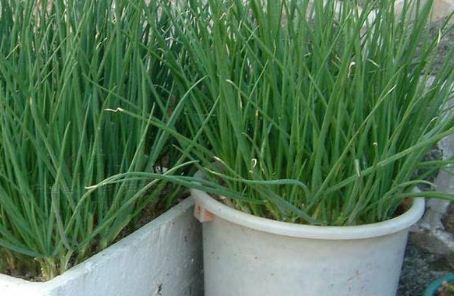
1. When are bonsai chives generally sown?
Because chives are extremely adaptable, they can survive whether grown in soil or hydroponically. Because they have vigorous vitality, whether in severe winter or scorching summer, we can see their lush figures.
So the planting time for bonsai chives is a question everyone cares about more. Actually, they can be sown in all four seasons, but if you want them to grow better, have higher yield, and produce more luxuriant leaves, you can choose to sow in spring from March to May or in autumn from September to October.
If you want to buy chive seeds yourself, you must buy them at a legitimate farmers' market, otherwise you may encounter situations such as the sown seeds not sprouting. Of course, to save the steps of soaking seeds and raising seedlings, you can directly plant the chives you bought back. The specific planting method will be introduced in detail below.
2. What are the key points of the bonsai chive planting method?
1. Preparation work
To grow bonsai chives, you first need to prepare the materials: chive seedlings, a pot, a trowel, soil, and watering tools.
2. Choose suitable seedlings
There are not many requirements when selecting chive seedlings. Even chive seedlings just bought from the vegetable market can be used. Remember one point: they must not have been treated, that is, a portion of soil should still remain around the roots. Of course, ones that are emerald green in appearance, have intact root hairs, and look fresh as a whole are good.
3. Process the chive seedlings
First cut off the chive leaves above. Keep the ones with roots and you can discard them. Remember, when cutting, leave more of the white part of the chives, so that planting is handier and more convenient, and the survival rate is also relatively high.
4. Prepare pots and tools
There are no special requirements for the pot used to plant chives; as long as a certain amount of space is reserved, it is fine. If you choose a more exquisite pot, you can also use it to decorate the environment.
5. Planting and care
Plant the cut chive leaves in the prepared pot. The soil in the pot can simply be mixed nutrient soil.
For good growth, you can usually place it on the balcony for care, so the light is relatively sufficient and watering is also very convenient. Remember, water thoroughly at one time, but of course do not overwater, to avoid root rot. In about 7 days, new chive sprouts can emerge.
Warm tip: when harvesting chives yourself, do not pull them up by the roots. Instead, pinch them off directly with your hands, so they can continue to sprout next time.
Lily Lilium brownii var. viridulum Lily Guide: How to Grow Lilies / How to Propagate Lilies
Lily ProfileLily Lilium brownii var. viridulum
Lily Cultivation Methods and Precautions Introduction to Lilies
The lily is a perennial herbaceous bulbous plant in the genus Lilium of the family Liliaceae, mainly distributed in temperate regions of the Northern Hemisphere such as East Asia, Europe, and North America. More than 100 varieties have been discovered worldwide. China is its main center of origin, with more than 50 native species, and is the natural distribution center of Lilium plants. In recent years, many new varieties have been produced through artificial hybridization, such as Asiatic lilies, Easter lilies, and Oriental lilies. The main application value of lilies lies in ornamental use, and some varieties can be eaten as vegetables and used medicinally.
Lily flowers are mainly used for ornamental purposes, especially cut flower varieties exported by the Netherlands and Japan. The bulbs of lily flowers are rich in starch, and some can even be eaten as vegetables. In China, edible lilies have a long history, and traditional Chinese medicine believes that lilies are slightly cold and neutral in nature, with effects of moistening the lungs, clearing heat, and calming the mind. Both the flowers and scaly stems can be used as medicine, making it a flower used both as medicine and food.
Morphological Characteristics of Lilies
The shape of the scales is one of the bases for species classification. The scales of most lilies are lanceolate, without nodes, and mostly arranged in imbricate fashion on the bulb disc, forming the bulb. The stem surface is usually green, or has brown markings, or is almost entirely brownish red. The stem is usually cylindrical and hairless. Leaves are spirally scattered, rarely whorled. Leaf shapes include lanceolate, oblong-lanceolate, oblanceolate, elliptic, or linear. Leaves are sessile or have short petioles. Leaf margins are entire or have small papillate protrusions. Flowers are large, solitary, clustered, or in racemes. Flowers are upright, drooping, or horizontally spreading, and the flower colors are often vivid. Tepals are 6, in 2 whorls, free, often connivent to form bell shapes or trumpet shapes. Flower colors include white, yellow, pink, red, and many other colors. Stamens are 6, filaments are slender, and anthers are relatively large and elliptic.
The bulb is white, 4-7 cm high, 5-8 cm in diameter, broadly ovate, extending about 10 cm deep into the soil; the stem is upright and hard, with 2-3 whorls of fibrous roots on the part buried in the soil at the base; the aboveground part is 1.2-1.5 m high, 0.8-1.2 cm in diameter, ribbed, dark purple, and covered with white cottony hairs. Leaves are scattered, sessile, glossy, lanceolate, 3-15 cm long, 0.5-1.5 cm wide, acuminate at the tip, with more than 5 prominent veins; the upper leaves gradually become shorter and even form leaf-like bracts; bulbils usually grow in the leaf axils; bulbils are spherical, 2-3 mm in diameter, turning black when old. Inflorescence is a raceme-like panicle; pedicels are thick and hard, spreading, and the flowers droop slightly; tepals are 6, orange-red, densely covered with purple-black spots, recurved when open, lanceolate, 8 cm long, 1.5 cm wide; stamens are 5-7 cm long, anthers are purple and spotted; stigma is purple, ovary is 1.3-1.8 cm long. Fruit is obovate, 3-4 cm long. The flowering period is generally in July.
Perennial bulbous herbaceous flower, plant height 40-60 cm, with some reaching over 1 m. Stem is upright, unbranched, grass green, with red or purple-brown spots at the base of the stem.
There is a bulb underground. The bulb is composed of broad ovate or lanceolate white or pale yellow fleshy scales 6-8 cm in diameter that cluster into a spherical shape, with a membranous layer outside. Most fibrous roots grow from the base of the bulb. Leaves are simple, alternate, narrowly linear, without petioles, directly clasping the stem, with parallel veins. Some varieties produce purple or green granular bulbils in the leaf axils, and these bulbils can propagate into small plants. Flowers are borne at the top of the stem, in racemes, clustered or solitary. The corolla is relatively large and the floral tube is relatively long, funnel-shaped and trumpet-like, with six lobes and no sepals. Because the stem is slender and the flowers are large, they often droop or spread horizontally when open. Flower color varies among varieties, mostly yellow, white, pink, orange-red, some with purple or black spots, and some flowers have multiple colors, extremely beautiful. Petals may be flat or curled outward, hence the good name "Juan Dan". Some flowers are strongly fragrant, hence the name "Easter lily". After flowering, they bear long elliptic capsules.
Ecological Habits of Lilies
China is an important place of origin for lilies. Lilies prefer warm, humid, and sunny environments. They are relatively cold-tolerant and afraid of high temperatures and high humidity. The suitable growth temperature for lilies is 15-25°C. Below 10°C, growth is slow, and above 30°C, growth is poor. During growth, daytime temperatures of 21-23°C and nighttime temperatures of 15-17°C are best. Bulbs for forcing cultivation must be stored at 7-10°C for 4-6 weeks.
Lilies need moist water for cultivation, which is beneficial to the growth of stems and leaves. If the soil is too wet, waterlogged, or poorly drained, it will cause lily bulbs to rot and die. For potted lilies, watering should gradually increase with plant growth. Water supply should be sufficient during the flowering period, reduced after flowering, and stopped after the aboveground part withers. Too-wet potting soil will likewise cause bulb rot.
Lilies like soft light. They are also tolerant of strong light and semi-shade. Insufficient light can cause flower bud drop and reduce the number of flowers. With sufficient light, plants are sturdy and compact, and flowers are vivid. Lilium is a long-day plant. Increasing light by 6 hours per day can make them bloom earlier. If the light duration decreases, flowering is delayed.
The soil should be fertile, loose, and well-drained sandy loam, with soil pH best at 5.5-6.5. For potting soil, a mixture of leaf mold, culture soil, and coarse sand is suitable. Lilies are cold-tolerant, but the most suitable growth temperature is between 15-25°C. Below 10°C or above 30°C, growth is poor. Lilies generally prefer slightly acidic soil with a pH of 5.5-6.5 and humus-rich soil with a bulk density below 1 g/cubic cm. They dislike waterlogging and prefer semi-shaded environments, but excessive shading can cause leggy flower stems and flower bud drop.
They prefer humidity and light, and require fertile sandy soil rich in humus, with deep soil layers and extremely good drainage. Hard clay is most taboo. Most varieties are suitable for growth in slightly acidic to neutral soil, with soil pH 5.5-6.5. Lilies prefer cool and humid environments. Places with sufficient sunlight and slightly shaded environments are more suitable for lilies. They avoid drought and extreme summer heat, and their cold tolerance is somewhat weaker. The growth and flowering temperature for lilies is 16-24°C. Below 5°C or above 30°C, growth almost stops. Only above 10°C do plants grow normally, and above 25°C growth stagnates again. If the winter nighttime temperature is below 5°C for 5-7 consecutive days, flower bud differentiation and flower bud development will be severely affected, delaying flowering or even causing blind flowers and split flowers.
Most lily varieties like light, and in southern regions they should be planted in shaded, semi-shaded places. Lily flowers are suitable for fertile, loose, well-drained soil, and do not have very high requirements for humus. The pH value should be neutral or slightly acidic. Lily flowers are short-day plants and require warm, humid, and cool climates, and are afraid of high temperatures and intense heat.
Variety Classification of Lilies
Lilies are perennial herbs. The non-tunicate bulb is flattened spherical and milky white. The stem is upright, with stem roots at underground stem nodes, and the aboveground stem is stiff, short, sturdy, green, and smooth. Leaves are many and scattered, lanceolate. Flowers are several at the top, trumpet-shaped, flat-spreading, with the tips of tepals slightly recurved outward, milky white, and the deep part of the tepal tube pale green.
Asiatic Pot Series
CompassSup, plant height 45 cm, flowers golden orange, 4-6 buds per stem;
CountyLife, plant height 40 cm, flowers deep yellow, 8-10 buds per stem;
Partnr, plant height 40 cm, flowers deep red, 6-8 buds per stem;
Fancy, plant height 45 cm, flowers yellow, 4-6 buds per stem;
Cameleon, plant height 45 cm, flowers golden yellow, 6-8 buds per stem;
NewWave, plant height 40 cm, flowers pure white, 7-9 buds per stem;
BlackBird, plant height 30 cm, flowers deep red, 4-6 buds per stem;
Horizon, plant height 35 cm, flowers orange, 6-8 buds per stem.
Oriental Pot Series
Boulavard, plant height 45 cm, flowers white with yellow center, 6-7 buds per stem;
BabyLove, plant height 25 cm, flowers white with yellow center, 6-8 buds per stem;
Prestige, plant height 40 cm, flowers deep red with white edges, 9-11 buds per stem;
Miracle, plant height 30 cm, flowers pink with yellow center, 5-7 buds per stem;
Alibi, plant height 25 cm, flowers white with yellow center, 6-10 buds per stem;
Feelings, plant height 50 cm, flowers pink with yellow center, 7-9 buds per stem;
LittleBoy, plant height 45 cm, flowers deep pink, 5-7 buds per stem;
LittleGirl, plant height 40 cm, flowers pink with yellow center, 5-7 buds per stem.
Common Lily Varieties
Lilium amabile
Lilium auratum
Lilium bulbiferum
Lilium brownii
Lilium canadense
Lilium candidum
Lilium Casa Blanca
Lilium chalcedonicum
Lilium concolor
Lilium formosanum
Lilium cv. "Geneve"
Lilium cv. "StarGazer"
Lilium henryi
Lilium humboldtii
Lilium hybrids
Lilium lancifolium
Lilium longiflorum
Lilium martagon
Lilium nepalense
Lilium pardalinum
Lilium pumilum
Lilium regale
Lilium speciosum
Classification by Leaf Arrangement and Flower Type: Lily Group
The characteristics of this group are scattered leaves and large trumpet-shaped flowers that grow horizontally, with high ornamental value. Three are relatively prominent:
1. Lilium regale, also known as King Lily and Chiba Lily, flowers white with a yellow center and purple on the back of the petals
2. Lilium longiflorum, also known as Tiebao Lily, flowers extremely fragrant
3. Wild lily, trumpet-shaped flowers extra large
Campanulate Group
Its characteristics are scattered leaves, rich flower colors, and upward-facing flowers. The following three are relatively prominent:
1. Lilium dauricum, flower colors orange-red and purple-red, petals with purple spots
2. Lilium yunnanense, with flowers in white, golden yellow, yellow-green, and other colors
3. Lilium concolor, flower color red
Recurved Group
Its characteristics are scattered leaves, drooping flowers, and petals recurved in a bell shape. The following two are relatively prominent:
1. Lilium lancifolium, edible, flowers orange-red, petals with purple-black spots
2. Lilium henryi, the most beautiful orange lily in horticulture
Whorled Group
1. Leaves whorled, flower shapes varied, but with spots, belonging to this group
2. Lilium tsingtauense, flowers opening upward, petals thick and glossy in texture, with purple-red spots.
Currently common on the flower market are Lilium longiflorum, Lilium regale, and Lilium dauricum.
Edible Taboos of LiliesContraindicated for pregnant women; not suitable for people with deficiency-cold of the spleen and stomach or diarrhea. People with wind-cold cough, deficiency-cold bleeding, or poor spleen and stomach should avoid eating it. Because lilies contain certain substances, and experiments on rats and dogs have found that long-term/large-dose consumption can cause damage to the lungs and kidneys and affect white blood cells and platelets, even edible lilies have a certain toxicity. It is recommended to consult a physician before use. Direct contact with raw bulbs may cause skin itching, and swallowing raw bulbs may cause symptoms such as vomiting and diarrhea.
Medicinal or Dietary Therapeutic Value of Lilies
The medical information and health dietary information on Huahua.com are for reference only and cannot be used as a basis for diagnosis or medical treatment. For any health problems, consult professional medical personnel, and for the treatment of any disease, please follow a doctor's advice.
Ultimate flower-protecting task: to love yourself, start from reality and strictly follow a doctor's advice. For illness, do not be careless, do not delay, do not give up hope, face it bravely, use love to warm the silent world, and use your heart to care for the flower field within.
Edible Value: Introduction to Raw Materials
Lilies are plants in the genus Lilium of the family Liliaceae. Lilium brownii, Lilium dauricum, or Lilium pumilum, also called fine-leaf lily or Xiayuhe, can be eaten fresh or used dried. Lilies are a traditional Chinese export specialty, and domestic consumption has also been rising year after year. Lilies themselves combine ornamental, edible, and medicinal value. There are more than 100 species of lilies worldwide, and China has more than 60 species. According to their growth years, they can be divided into annual, biennial, and perennial lilies. There are many excellent varieties across the country, such as:
Yixing lily (Lilium lancifolium Thunb.), also called Juan Dan, tiger lily, and bitter lily. Annual division propagation, yield about 700 kg per mu, with high yields exceeding 1000 kg
Hunan's Lilium longiflorum Thumb., also called dragon-tooth lily and pink lily.
Gansu sweet lily (Lilium davidii Duchartre), also known as Sichuan lily. After 3 years of planting, the yield can reach 1500 kg per mu.
Nutritional Analysis
In addition to containing 21.29% protein, 12.43% fat, 11.47% reducing sugar, 1.61% starch, and nutrients such as calcium, phosphorus, iron, 1.443 mg vitamin B per 100 grams, and 21.2 mg vitamin C per 100 grams, lilies also contain some special nutritional components, such as colchicine and other alkaloids. These components act comprehensively on the human body, not only having good nutritional tonic effects, but also having certain preventive and therapeutic effects on various seasonal diseases caused by the dry autumn climate. Traditional Chinese medicine says that fresh lilies have the effects of nourishing the heart and calming the mind, moistening the lungs, and relieving cough, and are very beneficial to people who are weak after illness.
Dietary Therapeutic Effects
Moistening the lungs and relieving cough: fresh lilies contain mucilage and have the effect of moistening dryness and clearing heat. Traditional Chinese medicine often uses them to treat lung dryness or lung-heat cough and other symptoms with effective results.
Calming the heart and soothing the mind: lilies enter the heart meridian, are slightly cold in nature, and can clear the heart and relieve irritability, calm the heart and soothe the mind. They are used for conditions such as lingering heat after febrile disease, mental confusion, insomnia and frequent dreaming, depression, and tendency to grieve and cry.
Beautifying and nourishing the face: lilies are white and delicate, and fresh products are rich in mucilage and vitamins, which are beneficial to skin cell metabolism. Regular consumption of lilies has a certain beauty effect.
Cancer prevention and anti-cancer: lilies contain multiple alkaloids and have a preventive effect on leukopenia. They can raise blood cells and have a therapeutic effect on cytopenia after chemotherapy and radiotherapy. Lilies can also promote and enhance the mononuclear phagocyte system and phagocytic function in the body, improving the body's humoral immune capacity. Therefore, lilies have relatively good preventive and therapeutic effects on many kinds of cancer.
This product is sweet, cool, and clearing-moistening, mainly entering the lung and heart, and is good at clearing the lungs, moistening dryness, and relieving cough, and at clearing the heart, calming the mind, and stopping fright. It is commonly used for lung-dryness cough and deficiency-irritability with restlessness.
Edible Methods
Lily flower drink: lily flowers are elegant and pure in appearance, symbolizing mutual affinity and lasting harmony. Lily flowers have the effects of clearing heat, moistening the lungs, and calming the mind.
Flower meaning: harmonious union for a hundred years
1. Lily and honeysuckle congee
[Ingredients]: 50 g of lily bulb, washed; then take 10 g of honeysuckle, dry-roast into powder and set aside.
[Method]: First rinse 100 g of japonica rice clean, cook until the congee is thick, then add the lily bulb and cook for 10 minutes; before removing from the heat, add the medicinal powder and an appropriate amount of white sugar, and it is ready to eat.
[Benefits]: Clears heat and reduces inflammation, promotes fluid production and quenches thirst. Suitable for people with sore, swollen throat who are prone to excess "internal heat."
2. Mung bean and lily congee
[Method]: 100 g of mung beans, an appropriate amount of japonica rice or glutinous rice, add an appropriate amount of water and cook until done, then add 50 g of washed fresh lily bulb and simmer briefly.
Before eating, add white sugar or rock sugar to taste.
[Benefits]: Clears heat and detoxifies, promotes urination and reduces swelling. Suitable for treating dry cough with sore throat, lingering heat after a febrile illness, restlessness and insomnia, and similar conditions.
3. Steamed lily bulb
[Method]: Wash an appropriate amount of fresh lily bulb and steam until cooked, then eat.
[Benefits]: Tonifies qi, nourishes yin and moistens the lungs. Suitable for hepatitis, stomach disorders, anemia, general weakness and similar conditions.
4. Lily bulb in honey sauce
[Method]: Put 60 g of lily bulb and 30 g of honey in a bowl and mix well, then steam until cooked in a pot over water and eat.
[Benefits]: Moistens the heart and lungs, and lubricates the intestines to relieve constipation. Both lily bulb and honey are suitable for autumn and winter dry-lung cough with dry throat, tuberculosis cough, blood-streaked phlegm, chronic bronchitis with dry cough in the elderly, and dry bound stool.[5]
5. Lily bulb and lotus seed congee
[Method]: 30 g of cleaned lily bulb, 25 g of lotus seeds, 100 g of glutinous rice, add an appropriate amount of brown sugar, and cook together as congee.
[Benefits]: Nourishes the stomach and relieves pain, tonifies the heart and calms the spirit. Suitable for treating stomach duct pain due to weak spleen and stomach, and restlessness and insomnia due to deficiency of the heart and spleen or insufficient heart yin.
6. Golden pumpkin
[Ingredients]: Pumpkin, fresh lily bulb, sugar, scallion.
[Method]:
1. Prepare all the ingredients;
2. Take a piece of the pumpkin's base and peel off the skin with a sharp knife held close to the rind;
3. Cut the pumpkin flesh into slices about 3 mm thick;
4. Arrange the pumpkin pieces along the edge of the plate;
5. Break the freshest part of the fresh lily bulb into pieces, wash and drain, and mix evenly with an appropriate amount of white sugar;
6. Bring water to a boil, steam over water for 10-20 minutes, take out and sprinkle with an appropriate amount of chopped scallion.
7. Lily bulb with fish slices
[Ingredients]: Grass carp slices, lily bulb.
[Method]:
Marinate the fish slices with salt, pepper and cooking wine for 15 minutes.
2. After marinating the fish slices for 15 minutes, add a little starch and mix well.
3. Bring water to a boil in the wok and add the fish slices. Blanch them in the water. Remove after 2-3 minutes and set aside.
4. With a little oil in the wok, add minced ginger and minced scallion, stir-fry until fragrant, then add red chili and lily bulb and stir-fry for 1 minute.
5. Add the fish slices set aside; do not stir-fry at this point, add half a small bowl of water, add salt and chicken essence, cover the wok and cook for 3 minutes.
6. Sprinkle with a little chopped scallion and it is ready to serve.
8. Three-color lily bulb
[Ingredients]: Lily bulb, celery, ginkgo.
[Method]:
1. Cut off both ends of the lily bulb, separate the pieces and wash clean;
2. Remove the leaves and strings from the celery and cut into sections;
3. Snip a slit in the shells of the ginkgo, boil in clear water for 5 minutes, then remove and soak in cold water, and peel off the shells and skins;
4. Heat the wok, add vegetable oil, and when the oil is about 60% hot, add the celery and stir-fry;
5. Then add the ginkgo and lily bulb separately, and after stir-frying, season with salt and chicken essence;
6. Add a little clear water along the edge of the wok, and stir-fry quickly until the lily bulb turns transparent.
9. Stir-fried lily bulb with shrimp
[Ingredients]: Fresh shrimp, lily bulb, snow peas.
[Seasonings]: Minced scallion, salt, pepper, sugar, cooking wine, light soy sauce.
[Method]:
1. Separate the lily bulb into petals, wash and drain; remove the strings and tips from the snow peas, wash and cut into two sections; peel the shrimp to get the meat, remove the digestive tract, and wash clean.
2. Put the cleaned shrimp into a small bowl, add salt and pepper and mix well; blanch the snow peas in boiling water, remove quickly, then soak in cold water to keep them crisp and green.
3. Pour an appropriate amount of oil into the wok, and when it is 50% hot, add the shrimp and separate them, then remove once they change color.
4. Leave a little oil in the wok, and after heating, add the minced scallion and stir-fry until fragrant, add the shrimp, splash in the cooking wine, add the lily bulb, salt, sugar, light soy sauce, pepper and a little fresh stock, stir-fry briefly until cooked, add the snow peas and stir-fry evenly, and it is ready to serve.
10. Lily bulb congee
[Ingredients]: Fresh lily bulb, japonica rice, rock sugar
[Method]:
1. Wash the fresh lily bulb with clear water, and wash the japonica rice.
2. Cook the japonica rice and lily bulb together with water as congee; when the congee is done, add rock sugar, and after it dissolves, simmer briefly.
This dish has the benefits of moistening the lungs and stopping cough, and clearing the heart and calming the spirit. Suitable for those with chronic cough from pulmonary tuberculosis, vacuity restlessness and palpitations, mental clouding, and poor appetite.
Health-promoting flower teas
1. Lily flower tea
[Ingredients]: 2 dried lily flowers, 10 mL of honey
[Preparation]: Brew the dried lily flowers in boiling water for 10 minutes, and add honey when drinking.
[Benefits]: Detoxifies, beautifies and nourishes the complexion.
2. Lily and golden chrysanthemum tea
[Ingredients]: 2 dried lily flowers, 3 chrysanthemum flowers, 1 g of green tea, 0.5 g of honeysuckle, 0.5 g of mint
[Preparation]: Mix all the ingredients and brew in boiling water for 5 minutes.
[Use]: Drink as a tea substitute, one dose per day
[Benefits]: Clears the liver and brightens the eyes, soothes the throat and reduces swelling. Suitable for internal heat, sore swollen throat, liver heat with red eyes, and similar conditions.
3. Lily and American ginseng tea
[Ingredients]: 5 dried lily flowers, 1 g of American ginseng, 3 g of goji berries, 1 g of bamboo leaves
[Preparation]: Mix the ingredients and brew in boiling water for 10 minutes.
[Benefits]: Clears heat and moistens the lungs, nourishes the heart and calms the spirit, beautifies and fights aging
The lily bulb is an excellent choice for relieving autumn dryness and moistening lung yin. The lily bulb has a plump texture, a mellow sweet fragrance, and a pleasantly sweet taste. It is neutral in nature and sweet with a slight bitterness in taste, and has the effects of moistening the lungs and stopping cough, and clearing the heart and calming the spirit. It has good therapeutic effects on lung heat with dry cough, blood-streaked phlegm, weak lungs and qi deficiency, and hemoptysis from pulmonary tuberculosis. In addition, the lily bulb also has the effects of clearing heat, calming the heart and settling the spirit, and can be used for lingering heat after a febrile illness, restlessness and insomnia, unsettled spirit, as well as fatigue, poor appetite, low-grade fever, insomnia, and irritability with thirst during menopause.
Culinary uses
1. Lily bulb congee:
Take 50 g of lily bulb powder and 60 g of japonica rice, first rinse the lily bulb and rice separately, put them into a pot, add water, and simmer over low heat. When the lily bulb and japonica rice are soft and cooked, add an appropriate amount of sugar and it is ready to eat. It is especially suitable for middle-aged and elderly people and those weak after illness who have restlessness and insomnia, and low-grade fever with irritability. In addition, adding white fungus to the lily bulb congee has a stronger effect of nourishing yin and moistening the lungs; adding mung beans can strengthen the effect of clearing heat and detoxifying.
2. Lily bulb soup:
Remove impurities from the lily bulb and wash it, rinse it repeatedly in clear water, then add water and put it in a pot, boil until very soft, add an appropriate amount of white sugar, and eat together with the soup; it can serve as an excellent dietary remedy for tuberculosis patients. Although it tastes slightly bitter when eaten, savored carefully it is sweet within the bitterness and leaves a pleasant aftertaste; if stored in the refrigerator for a while, it also makes an excellent chilled drink.
3. Lily bulb decoction: Take 30 g of lily bulb powder, 9 g of dwarf lilyturf tuber, 12 g of mulberry leaf, 9 g of apricot kernel, and 10 g of honey-fried loquat leaf, add water and boil; it has the effects of nourishing yin and releasing the exterior, and moistening the lungs and stopping cough. Separately, take fresh lily bulb and lotus plumule and decoct together in water, and drink the liquid frequently each day; it can treat mouth and tongue sores.
4. Steamed lily bulb: Mix fresh lily bulb petals with honey, steam until cooked, and chew to eat; it can treat lung heat cough.
5. Stir-fried lily bulb: Take 50 g of lily bulb powder and 50 g of pork tenderloin slices, mix with salt, egg white and wet starch, stir-fry together in an oiled wok until hot, and add an appropriate amount of seasonings. This dish is mellow in taste but not greasy, crisp, sweet and fragrant, and has the effects of tonifying the five viscera and nourishing yin and clearing heat; for those with no appetite and reduced food intake, eating this dish can also improve appetite.
6. DIY whitening face mask: Clean the facial skin, apply a hot towel to the face for 5 minutes, then take about 10 g of lily bulb powder and add purified water or an appropriate amount of honey or milk, mix and stir evenly, apply to the face, leave for 20 minutes, then rinse with clear water, making the skin white, tender and smooth.
7. Lily bulb tea: 10 g of lily bulb, an appropriate amount of white sugar (milk, honey), add 200 mL of boiling water and it is ready to drink.
8. Stewed lily bulb with rock sugar: 60 g each of lily bulb and rock sugar, and 15 g of coltsfoot flower. After washing the lily bulb, tear it apart petal by petal, put it together with the coltsfoot flower into a clay pot, add an appropriate amount of water, and stew over gentle heat; when nearly cooked, add the rock sugar, and when the lily bulb is soft and cooked it is ready to eat. This dish has the effects of moistening dryness and clearing fire, and clearing the heart and nourishing the lungs, and is suitable for dry lung cough and irritability with thirst.
9. Steamed lily bulb: 500 g of fresh lily bulb, an appropriate amount of white sugar. After washing the lily bulb, break it open into pieces; place on a plate, add white sugar and steam until cooked. This recipe comes from the Su Shi Shuo Lue and has the effects of moistening the lungs and stopping cough, and clearing the heart and calming the spirit, and can treat dry cough, chronic cough, insomnia, irritability and similar conditions.
10. Lily bulb and winter melon soup: 50 g of lily bulb, 400 g of fresh winter melon, and 1 egg. Wash the lily bulb and tear into pieces, cut the winter melon into thin slices, add water and bring to a boil, then pour in the egg white, add an appropriate amount of oil and salt and mix well to make soup, and when the soup turns milky white it is ready to serve in a bowl. This soup has the effects of cooling, dispelling heat and relieving summer heat; it is an excellent dietary dish for the summer season, and ordinary people can all eat it.
11. Red bean paste with lily bulb and lotus seeds: 500 g of red beans, 25 g of lily bulb, 60 g of lotus seeds. Put the red beans and clear water not exceeding the water line into a soy milk maker, then plug it in, and when the soy milk maker's light turns green, the red bean paste is ready. Soak the lily bulb and lotus seeds in hot water briefly, then put them in a clay pot and cook until done.
Medicinal value
Traditional Chinese medicine holds that the lily bulb has the effects of moistening the lungs and stopping cough, and clearing the heart and calming the spirit, and fresh lily bulb in particular is sweeter and tastier. The lily bulb is especially suitable for people who need to nourish the lungs and stomach, such as patients with chronic cough, pulmonary tuberculosis, mouth and tongue sores, dry mouth, and bad breath, and some patients with palpitations can also eat it in moderation. However, because the lily bulb is somewhat cooling in nature (but not cold), patients with stomach cold should use it sparingly. As winter arrives, more and more people need to moisten the lungs and nourish the stomach. The lily bulb can clear the heart and moisten the lungs, and calm the spirit and settle the mind, making it very suitable for people troubled by insomnia. Clinical studies show that it can achieve fairly significant therapeutic effects. In addition, while taking medication, it can be combined with some behavioral therapies, including dietary therapy. Usually keep the diet light, and do not eat spicy foods. Patients should cultivate good living habits, such as taking more walks after dinner and exercising regularly, all of which are very helpful for the recovery of symptoms.
The lily bulb's main value lies in its ornamental use, and its bulb is rich in starch, with some varieties edible as vegetables. Lanzhou lily bulb in China, famous worldwide for its edible value, was first recorded in the Pingliang County Gazetteer of Gansu Province, and has a history of more than 450 years so far. Edible lily bulb is widely cultivated in areas such as Qilihe in Lanzhou, and enjoys a high reputation at home and abroad. Lanzhou lily bulb is large and sweet, and can be used both as a snack and as a dish; the lily soup made from Yixing's tiger lily is an excellent summer heat-relieving delicacy. Lily bulb can also be made into dried lily bulb and lily bulb powder, which fetch high prices on the international market. To date, the lily bulb remains a commonly used medicinal material in traditional Chinese medicine.
Traditional Chinese medicine holds that the lily bulb is slightly cold and neutral in nature, and has the effects of clearing fire, moistening the lungs and calming the spirit; its flowers and scaly stems can both be used as medicine, and it is a flower used both as medicine and food.
Properties as a Chinese medicine
The name lily bulb comes from the Shennong Bencao Jing. The lily bulb has many varieties and names. The lily bulb gets its name because its rhizome is formed by many fleshy scales clasped together, and because it can treat lily disease. It is also named garlic-brain potato and similar names because its shape resembles garlic and its taste resembles potato.
Medicinal material name
[Aliases] Fine-leaf lily, linear-leaf lily, musk lily, curled-leaf lily, white-flower lily, white lily, medicinal lily, mountain lily, domestic lily, wild lily, vegetable lily, dried lily, Sichuan lily, sweet lily, large lily, new lily, rock lily, red-rock lily, lily garlic, garlic-preserved potato, trumpet-tube root, chive-like, Chongmai, Chongxiang, Chongxiang box, Zhongting, Moluo, Qiangqu, Qiangchou, Zhongfenghua, night-closing flower root, curled lotus flower root, lantern-umbrella flower root, scattered lotus flower root, Du lily, red lily, Fenghua.
[Trade names] Xuan lily: also known as southern lily and hundred-flower lily. It is produced in the Xuancheng area of Anhui. It has the best quality and is an authentic product.
Du lily, produced in the Zhejiang area.
Large lily, also known as new lily. It is large, white in color, thick in flesh and heavy in quality, and newly collected. Good quality.
Lily: also known as white-flower lily. It is the fleshy bulb of the plant lily. It is distributed throughout the country.
Fine-leaf lily: also known as linear-leaf lily. It is the bulb of the plant fine-leaf lily. It is distributed in Heilongjiang, Jilin, Liaoning, Hebei, Henan, Shandong, Shanxi, Shaanxi, Gansu, Qinghai, Inner Mongolia and other places.
All are considered best when large, thick in flesh, firm in texture, white in color, and rich in starch.
[Prescription names] Lily, raw lily, prepared lily, etc.
In prescriptions, writing lily refers to raw lily. Also called lily slices or dried lily. It is the crude drug washed clean, with the scales stripped off, blanched in boiling water or lightly steamed, then sun-dried for medicinal use.
Prepared lily, also known as honey-prepared lily or honey lily. It is lily slices mixed evenly with honey, lightly stir-fried until no longer sticky, then taken out and spread to cool, and then used as medicine. It has a strong effect of moistening the lungs and stopping cough.
Source of the medicinal material
This product is the dried fleshy scale leaf of the Liliaceae plants Lilium lancifolium Thunb., Lilium brownii F.E.Brown var. viridulum Baker, or Lilium pumilum DC. It is produced throughout the country, with more produced in Hunan and Zhejiang. It is dug up in autumn, washed clean, the scale leaves stripped off, briefly blanched in boiling water, and dried.
Production area distribution
The lily bulb is widely distributed, and medicinal use mainly comes from cultivated varieties. It is mainly produced in Yixing, Lianyungang, Dongtai and Haian in Jiangsu; Shaoyang, Longhui, Anhua, Changsha, Yueyang, Pingjiang, Yuanyang, Liuyang, Longshan and Qidong in Hunan; Lanzhou and Pingliang in Gansu; Huzhou, Tonglu, Longquan and Suichang in Zhejiang, and other places. Especially Yixing in Jiangsu, Shaoyang in Hunan, Lanzhou in Gansu and Huzhou in Zhejiang have a long history of cultivating lily bulb. They are the country's "four major lily bulb production areas."
Original plant morphology
Perennial herb, bulb ovoid, round and flattened-spherical, stem erect; the flower of Lilium lancifolium is orange-red with purplish-black spots; the flower of Lilium brownii is white with brown on the back; the flower of Lilium pumilum is bright red or purplish-red, without spots.
Preparation method
Honey lily: Take clean lily bulb and stir-fry according to the honey-frying method (Appendix II D) until no longer sticky. For every 100 kg of lily bulb, use 5 kg of refined honey.
Characteristics
This product is long-elliptical, 2-5 cm long, 1-2 cm wide, and 1.3-4 mm thick in the middle. The surface is off-white, light brownish-yellow, or slightly purplish, with several longitudinal, straight, parallel white vascular bundles. The tip is slightly pointed, the base is relatively wide, the edges are thin, slightly wavy, and slightly curved inward. The texture is hard and brittle, and the cross-section is relatively flat and horn-like. Odorless, taste slightly bitter. Opening outward forward, backward, left and right, extremely beautiful.
Identification
Take 3 g of the coarse powder of this product, add 50 mL of 90% acidic ethanol (adjusted to pH 2-3 with dilute sulfuric acid), heat under reflux for 1 hour, filter, evaporate the filtrate to near dryness, add 30 mL of water, heat to dissolve, let cool, add dropwise sodium hydroxide test solution to adjust the pH to 9-10, extract by shaking with chloroform 4 times, 15 mL each time, combine the chloroform liquids, add an appropriate amount of anhydrous sodium sulfate, stir and filter, evaporate the filtrate to dryness, dissolve the residue in 0.5 mL of chloroform as the test solution. Separately take 1 g of the lily bulb reference medicinal material and prepare a reference medicinal material solution in the same way. Carry out the test according to the thin-layer chromatography method, draw 15 μL of the test solution and 10 μL of the reference medicinal material solution, and spot them separately on the same silica gel GF thin-layer plate, use chloroform-methanol-ethyl acetate (22:5:6) as the developing solvent, place in a developing tank pre-saturated with ammonia vapor, develop, take out, air-dry, and examine under ultraviolet light (254 nm). In the chromatogram of the test solution, spots of the same color appear at the positions corresponding to the chromatogram of the reference medicinal material.
Nature, taste and meridian entry
Lily bulb is bitter in taste and slightly cold in nature. It enters the heart and lung meridians.
Functions and indications
Nourishes yin and moistens the lungs, clears the heart and calms the spirit. Used for chronic cough due to yin deficiency, blood-streaked phlegm, deficiency dysphoria with palpitations, insomnia and frequent dreaming, and mental restlessness. It has the effect of nourishing yin, moistening the lungs and stopping cough, and is used for dry-heat cough due to lung yin deficiency, such as Baihua Gao. To treat chronic cough due to lung deficiency and consumptive cough with blood-streaked sputum, such as Baihe Gujin Tang. It has the effect of clearing the heart and calming the spirit, and is used for lingering heat after febrile disease, deficiency dysphoria with palpitations, insomnia and frequent dreaming, etc. For medicinal use, decoct and take, 10-30g. For clearing the heart it is best used raw; for moistening the lungs it is honey-fried.
1. Root
[Odor and taste] Sweet, neutral, non-toxic
[Indications] Pathogenic qi causing heart pain and abdominal distension, promotes urination and defecation, tonifies the middle and boosts qi. Eliminates edema and cranial distension, accumulated heat and fullness between the chest and abdomen, generalized pain, difficult lactation, sore throat, difficulty swallowing saliva, and stops runny nose and tears. Eliminates distension and pain in the diaphragm, treats athlete's foot and heat cough. Calms the heart, calms the spirit, boosts the will, nourishes the five zang organs, treats manic shouting and palpitations due to convulsive evil, blood dizziness caused by postpartum hemorrhage, kills schistosomes, and treats various sores and swellings such as abscesses of the ribs, breast abscesses and back carbuncles. It can also treat Baihe disease (lily disease), warm the lungs and stop cough.
2. Flower
[Indications] Dry lily flowers in the sun and grind into powder, mix with vegetable oil; it can treat infantile eczema with very good results.
3. Seed
[Indications] Fry with wine until slightly red, grind into powder and take with soup; it can treat intestinal wind with bloody stool.
Efficacy: Nourishes yin and clears heat, tonifies essence and blood.
Indications: Suitable for pulmonary tuberculosis with low fever, night sweats, weight loss and other symptoms.
Usage and dosage: 6-12g.
Storage: Place in a ventilated and dry place.
Chinese patent medicines
Baihua Gao, Baihe Gujin Wan
Medicinal diets: lily congee, lily and mung bean soup, lily with meat
The above information is excerpted from the Chinese Pharmacopoeia
Practical folk remedies
Equal parts of lily and Inula japonica flower, roast dry and grind into fine powder, add honey water and take 3 times a day; treats pulmonary tuberculosis with hemoptysis, cough with blood-streaked phlegm, and dry cough with sore throat.
50 grams each of lily and japonica rice, 10 grams of blanched apricot kernels, appropriate amount of white sugar, cook together into congee and eat; treats dry cough due to lung dryness, and dry cough without phlegm.
2-3 lilies, wash clean and pound into juice, take with warm boiled water twice a day; treats chronic bronchitis with emphysema in the elderly.
30-60 grams of lily, pound and grind and squeeze the juice, appropriate amount of white liquor, take with warm boiled water; treats lung abscess.
Equal parts of lily, Bletilla striata, Stemona root and gecko powder, grind together into fine powder, make into pills with water, take 3 grams after meals 3 times a day; treats bronchiectasis.
25 grams of lily, 6 grams of Acorus tatarinowii, 12 grams of wild jujube seed, decoct in water and take 1 dose a day; treats neurasthenia and palpitations with insomnia.
Grind dried lily into powder, take 6 grams with warm boiled water twice a day; treats deafness or ear pain.
Soak 7 lilies overnight, the next morning boil with spring water to obtain one bowl, remove the residue and mix in one raw egg yolk, take half a bowl each morning and evening; treats post-illness neurosis, restlessness, or female hysteria.
Lily can also treat menopausal syndrome in women, intestinal bleeding, and constipation. Used externally, lily can also achieve the expected therapeutic effect.
For example, pound wild lily with table salt into a paste and apply to the affected area; treats unruptured sores and swellings with very good results.
Pound raw lily into a paste and apply externally to pemphigus, 1-2 times a day; it heals in a few days.
Wash raw lily clean, dry in the sun and grind into powder, apply to traumatic bleeding; it has a good hemostatic effect.
Clinical reports: lily sponge made from lily was used to pack and treat nasal hemorrhage, nasal polyp removal, and bleeding after middle and lower turbinate surgery. In over a hundred observed cases, the lily sponge dissolved in the nasal cavity and was absorbed by the tissue, with no allergic reaction and with a hemostatic effect.
Beautifies and nourishes the face, clears heat and cools the blood. Mainly treats lung dryness, lung heat or cough due to lung heat, lingering heat after febrile disease, and heart vexation with thirst. People with oily skin who eat more lily will have especially good skin.
Lily honey: Ingredients: 60 grams of lily, 30 grams of honey. Preparation and administration: Wash the lily clean and dry it, mix well with honey, put in a pot and steam until cooked.
This honey-prepared lily can be used as a snack for infants. Efficacy and indications: Lily is sweet in taste, slightly bitter, and slightly cold in nature. It moistens the lungs and stops cough, clears the heart and calms the spirit. It contains starch, protein, fat, various alkaloids, calcium, phosphorus, iron and other components. Pharmacological tests show that its decoction has an antitussive effect on cough in children caused by ammonia water, and can counteract toad asthma induced by histamine. Used together with honey, it strengthens the lung-moistening and cough-stopping effect. Treats chronic bronchitis in infants, dry throat and dry cough, especially dry cough after the beginning of autumn, and is even more suitable when accompanied by constipation. Note: Infants with spleen deficiency and loose stools should not use it. This method is convenient to take and is best chosen in autumn and winter.
Lily and coltsfoot drink: Ingredients: 30-60 grams of lily, 10-15 grams of coltsfoot flower, appropriate amount of rock sugar. Preparation and administration: Put the above ingredients together in a clay pot and cook into a sweet soup. Drink the liquid and eat the lily; it is best taken after dinner and before bed. Efficacy and indications: Lily moistens the lungs and stops cough. Coltsfoot flower is acrid and warm, and has the effect of moistening the lungs and directing qi downward, stopping cough and transforming phlegm. The extract of this product can slightly dilate the bronchi and has an antispasmodic effect on spasms caused by histamine. Therefore it has cough-stopping, phlegm-removing and asthma-relieving effects. The two medicines used together have the effect of moistening the lungs, stopping cough, directing qi downward and transforming phlegm. Treats chronic bronchitis in infants, bronchial asthma (remission stage), cough in autumn and winter, dry sore throat, and chronic unhealing cough. Note: This drink is suitable for cough in autumn and winter with a little phlegm; for bronchial asthma or spasmodic bronchitis, its medicinal strength is insufficient, but it can be used as auxiliary treatment.
Steamed lily with honey: 120 grams of lily, 30 grams of honey. Mix evenly, steam until cooked and soft, hold several pieces in the mouth from time to time, swallow the saliva and chew and eat.
Lily and rehmannia decoction: 60 grams of lily, 30 grams of raw rehmannia. Add water, decoct and take the soup.
Records in classical texts
Shennong Bencao Jing: Sweet in taste, neutral. Mainly treats pathogenic qi and abdominal distension, heart pain, promotes urination and defecation, tonifies the middle and boosts qi.
Yaoxing Lun: As a guiding medicine, slightly toxic. Mainly treats all manner of evil spirits and ghosts, incessant tears, eliminates acute fullness and pain below the heart, and treats athlete's foot, heat cough and counterflow.
Rihua Zi Bencao: Calms the heart, stabilizes the gallbladder, boosts the will, nourishes the five zang organs, treats convulsive evil, crying, manic shouting, palpitations, kills parasitic toxin qi, abscesses of the ribs, breast abscesses, back carbuncles and various sores and swellings, and also treats postpartum blood mania and dizziness.
Bencao Yanyi: Zhang Zhongjing used this to treat lily disease after deterioration from cold damage.
Bencao: Mainly treats pathogenic qi, abdominal distension and heart pain, promotes urination and defecation, tonifies the middle and boosts qi, eliminates edema and abdominal distension, stuffiness and fullness with cold and heat, generalized pain, and difficult lactation and throat obstruction, and stops runny nose and tears.
Zhongjing treated lily disease with Baihe Zhimu Tang and Baihe Huashi Daizheshi Tang, and there were also Baihe Jizi Tang and Baihe Dihuang Tang. Whether the lily disease had already been treated by sweating, or had not yet been treated by sweating, purging or vomiting, or the disease appearance was as at the beginning, or the disease had changed to show both cold and heat.
Huoren Shu: To treat abdominal pain due to cold damage, take one liang of lily, fry until yellow and grind into powder, and take mixed with rice water.
Sun Zhenren: To treat yin toxin type lily disease, boil lily into a thick juice and take one sheng.
Bencao Jingshu: Lily receives the qi of earth and metal and also the clear harmony of heaven, so its taste is sweet and neutral, and it should also be slightly cold and non-toxic. It enters the Hand Taiyang and Yangming, and also enters the Hand Shaoyin. Therefore it mainly treats pathogenic qi and abdominal distension; what is called pathogenic qi is pathogenic heat, and when pathogenic heat is in the abdomen there is abdominal distension; clearing its pathogenic heat disperses the distension. Resolving and disinhibiting the pathogenic heat of the heart means heart pain naturally heals. The kidney governs the two excretions, and if the kidney and large intestine meridians have pathogenic heat, then there is no free movement; clearing the pathogenic heat of the two meridians means urination and defecation become free. Sweetness can tonify the middle, and when heat is cleared qi is generated, so it tonifies the middle and boosts qi. Clearing heat and promoting urination, therefore it eliminates edema and abdominal distension, stuffiness and fullness with cold and heat, generalized pain, and difficult lactation, which is heat of the Foot Yangming. Throat obstruction is heat of the Hand Shaoyin heart and Hand Shaoyang Sanjiao. Runny nose and tears are heat of the lung and liver. Clearing the heat of the Yangming, Sanjiao and heart regions means the above diseases naturally disappear.
Brief caution: Do not take in cases of internal cold.
Modern research chemical components
Lily bulb contains:
1. Regaloside A, D, 3;
2. 6'-O-diferuloylsucrose;
3. 1-O-feruloylglycerol;
4. 1-O-p-coumaroylglycerol;
5. 26-O-β-D-glucopyranosylnuatigenin-3-O-α-L-rhamnopyranosyl (1→2)-β-D-glucopyranoside;
6. 26-O-β-D-glucopyranosyl-nuatigenin-3-O-α-L-rhamnopyranosyl (1→2)-O-[β-D-glucopyranosyl-(1→4)]-β-D-glucopyranoside;
7. Brownioside;
8. Deacylbrownioside;
9. 27-O-(3-hydroxy-3-methylglutaroyl) isonarthogenin-3-O-α-L-rhamnopyranosyl-(1→2)-O-[β-D-glucopyranosyl-(1→4)]-β-D-glucopyranoside, solasodine-3-O-α-L-rhamnopyranosyl-(1→2)-O-[β-D-glucopyranosyl-(1→4)]-β-D-glucopyranoside, and β1-solamargine, etc.
The stems and leaves of Lilium lancifolium contain lilioside C.
Pharmacological effects
1. Antitussive and expectorant effects
1. Antitussive effect: Using the SO2-induced cough method in mice, its antitussive effect was observed. All showed obvious antitussive effects.
2. Expectorant effect: Using the phenol red colorimetric method, the trachea was finally rinsed with 0.5ml NaHCO3, absorbance was measured at 546nm, and the amount of phenol red excreted from the trachea was calculated from the phenol red standard curve. The results are shown in Table 3. All showed significant expectorant effects.
2. Sedative effect
After mice were fasted for 8 hours, they were respectively given ig lily 20g/kg, with wild jujube seed as positive control and normal saline as blank; 30 minutes after administration, pentobarbital sodium 40mg/kg was injected ip, and the time from disappearance of the righting reflex to its recovery was used as the sleep index. At the same time, the effect on the sleep rate at subthreshold doses of pentobarbital sodium was observed. All significantly increased pentobarbital sodium sleep time and the sleep rate at subthreshold doses, suggesting an obvious sedative effect.
3. Effect of nourishing yin and moistening the lungs
1. The swimming experiment with a lung qi deficiency model showed that lily and Lilium lancifolium administered ig to mice at a dose of 10g/kg, compared with astragalus (10g/kg), significantly prolonged swimming time, and the P values of the three were all... 1. Land preparation and fertilization. Lily has strong adaptability and prefers a mild climate with sufficient sunlight. The soil should preferably be deep loam or sandy loam with good drainage; clay soil is second best, and waterlogged low-lying land is not suitable for planting. When planting, choose a good plot, apply 4000 kg of barnyard manure and soil miscellaneous fertilizer and 40 kg of superphosphate per mu as base fertilizer; plow 20cm-30cm, harrow fine and level; make beds, bed width 130cm, bed length depending on the terrain; in areas with especially heavy rain, pile beds and make ridges, ridge width 80cm-100cm, open drainage ditches, drainage ditch depth 10cm-15cm, to prevent water accumulation. 2. Cultivation techniques. Lily generally matures and is harvested in mid-to-late July. After harvesting, bury it in slightly moist fine sand for preservation, but it can also be left in the ground without digging and dug as needed for planting; between September and October, take out the root buds, separate the root buds, and on the prepared land, according to row spacing 25cm-30cm and plant spacing 5cm-20cm, plant the root buds with the bud head facing upward in the ditch; for flat beds, cover with 4cm-5cm of soil, and for pit planting, cover with 5cm-7cm; if the soil is too dry when planting, water a little; use 130kg-150kg of root buds per mu. 3. Field management and pest and disease control. Autumn-planted lily does not emerge from the soil that year, and the root system develops well; the seedlings can emerge in the following spring. Pay attention to intertillage and weeding; intertillage should be shallow rather than deep. Lily consumes its own nutrients in the early growth stage, has base fertilizer in the middle stage, and flowers in the late stage. When flower buds appear, remove them in time to reduce nutrient consumption and increase yield. Lily basically has no diseases during the entire growth period. If root rot is found, when it occurs, drench the roots with 50% wettable powder of Tuzet at 500 times dilution. The main pest is aphids, which can be controlled with commonly used low-toxicity insecticides.
4. Harvest and processing. Autumn-planted lily is harvested in July of the following year; remove the stems, dig out the bulbs, clean off the soil, peel off the scales, put the scales into boiling water for about 5 minutes, then take them out and put them into clean water, wash off the mucus, and dry them immediately in the sun; do not turn them casually before they are dry; if there is rainy weather, they can be dried over a heated kang. After fully dry, they can be used as medicine. Each mu can produce 300kg-350kg of dried product.
Lily originally grew as a short-day plant in mountain forests and grassy areas in southwestern and northwestern China, so most varieties prefer a cool, humid, semi-shaded environment and are relatively cold-tolerant. Among these, lily from Lingyuan City, Liaoning Province, is the best, and was awarded the title of "China's No. 1 Lily County" by the Ministry of Agriculture. It grows luxuriantly in fertile sandy soil rich in humus and with good drainage, with well-developed bulbs and brilliant flower colors. Lilium lancifolium, however, prefers warm and dry climatic conditions and is also relatively tolerant of sunlight. Lily is suitable for nitrogen fertilizer, with bean cake, rapeseed cake, farmyard compost and nitrogen, phosphorus and potassium compound fertilizer being best. During the lily growth period, loosen the soil and weed frequently, and carry out intertillage in combination with watering and fertilizing. Generally, apply diluted liquid fertilizer 2-3 times during the growth period to promote the growth and development of the seedlings. When nearing budding and flowering, apply phosphorus and potassium fertilizer 1-2 times to ensure sufficient nutrition for the seedlings during the budding and flowering period, which can not only make the flowers large and bright in color, but also promote the development of the bulbs. For large-area planting, pay attention to ventilation and proper shading. If planting in a small area or in pots, set up supports for ornamental varieties with many flowers and slender, weak stems to prevent the flowering branches from breaking. Although lily has relatively few pests and diseases, attention should still be paid to prevention and control.
Soil plantingTo plant lilies, use lily bulb roots slightly dried and sow in spring; roof planting is suitable. Pour non-detergent water such as vegetable-washing water over them several times a week; no weeding is needed and no care is needed for them to naturally sprout, bloom and form bulb roots. In the north, choose a sunny and sheltered place; in the south, they can be planted in a slightly shaded place. The planting time is preferably August to September. Apply sufficient base fertilizer one month before planting and deeply plow the soil; compost and plant ash can be used as base fertilizer. Planting should be relatively deep (generally a depth 3-4 times the diameter of the bulb) to facilitate nutrient absorption by the roots and stems. In the north, if planted too shallow, it is susceptible to freezing damage in winter and will affect the growth of fibrous roots and small bulbs. During the growth period, intertillage and weeding are not advisable, so as not to damage the roots and stems. If conditions permit, scatter some chopped wood shavings on the planting ground as soil cover. In this way, it can both prevent weed growth and preserve soil moisture and reduce soil humidity, so as to facilitate bulb development.
Cultivation management(1) Fertilize 1-2 times during the growth period. The required fertilizer N-P-K ratio for lily bulbs should be 5:10:10, with an application rate of 30 grams per square meter. Before planting, hoof and horn meal (50 grams per square meter), bone meal (100 grams) and potassium sulfate (30 grams) can also be applied. (2) Topdressing amounts: nitrogen fertilizer 15 grams per square meter, phosphate fertilizer 45 grams per square meter (superphosphate or coarse bone meal), potassium fertilizer 15 grams per square meter or plant ash 120 grams per square meter. (3) Management during the growth period: 1. Tie with supports to prevent falling over. 2. In hot summer, cover the surface with leaf mold and crushed fern. 3. Before budding, apply bone meal and plant ash. 4. In hot and dry conditions, irrigate and loosen the soil.
Lily propagation methods Propagation methodsLily propagation methods include seeding, dividing small bulbs, scale cutting and dividing bulbils, 4 methods in total, and any one can be chosen as needed. 1.Seed propagation method ⟧77⟧: Seeding is sexual reproduction and is mainly used in breeding. The method is:: Sowing is sexual propagation, mainly applied in breeding. The method is:
Collect seeds in autumn and store until sown the following spring. After sowing, they germinate in about 20-30 days. During the seedling stage, provide appropriate shade. By autumn, small bulbs have formed underground and can be dug out and planted separately. Depending on the species, some seedlings from seed bloom in 3 years, while others need to be cultivated for many years before blooming. Therefore, this method is not suitable for home use. 2.Small bulb division method: If you need to propagate 1 plant or several plants, this method can be used. Usually some small bulbs grow around the stem plate of the old bulb. When harvesting lilies in September to October, these small bulbs can be separated, stored in sand indoors for overwintering. Plant them in pots the following spring. After cultivation until September to October of the third year, they can grow into large bulbs and be cultivated into large plants. This method has a small propagation quantity and is only suitable for home pot propagation. 3.Scale cutting method: This method can be used for medium-quantity propagation. Dig out the bulbs in autumn, break off the plump and thick scales of the old bulb one by one; the base of each scale should carry a small part of the stem plate, dry them slightly in the shade, then insert them into a flower pot or shallow wooden box filled with river sand (or vermiculite), with 2/3 of the scale inserted into the substrate, keeping the substrate at a certain humidity. At about 20 degrees, in about one and a half months, roots grow from the wound of the scale. In winter, the humidity should be kept at about 18 degrees, and the river sand should not be too wet. After cultivation until the following spring, the scales can grow small bulbs; separate them, plant them in pots, manage them carefully, and after about 3 years of cultivation they can bloom. 4.Bulbil division method: Propagation by the bulbil division method is only suitable for a few species. Lilies such as Lilium lancifolium and Lilium leichtlinii are mostly propagated by this method.
The method is: take the small bulbs formed in the leaf axils of the aboveground stems (also called "bulbils", when the bulbils have fully grown in summer but have not yet fallen off) and cultivate them. From growing into a large bulb to blooming usually takes 2-4 years. To promote the production of more small bulbils for propagation, after the plant blooms, press down the aboveground stem and shallowly bury it in soil; cut the aboveground stem into small sections each with 3-4 leaves, shallowly bury the stem nodes in wet sand, and then small bulbils can grow in the leaf axils. After lilies bloom, many people throw away the bulbs. In fact, they still have regenerative capacity; as long as the remaining leaves are cut off, the bulbs in the pot are dug out and stored buried in sand, kept moist and not exposed to the sun, they can still be planted again the next year, and it is hoped that they will bloom a second time.
Post-harvest handling of lily
There are many varieties of potted lilies with diverse flower colors. Using them to decorate hotel lobbies, airport waiting halls and shopping mall display windows is fresh and pleasing to the eye and simple and natural. A few pots dotted in a room or small courtyard are brilliant and full of texture. Before planting or potting, lily bulbs should be soaked in 2 mmol/L silver thiosulfate solution for 24 hours at 20°C, and the flowers that grow later will have a longer lifespan. Flowers are sensitive to ethylene, and plants should be sprayed with silver thiosulfate solution to prevent flower and leaf drop during low-temperature storage and transport. Potted lilies can be stored for 14-28 days at 0-3°C.
Scientific propagation of lily
Lilies can be propagated by seeding, scale cutting, daughter bulb propagation, etc.Seed propagation1. Collect seeds: 10-15 days after pollination of lily, the ovary begins to swell, and the seeds can be collected before the fruit matures and splits after 60-150 days. 2. Sow in the following spring when the temperature exceeds 30°C. 3. Use two parts fertile loam, one part coarse sand and one part peat soil for the sowing soil, and add 1 gram of superphosphate per liter. 4. After sowing, cover with soil according to the speed of germination, and they can bloom after 6 months.Scale cutting1. Scale cutting is not restricted by season. Wait until the bulbs are old and mature, dig out 3-4-year-old bulbs, place them in a ventilated place to dry, and peel off the plump scales. 2. Insert the scales 2/3-4/3 into a wooden sand bed or shallow pot, keep warm and shade after insertion, and after 45-120 days small bulbs can form.Daughter bulb propagation method1. When small daughter bulbs grow from the stem nodes near the ground, carefully pick them off.
2. Each daughter bulb can propagate one plant.
Lily is commonly propagated by division, cutting, seeding and tissue culture.
Division propagation: Many small bulbs grow from the underground part of the lily or the stem nodes near the ground; let them fully grow, then peel them off and store them or pot them directly.
Cutting propagation: Cut the mature stems after flowering into small sections, bury them in wet sand with the leaf surface exposed above the sand bed. After insertion, bulbils grow from the leaf axils after 30 days, and are then cultivated into small bulbs. You can also select healthy bulbs, choose the plump middle scales and insert them in a sand bed; under conditions of 18-20°C and humidity, small bulbs can form in the same year, and after 2 years of cultivation they become flowering seed bulbs. Seed propagation: Before sowing, place the seeds in front of a light and pick out seeds with fully developed embryos for sowing. The suitable germination temperature is 12-15°C. Above 15°C seeds germinate quickly, but the seedlings are weak; below 5°C they do not germinate; above 25°C the seeds are forced into dormancy and do not germinate. Sowing can be done in spring and autumn. After sowing, cover with 0.5-1 cm of soil, and the cotyledons emerge in about 20-30 days. For spring sowing, after the plants wither in autumn small bulbs form, and after 2-3 years of cultivation they become flowering bulbs. Tissue culture propagation: The explant is commonly scales. First wash them clean with detergent, then disinfect with 75% alcohol and 0.1% mercuric chloride for 30 minutes, then rinse 3 times with sterile water. Larger scales can be cut into small pieces and inoculated on MS medium supplemented with naphthaleneacetic acid 0.5-1.0 mg/L and 6-benzylaminopurine 0.1-1.0 mg/L. After 5-7 days, spherical small protrusions appear on the explants; after 14 days, the small spheres become clustered buds; after 1 month, small bulbs form.
Pot cultivation of lily
Pot cultivation is best carried out in September to October. The culture soil should preferably be mixed with leaf mold, sandy soil and garden soil in a ratio of 1:1:1, and sufficient thoroughly decomposed compost and a small amount of bone meal should be applied at the bottom of the pot as base fertilizer. The planting depth is generally about 2-3 times the diameter of the bulb. Lily does not have very high fertilizer requirements; usually it is enough to apply fertilizer appropriately when spring growth begins and at the early flowering stage. Some growers abroad believe that lily has a relatively large demand for nitrogen and potassium fertilizer and should be fertilized once every 10-15 days during the growth period, while phosphate fertilizer should be limited because too much phosphate fertilizer can cause yellowing leaves. During the flowering period, phosphorus fertilizer can be added 1-2 days. To make the bulb plump, remove the residual flowers in time after flowering to reduce nutrient consumption. Watering only needs to keep the pot soil moist, but during the peak growth season and in dry weather it must be watered appropriately more frequently, and water should often be sprinkled around the flower pot to increase air humidity. The pot soil should not be too wet, otherwise the bulb is prone to rot. Potted lilies should be repotted once a year, replacing with new culture soil and base fertilizer. In addition, during the growth period the pot should be turned once a week. Otherwise the plant tends to grow lopsided, affecting appearance. For the newly emerging golden lily, the bulbs still temporarily need to be imported from abroad. During cultivation, the demand for phosphorus and potassium fertilizer is relatively high; before sowing it is best to use some bone meal, plant ash and peanut cake as base fertilizer. Whether white lily or golden lily, both have the characteristics of cold resistance, light preference, fertilizer tolerance and fear of wetness, and the suitable growth temperature is 12-18°C. In winter, even if the temperature drops to 3-5°C, they will not die of cold. If there is a lack of sunlight, long-term shading will affect normal flowering. However, they have broad regional adaptability and can be planted in the ground or in pots in both the north and the south. Because it is a bulbous plant, the bulbs can be used for direct sowing, requiring deep sowing to six or seven centimeters so that the lateral roots can penetrate deeply and absorb as many nutrients as possible. The required planting material is preferably sandy loam, and clay and lime soil should not be used. If pond mud is used for planting, some river sand and crushed charcoal should also be appropriately mixed in, so that the planting material is loose and breathable and can bloom in due course.
Cut flower cultivation of lily. Lilies have long been known as the "fairy in cloud garments." Because of their elegant and pure appearance, Catholicism uses the lily as a symbol of Mary; and the Vatican uses the lily to symbolize national independence and economic prosperity, and has made it the national flower. The lily bulb is formed by scales clasping together, carrying the meaning of "harmony for a hundred years" and "all things agreeable," and Chinese people have since ancient times regarded it as an indispensable auspicious flower for weddings. In flower arrangement modeling, lily can be used as a focal flower or skeleton flower. It belongs to special-type flower materials. Origin and distribution: temperate regions such as China, Japan, North America and Europe. The lily flower posture is elegant, the leaves are green and delicate, and the stems stand gracefully, making it a valuable new star among cut flowers.
Cut flower cultivation (1) Soil preparationLily avoids continuous cropping and fears water accumulation, so deep, fertile, loose and well-drained loam or sandy loam should be selected for planting. The land should be deeply plowed 30 cm, the base fertilizer should be decomposed, and per mu apply 2500-3000kg of barnyard manure, 100-150kg of composted cake fertilizer, and 20-30kg of superphosphate, turn and harrow into the soil, level and make beds, and open relatively deep drainage ditches around to facilitate drainage. Some varieties of Asiatic and Lilium longiflorum lilies can be planted in neutral or slightly alkaline soil, while Oriental lilies require planting in slightly acidic or neutral soil. If the soil pH is unsuitable, it must be improved. Lily is sensitive to soil salinity, so after the first crop of flowers is harvested, if conditions permit, flood irrigation should be used to wash salt or replace the soil, otherwise the second crop of flowers may show iron deficiency chlorosis physiological disease. Old production areas should implement 3-4 years of crop rotation.(2) Bulb selectionFor Asiatic lily bulbs, it is best to use bulbs with a circumference of 12-14cm; 10-12cm bulbs can also be used. For Lilium longiflorum bulb specifications, except that Snow Queen is best using bulbs with a circumference of 12-14cm, other varieties can use bulbs with a circumference of 10-12cm. Oriental lily bulb specifications should be above 16cm in circumference, and some varieties can also use 14-16cm bulbs. The bulbs should be intact and free of pests and diseases.(3) PlantingThe planting time is mainly determined by the cut flower market time and the growth period of the lily variety. In Kunming it can be planted year-round. Based on normal flower production, for cut flowers to be marketed from late November to early January, planting can be done from late August to early September; if continuous flower production is desired from November to April of the following year, the bulbs can be cold-stored and taken out successively before January for planting. Planting density varies with variety, bulb size and season. Asiatic hybrids 50-60 per square meter, Oriental hybrids and Trumpet hybrids 45-55 per square meter; for the same variety, larger bulbs should be sparser and smaller bulbs denser; in winter when sunlight is weak, it should be sparser than in spring and autumn. The planting depth can be about 6cm in winter and about 8cm in summer.(4) Soil, fertilizer and water managementDuring the growth period, lily likes moisture but fears waterlogging. After planting, irrigate once thoroughly, and afterward just keep it moist; it must not be too wet. During the flower bud differentiation stage, budding stage and the post-flowering low-temperature treatment stage, water must not be lacking. Lily likes fertilizer; topdress 3-4 weeks after planting, mainly with nitrogen and potassium, applying little but frequently. But avoid alkaline and fluorine-containing fertilizers, so as not to cause leaf burn. Under normal circumstances, acidic chemical fertilizers such as urea, ammonium sulfate and ammonium nitrate can be used; do not apply compound fertilizer or fertilizers such as diammonium phosphate.(5) Light and temperature managementLily is relatively sensitive to temperature, and three periods are relatively critical in management. The first period is within 20-30 days after planting, when the temperature must not exceed 30°C, among which Asiatic lilies require no higher than 25°C. The second period is from budding to before cut flower harvest; if the temperature continues below 5°C or above 30°C, it will cause calyx splitting. The third period is the post-flowering low-temperature treatment stage, when the daytime maximum temperature should be controlled below 15-18°C and the minimum temperature should be controlled above 0°C. In summer production, moderate shading should be used to lower the temperature.(6) HarvestingHarvest when the first flower bud on the flower branch is fully swollen and showing color. Opening too early is not good and affects flower color; opening too late not only causes difficulties in packaging but also pollutes the petals because pollen is shed. Cut flowers before 10 a.m., and the flower branches should leave the greenhouse as soon as possible and be inserted into clean water in time.
Key points for lily care
First, choose plump and robust seed bulbs. For the Asiatic series, the bulb circumference must be 10-12 cm, and for the Oriental series the bulb circumference should be 12-14 cm. The larger the seed bulb, the more flower buds, as shown in the table. But different varieties also have certain differences in the number of buds. Therefore, good seed bulbs have relatively high commercial value and are very important for potted lilies. Potted lilies commonly use a 12-15 cm deep pot, planting one seed bulb per pot. Or use a 15-18 cm deep pot, planting 3 bulbs per pot, forming a dense flower cluster when blooming. When planting, place more broken tile pieces at the bottom of the pot, then add soil, with the bulb apical bud 2 cm from the pot rim, and cover the apical bud with 1 cm of soil. At present, in the Netherlands, sprouted bulbs are all used, and the sprouted part must be exposed above the surface. If the bulb has already sprouted before planting, no forcing is needed; if it has not yet sprouted, the bulbs can be arranged in a wooden frame filled with wood shavings and placed at 8-23°C, sprouting in about 4-5 days. During growth, keep the pot soil moist, and use 20-8-20 all-season high potassium nitrate fertilizer or 15-15-30 special fertilizer for pot flowers. Keep the daytime temperature at 21°C and nighttime at 15°C; after about 90-100 days the flowers color, then move the pot to 10-12°C, which can make the flowers bloom well and last long.
Lily disease control
Several common diseases of lily include: lily mosaic disease, bulb rot, leaf spot disease, leaf blight, etc. 1. Lily mosaic disease, also called lily latent mosaic disease. When the disease occurs, chlorotic spots or necrotic spots of uneven depth appear on the leaves, the affected plant is stunted, the leaf margins curl, and the leaf shape becomes smaller; sometimes spindle-shaped light brown disease spots appear on the petals, the flowers are deformed and not easy to open. Control methods: 1. Select virus-free bulbs for seed. 2. Strengthen the control of aphids and leafhoppers. 3. When diseased plants are found, pull them out in time and destroy them. 2. Leaf spot disease. At the initial stage of this disease, small discolored spots appear on the leaves, and after expansion they become brown spots with dark brown edges. Later, many small black spots are produced in the center of the disease spots; in severe cases, the entire leaf becomes black and dies. Control methods: remove diseased leaves and spray once with 65% zineb wettable powder at 500 times dilution to prevent spread. 3. Bulb rot. After onset, brown disease spots appear on the bulb, and finally the entire bulb becomes brown and rots. Control methods: at the early stage of onset, drench with 50% amobam at 300 times dilution. 4. Leaf blight mostly occurs on the leaves, often starting from the tip and edge of the lower leaves. After onset, round or elliptical irregular disease spots of varying sizes appear on the leaves, ranging from light yellow to grayish brown depending on the variety. In severe cases, the whole leaf dies. Control methods: 1. In greenhouse cultivation, pay attention to ventilation and light transmission and strengthen management. 2. Remove diseased leaves at the early stage of onset, and spray once every 7-10 days with 1% equal-amount Bordeaux mixture, or 50% Tuzet wettable powder at 800-1000 times dilution; spray 3-4 times.
5. Aphids
They mainly harm the tender leaves and stems of lilies. Especially when the leaves unfold, aphids parasitize on the leaves and suck the sap, causing the lily plant to shrink, grow poorly, and have deformed flower buds; at the same time they also spread viruses and cause plant infection.
The control method is the same as for viral diseases.
6. Other pests and diseases
Mainly cutworms and mole crickets gnawing on seedlings (stems), and ants, earthworms, nematodes and others damaging the underground bulbs and basal plates, causing root rot and dead seedlings.
Control methods: (1) Before planting, broadcast 30-50 kg of quicklime per mu in the planting trenches (holes). (2) Be sure to clear weeds before planting, and any farmyard manure used must be fully decomposed. (3) Place tea seed cake or a small amount of tung seed cake at the base of the bulbs. (4) Drench the roots with dichlorvos at 500-600 times dilution to control mole crickets and cutworms.
Supplementary lily pest and disease control: The main problems are black spot, gray mold and rust, which can be controlled by spraying 25% carbendazim wettable powder at 500 times dilution. Pests include white grubs and aphids, which can be killed by spraying 50% dichlorvos emulsifiable concentrate at 1000 times dilution.
Lilies have quite a few pests and diseases. Common diseases include soft rot, bulb rot, mosaic virus disease and anthracnose; pests include root mites and white grubs.
Specific symptoms and control methods:
Bulb rot disease: The bulb first turns grayish white, then blackens and softens.The control method is: Pay attention to drainage and moisture prevention; after seedlings emerge, spray Bordeaux mixture once every 10 days, for 3-4 consecutive times.Bulb rot: Affected bulbs show brown lesions.Control method: Treat seeds with 0.5% (of bulb weight) quintozene, and drench with 50% amobam at 200-400 times dilution per gram.Root mites: The mites are tiny, white, 1 mm long, and mainly damage the base of the bulb.Control method: Apply fully decomposed base fertilizer; before planting, soak the bulbs in warm water for 50 seconds at a water temperature of 50-55°C.White grubs: Larvae.Control method: Remove larvae from the fertilizer and handpick them out. Spot disease. When this disease first appears, faded small spots appear on the leaves, and after expanding they become brown spots with dark brown edges. Later, many small black dots form in the center of the lesions, and in severe cases the entire leaf turns black and dies.
The feng shui role of lilies
First, the lily is a feng shui flower for people whose five elements belong to water or who were born in the Year of the Rat. The lily is their lucky flower, and these people can use lilies to create a home with good feng shui. People born in the Year of the Monkey should place metal-element plant and flower bonsai, such as lilies, in the west or northwest of the room, which is also beneficial to their romantic fortune. Second, lilies can enhance the love luck of single people. According to feng shui theory, the Red Phoenix direction is in the southwest. Every night between 11 p.m. and 1 a.m., light a yellow lamp in the southwest, with the light source pointing upward, and keep it lit every night until dawn, until good romantic luck is found. During the day when the lamp is not lit, you can also place a pot of Oriental lilies in this feng shui direction to pray for an early marriage. All these feng shui methods can enhance love luck.
Third, lilies can establish good feng shui for the living space of newlyweds. Lilies symbolize marital love and a harmonious union for a hundred years, and have always been a flower used at weddings.
The cultural background of lilies: a world consensusThe lily is a world-famous flower loved by people from ancient times to the present. It originated in the land of China, and has a long history of transition from wild growth to artificial cultivation. As early as the 4th century AD, people used it only as food and medicine. By the Southern and Northern Dynasties period, Emperor Xuan of Liang discovered that the lily was well worth viewing, and he once wrote in a poem: "Its joined leaves come in many forms, its blooms are of no different color. Holding dew, it may droop low; following the wind, it now bends and now rises. The sweet chrysanthemum is shamed by its immortal charm; the clustered orchid yields its fragrance." He praised it for its transcendent, reserved and subtle temperament. By the Song Dynasty, more people planted lilies. The great poet Lu You also used the mound in front of his window to plant lilies. He also praised it: "Fragrant orchids I moved throughout the central grove, why not plant jade hairpins in the remaining space? I beg for two more clumps of fragrant lilies; though an old man of seventy, I still have a child's heart." In modern times, there has been no lack of lily lovers. In the past, Soong Ching Ling, Honorary President of the People's Republic of China, greatly appreciated lilies throughout her life. Every spring and summer, several stems were often placed in her room. When the sad news of her death was announced, Dr. Rosen and his wife, her close American friends, immediately sent a pot of lilies to the mourning hall set up by the Permanent Mission of China to the United Nations in New York, to express their deep mourning for her. After Chinese lilies spread to countries around the world, they were also highly praised by the public. The Japanese people presented lilies as tribute to the emperor as early as the 720th year AD. The European Bible, the New Testament Gospel of Matthew, contains the phrase "the lilies surpass the glory of Solomon (King of Israel)." By the 12th century, Chile and France also used the lily as a pattern on their national emblems, encouraging the public to strive for national independence and economic prosperity. With the progress of the times, European and American horticultural experts created new varieties through cross-breeding. Half a century later, a group of new flowers collectively called "golden lilies" was finally bred. Their feature was breaking the previous state of Chinese lilies, which all had one stem and one flower and were purely white, becoming one stem with multiple flowers, with colors including golden yellow, orange-red and light purple, as well as colored spots, stripes and other patterns and colors, thus further enriching their ornamental appeal. For example, the American "Fire Yellow" has a relatively large flower head; it is glittering and exceptionally beautiful, and each stem can bear five or six flowers. Another example is the "tiger lily" improved by the Dutch, with orange-red flowers, reflexed tepals, purple spots inside, and extended stamens, and each stem can bear seven or eight flowers. In addition, some varieties are not only beautiful and alluring, but also contain fragrance, making them most suitable for flower arrangements in halls, so that people can enjoy them. One cannot help but evoke the feeling of "late at night the fragrance fills the room, as if when one has just sobered from wine." The origin of the lily is extremely sorrowful. Legend says that Eve and Adam were tempted by the serpent to eat the forbidden fruit, and were therefore expelled from the Garden of Eden. In her remorse, Eve could not help but shed sorrowful tears, and when the tears fell to the ground, they turned into pure white, fragrant lilies.
As for the origin of the name, it is because its bulb is formed by many white scales wrapped in layers, shaped like a lotus, and thus it was named with the meaning of "harmony for a hundred years."
Ancient legendsLegend says that in ancient times a king and queen had one hundred sons. One of the king's concubines, with hidden intentions, colluded with outside officials and alienated the king and queen from each other. The king could not withstand the rumors and eventually drove the queen out of the palace. The treacherous concubine and the outside officials colluded to place the king under house arrest and launched a coup. When the queen learned of this, she informed her one hundred sons. Through the efforts of the sons, the country was ultimately preserved. After the war ended, rain fell from the sky, and white flowers bloomed on the ground. Based on the event of the hundred sons working together to save the country, people named this flower lily, meaning to praise the virtue of the hundred sons. It is said that on a distant cliff grew a beautiful lily, and there also lived the Lily Fairy. But only those with fate could see it. If someone with ill intentions wanted to pick it, when they reached the mountain, they would find that the cliff had disappeared; when they walked far away, they would find the lily still standing on the mountaintop. The lily had already stayed on this mountain for nearly a thousand years. She hoped that one day someone who truly cared for her would come, and for this she could endure boundless loneliness. One day, a boy heard this rumor and, after going through countless hardships, found this place. Before he even entered the mountain area, he smelled a fresh fragrance that lifted his spirits, and he even seemed to hear silvery laughter. When he reached the mountaintop, a lily was quietly growing there. A breeze passed by, and it swirled, like a girl dancing. This scene could not be described in words. The boy was dumbfounded and could not speak. There could actually be such a beautiful flower in this world; seeing it was like seeing the lover of his dreams! The boy built a thatched hut on the hillside so that he could see the lily every day. He watered it, fertilized it, and shaded it. Whenever he had time, he would stare blankly at the lily, his gaze burning as if it were his lover. He gently stroked the petals, as if stroking his lover's face, and murmured his longing to it all day. Gradually, when the lily saw him, it would swirl, and when the wind blew, it would also let out a laugh, as if happy to see him. One day, a beautiful girl in white appeared beside the lily. This was the legendary Lily Fairy. The boy's sincerity had moved her. "Come with me," the boy said overjoyed, "I will give you happiness." The lily looked at him with those bright eyes that had seen the joys and sorrows of the world. There was not a trace of falsehood in the boy's eyes, only sincerity and love. Perhaps he could be trusted. "I have been lonely for a long time, and I can go taste the joys of the human world." The boy said, "Let the bright moon and the green mountains bear witness to my love for you!" The boy embraced the lily and said, "I will never leave you. I will slowly accompany you across the ends of the earth, and grow old together with you." The lily only nestled in his arms, feeling that she was no longer a drifting, uncertain cloud. The next day, the lily left the cliff where she had grown with him, carrying only that lily with her. The boy brought her to an inn. "Wait for me here, I will come back to pick you up." The lily waited and waited, until a month later, when she heard festive music outside. She went out and saw the boy on horseback, while in the bridal sedan beside him was his newly married bride. With a crisp sound, the pot of flowers in the lily's hands fell to the ground, petals dropping one by one. A gust of wind passed, and they disappeared without a trace. The lily's face was covered with tears. At that moment, rain began to drift from the sky. The people on the street saw the lily's figure gradually fade and disappear like mist and smoke! And the boy suddenly fell from the horse and became unconscious. After he was cured, however, he could say nothing except the word lily. It is said that on the road leading to the cliff where the lily grew, thorns grew overnight, and on them bloomed small blue flowers one after another. People who heard this legend wanted to go find the legendary lily, but as soon as they approached the small flowers, they would fall unconscious for a day and a night, and after waking they would forget the purpose for which they had come. And the legendary lily and Lily Fairy became only a legend! No one ever saw them again!
The flower language of lilies
In China, the lily carries the meaning of harmony for a hundred years, a happy family, and great love, and has the meaning of deep blessings. People who receive the blessing of this flower have a simple and innocent character and are loved by everyone, but this alone is not enough to pass through life peacefully. They must have self-control and resist outside temptations in order to preserve a purity that is not contaminated.Meanings of lilies of different colors: [White lily]: symbolizes harmony for a hundred years and lasting love [Pink lily]: symbolizes purity and elegance [Yellow lily]: symbolizes wealth and nobility [Black lily]: love and curseFlower language of differentlily varieties: [Lily (all lilies)]: smoothness, wishes coming true, blessings, nobility [Oriental lily]: purity, wedding blessings, nobility [White lily]: purity, solemnity, mutual understanding [Black lily]: love and curse [Pink lily]: purity, loveliness [Red lily]: love you forever [Yellow lily]: speedy recovery [Sunflower lily]: victory, honor, wealth and honor [Hime lily]: wealth, honor, purity, elegance [Wild lily]: happiness forever [Foxtail lily]: nobility, prosperity, outstanding [Corn lily]: persistent love, bravery [Cobra lily]: talent, dignity, outstanding and noble, elegant [Christmas lily]: joy, celebration, true feelings [Narcissus lily]: joy, looking forward to meetingThe particular meanings of lily flower counts (note: it is the number of blooms, not the number of stems, because lilies can be multi-headed)1 bloom, you are my only one 2 blooms, you and I are sweet together, wishing us happiness 3 blooms, I love you, please forgive me 4 blooms, solemn vows of love, long love, as if we have met before 5 blooms, no complaints and no regrets 6 blooms, wishing you all the best 7 blooms, happy meeting, wishing you happiness 8 blooms, making amends, please forgive me 9 blooms, long and lasting, staying together forever, loving each other forever 10 blooms, perfect in every way, the perfect you 11 blooms, love, wholehearted devotion, most beautiful 12 blooms, missing each other every day 13 blooms, the person in a secret crush 14 blooms, the joy of growth 15 blooms, the person who keeps you 16 blooms, the joy of growth 17 blooms, better to part peacefully, let love end 19 blooms, waiting for a lifetime 20 blooms, mutual affection, unwavering devotion 21 blooms, you are my greatest love 22 blooms, in pairs, life after life 24 blooms, longing, I miss you so much 25 blooms, no suspicion 26 blooms, old love and new love 30 blooms, love that needs no words 32 blooms, telling you, I will not be half-hearted 33 blooms, deeply calling out that I love you 36 blooms, my heart belongs to you 44 blooms, an unchanging oath through the ages 50 blooms, this is love without regret 56 blooms, my love 57 blooms, my love, my wife 66 blooms, smooth love life, true love unchanged 77 blooms, meeting by fate, marry me 80 blooms, let me make up for everything to you 88 blooms, making up for all mistakes with heart 99 blooms, everlasting, staying together forever 100 blooms, one hundred percent love, growing old together, harmony for a hundred years 101 blooms, you are my only one, the only loveNanping city flowerThe lily is the city flower of Nanping City, Fujian Province. On April 18, 2012, the "First Cross-Strait Lily Festival" was held. It is also the city flower of Huzhou City, Zhejiang Province, symbolizing "harmony for a hundred years."
Lily pictures
Balcony garden essentials
Life is like a cup of clear tea; only when you quietly savor it can you feel its beauty. Without an oversized garden of a hundred square meters, we can still fully enjoy the bright and beautiful days, as if bathed in spring light. A small balcony, after some transformation, can also let us have our own "garden house" - without a large garden, life can still be beautiful. Life can be beautiful, and a small balcony can also have a "large garden" dream.Although the balcony is small, our creativity is large. Apart from drying clothes, the ample space can hold enough good ideas. If arranged well, with some potted plants placed there, an absolutely private "imperial garden" is born. Without leaving home, you can also enjoy the loveliest colors in nature and breathe fresh air carrying floral fragrance.
Balcony garden
One.Balcony garden layout tips
In a seemingly narrow space, by arranging heights and levels well, you suddenly discover that there is actually such a broad view. In a corner of the balcony or in a specially set aside space, set up flower troughs, and you can also configure several flowerpot stands and plant various flowers and trees: evergreen bonsai, drought-tolerant bulbous types, flowers that bloom in all four seasons, and so on.
1. Fresh flowers
Balcony space is limited, so it is suitable for planting climbing or trailing plants. Install a small iron frame on the outer side of the balcony and place various potted plants and fresh flowers in a staggered arrangement. On the inner side of the balcony and on the railing, you can plant climbing plants such as morning glory, ivy and grapes. Seeing them climb onto the wall and hang down in a sheet not only decorates the wall but can also provide shade in summer.
2. Use large flowerpots
Use the spacious balcony to prepare a perfect private space for yourself. Then what you need to prepare are some large flowerpots of similar style. Different plants can be placed in them according to the season, and the dream of a garden can be completed very conveniently.
3. Dream
On a more spacious balcony, you can also place one or two small white tables and chairs. Sitting in the garden holding a cup of tea and flipping through a few pages of a book is such a pleasant life for people living in apartment buildings.
4. Number of plants
The number of plants does not necessarily have to be large; it is enough if it is suitable, so as to avoid a cluttered and disorderly feeling. When placing them, arrange them in a staggered and layered way according to the shape and size of the plants.
Balcony garden
Two.Key feng shui points for balcony garden layout
The balcony is the most open and spacious place in a residence and is closest to nature. Therefore, it fully absorbs the sunlight, air, wind and rain outside the home, and is where the home takes in qi. Auspicious qi and inauspicious qi both flow back and forth here. If in this area some beautification steps are used to achieve good fortune and rising luck, it will be of great help in improving family health and fortune. Then, exactly how should it be arranged to conform to environmental residential science?
1. Plants on a southeast-facing balcony bring prosperity
Because the balcony is relatively open and receives sufficient sunlight, many people like to grow various brightly colored flowers on the balcony. But in fact, there is real knowledge in this. Experts say that whether a balcony is suitable for growing green plants has a great deal to do with its orientation. The most suitable place for growing plants is a balcony in the southeast. The southeast is the Wenchang position, and Wenchang favors wood. Therefore, on a balcony in this direction, you can grow more tall and sturdy plants with large green leaves and life-promoting effects, which can activate Wenchang. This is especially beneficial to people engaged in writing, planning and other clerical work, and will also be somewhat helpful to the studies of the eldest daughter in the family.
However, balconies in the southwest and northeast are not very suitable for growing plants, otherwise they will bring adverse effects on the family's stomach and intestines and fortune. Growing plants in the southwest will also affect the fortune of the hostess, while the northeast will affect the children's studies.
2. Put fewer miscellaneous items and keep it open and bright
As an important space for the residence to communicate with the outside world, the balcony is an important channel for the residence to take in qi and cannot be ignored. Many people like to pile miscellaneous items on the balcony, put a washing machine there, and so on. This not only affects the beauty and comfort of the home space, but also damages the family's fortune.
It is best not to pile miscellaneous items on the balcony, and to clean it frequently, keeping it as open and bright as possible. When growing plants and drying clothes on the balcony, be careful not to block the light. For families that place a washing machine on the balcony, note that two directions are not suitable. This year the due west is afflicted by the Three Sha, and placing a washing machine in this direction can easily lead to accidents, disputes and illness; placing a washing machine in the northeast will affect the family's stomach and intestines and the children's studies. Hanging five emperor coins beside the washing machine can resolve this. In addition, the balcony drain should not open at the wealth positions in the southwest, due east or southeast, as this will leak wealth. Opening it at the inauspicious positions of due west or northeast is instead beneficial.
Balcony garden
3. Use plants to resolve adverse environments
Since the balcony is an important qi mouth for the home's external connections, attention should also be paid to avoiding or eliminating adverse influences from the internal and external environment. Internally, it is best that the balcony does not directly face the main door and kitchen door. This so-called "piercing the heart" adverse layout in feng shui easily leads to money coming and going and a lack of gathered popularity. It is best to make a foyer cabinet to block between the main door and the balcony; or on the moving line between the balcony and the kitchen, on the principle of not affecting family movement, place a cabinet or screen as a cover. If the space is not suitable for a foyer, the curtains of the balcony floor-to-ceiling door can be kept drawn for a long time, which can also serve as a partition.
Externally, if outside the balcony there is a road rushing straight at it, a house corner, a spire or other rushing attack, or it directly faces a hospital, temple and so on, measures need to be taken to resolve it. Common auspicious objects for resolving sha include bagua mirrors, lions, pixiu and copper turtles. Experts especially remind that if there is a residence at close range opposite the balcony, improper use of auspicious objects will cause a situation of "feng shui fighting," which is very unfavorable to oneself and others. At this time, you can plant plants with sha-resolving effects on the balcony, such as cactus, dragon bone, jade kylin, roses and rhododendrons. These plants mostly have thorns on their stems or flowers and leaves, to confront inauspicious qi and play a role in resolving sha and guarding the home.
Balcony garden
Three.Plan the garden according to the balcony area
People living in cities have a beautiful yearning for nature and hope to have their own small garden, tending it carefully every day and waiting for the joy of blooming. But among towering high-rise buildings, how many people can have a small garden? Fortunately, gardens are hard to come by, but balconies are common. With clever matching and efficient use of space, a balcony can cleverly transform into a garden, and the balcony can also become the small garden you dwell in.
1. Small balcony
The balcony area of small apartments mostly does not exceed 2.5 sq m, and is also called a "one-step balcony." To turn this kind of balcony into a garden, special attention should be paid to storage. Use storage shelves to create a vertical plant wall, and a small balcony can also transform into a garden.
(1) The balcony space is not large, so place a relatively large number of small flowerpots on wooden storage shelves. This saves space and does not look cluttered.
(2) Succulents are the beloved choice of many people. Besides planting them in flowerpots, you can actually be a bit more ingenious and plant them directly among sand and stones, naturally without artificial adornment.
(3) A closed balcony can be turned into a small flower room according to your own preferences. With bustling plants and various tools placed together, casually bring over a small stool, and you can stay there all afternoon.
(4) The originally unremarkable small balcony was turned by its owner into a small corner with a rich zakka flavor using books and plants. The dried flowers on the high stool are also an indispensable scene.
Balcony garden
2. Medium balcony
Besides simple plants, a medium balcony can also be decorated with other landscapes. For example, place a small table and hang a swing. Although it is a little less lively than a small balcony, it has its own charm.
(1) On the balcony, place an armchair with a floral fabric surface. Carefully guarding these lush plants, with just one glass window, there is still a world of difference between a paradise and the mundane world.
(2) In order to create an empty artistic mood, the owner placed only a small number of plants on the balcony, plus a few sections of dry branches, an old-style sink and simple tables and chairs, giving a sense of great wisdom appearing foolish.
(3) Casually place a few pots of plants, then put in a narrow table and a garden bench, and then you can eat a lively, fragrant hot pot in your small garden.
(4) Various green plants, plus a pot of lush scallions, with a path of cobblestones laid on the floor, look extremely warm.
3. Large balcony
A large balcony does not require worrying about storage problems, but when the balcony is large, how to divide the space and avoid it being too empty is also a question to consider.
Balcony garden
(1) An old wooden door and a row of one-person-high bamboo fences, plus strange flowerpots tied together from bamboo, give this small courtyard a comfortable and casual feeling, as if it were the appearance of grandmother's home in memory.
(2) Many people like the feeling of fullness and liveliness that a small balcony brings. At first glance, such a balcony feels too large and too empty, and needs a few bamboo stalks or a few banana plants added, with a few landscape stones placed by the wall. Like a garden where the view changes with each step, this spacious and open feeling is again something a small balcony cannot compare with.
(3) If the terrace is large enough, you might as well divide it into zones. Place some plants at the edges, and put a dining table under the rain canopy, and you can even enjoy an open-air dinner.
(4) No matter how fast the pace of life is, do not forget to gather with friends occasionally. Beside the verdant plants, under the dim night lights, you will surely recall the times when you ate at food stalls together back then.
Balcony garden
Four.Elements of balcony garden layout and reminders
Flowers and plants have magical power. Enjoying beautiful scenery and chatting with friends among the green leaves and red flowers in one's own terrace garden is truly a kind of enjoyment. For families without a terrace, choosing a few beloved plants at the brightly blooming New Year flower market is also a good way to improve mood. A tiny terrace garden lets you enjoy beautiful scenery in a place of contentment.
1. Growing flowers on the windowsill
For those growing flowers on the windowsill, because the orientation of the windowsill is different, the intensity of light is also different. Colorful flowers can also regulate people's emotions. For example, red can promote appetite, green can stabilize emotions, eliminate anxiety and protect the eyes, while purple can make pregnant women feel calm... When choosing flowers, pay attention to choosing colors. In addition, for those growing flowers on the windowsill, because the orientation of the windowsill is different, the intensity of light is also different. Most flowering plants like strong light, and there are also some foliage plants and a few flowering plants that like weak light. You should consider the nature of the plants when arranging them, so that people find them beautiful and comfortable.
■Reminder
When flowers are growing vigorously, water and fertilizer must keep up. When the potting soil cracks, water promptly. Apply fertilizer once a week or every half month, and loosen the soil before watering and fertilizing. The color of potted flowers should coordinate with the colors of the indoor walls and furniture. In addition, a suitable purple clay pot, glazed pot, or flower basket or bamboo-woven pot cover can be placed over the clay pot. You should also consider the reasonable selection and matching of box, stand, small table, long table and other furnishings.
Balcony garden
2. Fruit
People in cities do not have the luxury of eating freshly picked fruit, but now some trend-seeking French people have begun growing various fruits and vegetables on their own 6 sq m platforms, and even on window railings, as balcony gardens, growing some fruit.
Generally speaking, people in cities do not have the luxury of eating freshly picked fruit, but now some trend-seeking French people have begun growing various fruits and vegetables on their own 6 sq m platforms, and even on window railings, such as strawberries, apples, peaches, citrus, cherries, pears and tomatoes, peas, radishes, cabbage, cucumbers, chives and so on. In this way, they can eat fresh fruits and vegetables and enjoy a good meal.
■Reminder
Indoor planting renovation is not that easy, because the waterproof layer is relatively complex, and if it is slightly not done properly it will affect the entire house. Therefore, during the renovation process, you should first lay a waterproof sand cushion about 40 mm thick on the original roof waterproof layer, then pave it with bluestone slabs, and only after the cement mortar has solidified carry out other construction, so as to achieve foolproof waterproofing.
3. Terrace
You can choose some large umbrellas as substitutes, then lay cobblestones and wooden waterproof boards, and place some rattan or bamboo seats and tea tables. Casually, a leisure and beautiful terrace is arranged, and the terrace landscape is also leisurely.
Because in Chinese people's thinking, only a garden with pavilions and covered walkways is quiet and comfortable. But building a pavilion on a terrace is a relatively large project, so you can choose some large umbrellas as substitutes, then lay cobblestones and wooden waterproof boards, and place some rattan or bamboo seats and tea tables. Casually, a leisure and beautiful terrace is arranged. At present, there are extremely many outdoor furniture products available on the market, and you can go to large stores to buy them. For layouts with an indoor garden, you can also introduce the outdoor nature indoors through design, bringing a completely different enjoyment.
■Reminder
If there are only a few large umbrellas, the windproof and rainproof performance may not be very good. If sunlight panels and glass panels are installed, problems such as noise will occur on rainy days. You can install a straw-woven top cover on the canopy.
Balcony garden
Five.Balcony garden layout
The currently popular floral elements have also extended into the home field, along with the various "flowers" we usually collect, adding some floral art elements and Southeast Asian tropical style. Take action; let us all get started together and create our own balcony garden!
Balcony garden
1. An open balcony gives people the feeling of being infinitely close to nature.
Balcony Garden
2. In one corner of the balcony, fence off a small flower bed and plant a grapevine. You'll have a bumper harvest next year!
Balcony Garden
3. On the balcony railing, hanging planters come into their own. The colorful begonias are blooming gloriously, and you can tell at a glance that the owner tends them with great care.
Balcony Garden
4. Why can a single balcony have so many beautiful views? It turns out the two balconies were opened up into one, so the view is wide open!
Balcony Garden Related Reading:
1. Key Points for Growing Flowers on a Balcony
2. Small-Apartment Balcony Ideas
3. Injecting Natural Vitality into the Home - Balcony Edition
4. How Families Can Plan and Design a Green Balcony
5. The Effect of Light on Growing Flowers on a Balcony
6. Home Balcony Gardening
7. Choosing Balcony Flowers for Different Orientations
8. Turning a Balcony into a Garden