Fertilizing Methods and Techniques for Household Flower Grown at Home
Because the root system of potted flowers and trees is restricted in its growth and absorbs fewer nutrients, sufficient fertilizer is necessary to ensure their normal growth and development. But it is not the case that the more fertilizer the better; it must be applied at the right time and in the right amount. It is understood that there are many instances of household flower-growing enthusiasts causing the death of their flowers due to improper fertilizing or watering. They eagerly hope for the flowers and trees to grow, so they constantly fertilize and water, or apply undecomposed fertilizer. As a result, things turn out contrary to their wishes: the plants grow poorly, or even die. Generally, when the following situations occur, sufficient attention should be paid and necessary measures should be taken.
1. The flowers and trees grow thin and weak, the plants are stunted, and the leaf color is abnormal and becomes pale, or shows white spots, etc. These are symptoms of fertilizer deficiency. Nitrogen fertilizer should be applied promptly, along with some appropriate farmyard manure and fertilizer containing phosphorus and potassium.
2. The branches and leaves grow especially lush, with leggy shoots emerging within a short period; the flower buds are small and stop developing, leading to bud drop and flower drop. This is caused by improper fertilizing, specifically excessive application of nitrogen fertilizer. For example, if potted Chinese rose (Rosa chinensis) is given too much nitrogen fertilizer in spring, the branches and leaves become lush and leggy, and it does not bloom. For citrus, it causes continuous flower drop and fruit drop. The remedy is to stop applying nitrogen fertilizer and use some phosphorus and potassium fertilizer.
3. Not long after fertilizing, the flowers and trees suddenly wilt, with leaves hanging down, etc. This is caused by applying undecomposed fertilizer or fertilizer that is too concentrated. In severe cases, the flowers and trees quickly wither and die. When such undecomposed fertilizer is applied, it ferments in the pot, generating heat that scalds and kills the root system. Or, although it has been fermented, the fertilizer is too concentrated, causing reverse osmosis and leading to the death of the flowers and trees. If the above situations are found, flush with some clear water to dilute the concentration. In more serious cases, repot and change the soil promptly, properly prune the roots, and heavily prune the above-ground branches and leaves, place the pot in a shady, cool place, and spray water frequently to aid recovery.
Application methods: Fertilizer for potted flowers falls into two types: base fertilizer and top-dressing. Base fertilizer is applied when potting or mixed into the soil in winter, mainly including cake fertilizer, bone meal, hair, poultry scraps, and so on. Top-dressing is applied during the growth period of the flowers and trees, generally once about every half a month, in not too large an amount, following the principle of "thin fertilizer applied frequently," that is, applying decomposed fertilizer mixed with water, or doing so in conjunction with watering. For potted flowers that bear fruit, application may be briefly suspended before and after flowering. For all flowers and trees that prefer acidic soil, such as camellia (Camellia japonica), azalea (Rhododendron), and banana shrub (Michelia figo), it is best to mix in 1% ferrous sulfate when fertilizing, to promote lush branches and leaves.
Generally, potted flowers should be fertilized diligently during the growth period, at the right time and in the right amount. If the plum rain season or prolonged rain occurs, a small amount of cake fertilizer powder may be sprinkled on the surface of the potting soil for the flowers and trees to absorb slowly. Appropriate choices of application should be made according to the needs of the flowers and trees for nitrogen, phosphorus, and potassium at different developmental stages; for example, during the period of growing branches and leaves, more nitrogen fertilizer should be applied, and for flowers and trees that bloom and bear fruit, more phosphorus and potassium fertilizer should be applied. There is plenty of phosphorus and potassium fertilizer in the home, such as the water from rinsing milk bottles and eggshell liquid, both of which are excellent phosphorus fertilizer for watering potted flowers. Plant ash is a kind of potassium fertilizer that can promote thick and sturdy stem growth and enhance cold resistance for overwintering. In summer, fertilizing should be reduced. For some cold-sensitive flowers and trees, fertilizing should stop after October. Before fertilizing, loosen the soil appropriately to facilitate absorption by the flowers and trees. Chemical fertilizer is also a kind of quick-acting top-dressing; various fertilizer powders or fertilizer tablets are sold on the market. These powders or tablets are both hygienic and convenient, and most are compound fertilizers containing multiple nutrients, so they can be applied, but they must be applied reasonably and strictly according to the fertilizer's properties, composition, and content, and over-application or excessive concentration must be avoided to prevent fertilizer damage.
How to Fertilize Household Grown Flowers: These Points Need Attention
When growing flowers at home, you must master the method of fertilizing, so that your flowers can grow healthily, and fertilizing is a process of caring for and looking after the flowers. Now let's take a look together at how to fertilize household grown flowers.
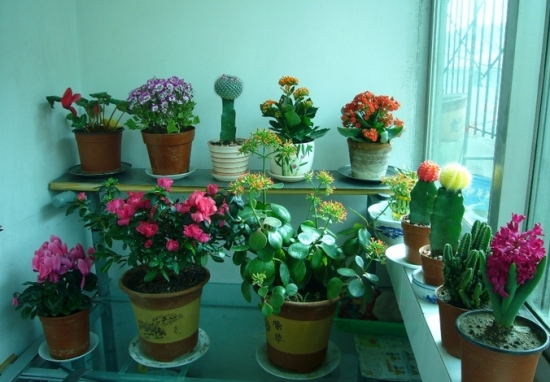
1. Base fertilizer: The base fertilizer must be fully decomposed. I usually mix 1 part of a mixture of some crushed bones, rotten meat, mahjong tiles, crushed soybeans, etc., 1 part of clivia (Clivia miniata) leaf mold bought from the market, and 1 part of sandy soil, add an appropriate amount of insecticide granules and carbendazim, put it into a plastic bag, and after fermentation use it as base fertilizer. The nutrients are comprehensive, and the fertility is moderate and long-lasting.
2. Top-dressing: Top-dressing is very casual. Usually, rice-washing water, meat-washing water, water from rinsing milk bags, expired beer, and so on are poured into a large cola bottle, left for a week, and then directly watered into the potting soil. The concentration can be adjusted appropriately according to the different conditions of each pot. In summer, the season of vigorous growth, diluted fertilizer water or beer can be used to wipe the leaves, making them more ornamental. Potted flowers should emphasize base fertilizer; there is usually a saying that 9 top-dressings are not as good as 1 base fertilizer. Base fertilizer usually has stable and long-lasting fertility, while the concentration and fertility of top-dressing are usually not easy to control and often easily affect the appearance of the flowers, reducing their ornamental value. In addition, the above homemade fertilizers are prone to breeding pests and pathogens during decomposition and application. After application, attention should be paid to regularly using insecticide granules and carbendazim to promptly eliminate pests and sterilize, so as to ensure the health of the plants.
3. When fertilizing, pay attention to the following points:
(1) Fertilizing should take the type of flower into account. Different types of flowers have different fertilizer requirements. For example, sweet osmanthus (Osmanthus fragrans) and camellia (Camellia japonica) prefer pig manure and avoid human feces and urine; southern flowers such as azalea (Rhododendron), camellia (Camellia japonica), and gardenia (Gardenia jasminoides) avoid alkaline fertilizer; flowers that need heavy pruning every year require a larger proportion of phosphorus and potassium fertilizer to facilitate the sprouting of new branches; foliage-oriented flowers can lean toward nitrogen fertilizer; flowers grown for large blooms (such as chrysanthemum and dahlia) need an appropriate amount of complete fertilizer during the flowering period so that all flowers can open, with beautiful shapes and vivid colors; fruit-oriented flowers should have fertilizer and water appropriately controlled during the flowering period, and sufficient complete fertilizer applied during the fruit-swelling stage to achieve the expected effect; bulbous flowers should be given more potassium fertilizer to help the bulbs plump up; fragrant flowers, upon entering the flowering period, should be given more phosphorus and potassium fertilizer to promote a rich floral fragrance. #p#Subtitle#e#
(2) Fertilizing should take the season into account. In winter, the temperature is low and plant growth is slow; most flowers are in a state of stalled growth, so generally no fertilizer is applied. Spring and autumn are the peak growth periods for flowers, when roots, stems, and leaves grow, flower buds differentiate, and young fruits swell, all of which require more fertilizer, so more top-dressing should be applied appropriately. In summer, the temperature is high, water evaporates quickly, and it is also a peak growth period for flowers, so the concentration of top-dressing should be lower and the frequency can be higher.
(3) Organic fertilizer must be fully decomposed before application; raw fertilizer must not be used. In addition, various places have many valuable opinions on how to fertilize potted flowers. For example, materials from Jiangsu and other places point out that fertilizing should depend on the growth condition and determine the amount, adhering to the "four more, four less, four no" principle, namely: apply more when yellow and thin, apply more before sprouting, apply more at bud stage, apply more after flowering; apply less when thriving, apply less at sprouting, apply less at flowering, apply less in the rainy season; do not apply when leggy, do not apply when newly planted, do not apply in the height of summer, do not apply during dormancy.
(4) It is also pointed out that fertilizing potted flowers has three taboos: first, avoid concentrated fertilizer; second, avoid hot fertilizer (at midday in summer the soil temperature is high, and fertilizing easily damages the roots); third, avoid sitting fertilizer. When planting flowers, if base fertilizer is applied at the bottom of the pot, do not place the roots directly on the fertilizer; instead, add a layer of soil on top of the fertilizer, and then plant the flowers into the pot.
How to Fertilize Household Grown Flowers
Types of fertilizer
1. Organic fertilizer: This is a complete fertilizer. It not only contains nitrogen, phosphorus, and [potassium], the three important elements most needed for flower growth, but also trace elements and growth stimulants, which have an important promoting effect on their growth. Applying organic fertilizer can also improve soil structure and increase the soil's water-holding capacity. Therefore, organic fertilizer should be applied more when fertilizing.
2. Inorganic fertilizer: Made by chemical synthesis or processing of natural minerals. It has a quick fertilizer effect and is mostly used as a foliar spray fertilizer.
Fertilizer selection when fertilizing
1. For foliage-oriented ones, applying a nitrogen-based fertilizer 1-2 times each during the growth period is sufficient.
2. For flowers grown mainly for flowers and fruit, when they put out branches and grow leaves, a nitrogen-based fertilizer should be applied once every 10 days; when the flower buds differentiate and form buds up to the pre-flowering growth stage, a phosphorus-based combined nitrogen-phosphorus fertilizer should be applied 1-2 times.
Fertilizing methods:
1. Base fertilizer: Mix organic fertilizer, bone meal, superphosphate, etc. directly into the growing medium; this method is called base fertilizer. Do not add too much: organic fertilizer must not exceed 10% of the growing medium, and inorganic fertilizer must not exceed 1%.
2. Top-dressing: Fertilizer applied during the growth and development period of flowers according to different needs is called top-dressing. Its concentration is very low; for example, urea, diammonium, etc. need to be dissolved in 100-1000 times water. Organic fertilizer clear liquid should be diluted with more than 10 times water before use.
3. Foliar fertilization: Also called root-outside top-dressing. Use a sprayer to spray liquid fertilizer onto the leaf surface; the fertilizer dissolved in water enters the plant directly through the leaf stomata and cuticle, and this is called foliar top-dressing.
Methods for homemade organic fertilizer at home:
1. Soaked liquid fertilizer: Put vegetable leaves, fruit peels, chicken and fish bones and innards, eggshells, etc. into a container, add water, cover tightly, and after decomposition and fermentation (about 2-3 months) it is ready (if the temperature is high, the time can be shortened). When using, add water to dilute it, take the supernatant liquid, and use it as top-dressing.
2. Waste composting: Mix the above waste with some soil, add a small amount of water, spray with insecticide, put it into a container, seal it, and after fermentation it can be used as base fertilizer or top-dressing.