How do you adjust soil pH in flower cultivation?
The pH of the soil used for growing flowers has a great influence on flower growth. If the pH is unsuitable, it will severely hinder the growth and development of flowers, affect nutrient uptake, and cause the occurrence of certain diseases.
Most flowers grow and develop well in neutral to slightly acidic (pH 5.5-7.0) soil. Above or below this range, some nutrient elements become unavailable for uptake, leading to nutrient deficiency symptoms in certain flowers. This is especially true for flowers that prefer acidic soil, such as orchids, camellias, azaleas, gardenias, banana shrubs (Michelia figo), osmanthus, Chloranthus, white orchid (Michelia alba), and southern magnolia, which are suitable for growing in soil with a pH of 5.0-6.0; otherwise, they are prone to iron deficiency chlorosis.
There are many methods for changing soil pH:
① If the acidity is too high, an appropriate amount of lime powder or plant ash can be mixed into the potting soil.
② To reduce alkalinity, an appropriate amount of sulfur, aluminum sulfate, ferrous sulfate, humus fertilizer, etc. can be added. To meet the needs of flowers that prefer acidic soil, potted flowers can be watered with a 1:50 aluminum sulfate (alum) aqueous solution or a 1:200 ferrous sulfate aqueous solution. Applying sulfur powder takes effect slowly but lasts long; applying aluminum sulfate requires supplementing phosphate fertilizer; applying ferrous sulfate takes effect quickly but has a short duration, requiring application once every 7-10 days.
③ For a small amount of growing soil, the mixed proportion of leaf mold or peat can be increased.
How should soil pH be adjusted for flower cultivation?
In soil under slightly acidic to neutral conditions at pH 6-7, nutrient availability is highest, which is most favorable for plant growth. In strongly alkaline soil (pH 8.5), iron, boron, copper, manganese, zinc, etc. are deficient. In such soil, acid-loving flowers such as camellias, azaleas, and gardenias will develop leaf yellowing and poor growth due to iron deficiency.In acidic soil (pH 5.0-6.5), deficiencies in phosphorus, potassium, calcium, and magnesium are likely to occur. In rainy areas, there may also be deficiencies in trace elements such as boron, zinc, and aluminum, which is extremely unfavorable for plant growth. Soil pH also often affects the activity of soil microorganisms and the role of humus, thereby affecting nutrient availability and the normal growth of flowers.
Adjustment of soil pH: Various flowers originate from different places, and their ability to adapt to soil pH also differs. If the local soil is unsuitable for the growth of "guest flowers," the following methods can be used for adjustment.
① Lower soil acidity: Quicklime can be applied, with the application rate depending on the soil acidity level, at 25-50 kg per mu.
② Lower soil alkalinity: Apply sulfur powder. The application rate is calculated by the number of kilograms of sulfur powder applied per 100 sq m. For example, to lower the pH value from 8.0 to 8.5, 1.5 kg needs to be applied. Apply aluminum sulfate (alum): if the pH value needs to be lowered from 7 to 6, 0.5 kg of aluminum sulfate can be applied per 100 sq m. Water with alum fertilizer water: for flowers that prefer acidic soil, watering with alum fertilizer water works well. To prepare alum fertilizer water, generally use 2-3 kg of ferrous sulfate, 6-6 kg of oil cake or soybean cake, 10-15 kg of human excrement and urine, and 200-250 kg of water, place them in a large vat and expose them to sunlight for 20-30 days; after decomposition, dilute with water before use.
Apply humus fertilizer: humus fertilizer contains a relatively large amount of humic acid, which can adjust the pH of the soil and transform it toward neutrality.
An introduction to methods for soil mixing ratios in flower cultivation
Most flowers grow in soil in their places of origin, where their root systems can extend freely; the soil layers in nature are generally relatively deep, and the topsoil has a large contact surface with the air, which is of course suitable for plant growth. After they are potted and planted, the root systems are confined within the flowerpot, greatly changing the original living environment; if ordinary field soil is casually dug up to plant them, it is impossible to grow the flowers well, and over time they may even die.In addition to the above reasons, the vast majority of flowering plants mostly grow in mountain wilds in their places of origin, where the soil quality is completely different from that of cities, towns, and general farmland; flowering plants also come from all directions of the earth, and if they are all treated the same way, it is impossible to grow the flowers well.
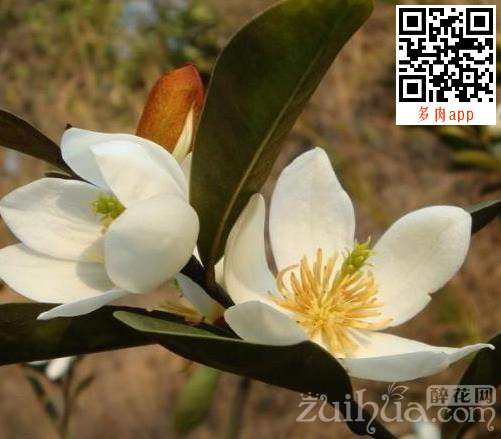
For example, cacti and succulents prefer surface sand and river sand; azaleas, camellias, banana shrubs (Michelia figo), white orchid (Michelia alba), and Chinese orchids prefer the mountain soil of Jiangnan; flowers with fleshy roots such as clivia and bird of paradise prefer leaf mold; chrysanthemums, dahlias, etc. prefer loose and fertile sandy loam. In addition, flowers have even stricter requirements for the pH of potting soil. Flowering plants native to Jiangnan prefer acidic soil, while flowering plants native to the north prefer neutral or slightly alkaline soil. For example, peonies, tree peonies, dianthus, fragrant grass, and the vast majority of annual and biennial herbaceous flowers grow poorly in acidic soil, so they should be treated differently.
Generally speaking, potting soil for flowers should have a good granular structure (the soil is granular and will not stick together even when there is a lot of water), drain well, and have a certain water-retention capacity. After watering, there should be no standing water on the pot surface, and excess water should quickly leak out from the drainage holes at the bottom of the pot. After drying, the soil surface should not become hard and compacted.
Potting soil should also have good aeration conditions, be loose and fertile, and contain a large amount of humus (humus formed after the weathering of plant residues); the soil pH value should match the pH requirements of the planted flowers; and it should not contain harmful pathogens, insect eggs, or weed seeds. In order to meet the special requirements of some flowers for potting soil, experienced flower enthusiasts often use pine needles, leaf mold, peat, vermiculite, etc. to cultivate potted flowers. These substances are not soil, so a special term has emerged, calling the soil material used for cultivating potted flowers "growing medium."
The above is Zuihua Network's introduction to methods for soil mixing ratios in flower cultivation. We hope everyone can gain something after reading this article!