How to Choose Hydroponic Flowers and Plants? Practical Selection Tips
How to choose hydroponic flowers and plants? Hydroponic flowers are not aquatic flowers; they are a soilless cultivation method for flowers, in which the flowers are grown in a soilless nutrient solution. The plants do not have aquatic structures, and during cultivation the water must be changed frequently to replenish oxygen or aeration equipment must be added.
Hydroponic flowers are a new flower cultivation method that has emerged globally in recent years. At present, China, Japan, Singapore, the United States and Germany are all actively promoting it. It has the advantages of being clean and hygienic, having few pests and diseases, simple watering and water changing, light weight and easy handling. In addition, the varied forms and colors of hydroponic flowers can be freely arranged and laid out to achieve excellent artistic effects.
To grow flowers hydroponically for ornamental purposes, the first step is to choose suitable species. When purchasing materials for hydroponic flowers, pay attention to:
(1) Choose flower species suitable for hydroponics. If you buy species that are not suitable for hydroponics and plant them, they will gradually die before long because of root rot.
(2) Choose flower species with relatively strong cold resistance. Although some flowers are very suitable for hydroponics, they need relatively high temperatures to overwinter and are difficult to bring safely through winter in an ordinary home, often suffering freezing damage and dying. Those with relatively strong cold resistance that can overwinter with only slight cold protection include: Monstera deliciosa, purple-leaf oyster plant (Tradescantia pallida), aloe, spider plant, umbrella plant, dusty miller, chloranthus, leopard plant, English ivy, dwarf palm, bamboo palm, and others.
(3) Choose planting materials that have already adapted to hydroponic conditions. Even flower species suitable for hydroponics must go through a process of adaptation. Flowers that have already adapted to hydroponics refers to plant materials that have already been grown in water for some time and have adapted to hydroponic conditions and are growing normally. Their characteristics are that the branches and leaves are vigorous and upright, the leaves are plump and glossy, and the roots or stem bases have already grown root systems adapted to hydroponic conditions. The above is an introduction to how to choose hydroponic flowers and plants.
What Hydroponic Flowers and Plants Are There? Hydroponic Flower Cultivation Techniques
Hydroponic flowers are a type of flower with excellent ornamental value. Above, the hydroponic flowers are full of fragrance, while below, fish can swim freely. They are not only hygienic and eco-friendly but also very convenient, so hydroponic flowers are also called lazy person's flowers and are a great helper for home decoration, suitable for placing in the living room, bedroom, balcony, study and courtyard. Today, the editor shares with you an introduction to what hydroponic flowers and plants there are and some knowledge and techniques for cultivating hydroponic flowers.
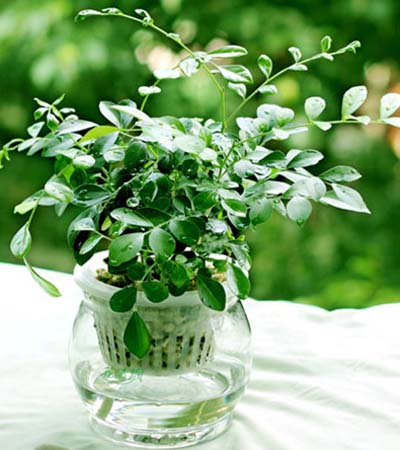
What Hydroponic Flowers and Plants Are There——Variety Introduction
1. Many plants, both common and uncommon in our daily lives, can be grown hydroponically, including ordinary green plants and beautiful flowers. Carnation, asparagus fern, African daisy, tulip, calla lily, weeping fig, Brazil wood, green giant, gloxinia, cyclamen, Chinese rose, gladiolus, orchid, evergreen, Schefflera octophylla, hyacinth, chrysanthemum, and some potted flowers all have very good results in hydroponics and can be called excellent artworks.
2. Flowers and plants that can be grown hydroponically also include Monstera deliciosa, Aglaia odorata, clivia, camellia, jasmine, fuchsia, five-needle pine, banana shrub, rubber fig, Brazil iron, azalea, golden maple, violet, Phalaenopsis, begonia types, ferns, palms and others. Some foliage plants can also be grown hydroponically, such as sedum types like Aeonium, aeonium, Araceae types like clustered Xanthosoma, silver-sheathed taro, anthurium, Guangdong spider plant, as well as other types such as Paphiopedilum, Christmas cactus and more than a hundred kinds.
Characteristics of Hydroponic Flowers and Plants
Hydroponic flowers are very ornamental. They not only have artistic vase shapes but also white water-grown root systems and substrates of various colors. Even more remarkable is that flowers and fish can be raised together, integrating multiple ornamental effects such as viewing flowers, foliage, roots and fish. Moreover, hydroponic flowers are grown in water without soil, so there are very few pests, diseases, fungal and bacterial contamination. Water and nutrient management are also more convenient, and care is simple with no need for frequent watering, which can beautify the space.
Cultivation Techniques and Precautions for Hydroponic Flowers
1. When preparing nutrient solution for hydroponic flowers, metal containers must not be used, and they must certainly not be used to store nutrient solution. For the sake of beauty and to benefit the growth of plants and flowers, it is best to use glass, enamel and ceramic vessels as containers. Attention must also be paid to the water used when preparing the nutrient solution. If tap water is used, it must be treated to prevent harmful substances in the water from harming the plants. A small amount of humate compounds or sodium edetate needs to be added.
2. When hydroponic flowers are grown as potted plants, the cultivation water in the pot generally needs to be changed once every one to two months. Tap water can be used, but be sure to let the tap water stand for a period of time before use to keep the root system temperature stable. Moreover, most hydroponic flowers are shade-tolerant and neutral flowers suitable for indoor cultivation and have different requirements for light. In hydroponic plants with appropriate light, temperature and nutrient solution concentration, the whole root or root tip is white.
Conclusion: There are many kinds of hydroponic flowers, and they are highly ornamental, beautiful and elegant. Placed in transparent glass bottles in the living room, bedroom, balcony, study and courtyard, they are excellent decorations and artworks. They can not only add color to home life but also better show the owner's unique taste. The above is the editor's introduction to what hydroponic flowers and plants there are and some knowledge and techniques, and I hope it can help friends who like hydroponic flowers.
What Hydroponic Flowers and Plants Are There, Hydroponic Flower Knowledge and Techniques
✤
Hydroponic flowers are a type of flower with excellent ornamental value. They mainly use modern bioengineering technology and physical, chemical, biological and other engineering and technological means to domesticate ordinary plants and flowers so that they can grow in water for a long time. This is a new generation of high-tech agricultural projects. Above, the hydroponic flowers are full of fragrance, while below, fish can swim freely. They are not only hygienic and eco-friendly but also very convenient, so hydroponic flowers are also called lazy person's flowers and are a great helper for home decoration, suitable for placing in the living room, bedroom, balcony, study and courtyard.
✤Characteristics of Hydroponic Flowers
Hydroponic flowers are very ornamental. They not only have artistic vase shapes but also white water-grown root systems and substrates of various colors. Even more remarkable is that flowers and fish can be raised together, integrating multiple ornamental effects such as viewing flowers, foliage, roots and fish. Moreover, hydroponic flowers are grown in water without soil, so there are very few pests, diseases, fungal and bacterial contamination. Water and nutrient management are also more convenient, and care is simple with no need for frequent watering, which can beautify the space.
✤What Hydroponic Flowers Are There--Variety Introduction
1. Many plants, both common and uncommon in our daily lives, can be grown hydroponically, including ordinary green plants and beautiful flowers. Carnation, asparagus fern, African daisy, tulip, calla lily, weeping fig, Brazil wood, green giant, gloxinia, cyclamen, Chinese rose, gladiolus, orchid, evergreen, Schefflera octophylla, hyacinth, chrysanthemum, and some potted flowers all have very good results in hydroponics and can be called excellent artworks.
2. Flowers and plants that can be grown hydroponically also include Monstera deliciosa, Aglaia odorata, clivia, camellia, jasmine, fuchsia, five-needle pine, banana shrub, rubber fig, Brazil iron, azalea, golden maple, violet, Phalaenopsis, begonia types, ferns, palms and others. Some foliage plants can also be grown hydroponically, such as sedum types like Aeonium, aeonium, Araceae types like clustered Xanthosoma, silver-sheathed taro, anthurium, Guangdong spider plant, as well as other types such as Paphiopedilum, Christmas cactus and more than a hundred kinds.
✤Knowledge and Techniques of Hydroponic Flowers andPrecautions
1. When preparing nutrient solution for hydroponic flowers, metal containers must not be used, and they must certainly not be used to store nutrient solution. For the sake of beauty and to benefit the growth of plants and flowers, it is best to use glass, enamel and ceramic vessels as containers. Attention must also be paid to the water used when preparing the nutrient solution. If tap water is used, it must be treated to prevent harmful substances in the water from harming the plants. A small amount of humate compounds or sodium edetate needs to be added.
2. When hydroponic flowers are grown as potted plants, the cultivation water in the pot generally needs to be changed once every one to two months. Tap water can be used, but be sure to let the tap water stand for a period of time before use to keep the root system temperature stable. Moreover, most hydroponic flowers are shade-tolerant and neutral flowers suitable for indoor cultivation and have different requirements for light. In hydroponic plants with appropriate light, temperature and nutrient solution concentration, the whole root or root tip is white.
Conclusion:There are many kinds of hydroponic flowers, and they are highly ornamental, beautiful and elegant. Placed in transparent glass bottles in the living room, bedroom, balcony, study and courtyard, they are excellent decorations and artworks. They can not only add color to home life but also better show the owner's unique taste. The above is the editor's introduction to what hydroponic flowers and plants there are and some knowledge and techniques, and I hope it can help friends who like hydroponic flowers.