What to Do If Jasmine Won't Bloom? A Full Breakdown of Causes and Solutions
What to do if jasmine won't bloom? In the heat of summer, it's the perfect season for jasmine to flower. If your jasmine isn't blooming at this time, the main reasons are as follows:
(1) The potting soil is too alkaline. Jasmine prefers rich, loose, slightly acidic soil with plenty of humus. You can mix pond mud, garden soil and rice-husk ash in a 3:4:3 ratio. To correct alkalinity, first, repot the soil every year to keep the potting soil acidic; second, during the growing season, water with a 0.2% ferrous sulfate solution about once every 20 days to turn the leaves green again; third, mix 1 tablespoon of edible vinegar with 10 times its volume of water and water with it about once every 15 days.
(2) Insufficient light. Jasmine loves intense light and relatively high temperatures. So place jasmine in a sunny spot on a balcony or in a courtyard, letting it get plenty of sun to encourage flower bud formation.
(3) Improper watering. Both dryness and waterlogging will turn jasmine leaves yellow. When too wet, the leaf tips turn yellow and the leaf edges take on a rusty, water-stained color; when too dry, the leaves turn yellow and withered with no rust spots on the surface. In summer, water once in the morning and once in the evening with water that has been left to stand, and water thoroughly; you also need to spray the branches and leaves with clean water every day so the stomata on the leaf surface stay clear, thereby boosting photosynthesis and stimulating jasmine to form flower buds. If it rains two days in a row, move the jasmine somewhere it won't get rained on, to avoid waterlogging and root rot.
(4) Insufficient nutrients. Jasmine is a heavy feeder. Well-rotted human waste, soybean cake, fishy water and chicken manure can all be applied, hence the saying "jasmine given only clear water won't bloom." Apply once every 3 days, after 6 p.m. If you also use a moderate amount of phosphorus fertilizer such as bone meal, it will surely bloom profusely with a rich fragrance. That covers what to do if jasmine won't bloom.
Why jasmine won't bloom, and what to do if jasmine won't bloom
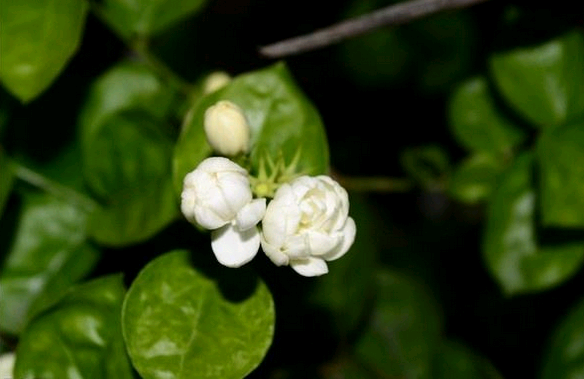
What to do if jasmine won't bloom? Jasmine stays emerald green all year round, and from early summer to late autumn its fragrance lasts for months on end, with pure white, lovely flowers. But sometimes jasmine has lush branches and leaves yet few flowers, and some jasmine plants don't bloom at all. Below is a summary of why jasmine won't bloom and how to handle it.
Reason 1 why jasmine won't bloom: the potting soil is too alkalineJasmine likes loose, slightly acidic soil rich in humus. But for many gardening enthusiasts in northern regions, the soil used for jasmine is too alkaline, which is bad for root growth and in turn prevents jasmine from blooming.
2. Reason why jasmine won't bloom: insufficient lightJasmine is a long-day, sun-loving flowering plant. It likes intense light and relatively high temperatures. There's a saying that "jasmine can't be sunburned to death." The more sun it gets, the more flowers it produces and the more fragrant it becomes, but many gardening enthusiasts don't have very abundant light at home, which leads to jasmine blooming without growing leaves.
3. Reason why jasmine won't bloom: improper watering. Both dryness and waterlogging turn jasmine leaves yellow. When too wet, the leaf tips turn yellow. When too dry, the leaves turn yellow and wither. Because summer light is intense, the air is dry and metabolism is fast, you need to water once in the morning and once in the evening each day, and water thoroughly; if necessary, you should also spray the branches and leaves so the leaf surface stays clear, enhancing photosynthesis and thereby stimulating flower bud formation. 4. Reason why jasmine won't bloom: insufficient nutrientsJasmine is a flowering plant with a fairly strong appetite for fertilizer. In summer, when it enters peak bloom, apply a well-rotted, diluted liquid fertilizer about once a week; during bud formation and blooming, apply a phosphorus-based organic liquid fertilizer twice a week, such as cake fertilizer water, chicken or pigeon manure, bone meal, etc. Alternatively, spray 0.2% monopotassium phosphate 1 to 2 times, and the flowers will be more numerous and colorful with a stronger fragrance.
What to do if jasmine won't bloom: 1. Slightly acidic soilJasmine likes acidic soil, with the same environmental requirements as gardenia. To change alkaline soil into acidic soil, you can add a moderate amount of ferrous sulfate to the soil, drip one or two drops of edible vinegar into the water when watering, use more organic fertilizer and less chemical fertilizer.
2. Plenty of sunlightMove potted plants onto the balcony more often to help them grow buds. If you have a courtyard, put them there; if not, put them on the balcony, and let the jasmine receive as much light as possible.
3. WateringWater once in the morning and once in the evening in summer, preferably with rainwater; if you don't have that, consider tap water that has been left in the sun. In other seasons, water again once the soil dries out.
4. Nutrients during the flowering periodDuring the flowering season, apply a diluted organic liquid fertilizer once a week.
What to do if jasmine won't bloom
Flower and Bonsai Network introduction: Today Flower and Bonsai Network shares with you an article on what to do if jasmine won't bloom. If you're a gardening enthusiast who likes growing jasmine, take a look.
Jasmine won't bloom
Main reasons:Insufficient light
Jasmine is a sun-loving flowering plant. The more sun it gets, the more flowers it produces and the more fragrant it becomes, but many gardening enthusiasts don't have very abundant light at home, which leads to jasmine blooming without growing leaves.
Solutions:
If you have a courtyard, put them there; if not, put them on the balcony, and let the jasmine receive as much light as possible.