How to care for geraniums so they grow well? Practical tips to share
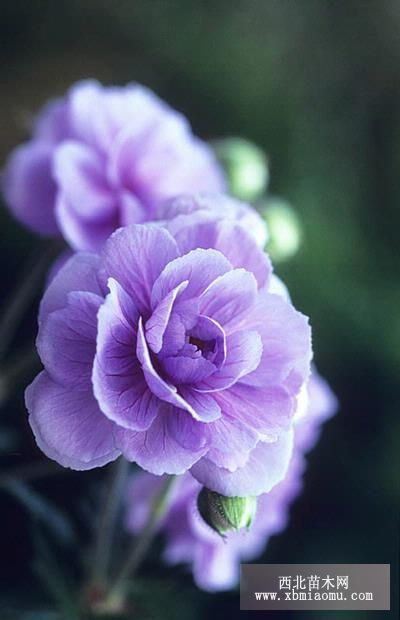
Geranium, also known as Renlahong or Shilahong. It is a pot flower that never stops blooming, ideal for decorating indoors, balconies, or courtyards. Its drawbacks are, first, the flowers are not fragrant, and second, the stems and leaves have a distinctive odor.
Temperature
Geraniums are not cold-tolerant; in winter they can be placed indoors in a sunny spot by a south-facing window. They can also be grown on a large scale in greenhouses and hotbeds. Geraniums like sunlight; in spring they can be moved outdoors to a spot with higher ground, good ventilation and plenty of sunshine. But in summer they fear scorching sun exposure and high temperatures, so they should be placed in a ventilated, cool spot. For indoor growing, besides opening doors and windows for ventilation, a curtain must be used to provide shade and keep them cool. In July to August they enter a semi-dormant state, growing poorly, with flowers and leaves dropping. By September to October they become vigorous again.
Watering
In summer, water every morning at dawn; in the evening, check how dry or moist the potting soil is. If the potting soil is dry, water once more, but this time it should not be a thorough watering. In winter, when temperatures are low and plants grow slowly, daily watering is not needed; generally watering once every 6 to 7 days is enough, and specifically it should also depend on the weather and how dry or moist the potting soil is. In winter, watering at noon is best, to avoid too great a difference between air temperature and water temperature affecting growth. Geraniums are somewhat drought-tolerant and not waterlogging-tolerant; too much water will cause the stems and leaves to grow leggy and affect blooming. Especially when cared for outdoors, if in summer there is prolonged rain with no clearing, tip the pot to drain the water; standing water in the pot is the worst thing.
Fertilizing
At the Start of Spring, Start of Summer and Autumn Equinox each year, apply topdressing at least once each time, and in daily care apply liquid fertilizer little and often. A lack of fertilizer means they cannot bloom well, but too much fertilizer should be avoided, lest the stems and leaves grow leggy. In spring and autumn, generally apply topdressing once every 10 days. From flower bud formation to the blooming period, topdressing can be applied once every 7 days to encourage larger flowers and brighter colors. Fertilizers can be decomposed human manure and urine or cake fertilizer water. The fertilizer-to-water ratio is 1:5. After fertilizing, spray water (commonly called "returning water") to prevent the fertilizer liquid from touching the leaf surface and causing damage. In the height of summer in July to August, the plant is in a dormant state, growth stops, and generally no fertilizing is needed.
Pruning
Regularly remove yellow leaves. After the flowers fade, the plant needs to be pruned and cut back; this work can be done in late summer and early autumn together with repotting and changing the soil. Before repotting, cut the geranium off at about the 3rd to 4th stem node with a sharp knife, leaving about 10 to 15 cm on the stem (called "huitou"). After pruning, do not water for about 4 to 5 days, to help the wound dry and shrink and avoid rotting from contact with water. Pruning can make the plant grow short, sturdy and full. For large geraniums over 3 years old, in order to cultivate tall plants, you can prune only the upper part of the shoot tips. After pruning following blooming, the geranium grows new branches and new leaves again, and new flowers again from the leaf axils, blooming continuously from October of that year to June of the following year, with the heaviest blooming in April to June.
How to care well for geraniums
Geranium, also known as Renlahong or Shilahong. It is a pot flower that never stops blooming, ideal for decorating indoors, balconies, or courtyards. Its drawbacks are, first, the flowers are not fragrant, and second, the stems and leaves have a distinctive odor.
Steps/Methods
Temperature
Geraniums are not cold-tolerant; in winter they can be placed indoors in a sunny spot by a south-facing window. They can also be grown on a large scale in greenhouses and hotbeds. Geraniums like sunlight; in spring they can be moved outdoors to a spot with higher ground, good ventilation and plenty of sunshine. But in summer they fear scorching sun exposure and high temperatures, so they should be placed in a ventilated, cool spot. For indoor growing, besides opening doors and windows for ventilation, a curtain must be used to provide shade and keep them cool. In July-August they enter a semi-dormant state, growing poorly, with flowers and leaves dropping. By September-October they become vigorous again.
Watering
In summer, water every morning at dawn; in the evening, check how dry or moist the potting soil is. If the potting soil is dry, water once more, but this time it should not be a thorough watering. In winter, when temperatures are low and plants grow slowly, daily watering is not needed; generally watering once every 6-7 days is enough, and specifically it should also depend on the weather and how dry or moist the potting soil is. In winter, watering at noon is best, to avoid too great a difference between air temperature and water temperature affecting growth. Geraniums are somewhat drought-tolerant and not waterlogging-tolerant; too much water will cause the stems and leaves to grow leggy and affect blooming. Especially when cared for outdoors, if in summer there is prolonged rain with no clearing, tip the pot to drain the water; standing water in the pot is the worst thing.
Fertilizing
At the Start of Spring, Start of Summer and Autumn Equinox each year, apply topdressing at least once each time, and in daily care apply liquid fertilizer little and often. A lack of fertilizer means they cannot bloom well, but too much fertilizer should be avoided, lest the stems and leaves grow leggy. In spring and autumn, generally apply topdressing once every 10 days. From flower bud formation to the blooming period, topdressing can be applied once every 7 days to encourage larger flowers and brighter colors. Fertilizers can be decomposed human manure and urine or cake fertilizer water. The fertilizer-to-water ratio is 1:5. After fertilizing, spray water (commonly called "returning water") to prevent the fertilizer liquid from touching the leaf surface and causing damage. In the height of summer in July-August, the plant is in a dormant state, growth stops, and generally no fertilizing is needed.
Pruning
Regularly remove yellow leaves. After the flowers fade, the plant needs to be pruned and cut back; this work can be done in late summer and early autumn together with repotting and changing the soil. Before repotting, cut the geranium off at about the 3rd-4th stem node with a sharp knife, leaving about 10-15 cm on the stem (called "huitou"). After pruning, do not water for about 4-5 days, to help the wound dry and shrink and avoid rotting from contact with water. Pruning can make the plant grow short, sturdy and full. For large geraniums over 3 years old, in order to cultivate tall plants, you can prune only the upper part of the shoot tips. After pruning following blooming, the geranium grows new branches and new leaves again, and new flowers again from the leaf axils, blooming continuously from October of that year to June of the following year, with the heaviest blooming in April-June.
How to care well for geraniums?
Geranium, also known as Renlahong or Shilahong. It is a pot flower that never stops blooming, ideal for decorating indoors, balconies, or courtyards. Its drawbacks are, first, the flowers are not fragrant, and second, the stems and leaves have a distinctive odor.Temperature. Geraniums are not cold-tolerant; in winter they can be placed indoors in a sunny spot by a south-facing window. They can also be grown on a large scale in greenhouses and hotbeds. Geraniums like sunlight; in spring they can be moved outdoors to a spot with higher ground, good ventilation and plenty of sunshine. But in summer they fear scorching sun exposure and high temperatures, so they should be placed in a ventilated, cool spot. For indoor growing, besides opening doors and windows for ventilation, a curtain must be used to provide shade and keep them cool. In July—August they enter a semi-dormant state, growing poorly, with flowers and leaves dropping. By September-October they become vigorous again.
Fertilizing. At the Start of Spring, Start of Summer and Autumn Equinox each year, apply topdressing at least once each time, and in daily care apply liquid fertilizer little and often. A lack of fertilizer means they cannot bloom well, but too much fertilizer should be avoided, lest the stems and leaves grow leggy. In spring and autumn, generally apply topdressing once every 10 days. From flower bud formation to the blooming period, topdressing can be applied once every 7 days to encourage larger flowers and brighter colors. Fertilizers can be decomposed human manure and urine or cake fertilizer water. The fertilizer-to-water ratio is 1:5. After fertilizing, spray water (commonly called “returning water”) to prevent the fertilizer liquid from touching the leaf surface and causing damage. In the height of summer in July—August, the plant is in a dormant state, growth stops, and generally no fertilizing is needed.
Pruning. Regularly remove yellow leaves. After the flowers fade, the plant needs to be pruned and cut back; this work can be done in late summer and early autumn together with repotting and changing the soil. Before repotting, cut the geranium off at about the 3rd—4th stem node with a sharp knife, leaving about 10-15 cm on the stem (called "huitou"). After pruning, do not water for about 4—5 days, to help the wound dry and shrink and avoid rotting from contact with water. Pruning can make the plant grow short, sturdy and full. For large geraniums over 3 years old, in order to cultivate tall plants, you can prune only the upper part of the shoot tips. After pruning following blooming, the geranium grows new branches and new leaves again, and new flowers again from the leaf axils, blooming continuously from October of that year to June of the following year, with the heaviest blooming in April-June.