How to grow Chinese roses? Detailed guide to cultivation methods and precautions
Chinese roses prefer a sunny, well-ventilated, well-drained and sheltered environment, and dislike shady conditions. In the heat of midsummer, appropriate shade is needed. When the winter temperature drops below 5°C, they enter dormancy. When the summer temperature stays above 30°C, they enter semi-dormancy. They can withstand low temperatures of -15°C and high temperatures of 35°C. In East China, with proper management, the flowering period can last from April to November. Under greenhouse cultivation, they can even bloom continuously all year round. Below is a detailed introduction to how to grow Chinese roses:
1. Choosing flower pots for growing Chinese roses
The flower pots used for cultivation should preferably be permeable and breathable; ordinary clay pots are best, and a decorative ceramic pot on the outside can enhance their appearance. New clay pots are best soaked in water before use. For young seedlings that have just rooted from cuttings, use a 15 cm small flower pot; for 1- to 2-year-old seedlings, use an 18-20 cm pot; afterward, gradually switch to larger pots as the plant grows.
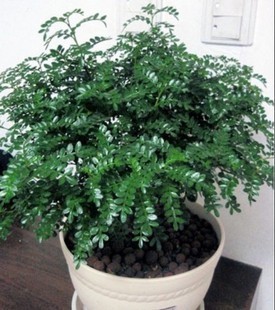
2. Choosing potting soil for growing Chinese roses
Chinese roses like fertile, moist soil and are afraid of drought and waterlogging, so you must choose a sandy loam that is loose in texture, rich in organic matter, well drained and aerated, and also has water- and fertilizer-retaining capacity. They can be grown in soil with a pH range of 5.6-7.2, but soil that is slightly acidic to slightly alkaline at 6.8-7.2 is better. The growing medium can use 5 parts garden soil, 3 parts refuse soil, 2 parts rice husk ash, plus an appropriate amount of rapeseed cake. Or use 4 parts horse manure, 4 parts garden soil, 2 parts river sand, plus a small amount of rapeseed cake and bone meal.
3. Temperature requirements for growing Chinese roses
Potted Chinese roses can safely overwinter indoors. Pay attention to cooling during hot seasons. The most suitable temperature for Chinese roses is 18-20°C, so flowers blooming in April-May and September-October are large, have many petals, vivid color and strong fragrance. When the temperature rises above 25°C, growth speeds up, but the flowers do not last long; in high temperatures above 30°C and humid weather, not only are the flowers small, few-petaled, pale and lightly fragrant, but various pests and diseases also easily occur. Under high temperature and dry conditions, they may shed leaves and go dormant, stopping growth and flowering. Above 5°C they can continue to grow and bloom, but very slowly. Below 5°C, growth stops and they enter dormancy.
4. Light requirements for growing Chinese roses
Chinese roses are sun-loving plants and like ample sunlight; daily light exposure must not be less than 5-6 hours, otherwise the branches and leaves become weak, leggy, and flowering is poor with dull colors. Generally, it is suitable to place them in a spot with ample light, but if placed on concrete ground beside tall buildings, pay attention to appropriate shading and sun protection around midday in summer.
5. Watering methods for growing Chinese roses
Watering Chinese roses should be moderate, neither too dry nor too wet. When new branches and leaves grow in March, water once every 2 days in the morning. When flower buds form in April, water once a day. After entering the flowering period in May, if the potting soil is too dry or too wet, it will cause flower drop; generally water once around 8 a.m., and around 4 p.m. add an appropriate amount of water as needed. Follow the principle of "do not water until dry, and when watering, water thoroughly." In summer, the leaves need frequent spraying to cool down.
6. Fertilization methods for growing Chinese roses
Master the principle of "light fertilizer applied frequently," and avoid applying raw or concentrated fertilizer. In winter, apply a small amount of organic fertilizer at the roots to enhance cold resistance for overwintering. In early March before sprouting, you can apply relatively higher-concentration liquid fertilizer such as decomposed human manure, bean cake, chicken and duck manure, or fish innards. When buds are about to open, apply 1 additional light liquid fertilizer. In summer after the flowers fade and before the axillary buds develop, apply 1 moderate-concentration decomposed liquid fertilizer to promote abundant flowering in autumn.
Potted Chinese roses can be given appropriate additional fertilizer, mainly cake fertilizer: apply 50 grams for one-year-old plants, 70 grams for 3-year-old plants, and 100 grams for 4- to 5-year-old plants. During the growing season, diluted liquid fertilizer can also be applied, commonly decomposed water from horses' hooves, water from sesame paste residue, or diluted chemical fertilizer solution.
7. Precautions for growing Chinese roses
(1) Chinese roses have strong cold resistance and can withstand low temperatures of -10°C. Generally speaking, in the south they do not need to be moved indoors for winter and only need to be placed under a south-facing eaves. After flowering in October, do not prune, so as not to stimulate new shoots. Stop applying nitrogen fertilizer and instead apply phosphorus and potassium fertilizer to make the branches sturdy and full, enhancing cold resistance. When freezing, do not let them lose water, to prevent death from dry freezing.
(2) Generally, when new shoots grow to 15-20 cm, cut off about 3 cm from the top to stimulate lateral buds to sprout. When the lateral branches grow to a certain length, continue pinching until the required number of branches is reached.
(3) Potted Chinese roses dry out very easily in the pot, and nutrients are easily lost, so during the growing period, water and fertilize in a timely manner. In spring, water thoroughly once every 2-3 days, then as the temperature rises change to watering once a day, and in hot summer also add an appropriate amount of water once a day. Of course, do not let water accumulate in the pot; after heavy rain, pay attention to drainage, otherwise long-term waterlogging will cause root rot.
(4) Chinese roses should be potted in early spring before sprouting, using decomposed sesame paste residue and horseshoe slices as base fertilizer. Place the young seedling with its soil ball in the center of the pot, add soil around it until it is 2-3 cm below the pot rim, press the soil firm, water thoroughly, place in a shady spot, and after a week move to a sunny place.
8. Propagation methods for growing Chinese roses
Sexual propagation is mostly used to breed new varieties. In home cultivation, cuttings and grafting are simple and easy, and are used more often.
Cuttings are mostly taken in spring when temperatures are above 15°C, or in early summer and early autumn. To increase the survival rate, you can first perform ring-barking on the plant, and after callus tissue forms, cut off the branch and root it as a cutting.
Grafting is the main means of propagating Chinese roses. Choosing a suitable rootstock is key. Currently commonly used rootstocks include wild rose, pink cluster rose, and others. Grafting is carried out during the dormant period, often using stem grafting. In the south, from December to February of the following year; in the north, in spring before the leaf buds sprout. During the growing season, bud grafting is used; after grafting, management should be strengthened.
Cultivation methods and precautions for Chinese roses
Flower Bonsai Network introduction: Today Flower Bonsai Network shares an article about the cultivation methods and precautions for Chinese roses. How to grow Chinese roses? Let's take a look.
Chinese roses perform relatively well in fertile clay loam, growing best at pH 6-7. Therefore, for open-field cultivation, choose a plot with high, dry terrain, good drainage and light clay loam rich in humus. If the soil is too heavy or contains too much lime, more organic fertilizer should be applied to improve it. For potted Chinese roses, the soil should preferably be prepared from 3 parts compost soil, 2 parts peat soil, and 5 parts garden soil. For potting seedlings, reduce the compost soil by 1 part and replace it with plant ash.
Planting is also carried out in early to mid-March in spring, or in autumn from late October to early January, and should not be too late. Earlier planting in autumn takes advantage of gradually falling air temperatures while soil temperatures remain relatively high, allowing the root system of Chinese roses to recover to some extent after planting, which is more advantageous than spring planting. However, in regions with cold winters or for varieties not cold-resistant, autumn transplanting reduces cold resistance, so spring planting is preferable.
The spacing between plants and rows and the size of the holes dug for planting depend on the size of the seedlings planted. For one-year-old seedlings, plant spacing is 30 x 45 cm, planted in furrows 30 cm wide and 35 cm deep. For large seedlings, plant spacing is 40-50 x 50-70 cm, planted in holes with a diameter of about 30 cm and a depth of 50 cm. At the bottom of the furrow or hole, first fill in 15-25 cm of base fertilizer, cover with a layer of soil, then place the Chinese rose in the center. For grafted seedlings, the graft union should be 2-3 cm below the ground; for cutting seedlings, maintain the original depth. Fill soil to half, press firmly around the edges, then add more soil until slightly below ground level, and water. After the water seeps down, cover with the remaining soil. After planting, heavy pruning should be carried out, generally leaving 3-5 branches, each with 4-7 buds.
Watering Chinese roses depends on the soil conditions: generally late spring and early summer are relatively dry, and this is also a period of vigorous growth for Chinese roses, so water once every 5-10 days. Entering the rainy season and high-temperature season, pay attention to drainage and waterlogging prevention. After early autumn, Chinese roses again enter a growth peak, but if soil moisture is good, then do not water until the surface soil is dry.
Chinese roses like fertilizer, and since they bloom continuously, they need a relatively large amount of fertilizer and should be replenished in time. In spring, 10 days before budding, water with liquid fertilizer twice in a row, with the fertilizer not too concentrated. Afterward, apply liquid fertilizer once every half month. Stop fertilizing during the high-temperature period in July-August. The liquid fertilizer can be diluted human and animal manure, and can be applied alternately with chemical fertilizer. In autumn, only open furrows around the plant and fill them with organic fertilizer mixed from compost, cake fertilizer and bone meal.
Cut off the suckering shoots from the rootstock of grafted seedlings, and after flowering cut off the spent flowers with leaves and thin out excess flower buds. After the first batch of flowers, it is best to cut weak flower branches from the base; for the remaining thick flower branches, generally cut them below 2-3 leaves along with the spent flowers. After the second batch of flowers, pruning can still be done by thinning weak branches and keeping strong branches and strong buds.
Winter pruning varies with variety and cultivation purpose. When pruning, not only should branches be selected and retained, but attention should also be paid to making the plant cluster uniform. Large-flowered varieties are suitable for retaining 4-6 strong branches, selecting a strong lateral bud on each branch at 30-45 cm and cutting off the upper part of the branch. For climbing and vine varieties, thin out old branches, cut off weak, diseased and pest-damaged branches, and train the main trunk.
The main diseases of Chinese roses are powdery mildew and black spot. For control, in winter clear away dead branches and fallen leaves in the garden, spray 5-degree lime sulfur mixture before sprouting, and after sprouting spray 800-fold thiophanate solution or 0.3-degree lime sulfur mixture once every half month, for 3 consecutive sprays.
Common pests of Chinese roses include aphids, red spiders, whiteflies, scarab beetles and stem borers. The first three can be sprayed with 40% dimethoate 1,500-fold solution, malathion 800-fold solution, or carbofuran 2,000-fold solution. For scarab beetles, manual capture should also be carried out in the evening. For stem borers, the damaged branches can be cut off and burned, or the larvae captured and killed.
For potted Chinese roses, first choose dwarf, many-flowered and richly fragrant varieties, such as Rumba, Wishful, Independence, Spring in Full Garden, Circus, Nightclub, Perfect, Vermilion Double Radiance, Taiye Fusai, Masquerade Ball, Little Colorful Splendor and other varieties. Choose the flower pot according to the size of the plant. For rooted cutting seedlings, an 8-10 cm small pot can be used at first, while grafted seedlings are better in a pot with a diameter of 15 cm, later gradually changing to a 25-30 cm large pot. When potting, besides covering the drainage hole with a tile at the bottom, first fill a layer of coarse sand or small stones, then add potting soil and base fertilizer, cover the base fertilizer with another layer of potting soil, then place the plant in, fill with soil and press firm, water thoroughly, and place in a sheltered, sunny spot.
Before the plant sprouts and grows, keep the potting soil moist, and do not water until dry. After sprouting, gradually increase the frequency of watering, and in summer water once in the morning and once in the evening each day. During the growing period, apply liquid fertilizer twice a month; the fertilizer should be light, and stop fertilizing in mid-October.
Winter pruning of potted Chinese roses is more important than that of open-field Chinese roses. Besides cutting off weak branches, all strong branches should be cut from the base leaving only 3-5 cm. This not only controls their height, but because of the heavy pruning, sprouting is neat, and new branch vigor, flower size, opening period, etc. are relatively uniform. During the growing period, besides thinning weak branches at the base, after each flowering, when cutting off spent flowers, the first leaf below the flower with 5 small leaflets should be cut off as well.
For overwintering potted Chinese roses, they are generally moved indoors in early winter. But at ordinary room temperature, the plant cannot get sufficient dormancy, and if the room temperature is slightly high, it will sprout and grow branches. Because light and temperature both cannot meet the requirements for normal growth, this causes thin branches and small leaves, and some of the nutrients stored in the branches are wasted, seriously affecting the flowering quality the next year. For this reason, potted Chinese roses should not be moved indoors for winter; it is best to bury the whole pot in the ground in a sheltered spot in early winter, water thoroughly once, and cover the pot surface with fallen leaves and weeds. If there is no condition to bury them in the ground, after pruning they can also be placed at the foot of a sheltered, sunny wall, and the flower pots protected with soil or straw, watering once around noon about every half month to prevent the potting soil from becoming too dry and damaging the root system.
Chinese roseCultivation techniques
Prune well once: that is, while flowering, promptly cut off some overly dense outer flower branches, thin branches and clustered branches of potted Chinese roses, to encourage the plant to produce some new nutrient branches to replace the old flowering branches. The specific method is: when the flowers on a flowering branch fade, cut the branch short below the flower by 3 to 5 nodes. In principle, long flowering branches are cut longer and short flowering branches are cut shorter. Main flowering branches are cut long; lateral flowering branches are cut off where they meet the main branch; the terminal flowering branches on each main branch are thinned by removing weak ones and keeping strong ones, with heavy pruning, to stimulate vigorous new branches from the lower nodes of the main branches.
Do a good job of bud thinning once: during the growing period of Chinese roses, carry out bud removal, bud thinning and removal of spent flowers. Bud removal means removing excessive young buds growing in spring, leaving 2 to 3 on the main branches, so that nutrients are concentrated to supply the main branches, making the plant grow quickly, the branches sturdy, and the flowers large, full and vivid. The purpose of bud thinning is to avoid excessive and deformed flowers, which both waste nutrients and spoil the beauty of the flower shape. Removing spent flowers means promptly cutting off the flowers and the two compound leaves below them when the flowers fade. When there are many flowers, some can be removed, which both concentrates nutrients and helps prolong the flowering period and achieve staggered opening.
Water well twice with fertilizer: organic fertilizer plus compound fertilizer, with 0.5 kg of compound fertilizer (15:15:15) per load of water plus 2 kg of composted organic fertilizer, watered once every half month, and so on.
Spray three rounds of pesticide: after May, which is the rainy season, black spot and powdery mildew pathogens easily breed, so spray Bordeaux mixture or alternate thiophanate, chlorothalonil, and fungicide every 10 days or so.
Sprinkle water many times to cool down: Chinese roses are by nature averse to heat and grow best at temperatures of 20°C to 25°C. On sunny summer days, the noon temperature is mostly above 30°C, so water should be sprayed between 10 a.m. and 3 p.m. to cool down, keeping the tips of the Chinese roses upright and fresh.
Tidy the seedbed: clear away fallen leaves and weeds, and keep the Chinese rose seedlings uniform.
All right, the above are the cultivation methods and precautions for Chinese roses. Have you learned them?
How to grow Chinese roses, cultivation methods and precautions for Chinese roses
Some people call Chinese roses the "queen of flowers," and some call them "evergreen flowers," but no matter what name Chinese roses are given, they can quietly and softly bloom in their own season. Although the growing conditions for Chinese roses are not very harsh, there are still many restrictions. Today, the (3456.TV) editor shares with you how to grow Chinese roses, and the cultivation methods and precautions for Chinese roses:
Cultivation methods and precautions for Chinese roses: 1. Temperature:They like warmth, fear heat, and are relatively cold-resistant. The most suitable growing temperature for Chinese roses: 22-25°C. (PS: optimum temperature 15-26 °C during the day. 10-15°C at night).
2. Sunlight:Chinese roses like a sunny, well-ventilated, well-drained and sheltered environment. Dear, remember not to grow our Chinese roses in a dark, damp place! Now midsummer is coming soon, so give the flowers appropriate shade! Otherwise the blooming flowers easily dry out.
3. Moisture:Our Chinese roses like moisture (relative air humidity should preferably be 75%-80%), and at the same time they can also tolerate a certain degree of drought. At a glance, they are clearly not hothouse flowers.
4. Soil:The soil for planting Chinese roses should be fertile, loose and well drained. When I was little, I often dug spring soil to plant them, and it felt pretty good. In the city it is not so easy to find. Here I remind flower-loving students that the soil chosen must not be the kind that clumps, because drainage is poor. You can choose slightly acidic soil rich in humus. Actually, Chinese roses also have a relatively wide range of adaptability to soil.
5. Fertilization:After May is the peak growing season for Chinese roses. Every 10 days, apply topdressing once. You can use decomposed fermented fish liquid or vegetable leaf liquid, mixed at a ratio of 3 parts fertilizer to 7 parts water, and apply it. Stop fertilizing in November.
6. Watering:For watering Chinese roses, we first need to understand one point: because each person's chosen soil, light, temperature, humidity and other growing conditions differ, when watering we can water according to how dry the potting soil is. My principle for watering the flowers is: do not water until dry, water when dry, and when watering, water thoroughly.
7. Pruning:The first post-flowering pruning is carried out in mid-to-late May. Promptly cut off spent flowers to avoid seed formation, so as to concentrate nutrients for sprouting new branches and make the second flowering large and beautiful. For relatively strong branches, prune lightly to appropriately suppress their growth, retaining 4-5 buds; for moderately developed branches, prune moderately, leaving 2-3 buds and cutting off the upper part; for weaker-growing branches, prune heavily, leaving only 1-2 buds to promote the sprouting of strong branches. In this way, because the degree of pruning on different new branches differs, the plant shape develops in a balanced way, avoiding uneven branches or leggy growth. When pruning, note that the cut should be 0.5 cm above the bud; too high not only affects appearance but also delays branch sprouting.
8. Propagation:When I was in school, I often liked to use cuttings to grow Chinese roses. Chinese roses have extremely strong vitality. At that time, I would directly break off a branch of a Chinese rose and stick it into the soil, and after a week it would grow successfully. Here I introduce a more scientific method to you: cut the removed branches into 10-15 cm cuttings, insert them into nutrient pots or small flower pots, place them in a place with weaker light, keep the temperature at around 20°C, and once roots form and leaf buds grow into branches, they can be repotted and transplanted.
9. Loosening soil and weeding:Along with clearing weeds from the pot surface, you can use a fine wire rake to gently break the surface layer around the flower pot, enhancing the looseness and aeration of the potting soil and promoting normal root growth.
10. Pest and disease control:The area where flower pots are placed should regularly be sprayed with 15% quicklime water or carbendazim or potassium permanganate aqueous solution for sterilization. July-August, the rainy season with high temperatures, is a high-incidence period for leaf spot and powdery mildew. Spray with 0.3-0.5 degree Baumé lime sulfur mixture once a week, for 2-3 sprays in total. From June to July, if longhorn beetle larvae are found causing damage, the branch tips should be cut off immediately. For other leaf-eating pests, once discovered, spray 800-fold monocrotophos immediately for control, which can kill eggs and larvae.
The above are the cultivation methods and precautions for Chinese roses shared by the editor. If you are a beginner at growing Chinese roses, the above methods are still quite useful! I hope the editor's sharing is helpful to you.