Not all flowers and plants can be grown indoors; choosing the right varieties is key
Not all flowers and plants can be grown indoors. For example, some flowers and plants produce a strong fragrance when they bloom that makes people dizzy and short of breath, some have toxic sap, some release odors that cause allergies, and some have thorns. These flowers and plants are not suitable for indoor placement.
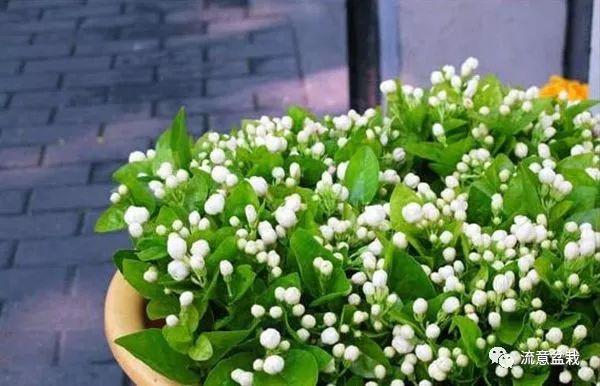
The fragrance of night-blooming jasmine (Cestrum nocturnum) is toxic, and the fragrance of lilac (Syringa) is rich; patients with high blood pressure and cardiovascular disease will feel chest tightness and discomfort, and their condition may worsen.
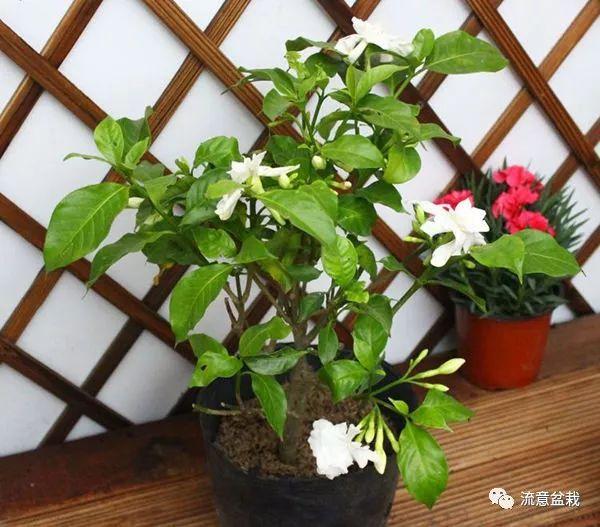
The fragrances of Chinese rose (Rosa chinensis), lily (Lilium), and orchid (Orchidaceae) can make people overly excited and unable to sleep when smelled for a long time. Geranium (Pelargonium) has a strange odor, and tulip (Tulipa) flowers contain toxic alkaloids; sensitive people may experience asthma and nausea. Jasmine (Jasminum) and epiphyllum (Epiphyllum) have rich fragrances, and smelling them for a long time can cause breathing difficulty and dizziness.
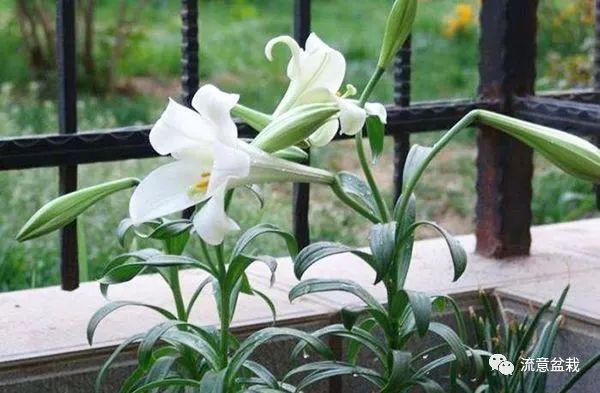
Narcissus (Narcissus) is toxic in all parts, cannot contact the skin, and must not be eaten by mistake, otherwise it can cause enteritis, abdominal pain, or general convulsions.
The white sap of poinsettia (Euphorbia pulcherrima) is toxic and can cause skin redness and swelling, and ingestion can be life-threatening. The stems and leaves of calla lily (Zantedeschia aethiopica) contain toxic substances such as alkaloids, and ingestion can cause poisoning.

White-flowered and yellow-flowered rhododendrons (Rhododendron) contain toxins, and ingestion can cause numbness in the hands and feet and difficulty breathing; lycoris (Lycoris) is toxic in all parts, and eating the flowers can cause difficulty speaking and, in severe cases, death; wisteria (Wisteria) seeds and stem bark are toxic, and ingestion can cause vomiting, diarrhea, and in severe cases death. The spines of cacti (Cactaceae) contain toxic sap, and piercing the skin can cause redness, swelling, and itching.
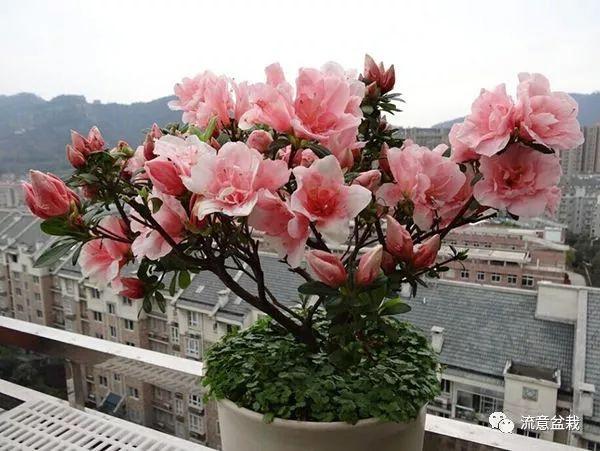
The pollen of rose (Rosa), Chinese rose (Rosa chinensis), and lily (Lilium) can cause allergies; blackberry lily (Belamcanda chinensis), iris (Iris), Clematis tangutica, paper bush (Edgeworthia chrysantha), Duranta erecta, datura (Datura), red impatiens (Impatiens), Dipsacus, high mountain snow, red-backed osmanthus, broad-leaved kiwi (Actinidia), and crown-of-thorns (Euphorbia milii) contain cancer-promoting substances. Although they do not necessarily cause cancer, they are accomplices to cancer. Although the above flowers and plants are beautiful, try not to plant them, especially for gardening friends who have children at home, please pay even more attention!
Friends are welcome to leave comments in the comment section and share the flower-growing problems you encounter. Operator Hua Xiaoxiao: liuyi21a