12 things you must know about dental implants

A dental implant restores missing teeth by using an artificial tooth root (the implant) to support an artificial crown (the denture).
The implant is like a small screw made of titanium metal, which, by bonding closely with the surrounding tissue, allows the implant to be firmly fixed within the jawbone.
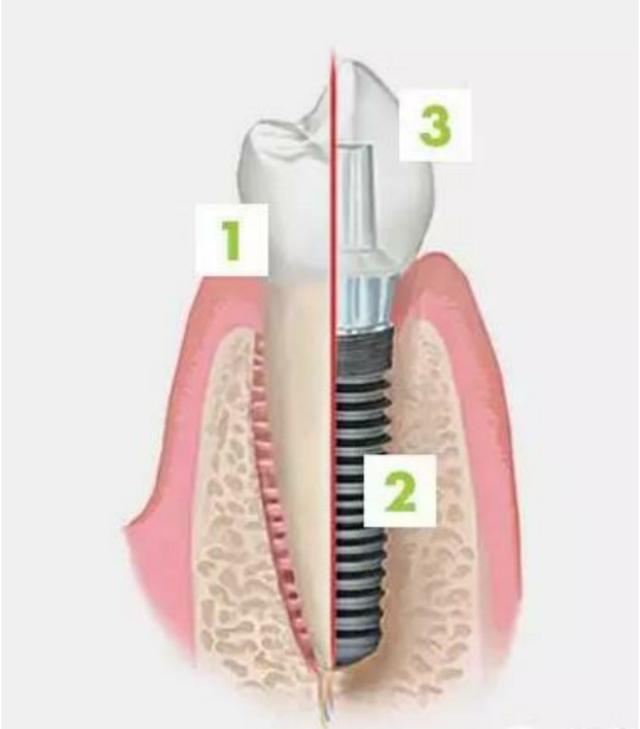
(Figure 1. [1] Natural tooth, [2] Implant, [3] Artificial crown)
The denture is usually made from metal and ceramic materials.
Dental implant treatment mainly has two stages: 1. Placing the implant 2. Making the denture.The implant is placed surgically under local anesthesia, and the sutures are removed after about one week.
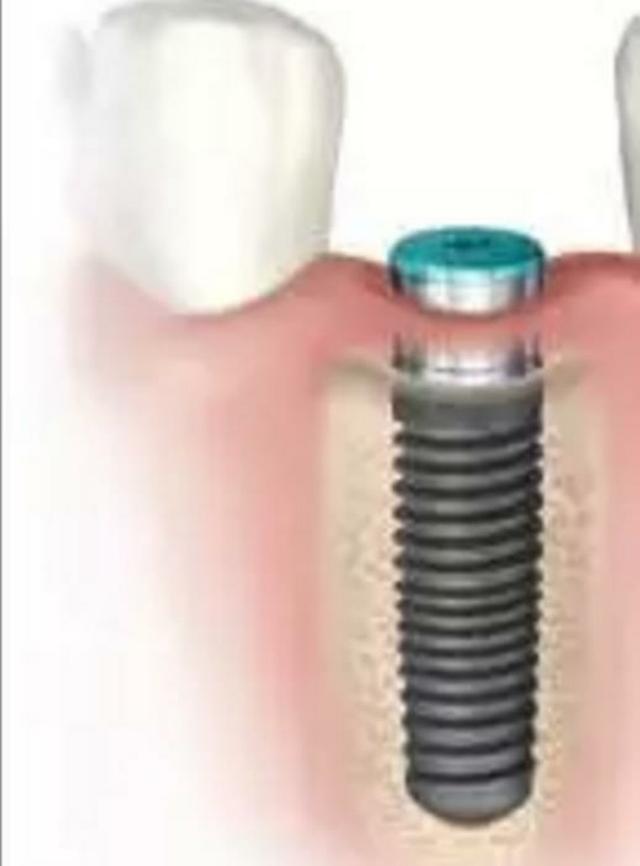
(Figure 2. The process of the dental implant healing within the alveolar bone)
The implant and thealveolar bone bondusually takes 3-24 weeks, depending on the individual's condition and the type of implant. If the bond is good, you can begin taking an oralimpression and making thedenture. After about 2 more weeks, you canwear the denture。
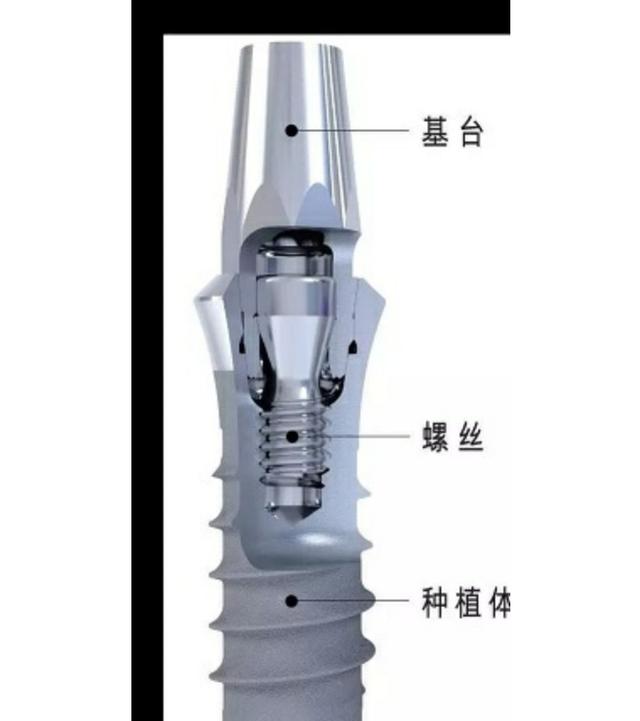
(Figure 3. The internal structure of the implant: implant, abutment, fixation screw)
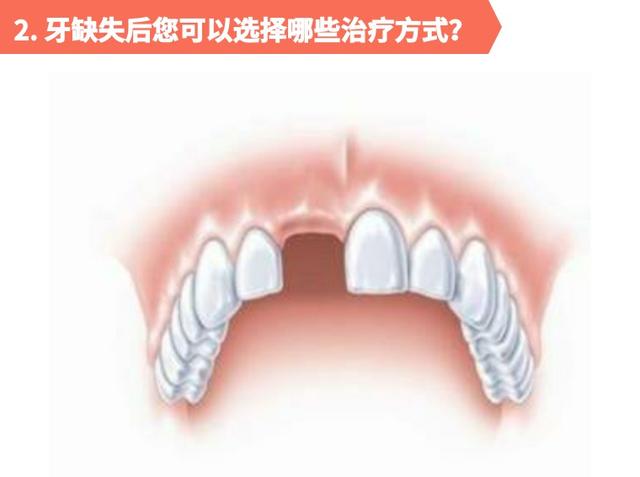
After tooth lossit not only affects your appearance and function, but if left unrestored for a long time, it can also causejawbone resorption, tilting of adjacent teeth, and over-eruption of opposing teeth.
You generally have four main restoration options, each with its own indications and contraindications.
1. Dental implants
Dental implants can replace a single tooth, multiple teeth, or a full set of teeth.
Compared with conventional dentures, dental implants have the followingadvantages:1.Better support, retention and stability;2.Avoids damage to the tooth structure caused by grinding down natural teeth;3.Better comfort.
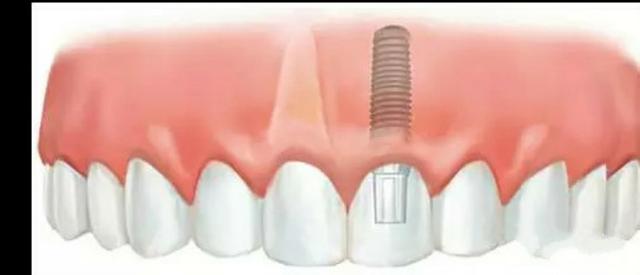
(Figure 4. Using an implant to support a crown in the anterior tooth area to replace a single tooth)
(Figure 5. Using implants to support a bridge in the posterior tooth area to replace multiple teeth)
[Figure 6. Various options for implant treatment of full-mouth tooth loss ((1) Fixed (2) Bar-clip removable denture (3) Ball-cap removable denture)]
2. Tooth-supported fixed denture
A fixed denture, also called a fixed bridge, is joined as a single unit through retainers and artificial teeth, and is fixed with adhesive to the natural teeth or tooth roots at both ends or one end of the edentulous space, in order to restore the missing teeth.
(Figure 7. Fixed bridge)
This type of denture requires grinding down natural teeth (sometimes this needs to be done under local anesthesia), but it offers good comfort,requires no removal or insertion by the patient, and restores function and appearance well.
3. Tooth-supported removable partial denture
(Figure 8. Removable partial denture)
This type of denture uses the natural teeth and the gums as support, and can be repeatedly removed and inserted. However, the denture is bulky with many components, and often causes a foreign-body sensation when first worn, sometimes affecting speech; its stability and chewing efficiency are inferior to those of fixed dentures, and it requires a certain amount of time to get used to.
4. Complete denture
(Figure 9. Traditional complete denture (removable false teeth))
The traditional complete denture uses the gums and mucosa to provide retention. However, after natural teeth are lost, the alveolar bone gradually resorbs, which affects the stability of the denture and further affects your chewing function and comfort.The denture may need repeated adjustments to achieve a satisfactory result.In this situation, supporting the complete denture with implants can effectively improve the retention of the denture.
Dental implants have a history of more than 40 years, and have been proven to be a safe and effective method of treating missing teeth. Nowadays, implants can achieve ideal osseointegration after being placed in the alveolar bone (success rate over 98%).
Aboutthe material used to make implants - titanium metal, it has very good biocompatibility, which is also the reason the implant can bond closely with bone tissue, and its metal toxicity is negligible. Cases of patients being allergic or rejecting titanium metal are very rare.
(Figure 10. Anatomical structures that may affect dental implant surgery)
However, implant placement is, after all, a surgery, and the patient's overall condition must be considered comprehensively before surgery. For example, if you have high blood pressure and it is not stably controlled before surgery, then a specialist physician and a dental surgeon must work together before the dental implant surgery can be carried out.
As for the implant surgery itself, the position and shape of some important structures in your maxillofacial region (such as the mandibular nerve and the maxillary sinus) will increase the surgical risk and difficulty. To avoid damaging these important structures during surgery, we require you to have an X-ray taken before surgery as a reference, so that the dentist can combine these materials with your specific situation to analyze the degree of surgical risk.
Most people in good health can undergo dental implant treatment. We especially hope that you have clean and healthy oral hygiene before dental implant treatment. This is because plaque accumulation and gingivitis caused by poor oral hygiene will affect the success rate and service life of dental implants.
There are also some situations that may indirectly affect the success rate of dental implant treatment. We hope that when you consult the dentist, you will inform them of your current physical condition, whether you are taking medication, how much you smoke, and other information.
For example:
If you have diabetes, we strongly recommend that you strictly control your blood sugar before your visit.
Smoking also increases the probability of dental implant complications. To achieve a better result, we recommend that you quit or reduce smoking before planning to get implants.
Periodontal disease is also one of the factors causing complications after implant treatment surgery. Therefore, before receiving implant treatment, we strongly recommend that you complete the relevant periodontal treatment and maintain oral hygiene.
(Figure 11. Jawbone resorption after tooth extraction)
As introduced earlier, the position and shape of some important structures (such as the mandibular nerve and the maxillary sinus) will affect the position of implant placement. Some patients have relatively severe alveolar bone resorption, which also results in there being insufficient alveolar bone to support the implant, increasing the difficulty of surgery. Sometimes, although there is a sufficient amount of alveolar bone, the bone quality is very sparse, which also affects the efficiency of the implant bonding with the bone.
Usually an X-ray can help confirm the quality and remaining amount of the alveolar bone. If the bone volume is insufficient, you will also need to undergo bone augmentation surgery before or at the same time as the implant surgery.
The treatment process and time vary from person to person; your own oral condition and your requirements for the implant result will both affect the entire treatment plan. Usually, the treatment time for relatively simple cases is 1 - 3 months, however, some complex cases may require more than a year of treatment time.
(Figure 12. The general process of dental implant treatment)
After your first consultation and examination, the dentist will provide you with a treatment plan, which includes the number of visits and the period that may be required. Usually, if your oral hygiene reaches a certain standard, the dental implant surgery can be carried out. If you yourself have periodontal disease, dental caries, periapical disease, etc., you may need to complete these treatments before implant surgery can be performed.
Generally, implant treatment is divided into two parts, the implant placement surgery and the crown restoration.If you also need a tooth extraction at your first visit, then usually 6 - 12 weeks are still needed after the extraction before implant surgery can be performed. In some special situations, implant restoration can be done on the same day as the extraction (called immediate implantation), which requires you to have the corresponding oral conditions.
After the implant is placed, it takes about 3-12 weeks for it to bond closely with the alveolar bone, and only then can the crown be made.Usually, making the crown takes 1 - 3 weeks, depending on the processing requirements. In short, the entire treatment process requires multiple follow-up visits. There are also some special situations in which the crown can be worn on the same day the implant is placed (called immediate loading), but this also requires you to have the corresponding oral conditions.
The implant surgery will be performed under effective local anesthesia, and you will not feel pain.
After surgery, because the anesthetic wears off, you may have a certain degree of discomfort; this degree also varies from person to person, and is generallytemporary and controllable。
The pain that appears after surgery can be controlled by taking painkillers (such as paracetamol). According to our clinical research (a total of 63 patients), if it is only a simple implant surgery, about half of the patients need to take painkillers on the first day after surgery, a quarter of the patients need to take them until the fourth day after surgery, and by the sixth day after surgery, only 5 patients reported that they still needed to take painkillers.
The more common discomforts in clinical practice mainly come from swelling, pain, hematoma and bleeding.Some other relatively serious complications caused by surgery occur occasionally, but they are all very rare.
The following are the degrees of swelling and pain of patients after surgery from our clinical observations:
(Figure 13. Patients' self-reported degree of swelling after surgery - 0-10 self-rating scale (no swelling - very obvious swelling), from the 1st day to the 14th day after surgery)
Implant surgery(63 patients) = usually refers to relatively simple, straightforward implant surgery
Implant surgery with simultaneous bone augmentation(70 patients) = guided bone regeneration performed at the same time during the implant surgery
(Figure 14. Patients' self-reported degree of pain after surgery - 0-10 self-rating scale (no pain - very obvious pain), from the 1st day to the 14th day after surgery)
Implants need a healthy and clean oral environment.
Usually,prevention is more effective than treatment. We recommend that you go to the hospital for a check-up at least once a year:the health of the soft tissue around the implant and the condition of the denture. The dentist or dental hygienist will help you clean and maintain your oral hygiene. If the cleaning is not thorough enough, the dentist or dental hygienist will ask you to make multiple follow-up visits.
We also hope that you can carry out oral cleaning with guaranteed quality and quantity,brushing twice a day, rinsing the mouth, and using dental floss and interdental brushes, etc., are all the most basic requirements.Because the structure of dental implants differs from that of natural teeth, you sometimes also need some specific cleaning tools。
(Figure 15. Cleaning with dental floss)
(Figure 16. Cleaning with a specially made interdental brush)
Dental implant dentures can replace a single tooth, several consecutive teeth, or an entire row of teeth.Correct placement and restoration will give dental implants a satisfactory aesthetic result. At present, advanced clinical techniques and materials can already enable dental implant restorations to achieve satisfactory aesthetic results. Generally, the difference between dental implants and real teeth cannot be seen; they are hard to tell apart.
(Figure 17. Dental implant restoring a single missing anterior tooth)
(Figure 18. Dental implants restoring full-mouth missing teeth of the upper and lower jaws)
The dentist will rebuild and beautify the oral cavity according to your own conditions.Your own conditions generally refer to the quality and quantity of the bone and soft tissue around the implant. Some cases with insufficient soft tissue (for example, gum defects) may require a soft tissue graft (for example, taking a piece of mucosa from the palate) to obtain an ideal aesthetic result; some cases may only achieve a better restoration result by lowering the aesthetic requirements, and this needs comprehensive consideration.
At present, there are some tools that can help the dentist understand the factors that may affect the aesthetic result of your oral cavity, and the dentist will discuss the treatment plan with you based on this. If aesthetics is your main demand, you can tell the dentist, so that it can be made a main factor in formulating the plan.
Dental implants simulate the root of a real tooth fixed in the alveolar bone, to support the crown in carrying out normal chewing function.Therefore, for general eating, in terms of function and comfort, you will not feel any difference between dental implants and real teeth.
But unlike dental implants, real teeth have a layer around them calledperiodontal ligament tissue, which isa natural pressure-sensing organ. Although you yourself cannot feel it, when you chew, this layer of periodontal ligament can sense the force of the bite and transmit it, therebyplaying a role in regulating and protecting the real tooth. This function disappears after the real tooth is extracted, therefore,lacking this protective mechanism, the implant cannot sense and disperse excessive pressure,strictly speaking, its function cannot be exactly the same as that of a real tooth.
The crown of a dental implant is made from materials such as ceramics and metal. Usually after using it for a few weeks, you will get used to it and will not feel the difference between it and a real tooth.
If it is a removable partial or complete denture supported by dental implants, the denture can also achieve relatively ideal stability through the implants.However, the restoration area of a complete denture is usually relatively large, which will affect your sense of taste and comfort to a certain extent.
Dental implants have a very high success rate. Although in the history of dentistry it is still a relatively novel treatment method, existing data show that the dental implant with the longest service time has been used for more than 40 years, and 97% of implants (Straumann ITI) have been used for more than ten years and still function well.
The reasons affecting the service life of dental implants are mainly divided into two parts. The first part occurs in the mechanical materials (fixation screws, abutments, ceramic materials, etc.); the implant may show phenomena such as loose screws and wear of ceramic materials after about 5-10 years;
Another part occurs in the tissues around the implant (for example, inflammation of the tissues around the implant caused by infection). Once this chronic inflammation occurs, it is relatively difficult to treat. We therefore emphasize that prevention is more important than treatment, and that effective cleaning and maintenance of the oral cavity after surgery is very important.
Like natural teeth, dental implants are also very sensitive to inflammation caused by bacterial infection, and you need to have good oral hygiene.
You especially need to pay attention to cleaning the gaps between the teeth and the implant, because food debris often collects here. We recommend that you use dental floss or some specially made interdental brushes.
(Figure 20. A case of peri-implantitis; the X-ray shows bone loss around the implant)
According to your specific situation, the dentist will also develop some plans for oral cleaning after surgery. We hope that you will return for a check-up at least once a year after implant placement. If you have periodontal disease yourself, the dentist may ask you to return for a follow-up visit every 3-6 months.
Smoking increases the probability of infection after surgery and may also further cause bone resorption around the implant. Therefore, we recommend that you quit smoking or reduce smoking.
Although implants can integrate well with the alveolar bone, some complications may still occur after implant placement, and most of these problems can be effectively controlled through early detection and early treatment.
This article: The text and images are all from the internet, compiled and organized by Ya Kang Bao, for sharing only; the copyright belongs to the original author. If there is any infringement, please contact us for deletion.
For more exciting content, please click to follow!