How soon after immediate dental implant placement can a temporary tooth be fitted?
Immediate dental implants are a restorative approach that allows implantation and eating right away, so they have drawn considerable attention from many elderly patients eager to restore their chewing function. So can immediate dental implants really be placed immediately and allow eating right away? And when are temporary teeth usually fitted with immediate dental implants?
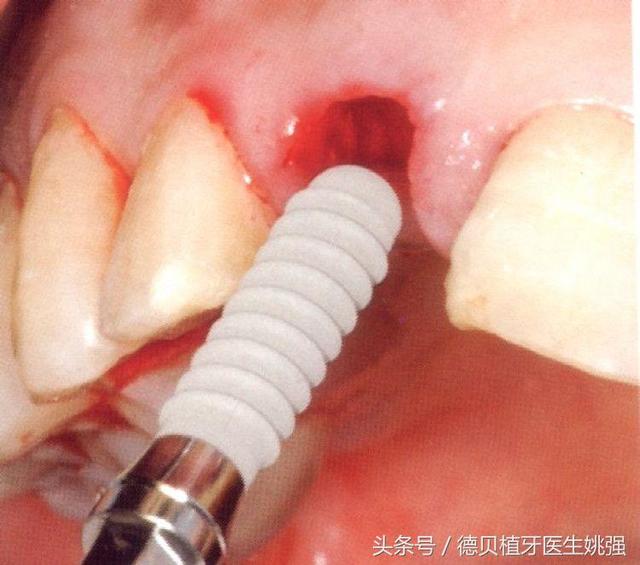
Can you eat right after immediate implant surgery?
Immediate dental implants are currently a mainstream implant technique; they not only make the dream of eating right away possible, but also achieve aesthetics and comfort comparable to natural teeth. However, the indications for immediate dental implants usually must be met; only then can the desired results be achieved.
Generally, immediate dental implants are carried out on the basis of removing residual tooth roots and crowns in the mouth: after extraction, an artificial tooth root is placed into the fresh extraction socket, and the abutment is fitted in one session (in some cases the implant and abutment are a single piece), along with the upper temporary crown, so the entire implant process can be completed in one visit without multiple trips to the clinic, saving time and being more convenient for the patient.
How soon are temporary teeth fitted with immediate dental implants?
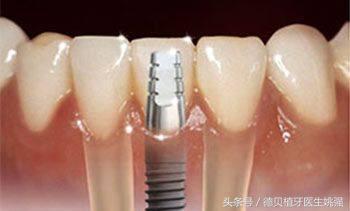
Once the temporary crown is made in one session with immediate dental implants, you can eat the same day, but it is generally advisable to eat warm, soft foods, because the wound after extraction needs time to heal, and eating overly spicy or irritating foods can make it hard for the artificial tooth root beneath the alveolar bone to grow together with the surrounding tissue, leading to implant failure, so special care is needed.
Can people with periodontal disease get immediate dental implants?
A survey shows: among people with healthy periodontal conditions who received dental implants, the failure rate was 3.84%; among people with periodontal disease who received dental implants, the failure rate was 5.37%. The data indicate that, under the same conditions, people with healthy periodontal conditions have a higher success rate with dental implants than patients with periodontitis.
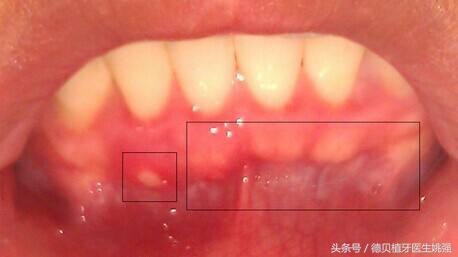
For middle-aged and elderly people, periodontal disease is like an active volcano that may erupt at any time, and it is also a major hidden danger in the oral cavity. The common symptoms of periodontal disease mainly include: swollen and painful gums, gum recession, alveolar bone resorption, loose teeth, etc. It is a very big challenge for immediate dental implants.
Therefore, Dr. Yao Qiang, a dental implant doctor at Debei, advises that before immediate dental implants, a comprehensive X-ray examination of the periodontal condition is needed, and the periodontal disease must be controlled and treated before immediate dental implants can be done. Moreover, when tooth loss is caused by periodontal disease, there may also be alveolar bone defects, which increases the difficulty of dental implantation. When alveolar bone volume is insufficient, bone grafting can be used to compensate.