How to grow sweet peppers with soilless cultivation? A detailed technical guide
When it comes to sweet peppers, everyone is surely familiar with them. As a variety of chili pepper, sweet peppers are quite popular among consumers and offer good economic and social benefits. Nowadays, with the development of protected agriculture, the area and yield of soilless cultivation of sweet peppers are also constantly expanding, bringing broader benefits to farmers.
I. Variety selection
Choose indeterminate greenhouse-specific varieties, such as the Dutch Maratos red sweet pepper (Maratos), Capino yellow sweet pepper (Capino), Lame purple sweet pepper, etc.
II. Seedling raising and seedling-stage management
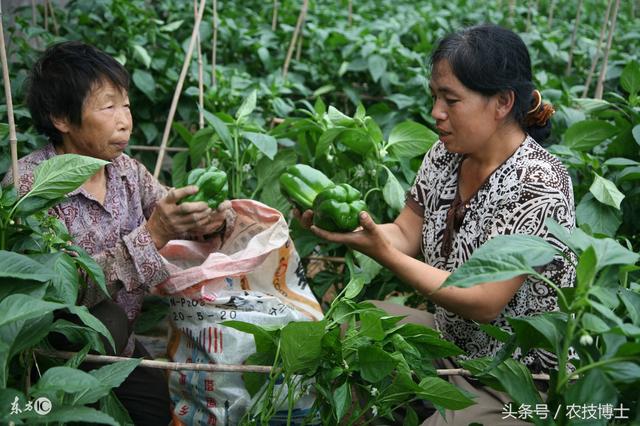
1. Seedling raising:(1) Substrate. Prepare a mixed substrate of peat: vermiculite = 1:1 as the seedling substrate. The disinfection method is the same as for cucumber; after disinfection, fill trays and set aside; (2) Seed treatment. Soak the seeds in hot water at 55-60°C for 20 min, then lower to 30°C and soak for 6 h, which can kill most pathogens. Alternatively, pre-soak the seeds in clean water for 4-5 h, then soak them in 10% trisodium phosphate for 20-30 min or in 1% copper sulfate for 5 min; both have a virus-inactivating effect. Soaking seeds in 1000 mg/L mercuric chloride for 5 min or in 1000 mg/L agricultural streptomycin for 30 min is better for controlling bacterial wilt and scab.
The method for promoting germination is the same as for cucumber; most seeds can germinate in 4-7 d, and some can take as long as 10 d; (3) Sowing. Sowing can be done in the greenhouse in all four seasons. In winter, when temperatures are low, a small arch tunnel can be made, which helps the seeds emerge as quickly as possible and evenly, and can keep the substrate temperature at around 22°C. Before sowing, drench the substrate thoroughly with nutrient solution at 0.6 dose of the Japanese Yamazaki sweet pepper formula, and after sowing cover with 0.5-1 cm of substrate.
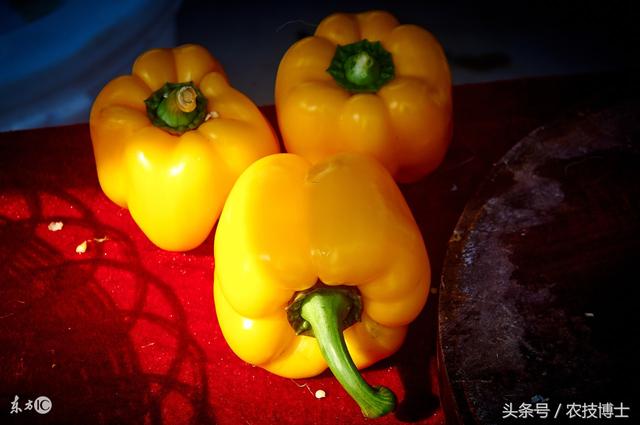
2. Seedling-stage management:(1) Temperature and humidity management. To promote emergence, relatively high temperature and humidity should be maintained before emergence. After emergence, it can be lowered to 20-25°C during the day and about 10-15°C at night, and the humidity of the seedling bed should be appropriately reduced; (2) Nutrient solution management. According to the seedling condition, substrate moisture content and weather, spray with nutrient solution at 1 dose of the Japanese Yamazaki sweet pepper formula, each time spraying until the substrate is thoroughly wet; (3) Pest and disease control. Spray once every 7-10 d with 800-fold chlorothalonil solution or 800-fold thiophanate-methyl solution for prevention; under normal circumstances, diseases will not occur. If damping-off occurs, use 800-fold 25% metalaxyl solution; for rhizoctonia rot, use 500-fold 50% thiram wettable powder, spraying once every 3-5 d. For fusarium wilt, drench the roots with 350-fold phosethyl-Al solution.
III. Planting and post-planting management
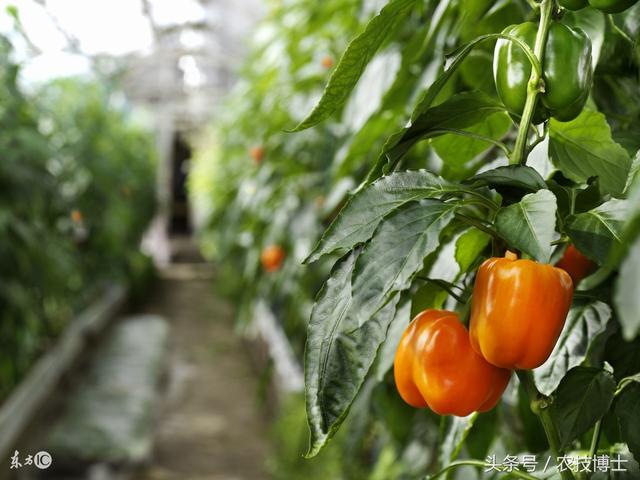
1. Planting:(1) Substrate preparation. The substrate can be one or several of sawdust, rock wool, furnace slag, peat, vermiculite, river sand and perlite mixed in a certain proportion. Before use, spray the substrate evenly with 50-fold formalin solution and seal it with plastic film for 3-4 d. Then open the film to let the formaldehyde gas volatilize, and then fill bags; (2) Planting. Arrange the substrate bags at a row spacing of 1.3 m, drip the substrate wet with nutrient solution at 1 dose of the Japanese Yamazaki sweet pepper formula, and then plant. To help the seedlings recover, planting is generally done in the afternoon after the high-temperature period, with a plant spacing of 35 cm, that is, 3 plants/sq m; when planting, the soil ball should be 1 cm below the substrate surface. After planting, water with nutrient solution in time to promote root development.
2. Post-planting management
(1) Temperature management:Before the seedlings recover, ventilation is generally not carried out, to help them recover, and the temperature is generally kept at around 30°C and must not exceed 35°C. After recovery, both day and night temperatures are 2-3°C lower than before recovery, to promote root expansion, generally maintained at 25-30°C. During the fruiting period, keep 23-28°C during the day and 18-23°C at night; temperatures that are too high or too low will lead to the production of deformed fruit.
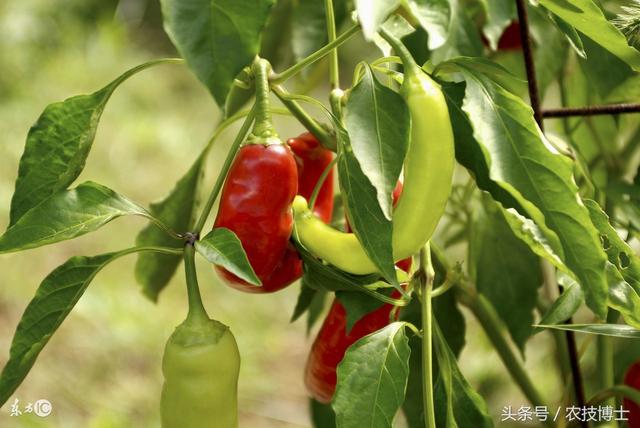
(2) Humidity management:The substrate moisture content is preferably 70-80%. The relative air humidity is best kept at 50-60%; the air humidity must not be too high, otherwise growth is unfavorable and the plants are prone to disease.
(3) Light management:The light saturation point of sweet pepper is 30000 lx, and the light compensation point is 1500 lx. Sweet peppers are afraid of strong light and prefer scattered light, and have no strict requirements for day length. On days with plenty of sunlight and high temperatures at noon, shade nets can be used for shading and cooling.
(4) Nutrient solution management:The nutrient solution is based on the Japanese Yamazaki sweet pepper formula, appropriately adjusted according to local water quality characteristics. The pH value is between 6.0-6.3. After the first fruit (the one at the first fork) flowers, the nutrient solution should be increased to 1.2-1.5 dose. After the paired fruits set, the nutrient solution dose can be raised to 2.0, and 30 mg/L potassium dihydrogen phosphate should be added; pay attention to regulating the balance between vegetative growth and reproductive growth. If vegetative growth is too vigorous, the amount of potassium nitrate can be reduced, and potassium sulfate added to supplement the reduced potassium; the adjusted amount should not exceed 100 mg/L. In the middle and late stages of harvest, iron and trace elements at the normal concentration of the nutrient solution can be sprayed on the leaves to supplement iron and other trace elements, spraying once every 15 d.
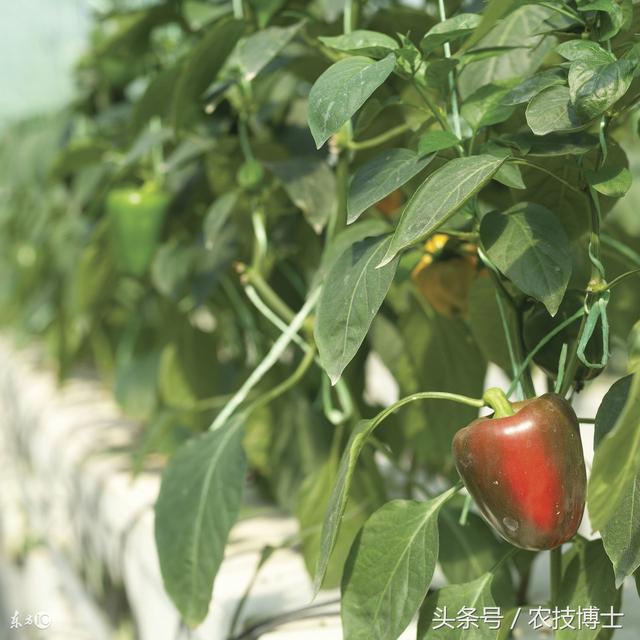
(5) Plant adjustment:Use the string trellising method. Sweet peppers have strong branching ability, so pruning should be done before flowering, that is, keep 2 strong branches and promptly remove other side branches that grow out, so as not to consume nutrients. As the plant grows, promptly wind the plant around the hanging string, generally once a week. The first flower on the main stem must be removed to promote vegetative growth. During growth, flower and fruit thinning should be carried out; keep 4-6 fruits at the first fruit set, and promptly thin out excess and abnormal flowers and fruits, so as to concentrate nutrient supply and ensure the proportion of premium-grade fruit.
If the main branches set too few fruits, one fruit and 3-4 leaves can additionally be kept on a side branch. If individual main branches become thin and weak after fruiting and lose the ability to bear fruit, that branch should be removed at the same time as the fruit is picked. Remove weak non-fruiting branches on the main branches and small and weak branches between the main branches. Leaves below the first fork, if they turn yellow and lose their function, should be removed in time, and old and diseased leaves should also be removed in time. When the fruits reach commercial maturity, they must be picked in time, so as to avoid pointless consumption of nutrients.
[Editor's concluding remarks]Using soilless cultivation technology to grow sweet peppers is an effective measure for achieving high-quality and high-yield sweet pepper cultivation.