What flowering plants are suitable for growing on a balcony windowsill?
If you want to grow some beautiful, easy-care flowers with especially lovely blooms, then you definitely should not miss the ones below. They have charming plants, brilliant flowers, and a range of flower shapes, so there is always one that suits you. Take a look at the ones below and see which one you fall in love with.
1. Rain lily
The rain lily is actually the zephyr lily (Zephyranthes); its leaves look very much like chives, so do not pick them and take them home to eat, as they will poison you.
It blooms after spring rain, which is why it has the lovely name "rain lily." Its flowers are like little bell-shaped bells, and the pink blooms are very charming.
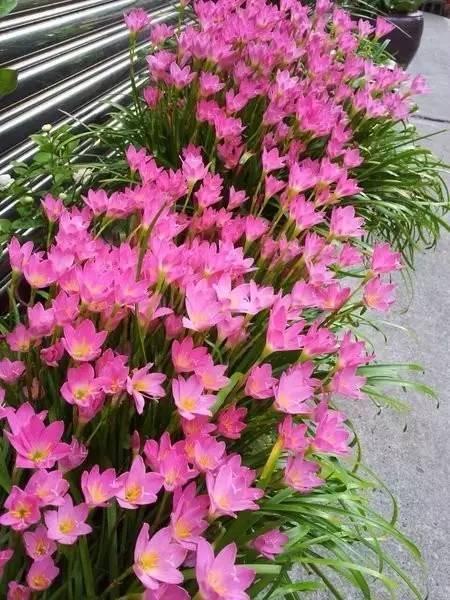
It is very easy to care for and has a long flowering period. Keep it in a warm, slightly moist environment, give it plenty of light and well-drained soil, and it is best to plant it in loose, fertile sandy soil.
2. Moss phlox
Moss phlox blooms from April to June. Phlox comes in 6 flower colors: purple, white, red, pink, light pink and pale lilac. The flowers are dense and vivid, and the small blooms form large patches of color. It smells slightly fragrant, and the flowering period lasts as long as 3 months.
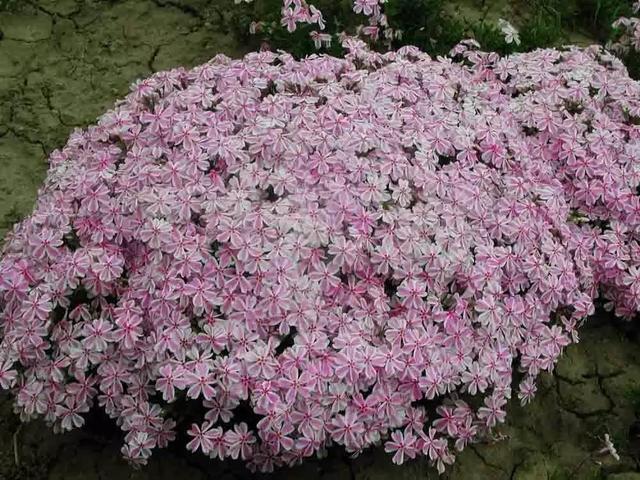
It can overwinter safely when planted in the open ground in the north. In winter, at -8 °C to -10 °C it is an evergreen herbaceous plant, and it can tolerate lows of -30 °C.
Moss phlox grows vigorously, is not picky about soil, has no serious pests or diseases, and grows quickly. It is easy to establish and can cover the ground in a short time, and the different colored flowers look even more spectacular when combined.
3. Moss rose
Moss rose is easy to sow, easy to keep alive and easy to grow, and it also has the common nickname "die-hard." When raising seedlings, some people like to water heavily when the weather is hot, so the potting soil is always soggy and the seedlings easily rot at the roots.
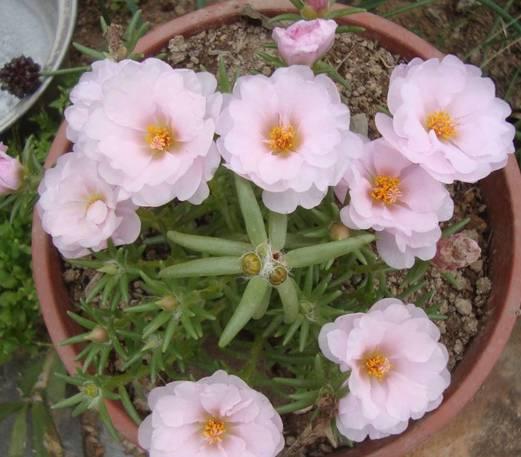
Do not water it in the summer evening either; at that time the flowerpot is still warm, and the seedlings can easily wilt from the heat. The best time to water is 6 or 7 o'clock every morning, and you should water thoroughly all at once so it can drink its fill.
The process of growing moss rose has been very enjoyable for me. From April to September, it hardly ever stopped blooming, in red, yellow, pink and purple, delicate and small, extremely beautiful!
4. Hydrangea
Hydrangeas mostly grow in valley open woodlands and on stream slopes. They like warm, humid climates and partial shade, and have poor cold tolerance. In all parts of the north they are grown in pots and brought indoors to overwinter. They are not tolerant of drought and dislike direct strong sunlight.
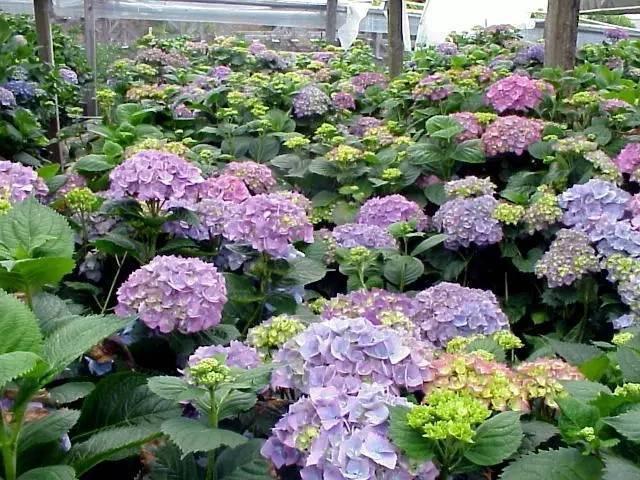
Water less in winter; just keep the potting soil moist. During the growing period, water thoroughly so the potting soil stays consistently moist, and especially in summer, give it plenty of water.
5. Scarlet sage
Scarlet sage likes sunlight and tolerates partial shade. It prefers loose, well-drained, fertile sandy soil and dislikes alkaline soil most of all; slightly acidic soil is of course best.
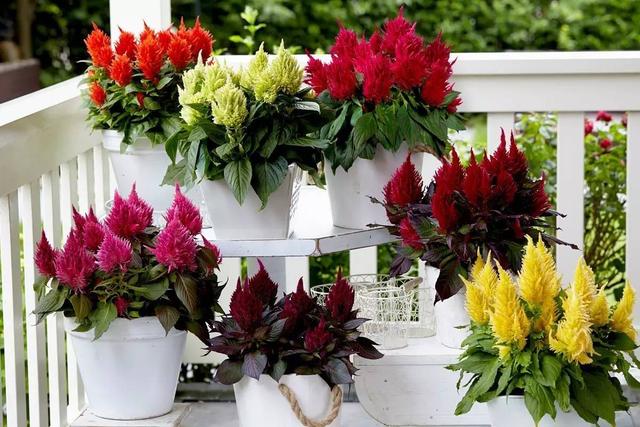
When caring for scarlet sage, note that it dislikes cold. Its growing temperature is 20-25 °C, and above 15 °C is best; above 10 °C it easily dies! In spring and autumn it can be given 1-2 applications of phosphorus-containing liquid fertilizer to encourage abundant blooming.
It is generally sown in spring and autumn. Its seeds are relatively large and the germination rate is fairly high, and it is best cultivated at around 20 °C.