How Are Dental Implants Diagnosed and Differentiated? A Detailed Explanation of Methods and Steps
Click the follow button in the top right corner to stay updated, never miss more health content, and receive occasional surprises
The diagnosis and treatment of dental implants is divided into preoperative examination (general health examination, oral examination, treatment plan, gum treatment), the first surgery (implant placement), oral disinfection and suture removal, osseointegration, the second surgery (connecting the upper structure of the implant), making and fitting the dental crown, and regular follow-up maintenance. Only when all of these are done is it a successful dental implant.
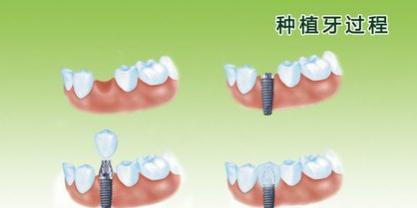
Diagnosis and differentiation of dental implants. Compared with traditional dentures, artificial dental implants have many outstanding advantages:
1. Its chewing function is far superior to other dentures;
2. It has strong retention and stability, and can be anchored in the patient's mouth like a real tooth;
3. It requires little or no grinding of your own real teeth;

4. It does not need the base and clasps that removable dentures require, and there is no dulled sense of taste or discomfort caused by a large-area base;
5. It is small in size, does not expose metal, is aesthetically pleasing, and is more conducive to maintaining oral cleanliness and hygiene.
The postoperative maintenance of dental implants is directly related to their service life. In general, the following issues should be noted after surgery:
1. Dental implant treatment is generally divided into two steps: the first is implanting the artificial tooth root; the second is fitting a fixed denture onto the artificial tooth root once it has become stable. After implanting the artificial tooth root, a temporary denture cannot be worn before the sutures are removed. After the sutures are removed in 7-10 days, decide whether it needs to be worn based on whether modifications are needed.
2. Within three to six months after suture removal, never let the artificial tooth root move around, and do not use it to chew forcefully, so as to avoid loosening of the tooth root and affecting the newly formed bone and fibrous connective tissue around the tooth root, thereby affecting the implant outcome. This is an extremely important issue for ensuring the implant outcome.
3. After implanting the artificial tooth root, attention should be paid to oral hygiene. Rinse your mouth promptly after meals, and medicated mouthwash may also be used. Every morning and evening, clean the implant abutment once with a soft-bristled brush or a cotton strip.
4. After the porcelain-fused-to-metal crown is fitted, it is not advisable to chew very hard things. On the one hand, this is because there are no protective pressure receptors around the artificial tooth root, so the root tissue is easily damaged; on the other hand, the porcelain-fused-to-metal crown is relatively fragile, and it is not easy to repair once damaged.
5. Prevent external impact. Once an impact may have injured the tooth root, you should immediately go to the hospital for examination and treatment.
6. Carefully follow the doctor's instructions and return to the hospital regularly for follow-up visits. Follow-up visits are generally at 1, 3, 6, and 12 months.
7. After the porcelain-fused-to-metal crown is fitted, pay attention to hygiene in the area between it and adjacent teeth to prevent adjacent teeth from developing caries.
Note: The images in this article are from the internet. If there is any infringement, please contact us for deletion.