Detailed Guide to Autumn Cultivation Techniques for Snow Peas, Helping Agriculture Prosper
Foreword: [Nongliye] pushes "breeding and planting" technical materials through multiple channels, a good helper for our agriculture, rural areas and farmers friends to get rich. Welcome to follow and forward!

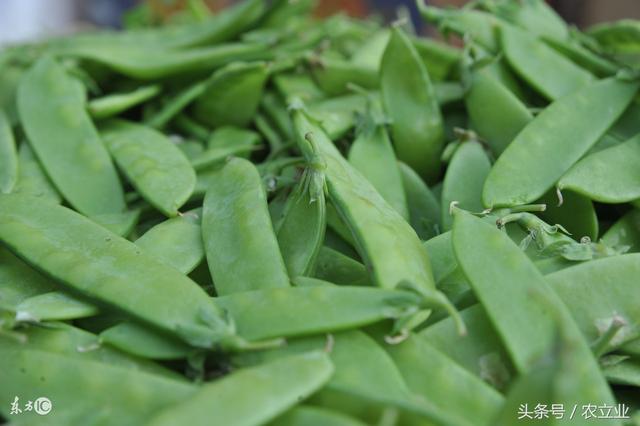
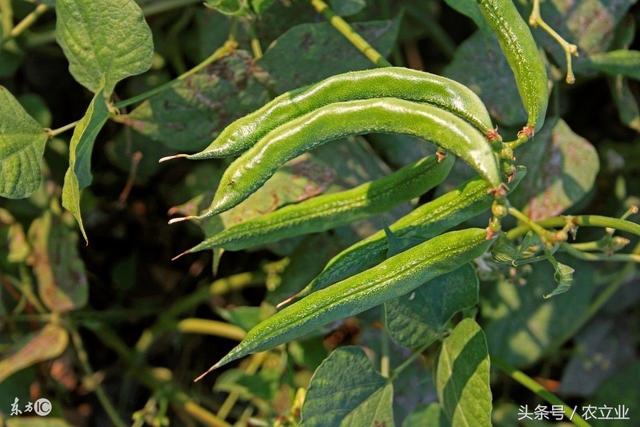
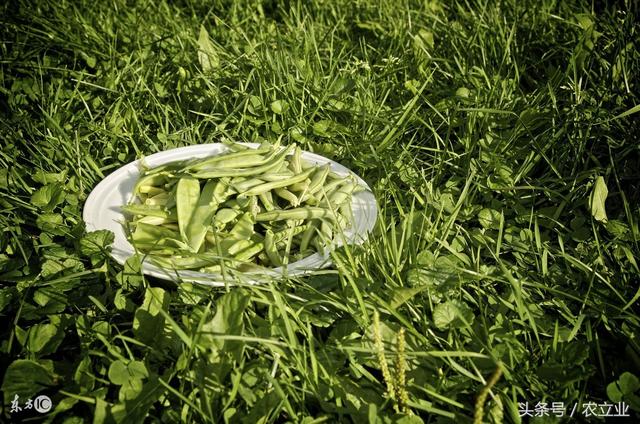
Snow peas, locally also called peas, are eaten as a vegetable when the pods are tender. In our township they can be planted in autumn, winter and spring, but autumn planting gives the best returns. Generally, high-yield planting can reach 750-1000 kg per mu, with an output value of about 4000 yuan, making it one of the main crops for increasing farmers' income in our township. The autumn cultivation techniques for snow peas are summarized below:
I. Variety Selection
At present, the main excellent snow pea varieties grown in production include Taichung No. 11, Taichung Improved 603, Taichung Improved 604, Dadi 610 and others (coated seeds are best). The pod size differs among varieties; in principle, the choice depends on buyers' ordering requirements or market consumption habits.
II. Soil Selection
Snow peas are not strict about soil, but fields with convenient drainage and irrigation, relatively high soil organic matter content, good light, and medium-to-upper fertility are best. The previous crop is best early-maturing early rice, and harvested flue-cured tobacco fields can also be chosen.
III. Reasonably Determining the Sowing Period
Autumn snow pea planting areas require an altitude above 500 m. Among them, at an altitude of 500-600 m, sowing should be done from July 25 to August 1; at an altitude of 600-700 m, sowing can be done from July 15 to July 20. Make full use of the advantages of high altitude and cool summer climate, sow as early as possible, and strive to reach peak production before National Day to improve planting returns.
IV. Land Preparation and Fertilization
After the previous crop is harvested, broadcast 50-75 kg of lime per mu (especially for flue-cured tobacco fields) and 2-2.5 kg of borax, then use a ridging machine to plow and ridge at 1.1-1.2 m, while opening a central ditch to apply base fertilizer.
V. Sowing
1. Seed treatment before sowing. Mix 10 g of 35% carbosulfan dry powder per kg of seed to reduce bird damage.
2. Sowing rate. Use 3-3.5 kg of seed per mu.
3. Sowing method. Use double-row hole sowing, with a plant spacing of 20-30 cm and a row spacing of 20-25 cm, using 4500-5000 holes per mu, sowing 2-3 seeds per hole, and covering the seeds with 2 cm of finely crushed local field soil. After sowing, spray the bed surface with 1000-fold diluted S-metolachlor emulsifiable concentrate to suppress weed growth. If the weather is dry and the bed surface is rather white, irrigate to one third of the bed height and then let it dry naturally to improve the emergence rate.
VI. Field Management
1. Water management. Snow peas require relatively high soil moisture and air humidity, but are not tolerant of waterlogging. The bed soil should be kept moist. In drought, "horse-running water" can be used for irrigation; in rain, clear the ditches and drain promptly to prevent waterlogging.
2. Trellising and tying vines. The stems and vines of snow peas are slender and soft, and prone to lodging. When the seedlings are 20-25 cm tall, place bamboo branches between the two rows, and at the same time insert a wooden stick or bamboo tip about 2 m long every 3 m or so to strengthen the support of the bamboo branches. Afterward, each time the vine extends 30 cm, tie it once with plastic rope.
VII. Fertilization
1. Base fertilizer. While preparing the bed, apply into the ditch opened in the middle of the bed 1500-2500 kg of fully decomposed farmyard manure or 75 kg of commercial organic fertilizer, 25 kg of superphosphate, and 10-15 kg of potassium chloride.
2. Topdressing. At the seedling stage, apply once a seedling-promoting fertilizer with 1:90 diluted urea solution, and apply another topdressing after 10 days. At the bud stage, apply per mu 20-30 kg of 15:15:
15 compound fertilizer and 10 kg of potassium chloride by hole application. After entering the picking period, depending on seedling growth, every 10-15 days apply 5 kg of urea plus
10-15 kg of 15:15:15 compound fertilizer by watering.
3. Foliar topdressing. At flowering, spray 2-3 times as foliar application with 0.1%-0.2% borax, 0.05% ammonium molybdate, and 500-fold diluted German Compo Basacote blue foliar fertilizer. During the picking period, liquid fertilizers such as Aiduoshou and Zhiwulong can be sprayed as foliar application every 2-3 pickings together with pesticide spraying.
VIII. Pest and Disease Control
1. Root rot. In the early stage of the disease, irrigate the roots with 500-fold diluted 50% carbendazim wettable powder, or 500-fold diluted 50% dexon soluble powder, or 1000-fold diluted 1% shenqinmycin suspension. Apply once every 5-6 days, for 2-3 consecutive times.
2. Powdery mildew and rust. Focus on prevention. In the early stage of the disease, spray once every 7-10 days with 3000-fold diluted 25% myclobutanil emulsifiable concentrate or 800-1000-fold diluted 25% ethirimol aqueous solution, for 2-3 consecutive times.
3. Bean pod borer. At the flowering stage, alternately spray 1000-fold diluted 24% tebufenozide suspension, or 800-1000-fold diluted 5% chlorantraniliprole suspension, or 1500-fold diluted 2.5% deltamethrin emulsifiable concentrate. Generally, morning or evening is best, focusing on spraying the flowers.
(Author: Liao Guifu, Agricultural Technology Station of Anjie Township, Changting County)
Postscript: This Toutiao account specifically publishes abstracts of technical articles related to breeding and planting, most of which come from major journals published over the years. The article authors have been indicated, and we express our thanks here! If there is infringement, please leave a message to inform us, and we will delete it immediately within 24 hours! Thank you for your supervision and support.