Planting Methods and Techniques for Regenerated Watermelon Fields
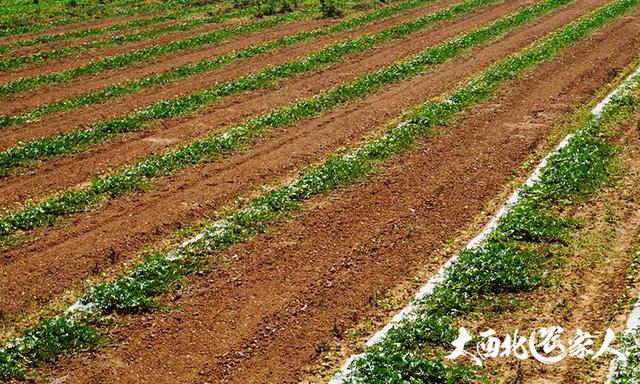
Watermelon Regeneration Field Planting Techniques and Methods
The varieties cultivated in greenhouses for watermelon are mostly early-maturing varieties, which creates the time condition for watermelons to set fruit again.
According to experiments, after the current crop of watermelons is harvested, new vines can grow 7-10 days after the old vines are cut off, and a second crop of melons can be harvested in 40-45 days, with a yield of about 950 kg per mu, making the benefit quite considerable.
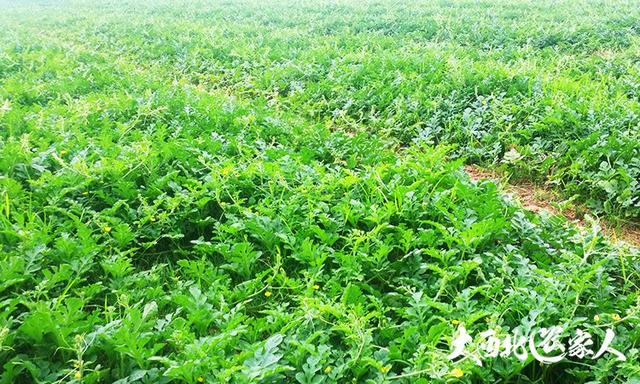
Watermelon Regeneration Field Planting Techniques and Methods
1. Cultivating new vines
For watermelons to set fruit again, the vine-cutting regeneration method should be adopted, that is, after the first crop of melons is harvested, cut off the old vines 30-35 cm from the root, and use the latent buds in the leaf axils at the base to sprout and set fruit, or keep 1-2 robust new vines at the base of the old vine and cut off the rest. With this method, the fruit-setting position is low, and the vines grow rapidly and vigorously. The watermelons mature quickly, the melons are large, and the yield is high, with a yield 500-600 kg per mu higher than other methods.
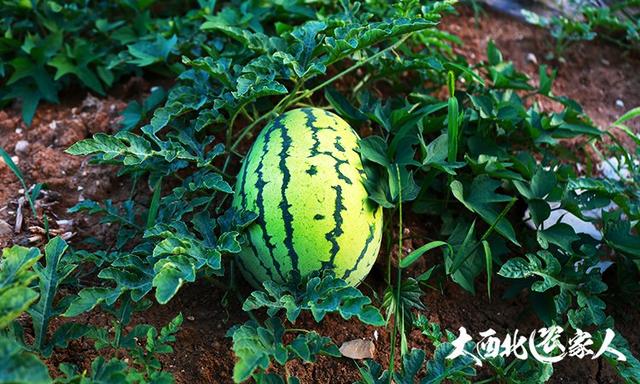
Watermelon Regeneration Field Planting Techniques and Methods
2. High-yield measures
(1) Protect the root system. During the management processes of fertilizing, watering and weeding for the previous crop of melons, the root system must be carefully and cautiously protected so that it is not damaged and can grow normally and robustly.
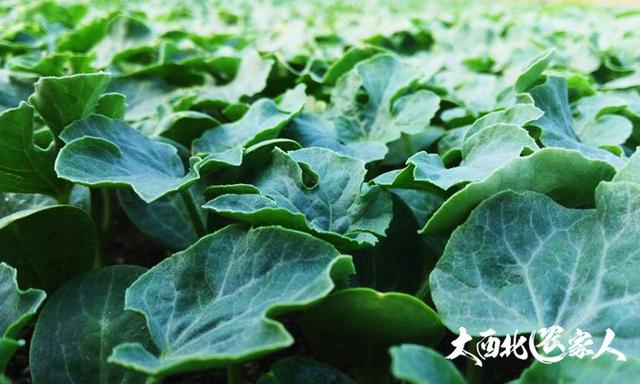
Watermelon Regeneration Field Planting Techniques and Methods
(2) Fertilizer and water management. Apply a quick-acting nitrogen fertilizer once 3 days before harvesting the previous crop of melons, generally 15-20 g of urea per plant.
After the watermelons are harvested, water promptly to promote the growth of new vines, expand the leaf area, and create conditions for fruit setting. When 80% of the plants have set fruit, apply fertilizer again, generally 10 kg of potassium sulfate, 10 kg of monopotassium phosphate, 5 kg of urea, or 500 kg of fully decomposed organic fertilizer and 20 kg of complete-element compound fertilizer.
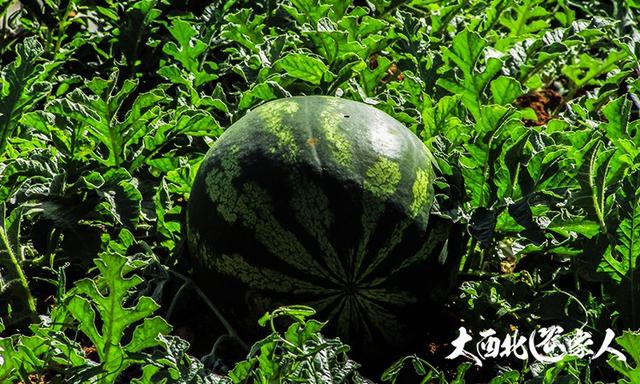
Watermelon Regeneration Field Planting Techniques and Methods
(3) Clean the field and prevent disease. After the previous crop of melons is harvested, promptly clear weeds, rotten melons, diseased plants, residual leaves and leftover small melons from the field, and spray continuously 2-3 times with 500 times carbendazim or 600 times chlorothalonil and 0.2% urea to prevent and control diseases. The cut old melon vines should be promptly transported out of the field, and the melon field should be cleaned up.
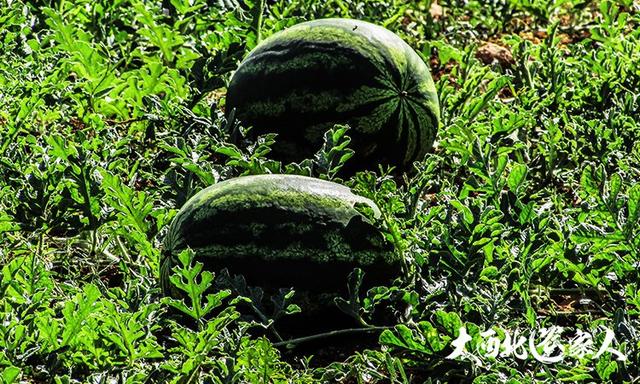
Watermelon Regeneration Field Planting Techniques and Methods
(4) Pruning new vines. Generally, the method of keeping one melon per plant is adopted, because the old vines are cut off, the new vines sprout strongly and quickly and bear many fruits.
In order not to affect the normal growth of the selected and retained melons, and to promote the rapid expansion and early ripening of the second crop of melons, all branch vines and small fruits growing after vine cutting should be cut off so that nutrients are supplied in a concentrated manner.
(5) Other management is the same as conventional cultivation.