Essential Pest and Disease Control Techniques for Garlic Cultivation
What are the common pests and diseases of garlic? How to control them? Let's introduce them one by one below.
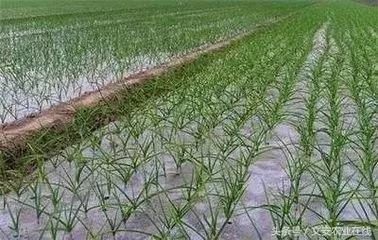
I. Gray mold
1. Select disease-resistant varieties. According to reports, among Cangshan garlic, the Gaojiaozi variety has relatively strong resistance, followed by Puke and Lushanbai, Ershuizao, Jiading white garlic, and Anqiu garlic. Susceptible varieties include Caosuan and Soviet Red Skin Garlic No. 2.
2. Choose plots with a low groundwater table and good soil drainage for planting. Level the bed surface, set up drainage ditches, and prevent water accumulation in the field.
3. Apply organic fertilizer as base fertilizer, increase the application of phosphorus and potassium fertilizers, avoid excessive application of nitrogen fertilizer and irrigation, maintain reasonable dense planting, and prevent plant spindling.
4. After finding central diseased plants in the field, promptly pull them out and spray 50% Sumilex wettable powder at 1500 times dilution, or 50% Iprodione wettable powder at 1000 times dilution, or 50% prochloraz at 1500 times dilution. Spray 70% mancozeb wettable powder at 500 times dilution, or 70% thiophanate-methyl wettable powder at 800 times dilution, etc., for spray control, once every 7-8 days, for 2-3 consecutive sprays, for better results.
5. Before use, disinfect the cold storage used for storing garlic scapes and the shelves in it by spraying with a 1%-2% formalin solution or a 0.3%-0.5% bleaching powder solution.
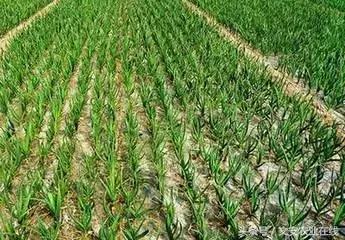
II. Leaf blight
1. Strengthen cultivation management, cultivate robust plants, and enhance disease resistance.
2. Strengthen field drainage and soil loosening to preserve moisture, reduce field humidity, control conditions for disease development, and avoid damaging leaves during field operations to reduce wounds.
3. Timely discover diseased plants, collect them, and burn or deeply bury them.
4. Before sowing, soak the seed cloves in 40%-50% warm water for 1.5 hours to prevent seed cloves from carrying pathogens.
5. After finding central diseased plants, spray 50% thiophanate wettable powder at 500-600 times dilution, or 75% chlorothalonil wettable powder at 500 times dilution, or 50% drazoxolon (yekuling) powder at 1000 times dilution, or 10% difenoconazole wettable powder at 3000 times dilution. To enhance the adhesion of the spray solution on the leaves, 0.1% laundry detergent can be added to the solution. Choose 70% mancozeb wettable powder at 500 times dilution, spray once every 7-10 days, for a total of 2-3 sprays, alternating chemicals, for better results.
III. Purple blotch
1. Before sowing, soak the seed cloves in 40-45°C warm water for 1.5 hours; or treat seeds with 50% carbendazim powder, with the amount of chemical being 0.5% of the seed clove weight; or soak the seeds in 40% carbendazim suspension concentrate at 50 times dilution for 4 hours to prevent seed cloves from carrying pathogens.
2. Implement a 3-4 year crop rotation, and avoid continuous cropping with scallion and garlic vegetables.
3. At the early stage of disease onset, spray 70% mancozeb wettable powder at 400 times dilution, or 75% chlorothalonil wettable powder at 500 times dilution, or 40% folpet wettable powder at 400 times dilution, or 64% oxadixyl M8 wettable powder at 400-500 times dilution.
IV. White rot
1. Avoid continuous cropping, and implement a 3-4 year crop rotation.
2. Choose plots with a relatively low groundwater table and good drainage for planting garlic, strengthen soil loosening to preserve moisture, and reduce surface humidity.
3. Conduct field inspections regularly, timely discover central diseased plants, and when no sclerotia have formed, dig them out with roots and soil and deeply bury them.
4. Before sowing, treat seed cloves with 15% quintozene wettable powder, or 50% thiophanate-methyl wettable powder, with the amount of chemical being 0.3% of the seed clove weight. The seed treatment method is: first dissolve the powder in an appropriate amount of water, put it in a sprayer and spray-mix the seed cloves, then dry them before sowing.
5. At the early stage of field disease onset, spray 50% Sumilex wettable powder at 1500-2000 times dilution, or 50% carbendazim wettable powder at 400-500 times dilution, or 50% procymidone wettable powder at 1000 times dilution.
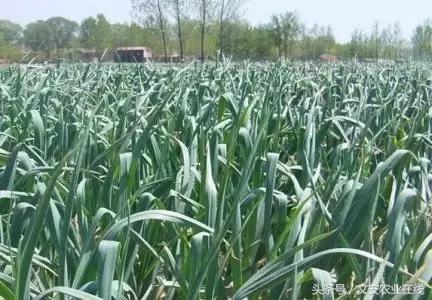
Viral disease:Apply carbendazim wettable powder, spray once every 7-10 days, for a total of 2-3 sprays, alternating chemicals, for better results.
Aphids:10% imidacloprid wettable powder at 3000-4000 times dilution can be used, with continuous control 2-3 times, at an interval of 5-7 days each time.
Reposted from China Good Agricultural Materials, source: Internet, copyright belongs to the original author, if there is any copyright issue please inform us
Pesticide Assistant