What is best to plant in 2018? Experts answer for you
In recent years, more and more entrepreneurs have returned to rural areas to start businesses, and many people ask, what is most profitable to plant? First, you need to have a comprehensive understanding and knowledge of the selected crop varieties, and be clear about the suitable planting areas, yield levels, growth periods, main trait performance and suitable planting density! Then let us look at the experts' recommendations!
1. Corn
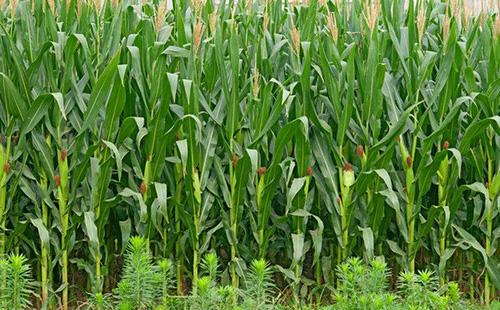
In areas with abundant light, heat and water resources, fertile soil and a relatively high production level, medium-late maturing varieties that tolerate fertilizer and water should be selected. In hilly and mountainous areas with poor fertilizer and water conditions, corn hybrids with wide adaptability and good yield stability should be selected; for thin soil, relatively severe spring drought, it is suitable to select medium-late maturing corn hybrids with wide adaptability and good yield stability
2. Soybean
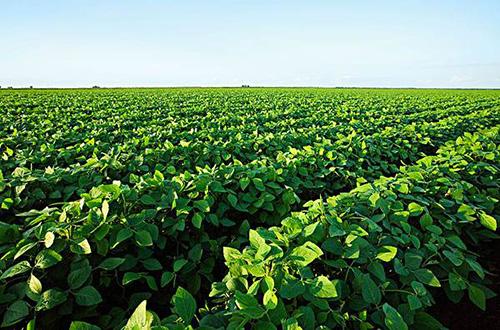
Choose varieties that can mature normally according to the local active accumulated temperature, and do not plant beyond the region. Late-maturing areas can plant late-maturing and medium-maturing varieties, and medium-maturing areas can plant medium-maturing and medium-early maturing varieties, but late-maturing areas should not plant early-maturing and medium-early maturing varieties, so as to avoid losses caused by reduced yield due to too early maturity. Choose varieties according to soil fertility; hillside fields, hills, sloping uplands and other plots with low soil fertility should choose varieties tolerant to barren soil and varieties with tall, lush plants. Plains and fertile plots should choose varieties tolerant to fertilizer and resistant to lodging. When converting paddy fields to dry fields for soybean planting, choose varieties with a growth period 5-7 days earlier than the local one. According to the yield performance of various soybean varieties planted in the same village or adjacent villages in the previous year, choose varieties with high yield. It is advocated to change seeds once a year to achieve timely renewal of improved varieties, and try not to plant self-saved seeds so as to maintain the yield-increasing potential of the varieties.
3. Rice
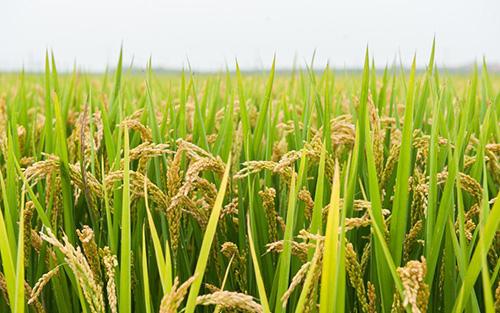
Choose newly approved varieties with relatively strong resistance. If the area is relatively large, large-scale planting of a single variety should be avoided, and 2-3 varieties should be mainly promoted and planted in combination. If the climate conditions next year are not very favorable, then varieties with a slightly earlier maturity period should be chosen.
Overall, according to your own planting goals, local natural conditions and production level, planting methods and density, etc., scientifically and rationally select good varieties, and carry out matching planting with good varieties and good methods, so as to avoid economic losses caused by choosing the wrong good varieties
(Image source: the Internet, please do not repost!)