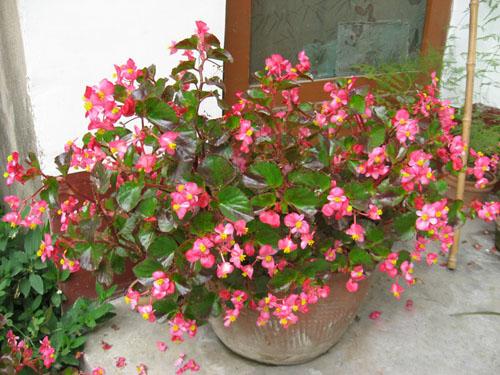
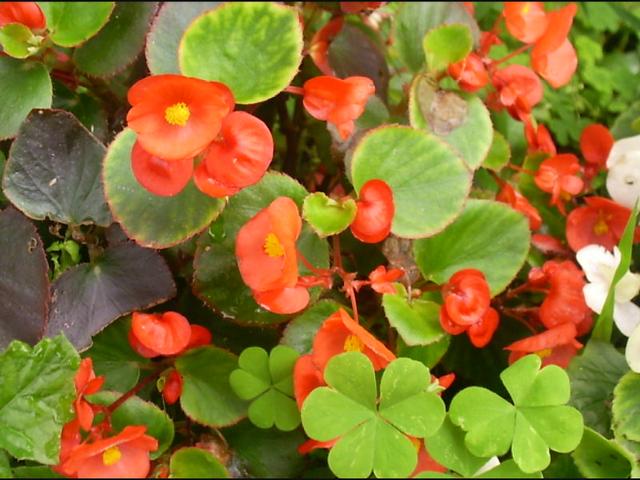
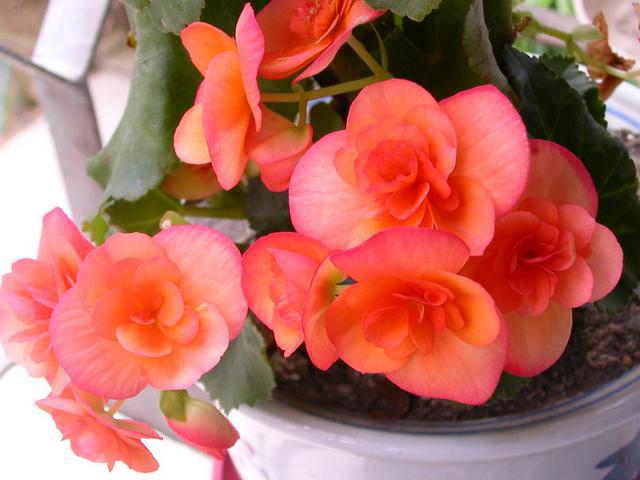
How to grow begonias? Master the key planting points and cultivation tips at once
Begonia's other names - Bayuechun, Xiangsicao, Yanwanzi. Place of origin: originally from China, distributed in Shandong, Hebei, Henan, Jiangsu, Sichuan, the Qinling Mountains in Shaanxi and Yunnan and other regions. A detailed introduction is given below:
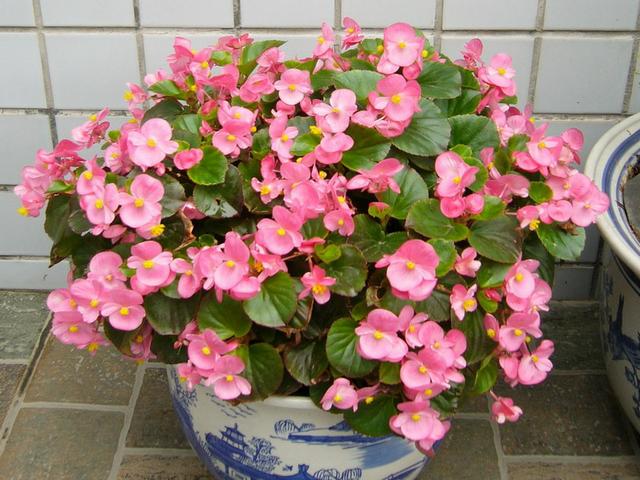
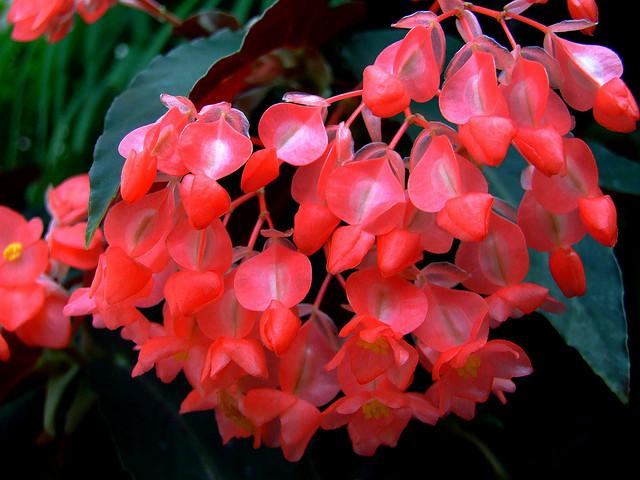
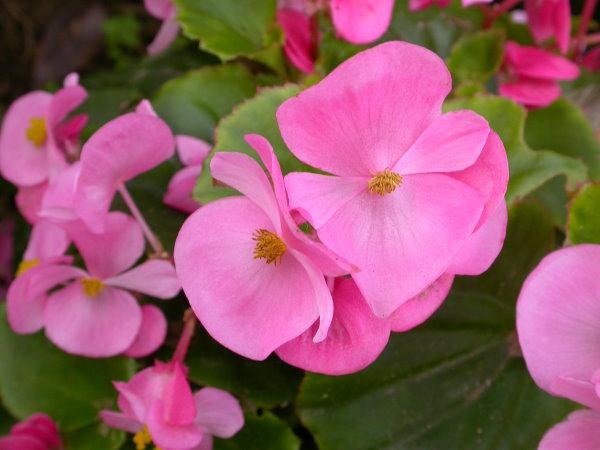
1. Soil selection: it is best to use a soil mix of high-temperature sterilized leaf mold, potting soil and fine sand.
2. Planting: (1) Pass the mixed potting soil through a fine sieve and put it into the pot.
(2) Evenly scatter the begonia seeds in the pot; there is no need to cover them with soil.
(3) Use a wooden board to gently press the potting soil so that the seeds become embedded in the soil.
(4) Cover the mouth of the pot with a piece of glass to keep the potting soil warm.
(5) Place the pot in a semi-shaded spot at 18-22°C, and after about 20 days it will sprout.
(6) After about 2 months, transplant the young plants into slightly larger flower pots.
3. Temperature: begonias like a warm environment, and 15-25°C is most favorable for their growth. Begonias fear intense summer heat; when the ambient temperature exceeds 32°C, their growth is severely affected, so in summer begonias should be kept in a semi-shaded place for care. In addition, begonias are not cold-tolerant, and in winter the ambient temperature must not be lower than 10°C.
Potted flower Rose Begonia, Rieger Begonia, Rieger Begonia, Lila Begonia, begonia that blooms in all four seasons
4. Watering: (1) Begonias like a moist and damp environment, but dislike waterlogging.
(2) When watering begonias, follow the principle of "do not water if not dry; when dry, water thoroughly."
(3) Spring and autumn are the growth and flowering periods for begonias, when they need relatively more water; at this time the potting soil should be slightly moist, and they can be watered once a day.
(4) Summer is the semi-dormant period for begonias, so the frequency of watering can be appropriately reduced, and watering should be done in the morning or evening.
(5) Winter is the dormant period for begonias; the potting soil should be kept slightly dry, and they can be watered once every 3-5 days, preferably around noon when there is plenty of sunlight.
5. Light: begonias like a semi-shaded environment. Insufficient light easily causes the leaves to become small and thin, while too long a light period or too strong light easily causes the plant to stay short, the leaves to turn purple and become rather thick, and the flower buds not to open. Therefore, in summer take care to avoid direct sunlight on begonias, and in winter ensure that begonias receive enough light. In addition, the direction in which the flower pot is placed should be changed frequently so that the whole plant receives light evenly.
6. Propagation: begonias can be propagated by sowing or by cuttings.
7. Fertilizing: during the growing season, apply a decomposed liquid fertilizer once every half month, and before flowering apply an additional fertilizer to make the flowers more vivid.
Doutu Gardening Watering Can, Flower Watering Can, Watering Can, Sprinkler, Watering Tool, Long-spout Spray Pot, Blue [if out of stock, green is sent by default]
8. Pest and disease control: if cultivation and management are improper, begonias are prone to leaf spot disease in hot, humid seasons. This disease can cause the plant to wilt and a large number of leaves to drop. Once diseased spots are found on the leaves, immediately cut off the diseased leaves and strengthen indoor ventilation and reduce ambient humidity.
9. Pruning: to prevent the plant from growing too tall, pinch out the growing tips 1-2 times during the seedling stage to encourage branching. During the growing period, promptly cut off weak and tangled branches.