How to Grow Reishi Mushrooms for Harm-Free, High-Yield Results? Growing Methods and Tips Shared
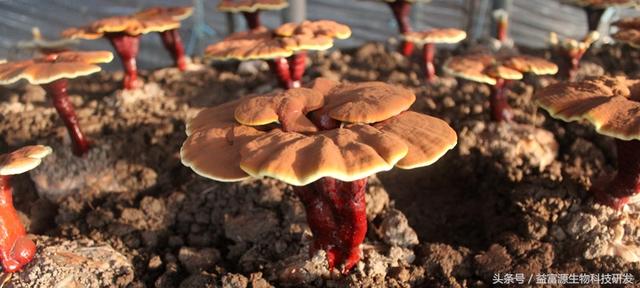
The legendary reishi mushroom, almost a magical herb, also has very high medicinal value in practice, and can be used for dizziness and insomnia, palpitations and shortness of breath, neurasthenia, and consumptive cough and asthma, with effects of tonifying qi and calming the spirit, relieving cough and asthma, and prolonging life. Therefore, the economic benefits of growing reishi are also very high, so how can it be grown for high yield? Today we will briefly introduce the growing methods and tips for reishi.
(1) Preparation of the substrate
(1) About 75% mixed wood sawdust, about 25% wheat bran, about 0.2% ammonium sulfate, mixed substrate moisture content 70%; (2) about 75% mixed wood sawdust, about 25% wheat bran, mixed substrate moisture content 60%; (3) about 50% mixed wood sawdust, about 50% wheat bran, 0.1% urea, mixed substrate moisture content 60%; (4) 79% cottonseed hulls, about 20% wheat bran, 1% sucrose, mixed substrate moisture content 60%-65%; (5) 50% corn cob residue, about 30% mixed wood sawdust, about 20% wheat bran, mixed substrate moisture content 60%-65%; (6) 75% poplar leaves, 25% rice bran (or wheat bran), mixed substrate moisture content 60%; (7) 45% rice straw powder, about 30% mixed wood sawdust, about 25% wheat bran (or rice bran), mixed substrate moisture content 60%-65%.
(2) Filling and sterilization
After the substrate is mixed, let it sit covered for half an hour, then fill it. A conventional plastic bag can hold 0.25-0.3 kg of dry substrate. When filling the bag, press it firm by hand, keep the substrate surface level, then use a conical wooden stick to make an air hole 2.5 cm in diameter from the center of the substrate surface, plug the bag opening well with a cotton plug, and wrap a layer of kraft paper. If filling bottles, use wide-mouth bottles or mushroom bottles with a volume of 500-1000 ml and a mouth diameter of 3.3-4.6 cm; the filling method is basically the same as bag filling. After filling, arrange the substrate bags (or bottles) in layers in the pot and sterilize under a pressure of 1.5 kg/sq cm for 1-2 hours, or sterilize at normal pressure for 8-10 hours. The requirement is to fill on the same day, sterilize on the same day, and inoculate on the same day.
(3) Inoculation and culture inoculation
Inoculation and culture inoculation are best carried out in an inoculation box; if there is no inoculation box, it can also be done above the flame of an alcohol lamp or above boiling water steam. The inoculation room and inoculation tools should also be strictly disinfected, and workers should wear masks and wash their hands with soap three times. Use an inoculation rake or tweezers to take out a piece of spawn the size of a jujube from the bottle, quickly put it into the cultivation substrate bottle (bag), then plug the bottle mouth (or bag mouth) well with a cotton plug and wrap it with kraft paper, and move it to a sterilized culture room for culture and sterilization. Keep the room temperature at 24°C-28°C; about 25 days after inoculation, the mycelium will fill the bottle (bag).
During the mycelium growth stage, management should be strengthened to prevent contamination by foreign microbes, and contaminated ones should be eliminated in time. When the bottle (bag) is filled with mycelium, white finger-sized primordia gradually appear on the surface of the substrate, namely the fruiting body primordia.
When their growth approaches the cotton plug, the cotton plug can be removed, the room temperature controlled at 26°C-28°C, the relative humidity raised to 80%-90%, scattered light provided, and ventilation done every day; after about 20 days, the stipe can grow out of the bottle (bag) mouth, and the cap differentiates at the end of the stipe. When the light white or light yellow at the edge of the cap disappears, the cap edge stops growing and hardens, and when the color changes from vivid to dull pinkish brown, it can be harvested.
(4) Disease control
During production, attention should be paid to preventing contamination by foreign microbes; the main contaminants include Penicillium, Mucor, and Rhizopus, etc. Control methods: strictly maintain aseptic operation during inoculation; thoroughly disinfect the substrate; ventilate appropriately and reduce humidity; for mild contamination, use a sterilized blade to scrape off the local contaminants and surrounding bark, then apply thick lime milk, or fill the holes with absorbent cotton dipped in 75% alcohol; for severe contamination, eliminate in time. Reishi is a valuable Chinese medicinal material, and pesticides are strictly prohibited; after the mycelium emerges, Yifuyuan Mushroom Ecological Treasure can be sprayed to supplement nutrients. The main components of Mushroom Ecological Treasure are bioactive bacteria, which can promote the growth of the reishi mycelium, inhibit harmful pathogens, form a beneficial bacterial biological circle, and avoid pesticide damage.