Which green plants are not suitable for growing indoors?
Many times, because we love flowers, we move lots of plants into our homes, not realizing that some plants are toxic, and once you come into contact with them, the consequences can be quite serious, especially for families with babies. Every potted plant must be thoroughly researched before it can be brought home.
Let's take a look at which plants are not suitable for growing indoors. If you have any of them at home, it's best to move them outdoors!
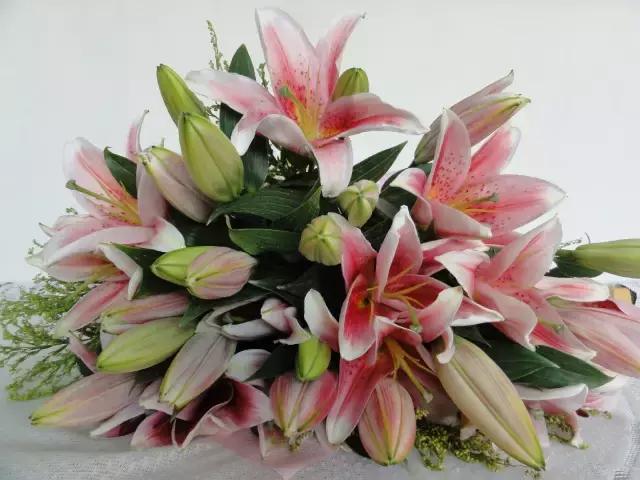
Orchids and lilies:The fragrance of these two flowers stimulates the human nervous system, making people overly excited and very easily causing insomnia.
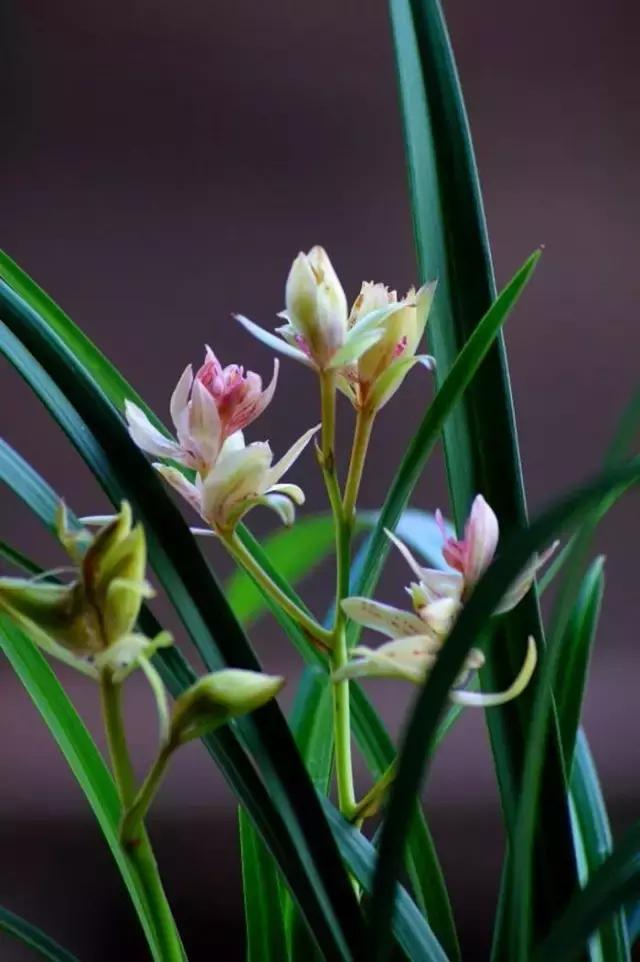
Crown of thorns (Euphorbia milii):Also known as tiger thorn plum, the entire crown of thorns plant releases a pungent, irritating odor, and this odor is suspected of inducing nasopharyngeal cancer, esophageal cancer and the like. Placing this plant indoors is very inappropriate.

Gelsemium (Gelsemium elegans):When it comes to gelsemium, everyone probably knows about it. In the disputes of the ancient imperial harem, how many people met their end because of gelsemium (seems a bit exaggerated, haha, but it's a fact, haha).
The whole plant is toxic, especially the leaves and roots! Many people have been poisoned precisely because they mistook gelsemium for honeysuckle!
Chinese rose (Rosa chinensis):The rich fragrance it gives off can make some people feel chest tightness, discomfort, suffocation and difficulty breathing.
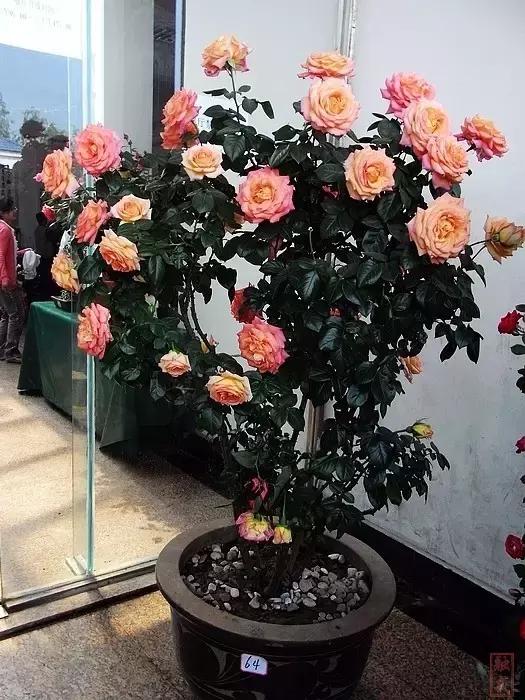
Conifers and cypresses (pine and cypress ornamentals):Their fragrant scent has an irritating effect on the human digestive system, not only affecting appetite, but possibly also making pregnant women feel restless, nauseated and prone to vomiting.
Hydrangea (Hydrangea macrophylla):The particles it releases, if they come into contact with human skin, can cause allergic skin reactions.

Poinsettia:Its stems, leaves and flowers are all toxic, and the white sap in the stems and leaves is especially toxic; if ingested by mistake, it may lead to death from poisoning.
Oleander:It can secrete a milky white liquid, and with prolonged contact it can cause poisoning, decline in intelligence and other symptoms.
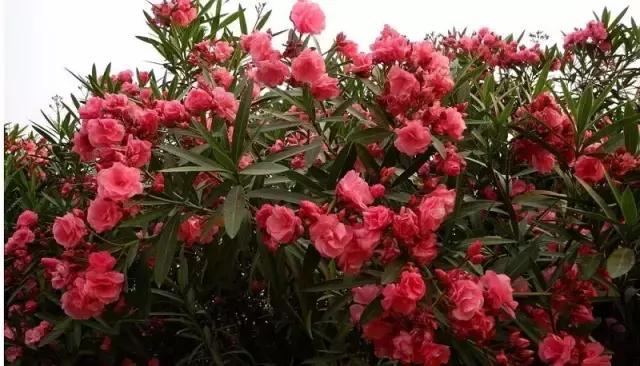
Lucky bamboo (Aglaonema/Chinese evergreen):Its stems and leaves contain dumb cane enzyme and calcium oxalate; touching the skin causes intense itching, and if ingested by mistake it can even damage the vocal cords and make a person mute. It is extremely harmful to the human body.
Mimosa (Mimosa pudica):Its body contains mimosine. Like tulips, if a person comes into contact with it for too long, it can cause hair loss.
Euphorbia (Euphorbia):It causes varying degrees of damage to the digestive system, liver and kidney function, respiratory system and more.
Stapelia (Orbea variegata):The odor particles it releases are also very bad for the human body and can make a person dizzy.
Cat's eye euphorbia (Euphorbia esula):It can be used for its medicinal value, but taking much of the fresh juice can cause numbness in the mouth and throat, stomach discomfort, nausea, pain and restlessness, diarrhea, and even dizziness and other signs of poisoning; direct contact with skin and mucous membranes has an irritating, reddening effect.
Red-backed excoecaria (Excoecaria cochinchinensis) and croton (Codiaeum variegatum):These two ornamental plants cause serious adverse reactions in the human body and are among the cancer-promoting plants, so they are not suitable for cultivation.
Nux vomica (Strychnos nux-vomica):It is highly toxic in nature, and improper use easily causes poisoning, with clinical signs such as tinnitus, deafness, bilateral facial paralysis and more. Severe poisoning can cause sudden cardiac arrest and death.
Redbud (Bauhinia):Its pollen can trigger asthma or worsen coughing symptoms.
Euphorbia crest (Euphorbia neriifolia):The white milky sap in the stems and leaves of the crested euphorbia is toxic, and as one of the 52 cancer-promoting plants, it is best not to keep it at home.
Yellow azalea (Rhododendron):Its flowers contain a toxin; once ingested by mistake, it causes mild poisoning in mild cases and shock in severe cases.
Dumb cane (Dieffenbachia, "dripping Guanyin"):The sap secreted by its stem causes itching when it touches the skin, and causes poisoning when it touches a wound.
Night-blooming cestrum (Cestrum nocturnum):At night it releases a large amount of particles that stimulate the sense of smell; after smelling it for a long time, people with high blood pressure and heart disease may feel dizzy, depressed and uncomfortable, and their condition may even worsen.
Rosary pea (Abrus precatorius):The roots, leaves and seeds are all toxic, with the seeds being the most toxic.
Tulip:Its flowers contain a toxic alkaloid; if a person comes into contact with it for too long, it speeds up hair loss.
Love growing flowers and looking at flowers? Want to chat with fellow flower lovers? Follow our WeChat public account: Indoor Potted Flowers, WeChat ID: huahui78