What are some tips for growing flowers and plants at home? A full breakdown of practical methods
[Introduction]Growing some flowers and plants to decorate the home and yard is now a mainstream activity. Through the process of growing flowers and plants, people can experience joy, and it not only beautifies the living environment and purifies air quality, but also helps people cultivate their character and elevate their moral sentiments. However, problems big and small always arise in growing flowers and plants, so in the process of keeping flowers you must also learn how to deal with these problems.
Many times, home-grown flowers and plants show symptoms or pest damage that vary in degree, and most of the reasons are improper operation or failure to do things properly in our daily flower care.
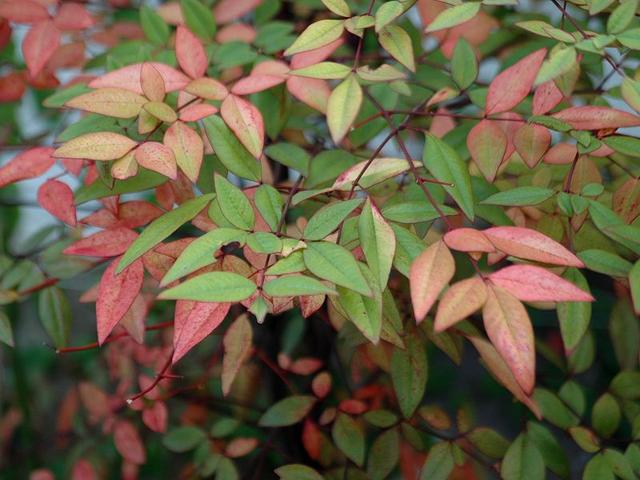
I. Why do the leaves of potted flowers and plants turn yellow?
One reason is too much water. When the potting soil stays too wet for a long time, the soil becomes oxygen-deficient, causing root rot. After damage occurs, the young leaves first turn pale yellow, and then the old leaves gradually turn dark yellow as well.
The second reason is drought and dehydration. Missing a watering or watering only halfway for a long time, that is, wet on top and dry below, will cause the leaves to become dull and lusterless and the leaf blades to wilt and droop. The lower leaves age first and turn yellow and scorched from the bottom upward.
The third reason is a long-term lack of fertilizer. If no fertilizer has been applied for a long time or the potting soil has not been changed, nutrients in the soil are lacking, causing the branches and leaves to become thin and weak and the leaves to turn yellow.
The fourth reason is excessive fertilizing. If the fertilizer concentration is too high, it causes the root cell fluid to seep outward, producing plasmolysis, which causes the edges of the old leaves to become scorched, and even the whole plant to die.
The fifth reason is hot, high temperatures. Cool-loving or shade-loving flowers such as clivia (Clivia miniata), cyclamen (Cyclamen persicum), and fuchsia (Fuchsia hybrida), if placed in a high-temperature spot and exposed to direct sunlight, are very likely to develop scorched tips on young leaves or scorched leaf edges.
The sixth reason is nutrient deficiency. Deficiency conditions such as potassium deficiency and magnesium deficiency can also cause leaf yellowing.
The seventh reason is disease and pest damage. For example, leaf spot disease, when severe, causes an entire leaf to wither, yellow, and fall off. Damage by red spider mites causes parts of the leaf, or even the entire leaf, to wither and yellow.
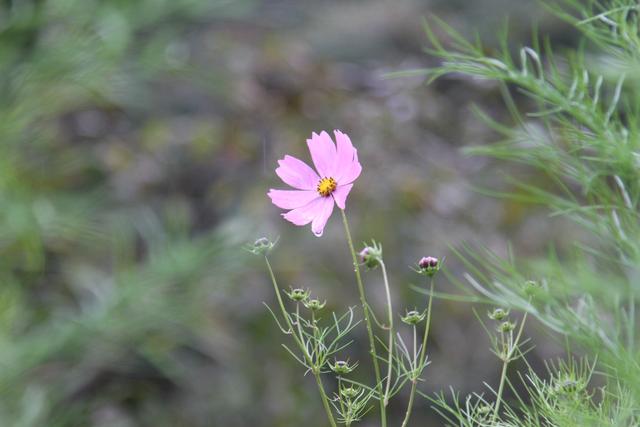
II. Fertilizing methods for potted flowers and plants
Maifan stone fertilizer: Sprinkle a layer of maifan stone granules in the flowerpot to promote the growth of flowers and plants and extend the flowering period.
Crushed eggshell fertilizer: Crush eggshells and bury them in the flowerpot. This is a very good fertilizer and can make potted flowers grow vigorously with lush leaves and bright blooms.
III. Eliminating insects and ants in potted flowers and plants
1. When small flying insects appear in the flowerpot, you can use three or four cotton swabs (cotton sticks), soak them fully in dichlorvos, just to the point where it will not drip, then insert the handle ends into the potting soil around the plant, and the flying insects can be eliminated.
2. When ants appear in the flowerpot, you can soak cigarette butts and cut tobacco in hot water for one or two days. When the water turns dark brown, sprinkle part of the water on the flower stems and leaves, and after diluting the rest, pour it into the flowerpot, and the ants can be eliminated.
3. In early spring, all kinds of flowers and plants are about to enter the vigorous growing season. At this time, spray 1-3 times of 1% Bordeaux mixture on the leaf surfaces and undersides to prevent disease. The method for preparing 1% Bordeaux mixture is: take 1 gram of copper sulfate, crush it, and dissolve it with 50 milliliters of hot water; then take 1 gram of quicklime, add a few drops of water to slake it into powder, then add 50 milliliters of water and filter out the residue; pour both solutions into the same container at the same time and stir evenly, and finally sky-blue transparent Bordeaux mixture is obtained.
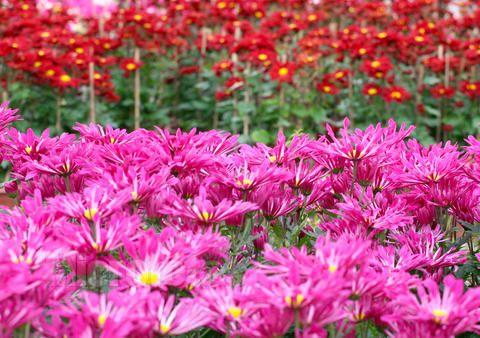
IV. Reasons for potting soil compaction in flowerpots
1. The water used for watering flowers has relatively high hardness, that is, it contains more calcium and magnesium ions. These water-insoluble compounds accumulate in the potting soil, making the potting soil hard and compacted.
2. Improper use of chemical fertilizers. For example, in soil containing more calcium, applying ammonium sulfate will make the potting soil compact.
3. Some people also like to use soy milk, milk, or egg white to water flowers. This unfermented protein not only cannot be absorbed by plants, but is also a cause of soil compaction.
V. Correct watering methods for potted flowers and plants
1. Basin-bottom watering method. Contrary to the ordinary watering method, place the flowerpot in a larger basin of clear water so that water moistens the soil through the bottom of the pot. This is beneficial for preventing soil compaction and has certain benefits for root development, but salts in the soil will rise with the water and accumulate on the surface layer of the soil and along the rim of the pot, easily damaging the nearby roots and stems. Therefore, for potted flowers and plants, watering should often alternate between the basin-bottom watering method and the ordinary watering method.
2. Sand-column watering method. When potting or repotting flowers and plants, first insert several hollow bamboo tubes or metal pipes into the empty pot, then fill with soil and press it firm, then fill the hollow pipes with coarse sand, and finally pull out the hollow pipes, forming sand columns in the pot. The number of sand columns set depends on the size of the flowerpot. Afterward, water only at the sand columns, so that water spreads evenly through the sand columns into the surrounding potting soil. This method can avoid soil compaction and has no side effects on plant growth.
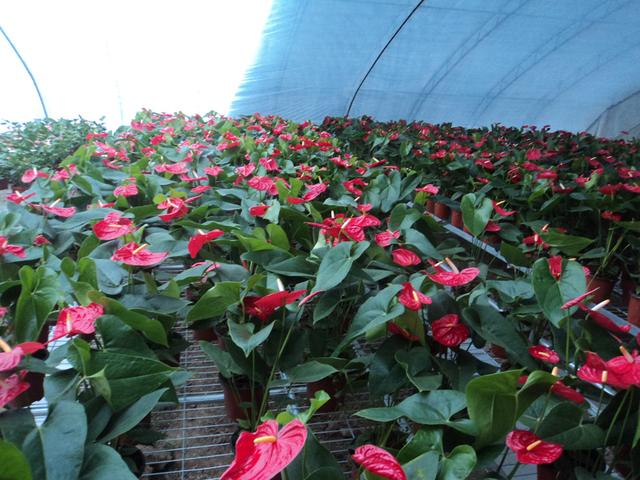
What is introduced above is some fairly comprehensive small knowledge and tips for growing flowers and plants. Problems are unavoidable in the process of raising flowers and plants. At such times, do not panic. Stay calm and respond rationally, and these disease and pest symptoms can be cured.
Follow the WeChat ID: xiaobency. Shared every day around 9 o'clock, listened to by ten thousand people