Citrus December Winter Fertilizer Should Be Applied Like This
Die Lian Hua Ailiao Agrochem

Recently, many fruit grower friends in WeChat circles have asked: when should winter fertilizer be applied to bearing citrus trees and young trees? What fertilizer is best to apply?
1. What Is Winter Fertilizer
So-called winter fertilizer,as the name implies, is a kind of base fertilizer applied in winter, including farmyard manure, bio-organic fertilizer, chemical fertilizer, etc.
Winter fertilizer is generally applied around the time of fruit harvest. However, before and after harvesting, a large amount of time and personnel must be arranged for harvesting and selling the fruit, while the work of digging trenches to apply organic fertilizer is relatively heavy and requires more time. After harvest, it may also be necessary to arrange orchard cleanup and appropriate pruning.
Therefore,the application of winter fertilizer should be reasonably arranged according to the physiological condition of the citrus tree, terrain environment, and soil characteristics, so that it neither affects fruit harvest nor affects the recovery of tree vigor and flower formation the following year.
2. Why Apply Winter Fertilizer
1、Winter fertilizer - post-harvest fertilizer (also called confinement fertilizer) helps restore tree vigor as quickly as possible, has a good leaf-preserving function, prolongs leaf lifespan, prevents citrus from dropping leaves in winter, and ensures stable and high yields of the orange tree and improved quality.
2、The organic fertilizer in the winter fertilizer applied into the soil plays a role in keeping warm and protecting roots in winter. At the same time, under the activity of microorganisms, it slowly decomposes, which helps citrus gradually absorb and utilize it when growth slows in winter and root absorption capacity weakens, allowing the tree to accumulate more organic nutrients for the needs of sprouting and flowering the following year.
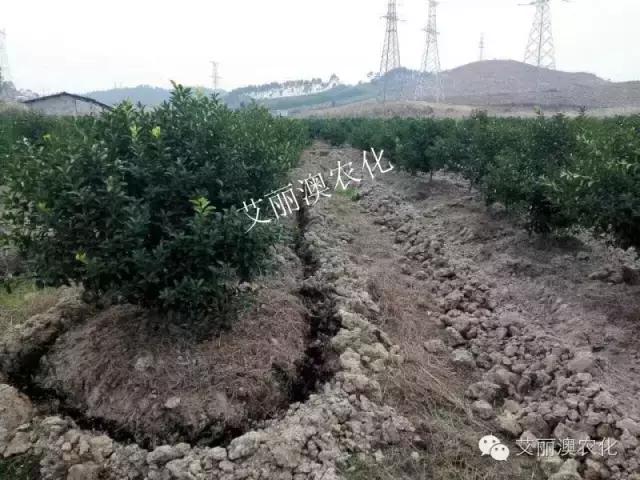
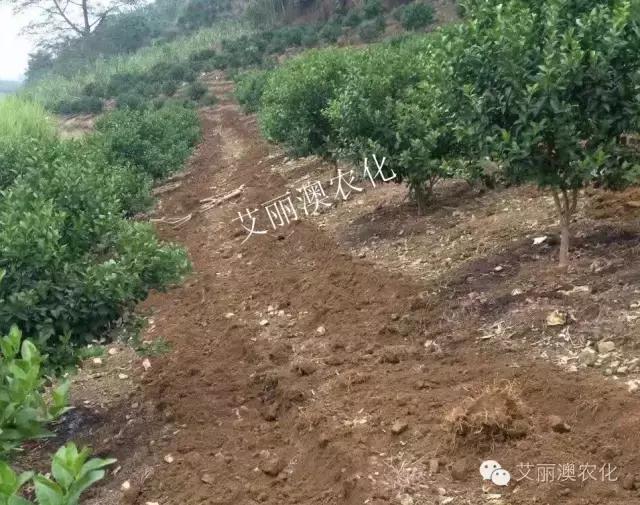
3、Digging trenches and cutting roots also promotes flower bud differentiation in winter.
3. What Fertilizer Is Mainly Used for Winter Fertilizer
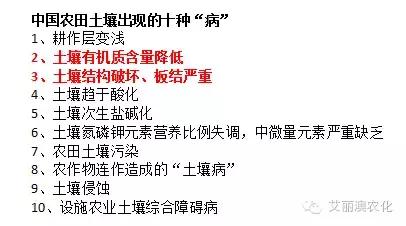
Soil rich in organic matter is very beneficial to citrus roots. A robust and flourishing root system is the guarantee of citrus yield and quality, so the soil must be kept loose and rich in organic matter. According to experience, only when the soil organic matter content in the root zone is above 2% can citrus possibly achieve high and stable yields. Therefore, for relatively thin soil foundations, organic matter input should be increased when applying autumn-winter base fertilizer.
Citrus winter fertilizer is mainly organic fertilizer, with appropriate addition of quick-acting chemical fertilizer and medium and trace element fertilizer. Organic fertilizer must be fully decomposed; organic fertilizer that is not yet decomposed can easily burn roots after being deeply buried; chemical fertilizer and medium and trace element fertilizer should not be applied excessively. Excessive fertilization can easily cause reverse osmosis, causing branches and leaves in the orange orchard to dry up in winter and resulting in leaf drop.
Apply medium and trace element fertilizer according to local conditions. Mountain orange orchards on red and yellow soils in the south are all acidic, and the content of available calcium, magnesium, zinc, manganese, boron and other elements is relatively low. According to the different conditions of the orange orchard, winter fertilizer should be applied to suit the symptoms, so as to supplement the deficiency of trace elements.
4. When to Apply Winter Fertilizer
China's suitable citrus growing areas are vast, spanning a large latitude range, and the minimum winter temperatures differ greatly. In southern citrus areas, organic fertilizer can be buried and applied at any time in winter, and it is even deliberately buried and applied during the coldest period of the year (Winter Solstice - Great Cold) in order to combine it with turning the soil to eliminate underground pests. It is generally applied during the period from Minor Cold to Great Cold.
For areas where winter is relatively cold, organic fertilizer should be applied as early as possible, and application should be completed before the root system becomes dormant.
For bearing Shatangju trees - if the fruit load is moderate, the tree vigor is relatively strong, and the leaf color is relatively dark green, applying fertilizer before the fruit is harvested will injure the root system from digging, and it will also be difficult to operate because of the presence of props and other obstacles, and applying fertilizer before harvest may cause the degree of fruit coloring to get out of control. Therefore, for citrus trees that have already set fruit, if one is inexperienced, it is best to apply winter fertilizer after harvest.
It is generally recommended to immediately supplement with foliar fertilizer after harvest in combination with orchard cleanup, so that tree vigor can be restored as quickly as possible, and then consider expanding the planting hole and burying winter fertilizer.
In addition, for bearing trees with a large fruit load and relatively weak tree vigor, it is advisable to apply a small amount of quick-acting chemical fertilizer one week before harvest to supplement plant nutrients, while the time for applying base fertilizer (organic fertilizer) should be placed before Great Cold.
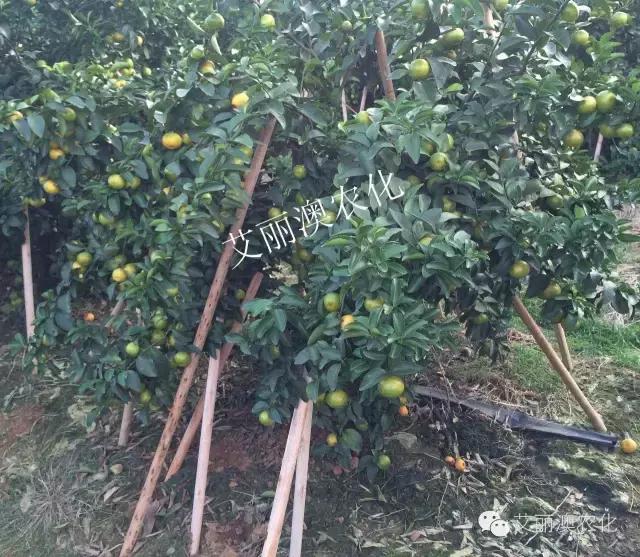
Pre-harvest support stakes are not conducive to applying winter fertilizer -
5. Correct Fertilization Methods
Generally, the following methods can be used for winter fertilizer application to bearing trees:
When opening holes and trenches for fertilization, do not dig in the same direction and position every time; rotate the direction and position each time.
Because the root system has a tendency to grow toward fertilizer, the fertilization position for citrus should generally be slightly deeper or slightly farther than the location where the root system is concentrated. The slow-release organic fertilizer in winter fertilizer should be applied deeply, with trenches opened 30-40 cm or more, outside the drip line, to induce the root system to develop deeply and widely, expand the range of nutrient absorption, and enhance the stress resistance of the tree.
In plain paddy field citrus orchards, winter fertilizer should be applied deeply, and the poor habit of shallow dish-shaped application should be changed. At the same time, attention should be paid to trench drainage and intertillage to improve soil aeration. For citrus orchards with deep tillage layers and clayey soil, heavy application should be emphasized during fertilization, while sandy soil requires frequent and light application.
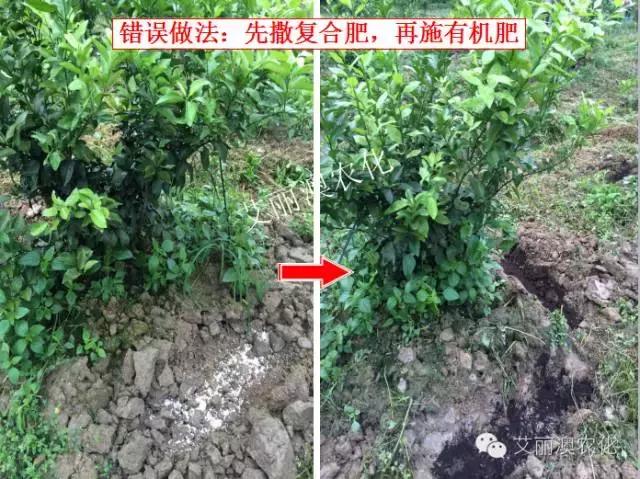
The fertilization sequence is: after opening the trench, first place organic fertilizer, then scatter chemical fertilizer and medium and trace element fertilizer onto the excavated soil, and fill the pit along with the soil, avoiding direct contact with the root mass.
6. How to Fertilize Bearing Trees
Winter fertilizer is mainly decomposed organic fertilizer. Well-fermented farmyard manure, peanut meal, etc., or high-quality bio-organic fertilizer can be used, matched with an appropriate amount of nitrogen, phosphorus, potassium and medium and trace element fertilizer, and applied by opening deep trenches and burying.
■ For trees that will come into production next year, apply 2-3 kg of Mengding base fertilizer per tree, or Mengding Qiangli + 2-3 liang of Duokong fertilizer + 2-3 liang of Jiuyuansu.
■ For bearing trees, based on a plant with a per-tree yield of 50 kg, apply 3-5 kg of Mengding base fertilizer per tree, or Mengding Qiangli + 5-8 liang of Duokong fertilizer + 3-5 liang of Jiuyuansu fertilizer.
7. How to Fertilize Young Trees?
In winter, for young plants, the absorption capacity of their root system is relatively weak. Fertilization should be applied after the beginning of winter and before the arrival of extremely cold weather, generally from early December to late January of the following year. Depending on weather conditions, an average temperature below 15°C is more suitable, to prevent applying winter fertilizer too early, as warming can easily cause winter shoots to sprout, while also serving to keep warm, resist cold, and prevent freezing.
For young trees whose last batch of shoots has not yet matured, Mengli 28 + Leshi high-potassium water-soluble fertilizer can be applied by drenching, and Super Phosphorus Potassium + Jieyida can be sprayed on the leaves to promote maturation and prevent freezing damage.
For buried application of winter fertilizer, generally open a ring-shaped trench outside the crown drip line or open strip trenches on both sides. For 1-2 year old trees, apply 2 jin of Mengding base fertilizer per tree, or Mengding Qiangli + 1-2 liang of Jiuyuansu + 2 liang of Shidiwen Duokong fertilizer.