Recommended Methods for Growing Water Spinach on a Balcony in Summer
Nutrition and Benefits of Water Spinach
Water spinach was rarely eaten before, but later I fell in love with a short Taiwanese romance novel, in which the female lead won over the male lead with a pot of plain white rice and stir-fried water spinach with meat. So every time Cherry goes to the vegetable market and sees water spinach, she thinks of this novel and buys a bunch to stir-fry at home. That's how women are, I suppose - sometimes eating is about a feeling.
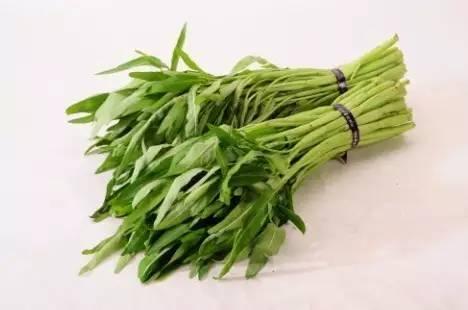
I've gone off on a tangent. Back to the point. Later, of course, Cherry started growing it herself. First, let's look at the nutrition and benefits of water spinach.
Water spinach is extremely rich in crude fiber, which consists of cellulose, lignin and pectin. A large amount of fiber can promote intestinal peristalsis, pectin can accelerate the elimination of toxic substances from the body, and lignin can enhance the activity of macrophages in engulfing bacteria, sterilizing and reducing inflammation.
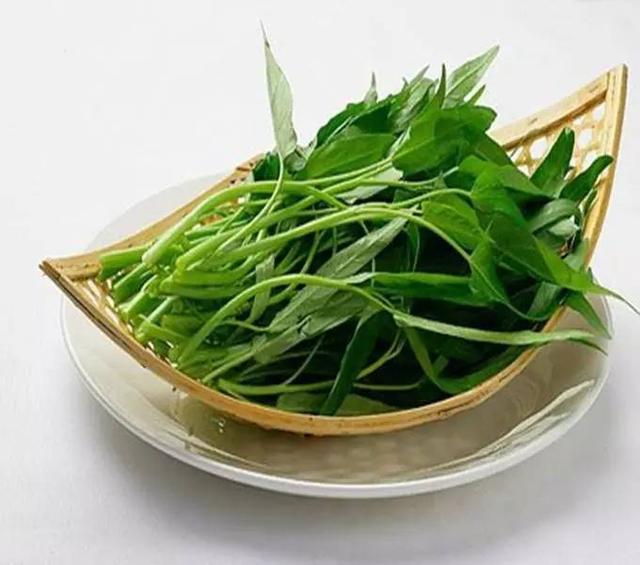
Water spinach is also rich in vitamin C and carotene, which help strengthen the body and prevent and fight disease. In addition, the chlorophyll in water spinach can clean the teeth and prevent cavities, and moisturize the skin; moreover, purple water spinach contains an insulin component that can lower blood sugar, making it a good therapeutic vegetable for diabetes patients.
Growing Water Spinach
Water spinach likes a hot and humid environment, prefers moist soil, and likes sufficient light. It does not have strict requirements for soil conditions, but it likes fertilizer and water, so it is most suitable for vegetable growers to plant in summer.
1.Sowing
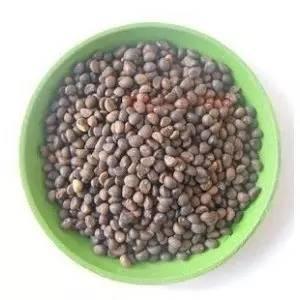
The seed coat of water spinach is relatively thick and hard, so it is best to soak the seeds before sowing, which results in uniform seedlings and a high germination rate. A broadcast sowing method can be used: scatter the seeds into the soil, cover with 1-2 cm of soil, water thoroughly, and they will sprout in about 1 week; during this period the soil must be kept moist.
2.Seedling Stage Management
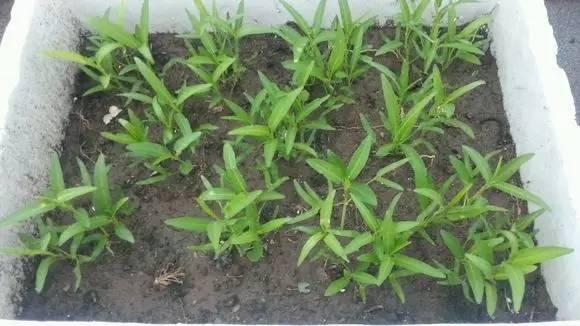
When there are 3-5 true leaves, apply a thin dose of decomposed organic fertilizer once, mainly nitrogen fertilizer. When there are more than 6 true leaves, normal management can begin. Water frequently; if the environment is too dry, the vines will have more fiber and the taste will not be good. (Moldy or insect-damaged beans, peanuts, sunflower seeds and so on that can no longer be eaten are all very good nitrogen fertilizer materials. After fermentation, pouring them into the soil makes very good nitrogen fertilizer.)
3.Harvesting
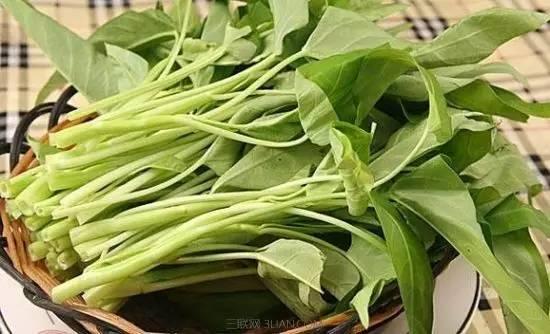
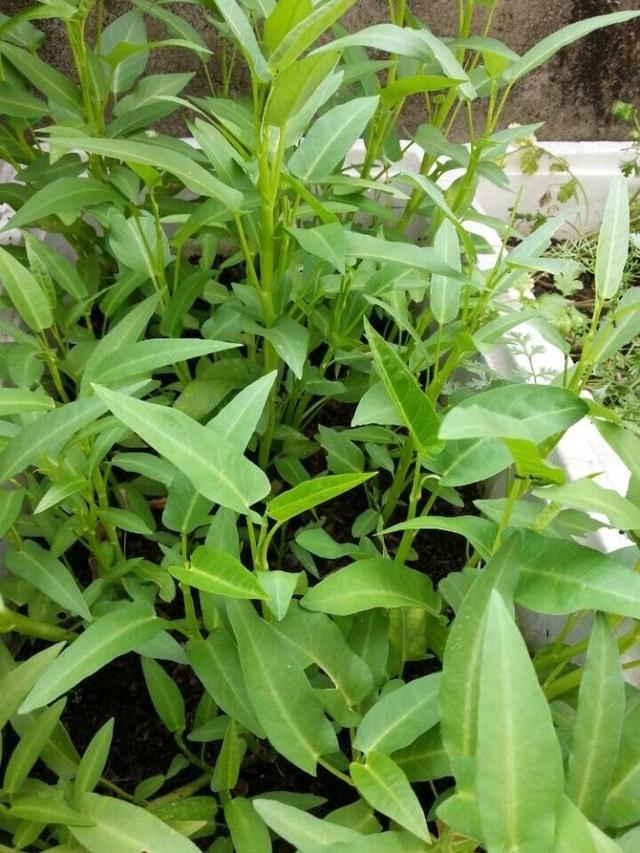
Generally, harvesting can begin when the seedlings are about 25-35 cm tall. When picking, leave 2-3 nodes at the base and pinch off the tender shoots by hand; new branches will continue to grow from the nodes, allowing multiple harvests.
Water spinach tends to turn yellow when exposed to heat during stir-frying. When cooking, heat the wok thoroughly and stir-fry quickly over high heat; once the leaves soften, turn off the heat and serve.
For more vegetable-growing knowledge, please follow my WeChat public account "love-zhongcai".