How to Tell If a Tomato Plant Is Potassium Deficient? Teach You the Identification and Judgement Methods
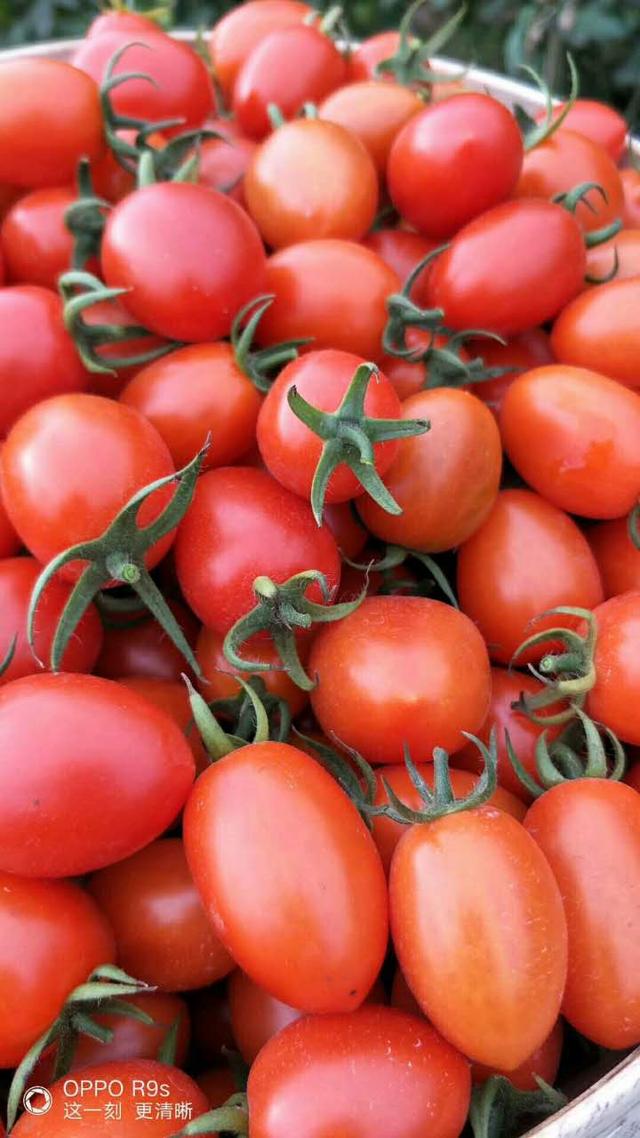
Tomato is a common fruit-type vegetable, with a sweet-and-sour taste and rich in vitamins. However, some tomato plants develop potassium deficiency during growth. Below, the editor briefly introduces the prevention and control methods for potassium deficiency in tomatoes.
What to do about potassium deficiency in tomatoes? Prevention and control methods for potassium deficiency in tomatoes
Symptoms of potassium deficiency in tomatoes
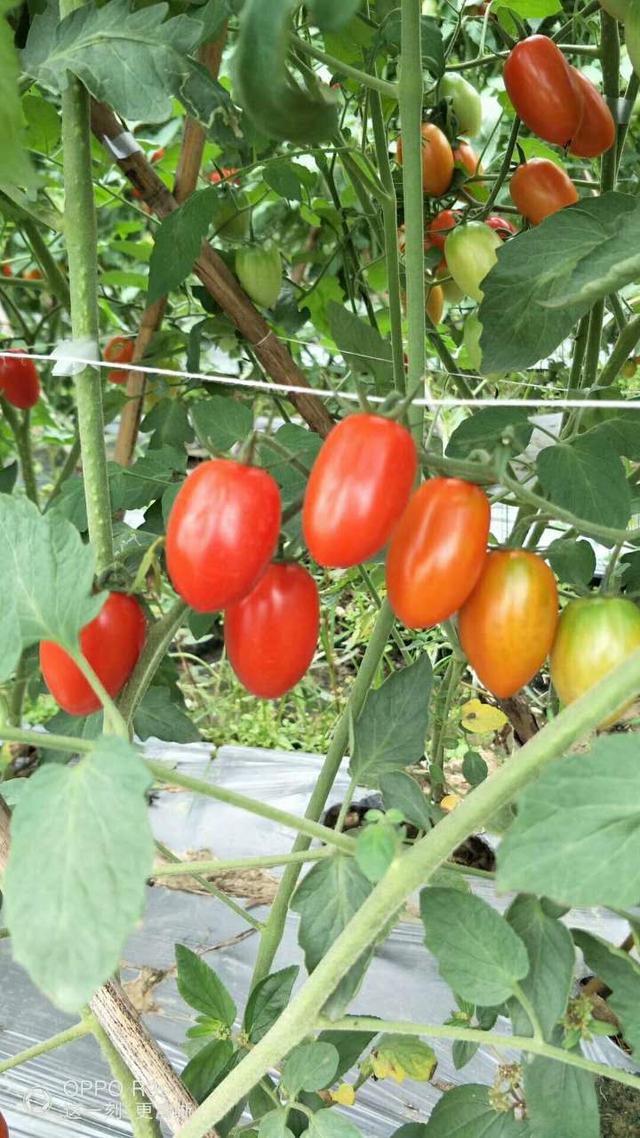
In the early growth stage of tomatoes, potassium deficiency symptoms start from the leaf margins, which lose their green color and dry up; in severe cases, the mesophyll between the veins loses its green color. During the fruit enlargement stage, the leaves near the fruit clusters are most likely to show potassium deficiency symptoms, first showing loss of green at the leaf margins, then drying up, as if scorched. The fruits set by potassium-deficient plants color poorly, and if potassium deficiency occurs together with excessive nitrogen, green-shoulder fruit is also likely to appear. Under conditions of heavy watering and excess nitrogen, if the potassium supply is insufficient, the leaves appear dark green and soft, and are prone to infection by various pathogens; under drought conditions, potassium deficiency causes the leaves to be dark green and rather stiff, with a markedly reduced drought tolerance, accompanied by flower drop and fruit drop, and the fruits are small, angular and color poorly.
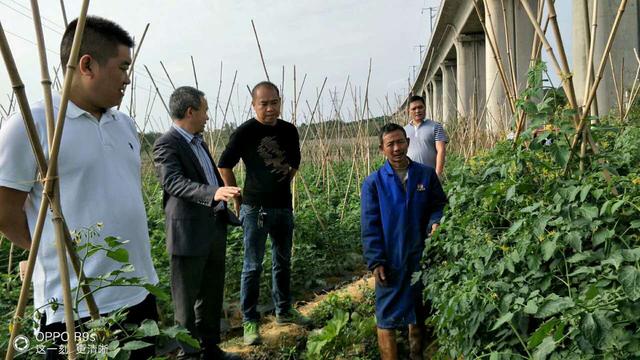
Key diagnostic points for potassium deficiency in tomatoes
① It is most likely to appear during the fruit enlargement stage.
② In the early growth stage, potassium deficiency symptoms occur only when potassium is extremely deficient.
③ Because chlorosis can also occur due to toxic gas damage, experts remind everyone to pay special attention to potassium deficiency symptoms occurring under covered cultivation.
④ If symptoms occur in the middle part of the leaf, it is magnesium deficiency; if yellowing and dry-edged leaves occur on the upper part, there is a possibility of calcium deficiency.
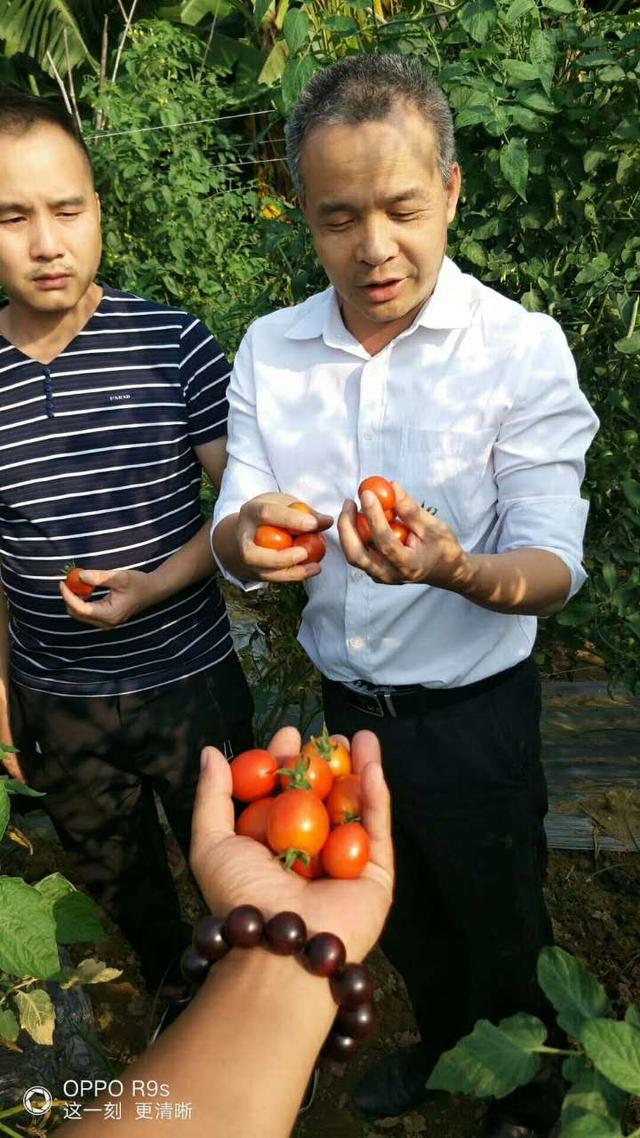
Conditions under which potassium deficiency is likely to occur in tomatoes
① The potassium content in the soil is low; especially sandy soil is often deficient in potassium.
② During the peak growth period, fruit development requires a lot of potassium; if the potassium supply is not sufficient at this time, potassium deficiency symptoms are likely to occur.
③ When a large amount of lime fertilizer is used, it affects the plant's absorption of potassium and also makes potassium deficiency more likely.
④ It is likely to occur when sunlight is insufficient and the temperature is low; when the soil temperature is low, the tomato's potassium uptake weakens, making potassium deficiency likely to occur.