Large-scale cultivation methods of okra on family farms
This article uses Yikui Okra Farm, a base under Shandong Yikui Biotechnology Co., Ltd., as its prototype, combining text and images to summarize okra cultivation, for the reference of fellow okra growers only.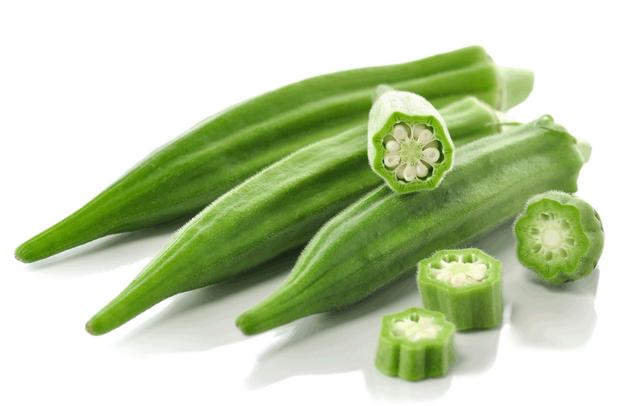

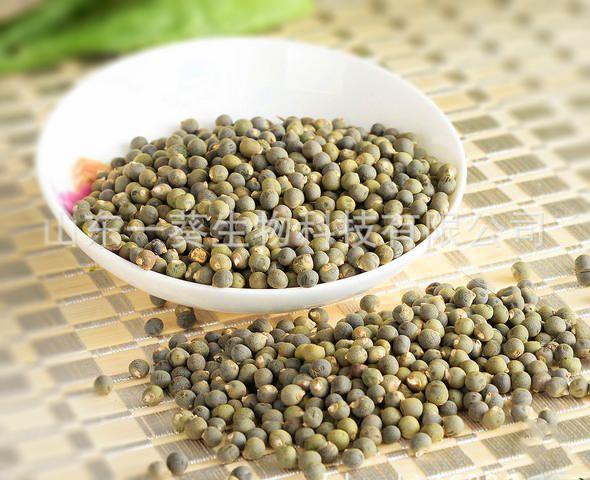
Seeds: variety Cariba, seeding rate 2-2.5 jin per mu.
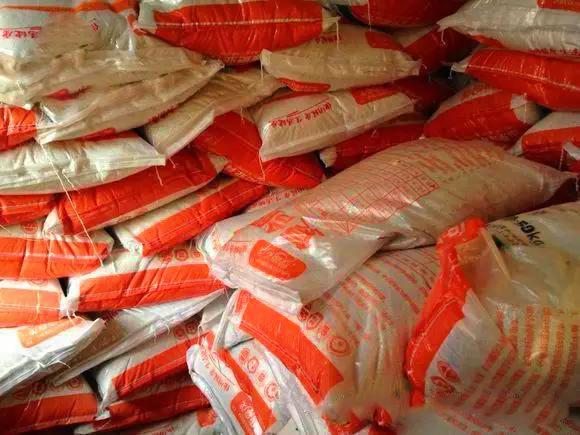
Fertilizer: 15-15-15 potassium chloride compound fertilizer, application rate 25KG to 45KG.
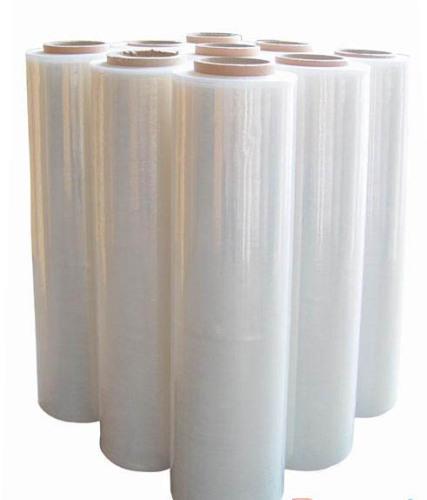
Mulch film: 90CM white mulch film.
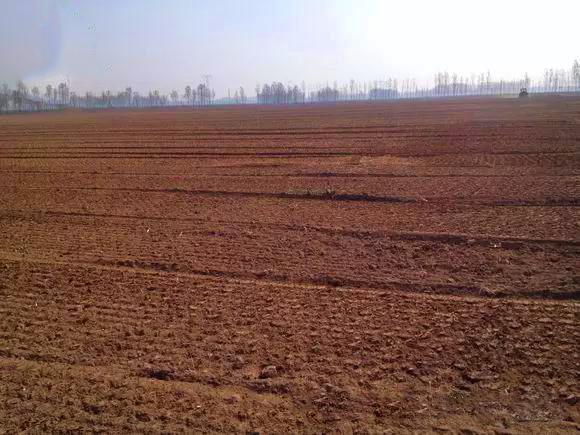
II. Land preparation:
No further elaboration.
Machine-laid film: spraying at the front, fertilizer spreading in the middle, film laying at the back; machines similar to peanut seeders can all handle this operation. After the film is covered with soil, the film width on the ground is 60CM, with a ditch spacing of 30CM.
The sowing time (taking Shandong as an example) is mid-to-late April on the solar calendar, and should not exceed May 5th.
Before sowing, soak the seeds for 12 hours, changing the water once in between, drain, and then sow.
Yikui Okra Family Farm uses manual sowing, with three groups of people: the front group makes holes, the middle group places seeds (keeping the seeds moist), and the back group covers with soil.
A cotton seeder can also be used, depending on your own situation. (Machine sowing may cause seed breakage or uneven sowing and similar problems)
The distance between holes is a standard 17-18CM, representing the plant spacing; two seeds per hole (when the seed germination rate is high), ensuring two seedlings per hole in the future.
The standard for the two rows of holes is to make holes at the edge of the film, so that the distance between two holes in a horizontal row is about 40CM, which is the row spacing.
To ensure pesticide residues meet factory requirements, weeding is generally done manually; when chemicals are used, they are the specified drugs (generally aphids in the early stage, green worms during the fruiting stage, and in some cases cutworms and stem borers, in small numbers)
Each worker is allocated a picking area according to their own labor capacity, usually 1.5-2 mu. They go to the field to pick at around 2 a.m. and must leave the field before 9:30 to prevent heatstroke; no picking in rainstorm or thunderstorm weather.
The distributed supplies include headlamps, long-sleeved latex gloves, cotton gloves, and split raincoats. Latex long-sleeved gloves are worn inside, cotton gloves outside.
It is best not to leave skin exposed; the fruit is picked by hand. If there is itching, use prickly heat powder to relieve it. Workers prepare their own cloth bags for picking, as well as bags for holding fruit with their names written on them in the ditches; full bags go to the sorting station.
Factory fruit is mostly 6-11CM, while market fruit is best at 8-12CM; the sorting table has a stainless steel surface to prevent friction. After sorting, the fruit goes into foam boxes or turnover boxes. Old fruit with hard tips, tender fruit whose length is outside the range, and fruit with a thickness over 2CM are all discarded.
Fruit destined for the market needs the stems trimmed, is packed separately into foam boxes, pre-cooled, and layered with newspaper and ice bottles.
The annual okra planting season is about to arrive; friends who need certified seed sources should act quickly.
Want to learn more about the benefits of okra? Please add the Yikui WeChat public account: ykswkj, and you will quickly learn about okra