Start organic, healthy growing with herbs this spring
Today I want to first introduce you to something very fresh, very seasonal, and very well suited to organic growing - the herb family.
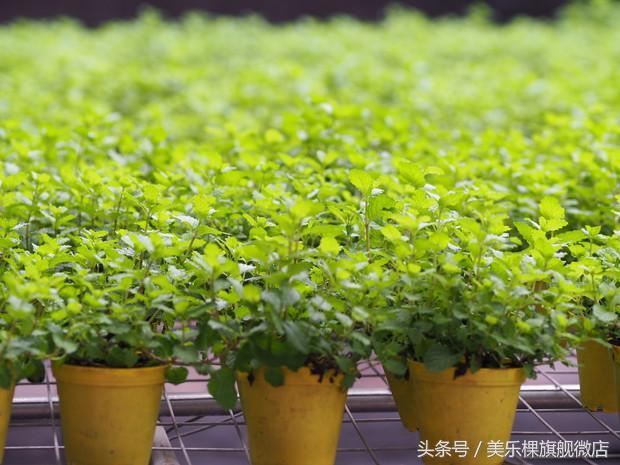
Many people love herbs, not only for their beauty, but even more for the various mysterious powers herbs possess.
They can not only be brewed as tea, used in food, used for dyeing, and used as spices, but also have natural health benefits: for example, rosemary can help boost memory, and mint can promote sweating and relieve fever, soothe the throat and stop pain...
What is rarest is that they are relatively easy to keep alive. Grow a few pots of perilla or mint at home, pick them at will to add to dishes or brew as tea. A fun life is just that simple.
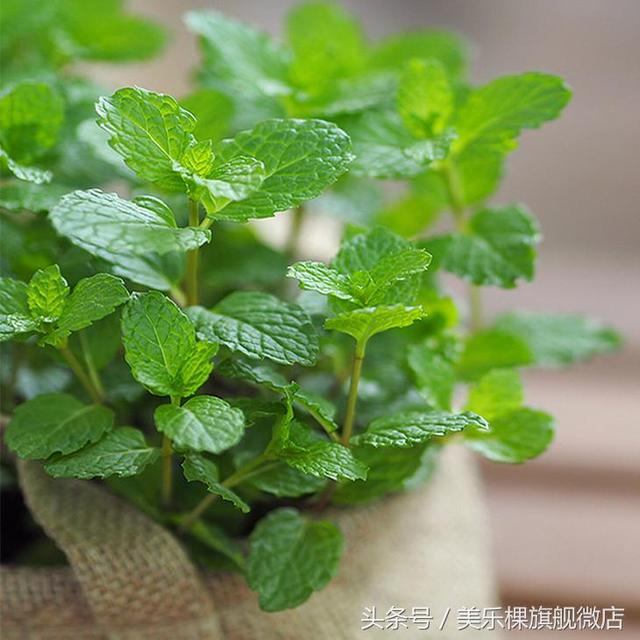
The Basics of Growing Herbs
Herb plants are mostly full-sun plants, and it is best to keep about 6-8 hours of light per day. Most varieties can also be grown in partial sun, that is, 3-4 hours of sunlight per day. So the most suitable places for growing herbs are recommended to be set in a courtyard, rooftop, terrace, balcony, or by a window. Whether full sun or partial sun, both refer to direct sunlight, or sunlight reaching the plant through clear glass.
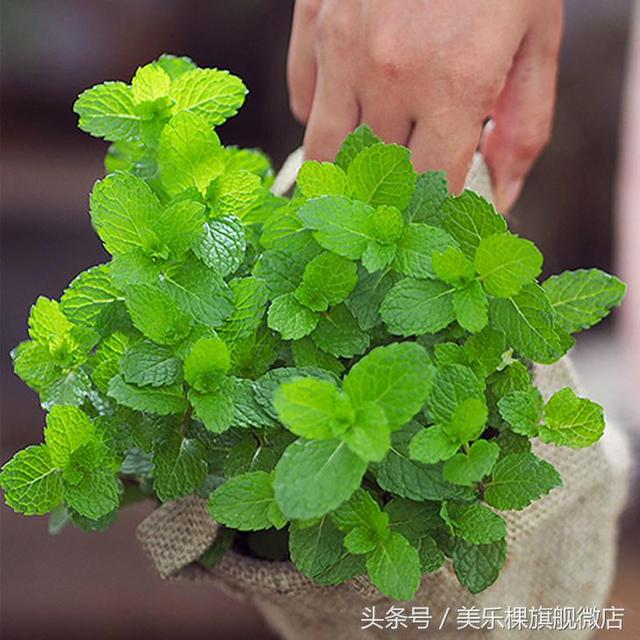
In addition to being a necessary condition for photosynthesis, sunlight also brings heat energy along with light energy. That is, the longer the sunlight, the higher the plant's temperature will be.
When the summer sun is especially harsh, it can also cause herbs to die from heat. In summer, you can appropriately reduce some sunlight to avoid the possible harm to plants caused by overheating. Perhaps this way the herbs will look a bit ugly in summer, but if they successfully make it through summer, then increase sunlight again in autumn, and they can still gradually flourish again.
In places without direct sunlight but that look bright to the naked eye, the light may still not be enough for herb plants. When light is insufficient, plants will become leggy. The leaves of leggy plants will become smaller or lighter in color, the spacing between leaves will also increase, and the stems will become slender.
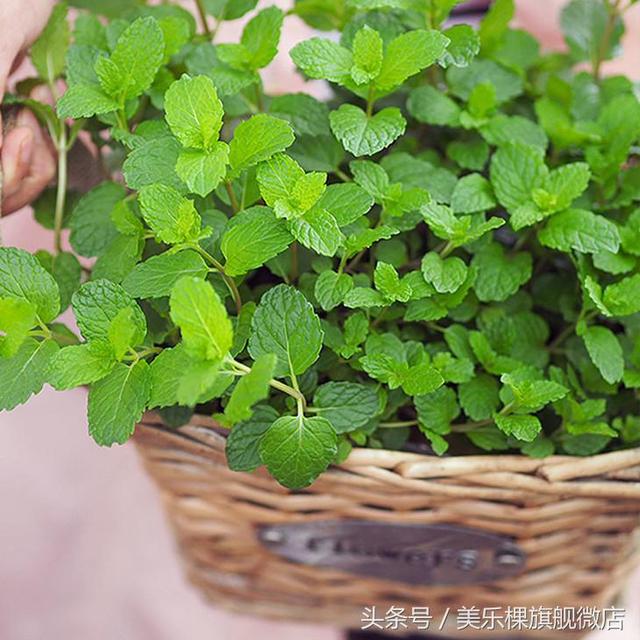
Herbs like well-drained soil, and watering is not a fixed daily routine, but rather watering when the soil surface is dry. When watering, soak the pot through, do not pour water directly on the leaves or petals, and the pot must not retain standing water. To grow herb plants, you only need to spend a little time each day caring for and observing them, and water again when you find the soil dry, so as to avoid root rot. On rainy days, pay attention to whether drainage is good. If there are several consecutive cloudy and rainy days, reduce watering and avoid exposing them to rain.
In addition, plants such as lemon balm, lemongrass, and mint have relatively large and thin leaves and need more water, while the leaves of lavender and rosemary have hairs or thickness, so the rate of water loss is relatively slower, and therefore their water needs are lower.
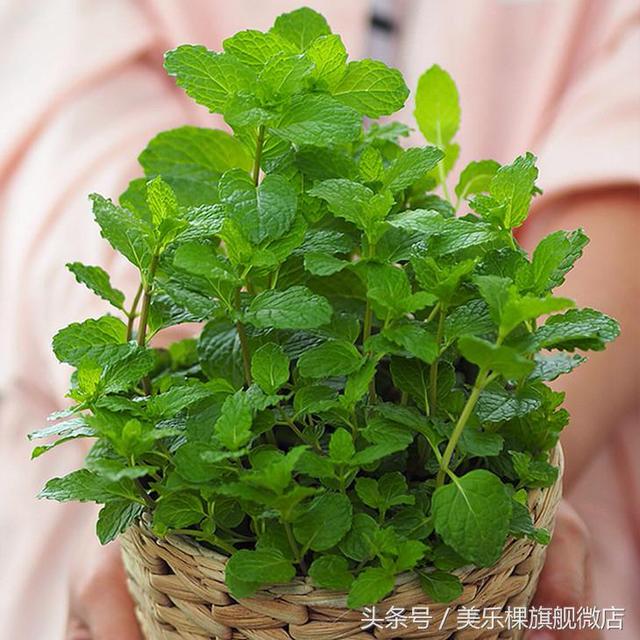
The principle for watering herbs is "water when dry, stop when wet". When watering, remember to pour the water onto the soil, not onto the leaf surface. The amount of water should mainly soak the pot through, but note that there must be no standing water at the bottom. If there is a saucer under the pot, remember to pour out the standing water. In addition, watering time should avoid noon or when the soil surface temperature is relatively high, so as to avoid heat causing harm to the plants.
Mint aromatic refreshing herb plant silver dan grass spearmint balcony indoor outdoor home office desk potted plant
Introducing the growing and use methods of several common herbs
Mint
A perennial herb of the Lamiaceae family, it is a commonly used traditional Chinese medicine and also a tasty vegetable. It grows extremely fast and can be picked and used as needed
Planting time: propagated by cuttings year-round
Optimum growing temperature: 25-30°C, cold-tolerant, heat-tolerant.
Light: full sun
Watering: needs watering every day in summer, while in winter water should be controlled.
Growing tip: when it grows to 20-25 cm tall, pinch off the top and it will branch faster
Uses: in dishes, brewed as tea, paired with alcohol; such as mint tofu
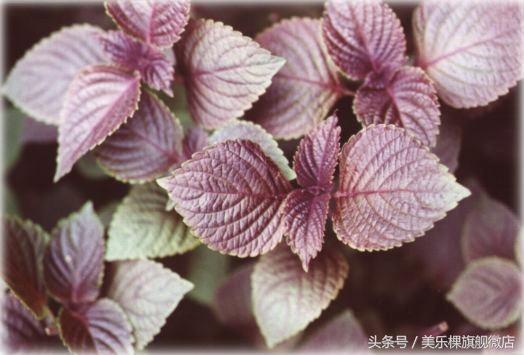
Perilla
An annual herb of the Lamiaceae family, it can be used as medicine and is also a tasty vegetable
Planting time: propagated by sowing in spring
Optimum growing temperature: 22-28°C, cold-tolerant, heat-tolerant.
Light: full sun
Watering: needs watering every day in summer, keep the potting soil moist.
Growing tip: do not plant too densely; when it grows to 20-25 cm tall, pinch off the top and it will branch faster
Uses: as a vegetable, in tea; such as perilla pancakes
Oregano
A perennial herb of the Lamiaceae family, it is a natural antibiotic
Planting time: propagated by sowing or cuttings in spring
Optimum growing temperature: 20-25°C, prefers a cool and airy environment.
Light: likes light, avoid direct sun in summer
Watering: needs watering every day in summer, keep the potting soil moist.
Growing tip: to increase stem and leaf yield, when the plant shows flowers, cut the plant back to about 10 cm.
Uses: in dishes, barbecue, medicinal use; such as country vegetable soup
Rosemary
A perennial shrub of the Lamiaceae family, it is a precious aromatic plant
Planting time: propagated by layering or cuttings in spring, summer, and autumn
Optimum growing temperature: 20-25°C, likes warmth, drought-tolerant.
Light: likes light, avoid direct sun in summer
Watering: needs watering every day in summer, keep the potting soil moist.
Growing tip: in winter, avoid cold waves; it grows slowly and has weak regeneration ability, so it cannot be heavily pruned. It cannot be planted together with onions, garlic, basil, etc.
Uses: in dishes, brewed as tea, medicinal use; such as rosemary roasted seasonal vegetables
Cuban oregano
A perennial herb of the Lamiaceae family, it can be used medicinally, and the leaves release fragrance when stimulated
Planting time: propagated by cuttings in spring and autumn
Optimum growing temperature: 20-25°C, likes warmth, drought-tolerant.
Light: likes light, avoid direct sun in summer
Watering: water when dry, stop when wet, avoid standing water.
Growing tip: do not plant too densely; only with sufficient sunlight will the leaves be emerald green and thick, and the fragrance rich
Uses: in dishes, brewed as tea, medicinal use; such as Cuban oregano scrambled eggs
Potted mint + organic nutrient soil, nutrient solution. Starting this spring, make your growing more organic and healthy~~