Methods for Planting Angelica sinensis and Key Points of Standardized Cultivation Techniques
Angelica sinensis is one of the traditional Chinese medicinal herbs, with effects such as nourishing and enriching the blood, moistening the intestines and relieving constipation, regulating menstruation and invigorating blood circulation, anti-cancer, and anti-aging and anti-senility. In recent years, as people pay more and more attention to health and wellness, the market demand for Angelica sinensis has also been increasing, thus attracting many people to grow it. So, how is Angelica sinensis planted?
1. Site selection
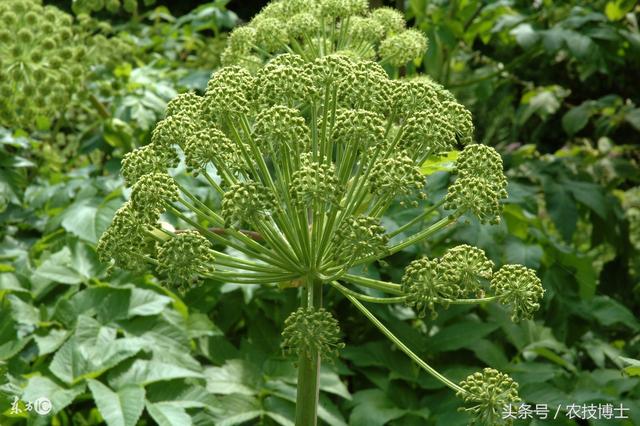
It is advisable to choose black soil or black loess soil with deep soil layers, gentle terrain, good drainage, loose soil, high humus content, and no pollution of soil or water quality, with the previous crop being wheat or potato.
2. Land preparation
This is carried out 1-2 days before transplanting the following year by plowing and applying base fertilizer together, with a plowing depth of about 20-25 cm, and harrowing and leveling immediately after plowing. In combination with plowing, use a hoe, iron shovel, and harrow to level the uneven plots, and remove weeds, straw, and stones.
3. Application of base fertilizer
Organic fertilizer is the main type, with chemical fertilizer as a supplement. Apply more than 3000 kg of decomposed farmyard manure per mu, combined with 30 kg of diammonium phosphate. Farmyard manure and diammonium phosphate should be evenly spread on the ground surface before sowing and mixed into the tillage layer soil along with plowing.
4. Seedling selection
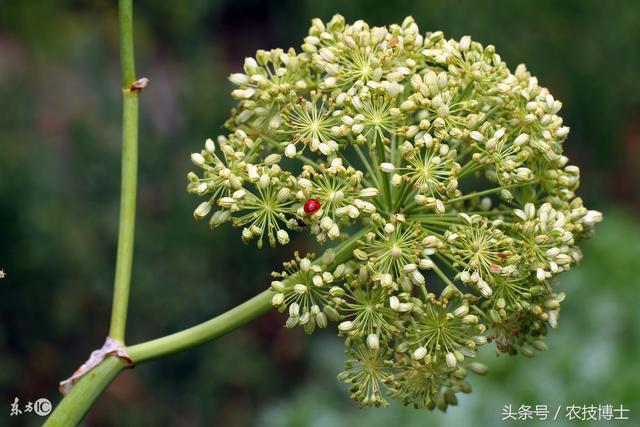
Select high-quality seedlings that are free from disease infection, free from mechanical damage, have few lateral roots, smooth epidermis, and a diameter of 2-5 mm (80-110 g per 100 seedlings).
5. Planting
The plant spacing and row spacing are both 33 cm, generally maintaining more than 6000 plants per mu. Plant two plants per hole, matching large and small seedlings, with a distance of 3-4 cm between the two seedlings. Place the seedlings separately and upright in the hole, fill with soil, compact, and cover with about 2 cm of soil.
6. Field management
1. Checking holes and replanting missing seedlings:After planting Angelica sinensis until emergence, check for damaged seedlings, missing holes, wilting, and dead seedlings. If the rate of missing holes reaches 10%, replant seedlings in time, transplanting the seedlings prepared at the field edge with soil on cloudy and rainy days. If rotten-root seedlings are found, dig out the dead and withered seedlings with a hoe, collect all roots, stems, and leaves together, burn them in a place far from the planting field, and bury the ashes deep in the soil, sprinkling 100 g of plant ash into each hole.
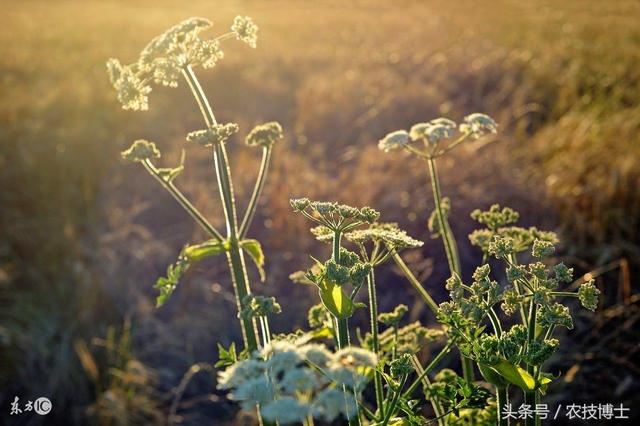
2. Weeding:Weed once a month, at least three times. When the seedlings grow to 5-6 cm, hoe the first round of weeds, with shallow and careful hoeing, not damaging the seedlings, not burying the seedlings, and not pulling up the seedlings. When they grow to 10-15 cm, hoe the second round of weeds, which must be hoed through and deep, but avoid damaging roots and pulling up seedlings. When they grow to 30 cm, hoe the third round of weeds, preferably shallow and careful hoeing. After that, pull out weeds promptly according to their growth.
3. Final thinning of seedlings and removal of bolting plants:In combination with the second and third intertillage and weeding, pull out or cut off bolting plants with scissors; during the third weeding, finalize the seedling spacing, keeping 1 plant per hole.
4. Topdressing:In combination with intertillage and weeding, a small amount of urea may be broadcast during the seedling stage, and before root enlargement, 0.5 kg of potassium dihydrogen phosphate per mu mixed with 30 kg of water may be sprayed on the leaves.
7. Harvesting
From late October to early November in the same year of planting Angelica sinensis, when the leaves turn yellow and wither, cut off the aboveground part. Dig 5-7 days later. When digging, be sure to guard against damaging the roots. Shake off the soil from the dug Angelica sinensis roots, pick out water-rotted and vegetable-top ones, and place them in a ventilated and sun-protected place.
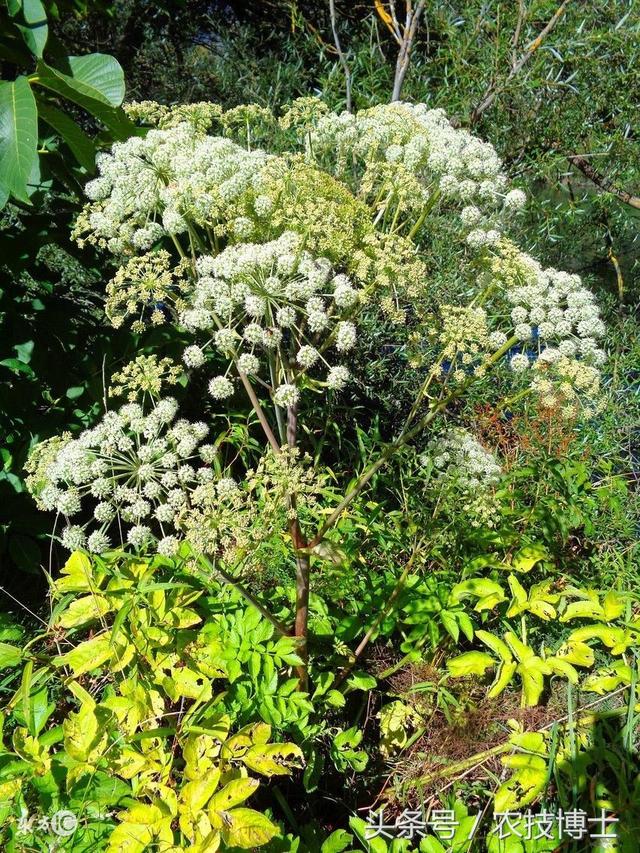
[Editor's Conclusion]Angelica sinensis is a low-temperature, long-day crop, suitable for planting in high-cold and cool climates, and more attention still needs to be paid during the planting process.