How to Grow Succulents? A Detailed Beginner's Guide to Planting Methods
Materials/Tools:
Succulents, flower pots, nutrient soil, shovel, top dressing, spray bottle
Steps:
Step 1: What Are Succulents
A brief introduction: their appearance is thick and juicy. They open their stomata at night to absorb carbon dioxide, and close their stomata during the high temperatures of the day. They generally have the habit of summer dormancy and winter dormancy. There are as many as ten thousand varieties. The ones we commonly see include Cactaceae, Aizoaceae, Crassulaceae, Portulacaceae, Bromeliaceae, Liliaceae, Agavaceae, and so on.
2. Which Succulents Are Suitable for Beginners
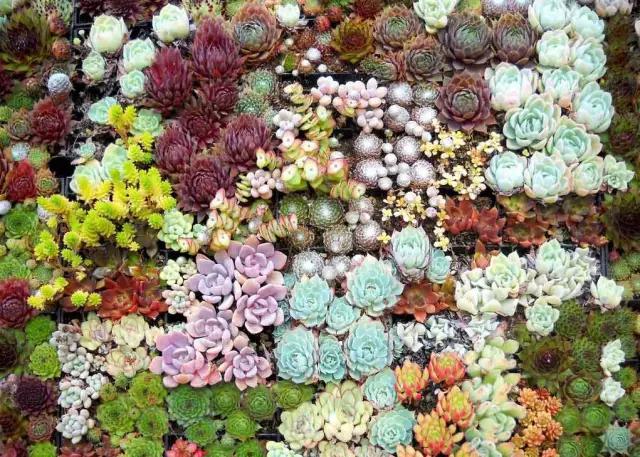
Crassulaceae are relatively easier to grow, and they are cheap, easy to propagate, and fast-growing, such as: Echeveria glauca, Crassula 'Pagoda Village', Sedum pachyphyllum, Echeveria 'Dian Stone Lotus', Sedum 'Tia', Sempervivum, Echeveria 'Lindsay', Echeveria 'Hercules', Sedum rubrotinctum, Graptopetalum mendozae, Graptopetalum paraguayense variegata, and so on. Among Liliaceae, the easier ones to grow include Haworthia cymbiformis, Haworthia cooperi, Haworthia 'Triangular Glass', Haworthia cooperi var. truncata, Haworthia 'Glass Ice Flower', Haworthia genus, and so on.
3. How to Choose Succulents
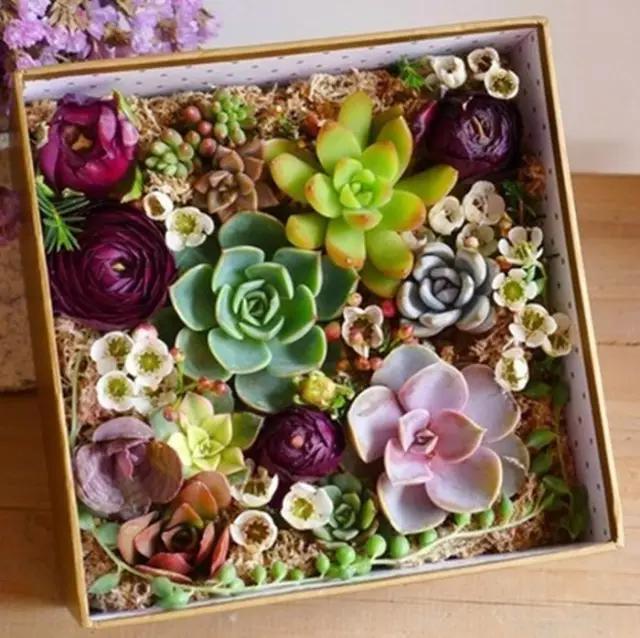
The plant's color should be normal, with clear patterns, no disease spots, no insect spots, and so on. When buying mixed succulent arrangements, also pay attention to whether the habits of the various varieties are consistent.
4. What to Pay Attention to When Buying Bare-Root Succulents
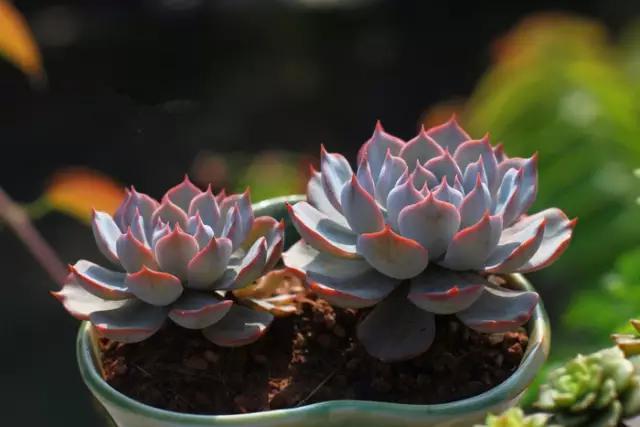
When buying bare-root succulents, avoid the high-temperature summer period as much as possible. First trim the plant, remove yellow leaves. If the plant is too moist, first place it in a cool place to dry. If the leaves are slightly wrinkled, this is normal. After planting, let the seedlings rest for about 3 days. Ifcaught up withrainy days, watering should be delayed. They need to go through a period of acclimatization. During the acclimatization period, they cannot be exposed to direct strong light. The size of the succulent, the variety, and the climate will all affect the acclimatization period. Small seedlings acclimatize faster than old stumps, the growing season is faster than the dormant season, and high humidity is faster than dry weather.
5. How to Mix the Soil
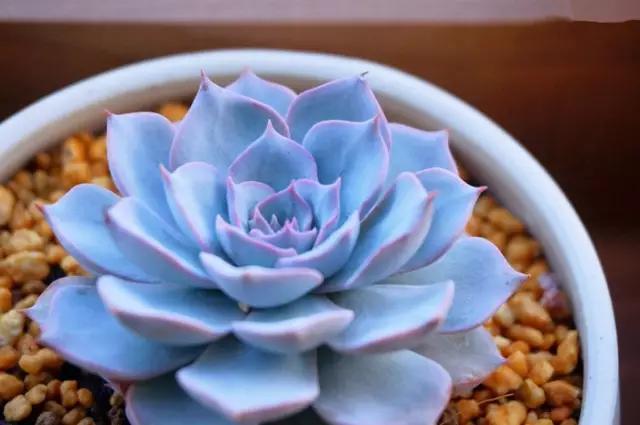
Inexperienced succulent enthusiasts are advised to choose special succulent soil. Generally, good special soil is very light and has good air permeability. When water is poured in, it flows out immediately. The soil will contain some slow-release fertilizer and will have been sterilized and disinfected. If you want to mix it yourself, you can buy peat soil or coconut brick soil, perlite, vermiculite, akadama soil, kanuma soil, and so on.
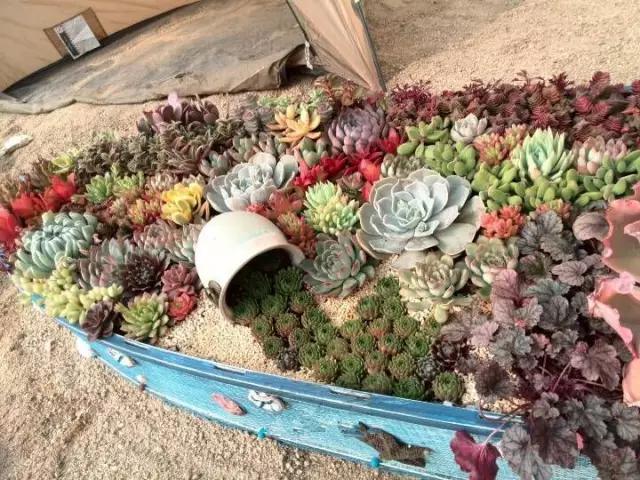
6. What Kind of Flower Pot Is Best
It is best if the bottom of the pot has drainage holes. First, according to the size of the succulent, the pot's diameter should ideally be 1 to 3 cm larger than the succulent's diameter. Better too small than too large. Do not think about getting it right in one step. A small plant also has few roots and cannot drive water transpiration. A pot that is too large can easily cause root rot. Better deep than shallow. A pot that is too shallow is not good for root growth. If the roots do not grow well, it is also very difficult for the succulent to grow plump and beautiful.
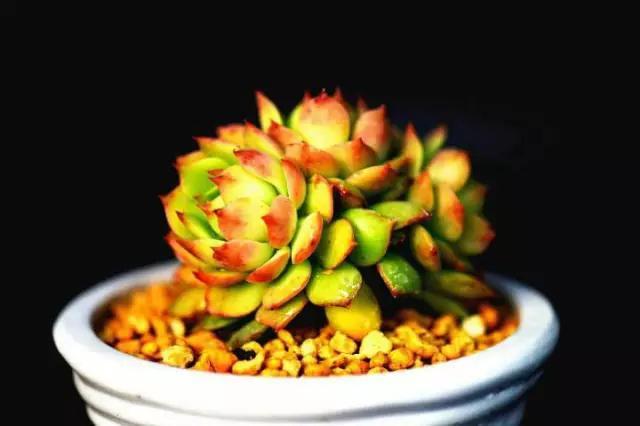
7. How Often to Water
The climate in the north and south is different, so you should combine it with the local climate. Spring and autumn are the peak growing seasons for succulents. Observe the soil's dryness and moisture. Water thoroughly once the soil is completely dry. It is best to choose morning or evening to water. In winter, when the temperature is low, you can choose noon to water. Water in a circle along the edge of the pot, slowly, so that the fine roots receive water evenly. When watering, do not pour directly into the center, to avoid root rot. Succulents in summer dormancy should stop being watered, and you can appropriately spray water on the soil surface or on the leaves.
8. What to Do If There Is Too Much Water
If it is not serious, you can remove the plant from the pot, try not to let the soil ball fall apart, take it to a place with good light to dry, or use a hair dryer (cold setting) to blow it dry, and remove the rotten leaves caused by too much water. If the roots are all rotten, then there is completely no saving it.
9. When to Fertilize Succulents
For plants that have just been potted, it is not suitable to fertilize. You need to wait until the root system has settled and there are signs of nutrient deficiency before fertilizing. Fertilizing should be chosen in spring and autumn. Choose some slow-release fertilizer or fertilizer containing trace elements. Be sure to use a thin fertilizer.
10. Succulents' Light Requirements
Bare-root planted succulents cannot immediately be exposed to strong light. A small amount of scattered light is suitable, otherwise they can easily dehydrate and die. Succulents in the growing season generally prefer sunlight. If they can be grown outdoors, do so as much as possible. If the previous environment was relatively shady, they should transition to strong light to avoid sunburn. Those in summer dormancy can be placed in scattered light or in a semi-shaded, cool, and ventilated environment. Pay attention to controlling water or cutting it off, and appropriately spray water on the surface or leaves.
11. What Temperature Is Suitable for Succulents
Above 0 degrees there will be no frost damage. Above 30 degrees they generally enter dormancy. The temperature more suitable for succulent growth is 15 degrees to 28 degrees.
12. How to Repot
Generally, after the plant has filled the pot and the root system is well developed, you can consider repotting it. When removing it from the pot, try to keep the original soil as much as possible to avoid damaging the roots. Put an appropriate amount of soil in the bottom of the new pot, place the plant upright, and evenly fill the gaps around it. Do not press with your hands. According to the size of the pot, leave at least 1 to 3 cm of height unfilled, to control water when watering.
13. What Is Dormancy? What Needs Attention?
Generally, the most suitable growing temperature for succulents is 15 degrees to 28 degrees. Most winter-type (growing in winter) succulents will enter a dormant state, no longer absorbing water, stopping growth, with leaves falling off, leaves becoming soft, and becoming unattractive. Pay attention to reducing sunlight hours, lengthening the watering interval, and placing them in a ventilated place.
14. What to Do If Succulents Get Sick
Most succulents do not attract insects much. Usually, when there are no insects, there is no need to use insecticides. Once discovered, just apply the right treatment according to the type of insect. Generally, spraying two or three times in succession can completely eradicate the insects. A common one is scale insects. Early prevention of scale insects is very important. If it develops seriously, even the soil must be treated with pesticide, otherwise it is very difficult to eradicate completely.
15. Why Do Leaves Fall Off or Turn Yellow
There are many reasons for leaf drop and yellow leaves, such as: being in the acclimatization period, too much water, severe water deficiency followed by watering which can also cause some yellow leaves, disease or pests, sunburn before getting through the acclimatization period, and so on. A small amount of shedding from natural aging is a normal phenomenon.
Growing succulents is a hobby, and also a long-term practice. Only after experiencing long, tedious waiting and experimentation can you possibly grow them to their best condition and develop old stumps.
Fruit Bang (WeChat ID: shuiguobangv)
Introducing various potted plant techniques for fruits, flowers, and more, as well as various home creativity. We advocate green, ecological, and environmentally friendly living, and being urban farmers!