How to Grow a Maple Bonsai? A Detailed Guide to Planting and Care Techniques
Maple bonsaiWhat are the planting and care techniques? Maple bonsai is a bonsai with considerable ornamental value, and growing one at home is a good choice. So how do you grow a maple bonsai? Let's take a detailed look below!
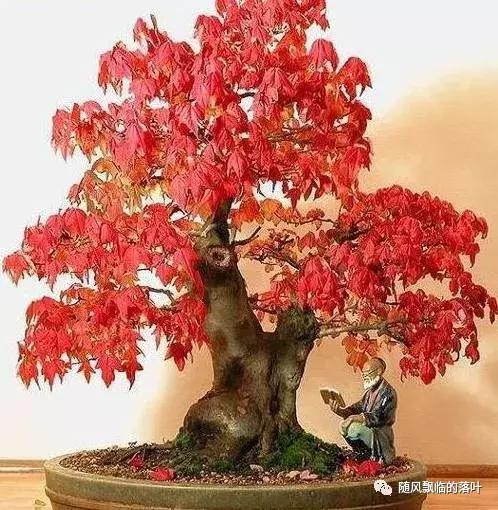
1. When planting a maple bonsai, you need to choose a shady environment and also provide plenty of light, but the light intensity should not be too strong, so as not to affect the maple leaves;
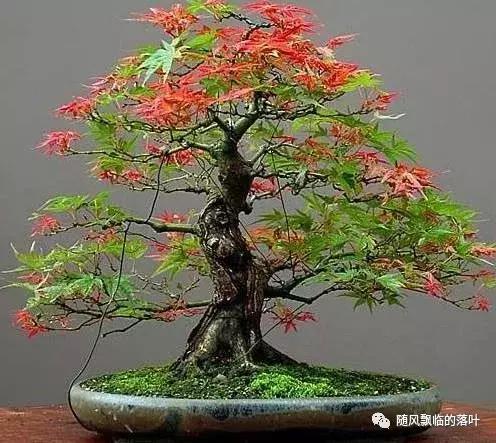
2. Carry out fertilization reasonably. Generally, before buds break in spring and when the leaves unfold, you need to apply a liquid fertilizer once; apply liquid fertilizer again in August-September; do not fertilize in winter, and do not fertilize in rainy weather either;
3. Reasonable watering is very important for maples. Generally, during the growing season, maples have a relatively large demand for water, so water more; at the same time, if the weather is relatively dry or hot, in order not to affect the growth of the bonsai, you should also spray water on the ground or the surface of the maple leaves; if winter has arrived, then water less, as long as the potting soil is kept moist;
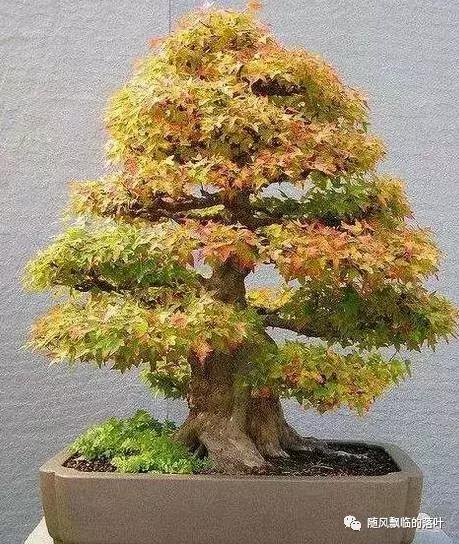
4. Do a good job of pruning to make the maple bonsai even more beautiful:
1. The sprouting ability of maples is relatively high, so in order for the maple to have higher ornamental value, you need to do a good job of pruning. If there are relatively many new buds sprouting on the trunk, you should, according to your needs, remove the tender buds that are not needed or that will affect the overall beauty of the maple in the future;
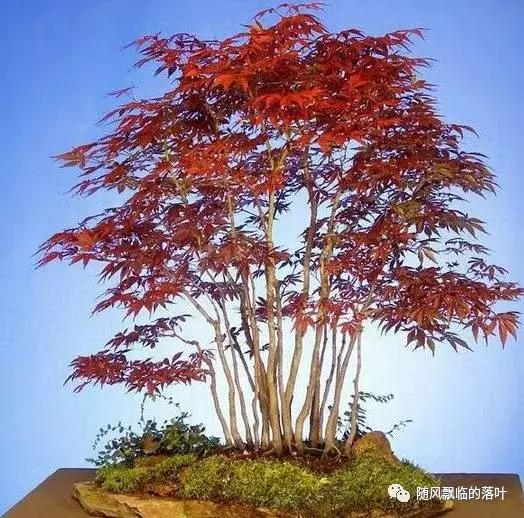
2. Maples are generally mainly pruned, with wiring as a supplement. Maple leaves are relatively large, so it is not suitable to make them into cloud pads or cloud-like shapes; the branches and leaves can be pruned into a natural style with coordinated heights and appropriate density.
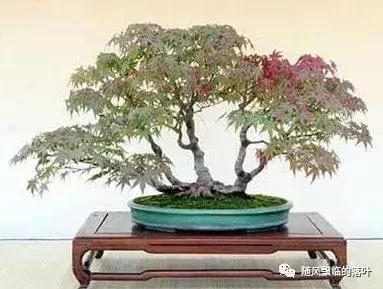
3. The best viewing period for maples is generally when the new leaves have just unfolded. If you remove all the leaves in late summer and apply a once-fermented dilute liquid fertilizer, new leaves will grow in about 20 days, which adds another best viewing period.
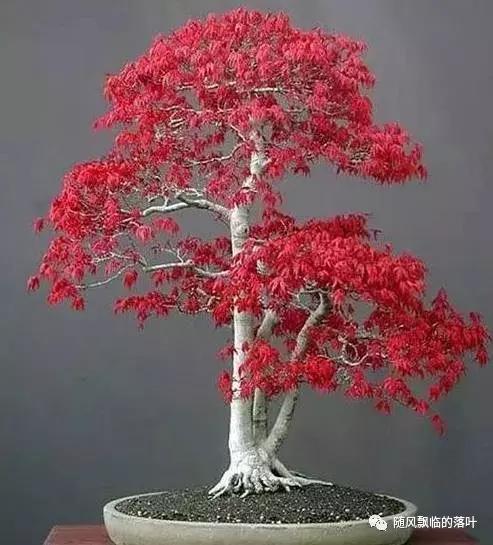
5. Do a good job of overwintering so that the maple bonsai can safely pass the winter. In winter in the north, the maple bonsai should be moved into a low-temperature indoor room; in the south, as long as the pot is buried in soil in a wind-sheltered, sunny spot, it can safely overwinter.
What are the planting and care techniques for maple bonsai? The above is the relevant explanation, and we hope it can be of help to everyone. In addition, doing a good job of pest and disease protection is also very important. Generally, the main pests and diseases of maples include powdery mildew, nettle moths, aphids, etc., which should be controlled in a timely manner. Only by doing these things well can your maple bonsai grow better.