What methods are there for growing crops in the water-scarce regions of Gansu?
Gansu is not without rivers. Gansu sits on the upper reaches of the Yellow River, and where the Yellow River flows through, rice is even grown. Yet just a few dozen kilometers away from the Yellow River, the scene is completely different. Gansu's geography is highly diverse; it is not all desert and gobi. However, the Hexi region, which makes up most of Gansu Province, is basically all gobi.
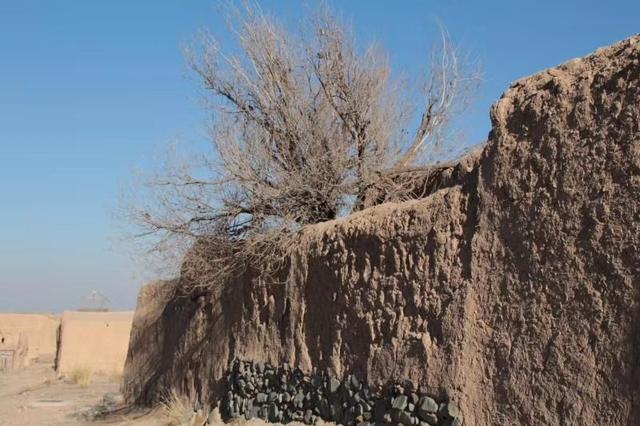
The scene of drought
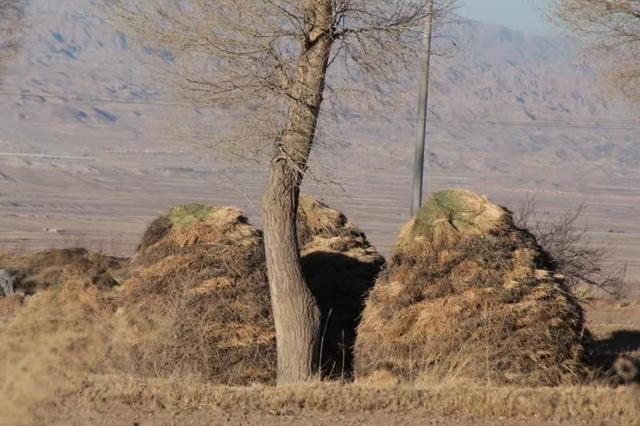
Agriculture on the gobi
But can you imagine that people actually live on such a gobi desert, and that they can farm there? Even if you can imagine that they can farm, you would never imagine that the land they farm is the kind shown below:
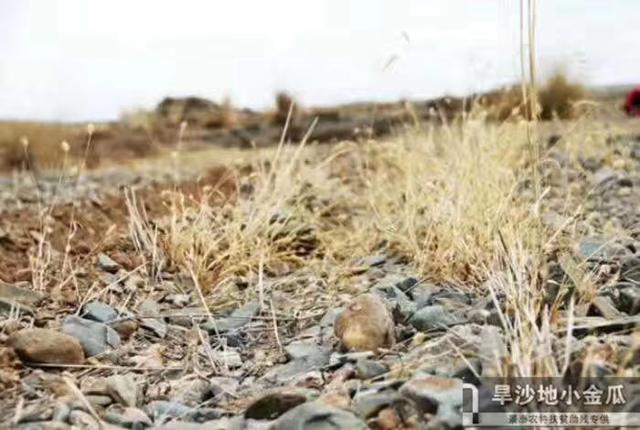
Gravelly soil
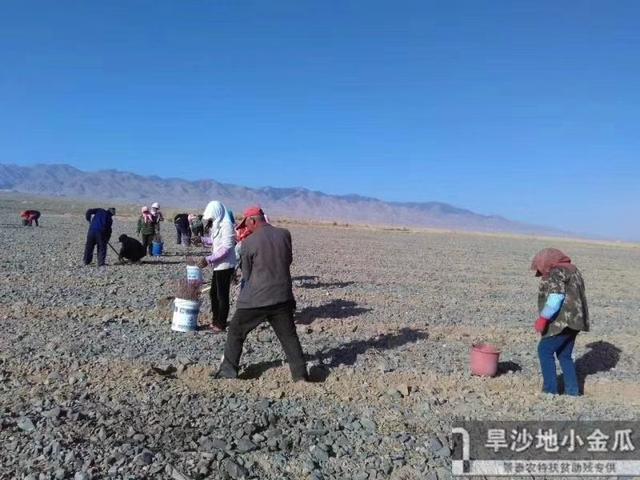
A farmer sowing seeds on gravelly soil
Isn't it absolutely astonishing? In recent years, with the completion of newly built water conservancy projects, some places can now divert Yellow River water for irrigation. Yet in the past, this kind of gravelly soil was the only arable land. Most of the water came from springs and wells, plus the very scarce rainfall. If a year came with relatively more rain, they could harvest a bit more. This gravelly soil has a certain water-retaining effect. In the past, people here sowed a type of wheat called "Heshangtou" wheat. Don't be fooled by the low yields of this land; Heshangtou wheat can be milled into the chewiest flour, and it is rarely seen nowadays. In recent years, thanks to poverty alleviation projects, people have begun trying to grow some cash crops on this land. Although this land yields little and the crops grow small, the crops are very rich in nutrients.
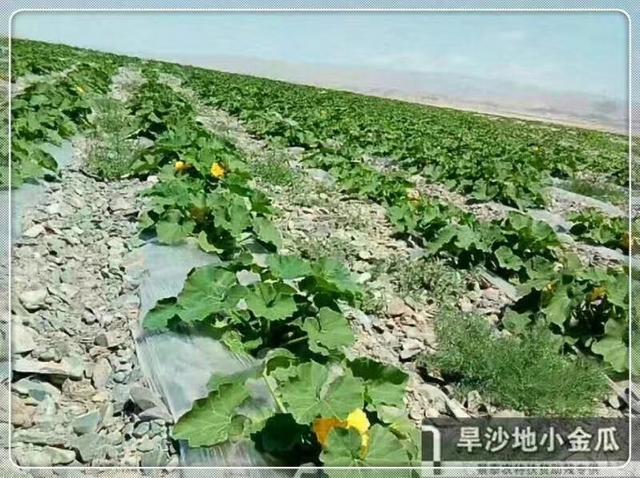
Growing pumpkins
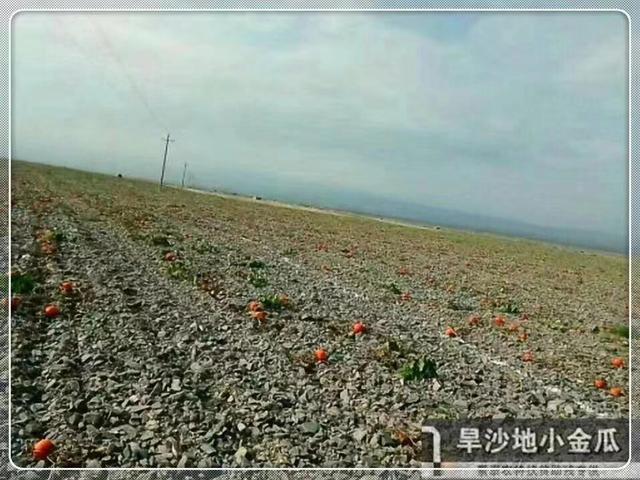
Ripe pumpkins
The photo above shows pumpkins being grown. Because they are very small, they are called "little golden pumpkins." These pumpkins are nutritious and have a sweet, fragrant taste. It is just that the yield is very low, and like other Gansu specialty products, the yield is pitifully small.
Seeing these farmers growing crops among the stones, I wonder how everyone feels?