How to Grow a Philodendron selloum? Detailed Growing Methods and Precautions
Philodendron selloum (Philodendron bipinnatifidum)
Philodendron selloum is also known as split-leaf philodendron, lacy tree philodendron, horsehead philodendron, and little angel philodendron. It is a perennial evergreen herbaceous foliage plant of the genus Philodendron in the Araceae family.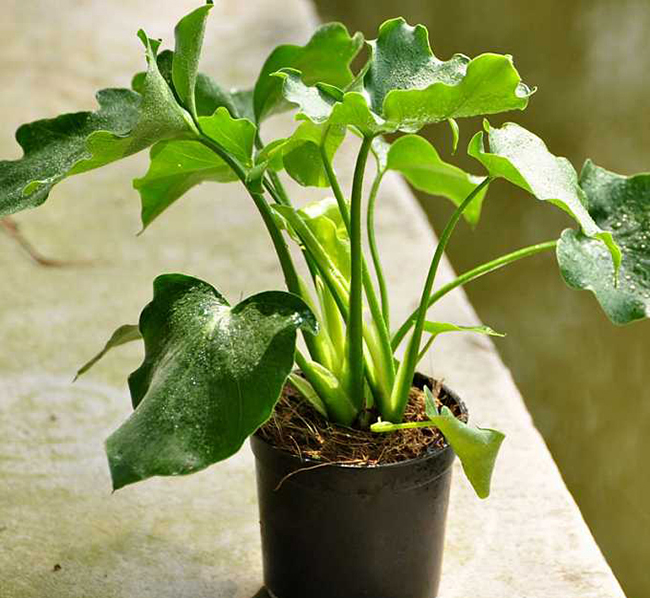
Morphological characteristics of Philodendron selloum
The stem of Philodendron selloum is upright and woody, producing many aerial roots; the plant is tall, reaching over 1.5 m. The leaves are clustered and borne at the ends of the stems; the leaves are broadly heart-shaped, with the whole leaf deeply pinnately lobed like a palm, up to 60 cm long and 40 cm wide, leathery, dark green and glossy; the petioles are firm and slender, reaching 80-100 cm.
Growing environment of Philodendron selloum
Philodendron selloum originates from the tropical rainforests of Brazil in South America, where it grows as an epiphyte on large trees in the forest, its brown aerial roots hanging from the air to the ground or attached to tree trunks. It likes a hot and humid environment, tolerates shade but fears direct strong light. The optimum growing temperature is 15-28°C, its cold tolerance is somewhat strong, and the overwintering temperature is around 2°C.
Propagation methods of Philodendron selloum
Philodendron selloum can be propagated by division and by seed. Vigorous plants may produce offshoots at the base; when the small buds have grown and developed adventitious roots, they can be separated and potted on their own; alternatively, the upper half of the stem can be cut off, and the remaining basal stem will sprout several axillary buds for propagation. For large-scale seedling production, seed sowing is mostly used. Sow the seeds in a shallow pot, using a sterilized, loose, sandy leaf-mould soil, and keep it moist after sowing. At a temperature of about 25°C, they germinate in about two weeks. When the seedlings reach 4 cm in height, they can be divided and planted in pots.
Growing methods for Philodendron selloum
For potted Philodendron selloum, a mix of equal parts leaf-mould or peat soil, garden soil and river sand can be used as the substrate. When repotting in spring, apply sufficient base fertilizer. It grows vigorously and is easy to cultivate. During the growing season, water it well or spray the leaves, and apply fertilizer once a month to promote vigorous growth; in winter, reduce watering appropriately, and apply little or no fertilizer. It is not demanding about light; except in extremely dim light, it generally grows well under other light conditions, and is especially suitable for indoor cultivation; however, in summer and autumn avoid direct strong light so as not to scorch the leaves. Philodendron selloum rarely suffers from pests or diseases; occasionally red spider mites or scale insects occur, which can be controlled by spraying.
The leaves of Philodendron selloum are huge, with coarse deep pinnate lobes, dark green and full of gloss; the petioles are long and sturdy, and the aerial roots are extremely well developed and hanging, giving the plant a graceful shape and an excellent overall ornamental effect. At the same time it is shade-tolerant, making it an excellent indoor shade-loving foliage plant. It is suitable for decorating hotel lobbies, indoor gardens, offices, and home living rooms and studies. In a brightly lit room it can be placed for several months without the plant's growth being much affected; in a darker room it can also be enjoyed for 2-3 weeks. It is also often grown as a large potted plant, and looks very spectacular displayed in a hall.
Household care precautions:
Pot and soil:
A clay pot can be used for planting, with another pot placed outside it, which is both attractive and breathable. Since Philodendron selloum likes fertile, loose, well-drained, slightly acidic soil, household cultivation can use a mix of leaf-mould, peat soil, garden soil and a small amount of river sand. Depending on the plant's growth, repot once every 2 years or so in spring.
Light and temperature:
Philodendron selloum likes warmth, tolerates shade, is not cold-hardy, and dislikes direct strong sunlight. In hot summer it should be kept in a shaded place. In winter, it can be placed in a sunny spot. Its optimum growing temperature is 18°C to 25°C, and the overwintering temperature is best above 8°C.
Water and fertilizer:
Philodendron selloum likes a moist environment; normally you can water it with some rice-washing water, and during the growing season keep the potting soil moist. In summer, spray water on the leaves or around the pot every day to maintain a fresh, moist microclimate. In winter, as the temperature gradually drops, reduce the frequency of watering. Although Philodendron selloum likes warmth and humidity, it has a fairly strong ability to adapt to the dry indoor environment of northern winters. When potting or repotting, place some hoof-and-horn pieces or oil residue at the bottom of the pot as base fertilizer, and thereafter apply liquid fertilizer once a month (such as dilute cake fertilizer water). In winter, apply little or no fertilizer.
Propagation:
For household cultivation, division is commonly used. When the offshoots produced at the base have grown and developed adventitious roots, they can be separated and planted on their own when repotting. Alternatively, in spring the top of the stem can be cut off to encourage axillary buds to sprout, which can be used as propagation material. With this method, the propagation rate is relatively high.
To make the plant shape compact, you can set up a support to tie and guide it, or make use of the new leaves' phototropic tendency by rotating the pot so that the new leaf blades face the sun.
Growing methods and precautions for Philodendron selloum; propagation methods for Philodendron selloum
Philodendron selloum, also known as Philodendron bipinnatifidum, is a perennial evergreen herbaceous foliage plant of the genus Philodendron in the Araceae family. Its pinnate leaves are huge, with coarse deep pinnate lobes, dark green and full of gloss; the petioles are long and sturdy, and the plant shape is graceful, suitable for decorating hotel lobbies, indoor gardens, offices, and home living rooms and studies. Today, the wed114 wedding website editor brings you the growing methods and precautions for Philodendron selloum, and shares the propagation methods for Philodendron selloum.
Growing methods for Philodendron selloum
1. Soil: Philodendron selloum is not demanding about soil; a humus-rich, well-drained sandy loam is better, and for potting it is generally made by mixing peat and perlite.
2. Watering: Philodendron selloum likes a moist environment and has a fairly large demand for water. During its growth cycle the potting soil needs to be kept moist, especially during the high-temperature summer period when it must not lack water, but it also must not be overwatered, as waterlogged potting soil easily causes the roots of the Philodendron selloum plant to rot and die.
3. Sunlight: Philodendron selloum is not demanding about light, but it does not tolerate long-term shaded conditions, otherwise the leaf color will become lighter, the petioles will lengthen, and the leaves will droop. It also must not be exposed to direct strong light, otherwise the leaves are prone to dry tips, scorched edges, and blanched color with loss of gloss.
4. Fertilizing: During its vigorous growth period, Philodendron selloum needs a sufficient supply of fertilizer, preferably mainly nitrogen fertilizer, and note that too much must not be applied at one time; it is best to apply dilute fertilizer frequently. After autumn, control the amount of fertilizer, and stop fertilizing when the temperature is below 20°C.
5. Pests and diseases: The diseases of Philodendron selloum include leaf spot and anthracnose, generally controlled with carbendazim, thiophanate-methyl, zineb, etc., with fairly obvious effect. The main pests include red spider mites and scale insects, which can be controlled by spraying, while also strengthening the management of the growing environment.
6. Pruning: After being grown for some time, Philodendron selloum will begin to show yellow leaves, withered leaves, scorched leaves and so on. This calls for an inspection. If it is not caused by disease but is simply normal metabolism, then the old leaves need to be pruned in time to reduce the loss of nutrients from the plant.
Growth habits of Philodendron selloum
Philodendron selloum likes a hot and humid environment, is not strict about light, is not cold-hardy, tolerates shade, and likes fertile, loose, well-drained, slightly acidic soil, and dislikes strong light. It likes a warm, humid, semi-shaded environment, fears severe cold, and the overwintering temperature should not be lower than 5°C; the optimum growing temperature is 20-30°C, and it begins to grow at around 10°C. It is not demanding about soil, growing best in a humus-rich, well-drained sandy loam, and for potting a nutrient soil mixed from peat and perlite is mostly used.
Propagation methods for Philodendron selloum
Propagation of Philodendron selloum is by division or cuttings. Generally, vigorous plants may produce offshoots at the base; once they have taken root they can be removed and planted separately. Alternatively, the upper part of the plant can be cut off and rooted as a cutting, and the base of the old plant will sprout several young buds, which can be used for propagation. In tropical regions, fresh seeds can also be used for propagation, with an optimum germination temperature of 25-30°C.
Precautions for growing Philodendron selloum
1. Philodendron selloum likes a warm climate; the growing temperature needs to be kept at around 20°C and must not be lower than 10°C, and it should also be kept away from heating, air conditioning and cold drafts.
2. Philodendron selloum has a fairly large demand for water; air humidity needs to be kept between 50-75%, and below 50% the leaves easily turn yellow and the edges dry. Air humidity can be increased by spraying and sprinkling water.
3. Philodendron selloum is best watered when the surface of the potting soil looks dry; in the high-temperature summer period it can be kept moist, and in winter if the ambient temperature is below 15°C, watering should alternate between dry and wet.
4. Philodendron selloum likes light but dislikes direct strong light; the growing environment is best semi-shaded or with plenty of diffused light, and it must not be kept in a shaded environment for a long time.
5. Fertilizing Philodendron selloum follows the principle of dilute fertilizer applied frequently, mainly nitrogen fertilizer, and dilute fertilizer applied often is best, applying a small amount every week (or longer), so as not to cause fertilizer damage.
6. Ventilation is very important for Philodendron selloum, but remember not to ventilate excessively, because indoor-grown plants differ from those grown outdoors, just as greenhouse plants cannot immediately adapt to the external environment.
Growing methods and precautions for Philodendron selloum; what are its uses
Philodendron selloum is a perennial evergreen herbaceous foliage plant that likes a warm, humid, semi-shaded environment. Many people want to grow it, but what are the growing methods and precautions for Philodendron selloum? Let's take a look below.
Growing methods for Philodendron selloum:
1. Soil: Philodendron selloum is not demanding about soil; a humus-rich, well-drained sandy loam is better, and for potting it is generally made by mixing peat and perlite.
2. Watering: Philodendron selloum originates from tropical rainforests and likes a moist environment, and its leaves are broad and thin with a fairly large demand for water, so during the growth cycle the potting soil needs to be kept moist, especially during the high-temperature summer period when it must not lack water, but it also must not be overwatered, as waterlogged potting soil easily causes the roots of the Philodendron selloum plant to rot and die.
3. Sunlight: Philodendron selloum likes a semi-shaded environment and is not demanding about light, but it cannot tolerate long-term shaded conditions, otherwise the leaf color of the Philodendron selloum will become lighter, the petioles will lengthen, and the leaves will droop, reducing its ornamental value; nor should Philodendron selloum be exposed to direct strong light, otherwise the leaves are prone to dry tips, scorched edges, and blanched color with loss of gloss. Therefore Philodendron selloum is best grown in a semi-shaded environment or one with plenty of diffused light.
4. Fertilizing: During its vigorous growth period, Philodendron selloum needs a sufficient supply of fertilizer, preferably mainly nitrogen fertilizer, and note that too much must not be applied at one time; it is best to apply dilute fertilizer frequently. After entering autumn, control the amount of fertilizer to help it through the winter, and when the temperature is below 20°C, stop fertilizing.
5. Pests and diseases: The common diseases of Philodendron selloum include leaf spot and anthracnose, generally controlled with wettable powders such as carbendazim, thiophanate-methyl, zineb, etc., with fairly obvious effect. The main pests include red spider mites and scale insects, which can be controlled by spraying, while also strengthening the management of the growing environment.
6. Pruning: After being grown for some time, Philodendron selloum will begin to show yellow, withered, scorched and other leaves. This calls for an inspection. If it is not caused by disease but is simply normal metabolism, then the old leaves need to be pruned in time to reduce the loss of nutrients from the plant.
Precautions for growing Philodendron selloum:
1. Philodendron selloum likes a warm climate; when growing it the temperature needs to be kept at around 20°C and must not be lower than 10°C, and it should also be kept away from heating, air conditioning and cold drafts.
2. Philodendron selloum comes from tropical rainforests and has a fairly large demand for water; generally air humidity needs to be kept between 50-75%, and below 50% the leaves easily turn yellow and the edges dry. Air humidity can be increased by spraying and sprinkling water.
3. Philodendron selloum is best watered when the surface of the potting soil looks dry; in the high-temperature summer period it can be kept moist, and in winter if the ambient temperature is below 15°C, watering should alternate between dry and wet.
4. Philodendron selloum likes light but dislikes direct strong light; the growing environment is best semi-shaded or with plenty of diffused light, and it must not be kept in a shaded environment for a long time, otherwise the leaves easily turn yellow; nor should the light be too strong, lest the leaves become blanched and lose their gloss.
5. Fertilizing Philodendron selloum follows the principle of dilute fertilizer applied frequently, mainly nitrogen fertilizer.
Uses of Philodendron selloum:
The leaves of Philodendron selloum are huge, with coarse deep pinnate lobes, dark green and full of gloss; the petioles are long and sturdy, and the aerial roots are extremely well developed and hanging, giving the plant a graceful shape and an excellent overall ornamental effect. At the same time it is shade-tolerant, making it an excellent indoor shade-loving foliage plant. It is suitable for decorating hotel lobbies, indoor gardens, offices, and home living rooms and studies. In a brightly lit room it can be placed for several months without the plant's growth being much affected; in a darker room it can also be enjoyed for 2—3 weeks. It is also often grown as a large potted plant, and looks very spectacular displayed in a hall.