How to grow lemon balm? Detailed guide to cultivation methods and precautions
Morphological characteristics of lemon balm
Lemon balm, plant height 50 cm, stems and leaves have a soapy fragrance, verticillaster inflorescence, lipped pale pink-purple flowers, flowering period July-August. Heat-tolerant and cold-tolerant, relatively drought-tolerant and waterlogging-tolerant, also tolerant of pruning. Prune once before the Start of Winter, and it can overwinter safely.
Lemon balm is a very cold-tolerant plant; even at low temperatures below zero, it remains a lush green patch. It is very popular with bees, and its light green leaves are very beautiful; when rubbed, it gives off a lemon fragrance. As fresh as lemon, it can relieve headaches, abdominal pain, and toothache. It also helps treat bronchitis and digestive system diseases.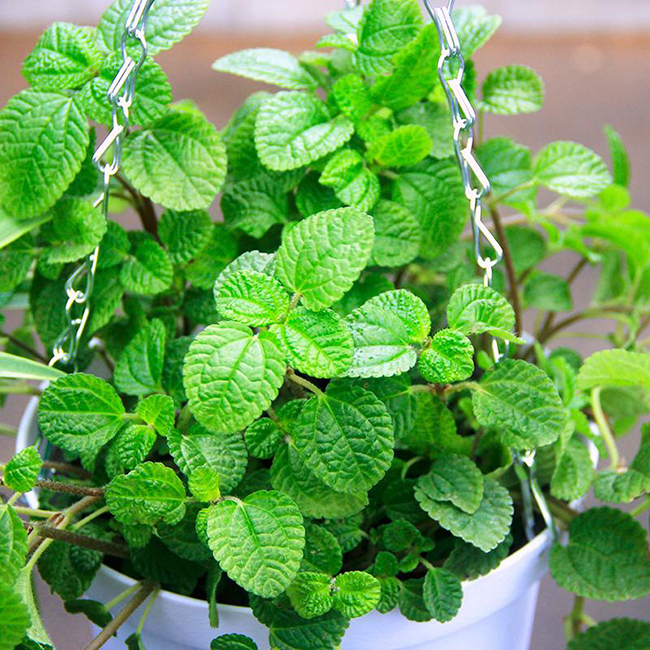
Cultivation methods for lemon balm
Watering
Water it with clean water or rice-washing water every 3-5 days. If the branches and leaves wilt due to lack of water, replenish water immediately and they will recover quickly. A general commonly used plant nutrient solution can be used to supplement nutrients.
Pruning
Lemon balm grows very fast. It is recommended to prune it once a week; just cut above the new leaves growing on the higher nodes. If black-edged leaves or old leaves at the base appear, do not worry, just pull them off. (In winter growth is slow, so prune as little as possible; after pruning, place it in a spot with plenty of sunlight.)
Ventilation
If the room has good lighting, place lemon balm in a spot with sunlight exposure, and normal indoor ventilation is sufficient; if the room does not have good lighting, such as a bathroom or kitchen, place lemon balm indoors for 72 hours and then move it to a spot with plenty of sunlight, and after 72 hours or so put it back. When the weather is not cold, it can also be placed outside to absorb light and get fresh air.
Sunlight
Lemon balm prefers bright light. If the room has good lighting, place lemon balm in a spot with sunlight exposure, and normal indoor ventilation is sufficient; if the room does not have good lighting, such as a bathroom or kitchen, place lemon balm indoors for 72 hours and then move it to a spot with plenty of sunlight, and after 72 hours or so put it back. When the weather is not cold, it can also be placed outside to absorb light and get fresh air.
Temperature
Lemon balm cultivation does not have high temperature requirements. In winter it can tolerate low temperatures below 0°C, but in summer growth is restricted at high temperatures above 30°C. The most suitable growth temperature is between 10-20°C.
Best propagation time:
Lemon balm is best propagated in spring; propagation can be done all year round, and growth is somewhat better in spring and summer.
Best growing soil:
Lemon balm can grow in ordinary soil and has no strict soil requirements; of course, loose, airy leaf mold soil is better. The potting soil should mainly be loose, fertile, well-aerated garden soil and plant ash soil; a small amount of vermiculite or perlite can also be added to the soil.
Growing humidity requirements:
It must be watered frequently to maintain humidity and shaded at 50%, otherwise the cuttings will dry out and die before they can root.
Best growing temperature:
Avoid scorching sun exposure in summer, and pay attention to keeping warm in winter. In winter it can tolerate low temperatures below 0°C, but in summer growth is restricted at high temperatures above 30°C. The most suitable growth temperature is between 10-20°C.
Best growing light:
Lemon balm prefers bright light. If the room has good lighting, place lemon balm in a spot with sunlight exposure, and normal indoor ventilation is sufficient; if the room does not have good lighting, such as a bathroom or kitchen, place lemon balm indoors for 72 hours and then move it to a spot with plenty of sunlight, and after 72 hours or so put it back. When the weather is not cold, it can also be placed outside to absorb light and get fresh air.
Cultivation precautions:
Applying fertilizer:
A general commonly used plant nutrient solution can be used to supplement nutrients, or ordinary nitrogen fertilizer is sufficient.
Key watering points:
Do not water if the soil surface is not dry; if dry, water thoroughly. Water with clean water or rice-washing water every 3-5 days. If the branches and leaves wilt due to lack of water, replenish water immediately and they will recover quickly.
Key pruning points:
Lemon balm grows very fast. It is recommended to prune it once a week; just cut above the new leaves growing on the higher nodes. If black-edged leaves or old leaves at the base appear, do not worry, just pull them off.
Potting soil replacement:
For small plants, repot once a year; for large plants, change the soil once every 2 years. During the growing season, loosen the soil once a month. The best time for repotting and changing soil is in spring.
Key propagation points:
For cuttings, use the top shoots 5 cm long as material, cut them off and insert them into a clean medium; they will root very easily, and can be transplanted in about 2-3 weeks. However, note that lemon balm leaves are thin, so it must be watered frequently to maintain humidity and shaded at 50%, otherwise the cuttings will dry out and die before they can root. In the division method, the part of the plant stem touching the ground easily grows roots; cut it off and replant it.
Pest and disease control:
Lemon balm can give off volatile oil with bactericidal effects and can absorb harmful gases, so pest problems basically do not occur. As long as the water, light, temperature, and other conditions needed for lemon balm growth are maintained, it is fine.
Soil cultivation of lemon balm
The growing medium for ordinary lemon balm should mainly be loose, fertile, well-aerated garden soil and plant ash soil; a small amount of vermiculite or perlite can also be added to the soil to increase soil air porosity and prevent root rot. At the same time, attention should also be paid to other influencing factors such as temperature and light.
Tips for growing lemon balm
Improper care of lemon balm can easily cause it to wither, for example:
1. If it is kept indoors for a long time and the environment is too shady, its growth condition will deteriorate, and pests and diseases will follow.
2. If too much dust accumulates on the leaf surface, it may be infected by pathogens present in the dust.
3. Fertilization is unreasonable; too much fertilizer cannot be used, and when watering, the surface soil layer must be watered thoroughly.
Precautions:
1. Lemon balm grows slowly in winter, so prune as little as possible; after pruning, place it in a spot with plenty of sunlight for care.
2. In summer, lemon balm should avoid scorching sun exposure; in winter, pay attention to keeping warm. After pruning, place it in an indoor or outdoor spot with good ventilation and plenty of sunlight.
3. Lemon balm likes moisture, so in summer it needs to be watered once a day, with clean water or rice-washing water. When lemon balm lacks water, the leaves will shrink and fall off; at this time, water must be replenished promptly.
4. If a small number of diseased leaves appear, remove and burn them promptly; avoid the whole leaf turning yellow and wilting, which would cause the plant to lose a large number of leaves.
5. If water accumulates in the potting soil, it can easily cause the plant to turn yellow, and the lower leaves will turn yellow and fall off; in severe cases, it can cause root rot and plant death.
Cultivation methods and precautions for lemon balm
The scientific name of lemon balm is wrinkled-leaved mint, also known as balm mint, bee balm, bee herb, lemon balm, etc. It is a perennial herbaceous plant of the genus Mentha in the Lamiaceae family. It originated along the Mediterranean coast and can be found in Europe, Central Asia, North America, and Asia. Its main production area is France. It gets its name because it can absorb toxic and harmful gases from indoor air. Now let us take a look at the cultivation methods and precautions for lemon balm.
The cultivation value of lemon balm
1. Stimulating appetite: lemon balm's refreshing and sweet taste is suitable for drinking when having a cold and in sweaty summers. It can stimulate appetite and promote digestion, and is suitable before or after meals. Used to replace lemon seasoning, it can best stimulate appetite, and is suitable for adding to all kinds of dishes and desserts. As fresh as lemon, it can relieve headaches, abdominal pain, and toothache, and has a pain-relieving effect. It regulates respiratory system diseases, stabilizes mood, and helps treat bronchitis and digestive system diseases.
2. Purifying air: lemon balm can absorb toxic and harmful gases from indoor air, such as formaldehyde, radon, benzene gas, ammonia, sulfur dioxide, as well as smoke odor, peculiar odors, carbon dioxide, etc. It releases negative ions quickly and disinfects and sterilizes. Place one large pot per 10 to 15 sq m, and one small pot per 8 sq m. After newly renovated homes and new furniture are finished, open all new furniture doors and drawers, and after 72 hours there will be a noticeable sense of elimination.
Propagation methods for lemon balm
1. Seed propagation: direct seeding of seeds, 3-5 seeds per hole. When the plant height is 5 cm, thin the seedlings to promote growth. When the plant height is 80 cm, fertilizer can be spread to allow the leaves and stems to grow fully. The water must not be too wet, so as not to affect plant growth. Plant spacing is 40-60 cm. Thin the seedlings when the plant height is 5 cm. When the plant height reaches 2 m, the plants can be thinned and spaced apart as they gradually grow, and the plants will grow more luxuriantly. Fertilize once each season and water thoroughly.
2. Cutting propagation: cutting propagation is to cut off a section of the long lemon balm, insert it into soft flower soil, water it, place it in a cool place and spray water every day; after some time, lemon balm will take root and survive.
3. Division propagation: wait until the lemon balm has grown very large, then split the roots into two halves.
Cultivation methods for lemon balm
1. Sunlight: lemon balm prefers bright light. If the room has good lighting, place lemon balm in a spot with sunlight exposure, and normal indoor ventilation is sufficient. If the room does not have good lighting, such as a bathroom or kitchen, place lemon balm indoors for 72 hours and then move it to a spot with plenty of sunlight, and after 72 hours or so put it back. When the weather is not cold, it can also be placed outside to absorb light and get fresh air.
2. Temperature: lemon balm cultivation does not have high temperature requirements. In winter it can tolerate low temperatures below 0°C, but in summer growth is restricted at high temperatures above 30°C. The most suitable growth temperature is between 10-20°C.
3. Watering: water lemon balm with clean water or rice-washing water every 3-5 days. If the branches and leaves wilt due to lack of water, replenish water immediately and they will recover quickly. A general commonly used plant nutrient solution can be used to supplement nutrients.
4. Pruning: lemon balm grows very fast. It is recommended to prune it once a week; just cut above the new leaves growing on the higher nodes. If black-edged leaves or old leaves at the base appear, do not worry, just pull them off.
5. Pests: lemon balm can give off volatile oil with bactericidal effects and can absorb harmful gases, so pest problems basically do not occur. As long as the water, light, temperature, and other conditions needed for lemon balm growth are maintained, it is fine.
Cultivation precautions for lemon balm
1. Lemon balm can be grown hydroponically; just pay attention to suitable light, temperature, frequent water changes, and adding some nutrient solution or granular fertilizer. For soil cultivation, the soil must first be rinsed clean, then disinfected before hydroponic cultivation.
2. Lemon balm grows slowly in winter, so do not prune too much. If you do prune, be sure to place it in a spot with plenty of sunlight.
3. As long as the soil is not dry, there is no need to water; if it is dry, it must be watered thoroughly.
4. When placed at home to absorb harmful gases, after each use place it in a spot with good sunlight and ventilation, and use it again after it has absorbed sunlight and exchanged air.
Summary: Lemon balm is a plant that is relatively beneficial to the home air environment. Grown at home, it can absorb harmful gases and release negative oxygen ions, which is quite good for human health. Moreover, its cultivation method is simple, so it is best to place a few pots when arranging the home.
How to grow lemon balm, cultivation methods and precautions for lemon balm / do not water too much
Lemon balm, as the name suggests, is a plant that can absorb harmful gases and purify the air, and is often grown in pots at home. In daily life, many beginners choose lemon balm when growing plants, but they do not know how to grow lemon balm. In response, the editor has carefully compiled the cultivation methods and precautions for lemon balm, which are very comprehensive. Friends who want to grow it must take a look.
1. How to grow lemon balm: understand its habits
Indoor cultivation is not like the wild; we need to create everything ourselves, so for how to grow lemon balm, we need to create favorable conditions according to its growth habits. In response, the editor will bring you the cultivation methods and precautions for lemon balm from aspects such as soil, light, temperature, watering, fertilizing, and pruning. Let us continue reading.
2. Cultivation methods and precautions for lemon balm
1. Soil
How to grow lemon balm? If it is potted at home, the choice of soil is very important. It is understood that lemon balm can grow in ordinary soil, but if you want it to grow well, it is best to prepare loose, airy leaf mold soil.
Recommended potting soil: mainly loose, fertile, well-aerated garden soil and plant ash soil; a small amount of vermiculite or perlite can also be added to the soil.
2. Light
In the cultivation methods for lemon balm, light is undoubtedly very important. Lemon balm likes light and needs sufficient light to grow well. Generally, pot it in a place with good lighting, such as a balcony or beside an indoor window, and keep the room ventilated.
Precautions: if you grow lemon balm indoors and the lighting is not good, after placing lemon balm indoors for 72 hours, move it to a spot with plenty of sunlight, and after 72 hours or so put it back.
3. Temperature
To grow lemon balm well, temperature also needs attention. Although lemon balm does not have high temperature requirements, it is best to grow it in an environment of 10-20°C.
Precautions: lemon balm can tolerate low temperatures below 0°C, but growth will be inhibited when the temperature exceeds 30°C, so in summer avoid scorching sun exposure and in winter pay attention to keeping warm.
4. Watering and humidity
How to grow lemon balm? Water is indispensable, and this is divided into watering and moisturizing. Watering: do not water if the potting soil is not dry; if dry, water thoroughly. As for watering frequency, water with clean water or rice-washing water every 3-5 days.
Precautions: if the branches and leaves of lemon balm wilt due to lack of water, water must be replenished immediately to restore growth. In addition, humidity must be maintained at 50%, otherwise the cuttings will dry out and die before they can root. Therefore, when the air feels dry, spray water around the plant.
5. Fertilizing
After discussing watering, let us talk about fertilizing, which is also indispensable in the cultivation methods for lemon balm. Although lemon balm does not have high fertilizer requirements, if you want its leaves to be emerald green, it is best to fertilize the plant once every so often; a general commonly used plant nutrient solution, or ordinary nitrogen fertilizer, is sufficient.
6. Pests
In the process of growing plants, pest problems are unavoidable. But you can rest assured about lemon balm, because it can give off volatile oil with bactericidal effects and can absorb harmful gases, so pest problems basically do not occur. As long as the water, light, temperature, and other conditions needed for lemon balm growth are maintained, it is fine.
3. Cultivation precautions for lemon balm
Although there are already quite a few precautions in the cultivation methods for lemon balm above, there are still many places that flower lovers need to pay attention to if they want to grow lemon balm well. The cultivation precautions for lemon balm, in simple terms, also include two points: pruning and repotting, as follows:
1. Pruning
Lemon balm has strong vitality and grows very fast, so it needs timely pruning; generally it can be pruned once a week. Method: just cut off the new leaves growing on the higher nodes. If lemon balm leaves turn black or old leaves at the base appear, do not worry, just pull them off.
2. Potting soil replacement
As lemon balm gradually grows, we should repot it in time. If it is a small plant, repot once a year; if it is a large plant, change the soil once every 2 years. In addition, during the growing season, loosen the soil once a month. The best time for repotting and changing soil is in spring.