How to Grow Asparagus Fern (Asparagus macowanii)? A Detailed Guide to Cultivation Methods and Precautions
Asparagus Fern
Asparagus Fern (Asparagus macowanii), also known as Hydrangea Pine, Water Pine, Pine-leaf Asparagus, Pine-leaf Asparagus Fern, Pine Bamboo Grass, etc., is a perennial shrub-like herb in the Asparagaceae family, genus Asparagus.
Asparagus Fern grows 30-150cm tall, with stems that are erect or slightly spreading, lignified and shrub-like. It has white, thick, fleshy roots.
The plant has numerous clustered stems with many branches; the stems are grayish-white and lignified at the base; the branchlets are slender, and the leaves are short pine-needle-shaped, clustered in groups, closely resembling five-needle pine leaves. New leaves are tender green, while older leaves are dark green. The flowers range from pale red to white and are fragrant, with a blooming period from July—August; the berries are black.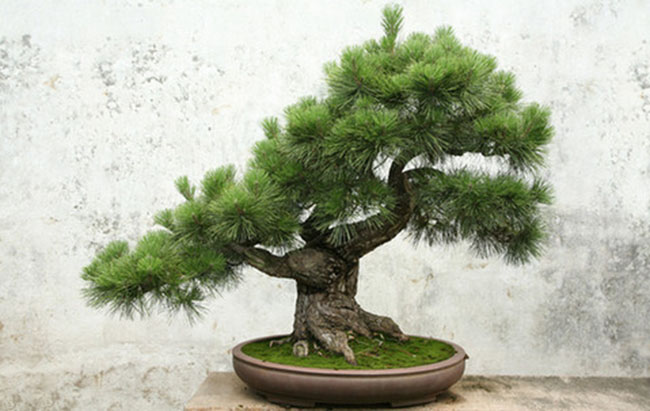
Growing Environment of Asparagus Fern
Asparagus Fern prefers a warm, humid, and shaded environment. The optimal growing temperature is 20-30°C, and the overwintering temperature must remain above 3°C. It likes warm, humid, and semi-shaded conditions. It is not cold-tolerant, fears prolonged strong sunlight and high temperatures, and is not tolerant of drought or waterlogging. The optimal growing temperature is 20-25°C; in winter, the temperature should not drop below 10°C, and below 5°C it is prone to frost damage; in summer, when high temperatures exceed 35°C, growth stops and the leaf-like stems turn yellow. A loose, fertile leaf mold soil is best.
Propagation Methods of Asparagus Fern
Asparagus Fern is generally propagated by division, though it can also be grown from seed, but seedling growth is slow.
1. Division propagation:
This can be done in spring or summer when repotting. Remove a densely grown old plant from its pot, divide the underground tuberous roots into several clumps, making sure each clump contains 3—5 stems (taking care to damage the roots as little as possible), replant each clump in fresh potting soil, water thoroughly, and place in a semi-shaded spot to resume growth.
2. Seed propagation:
The germination rate of Asparagus Fern seeds can reach over 90%. When the cones mature from mid-September to mid-to-late October, collect them promptly, pile them up for 5-7 days, then sun-dry for 3-4 days, tapping and turning them to release the seeds, promptly water-select them, remove empty grains and debris, dry them in the shade, and store them in bags over winter. Asparagus Fern seeds have a thick seed coat and germinate slowly, so early sowing is advisable. Choose a nursery plot with well-drained, slightly acidic soil, and apply sufficient base fertilizer when preparing the land. Before sowing, carry out germination treatment. Soak the seeds in cold water for 3-7 days (change the water during soaking), then mix the seeds with slaked lime after soaking; once the seed coat splits, they can be sown. Germination and emergence begin in mid-to-late April, and seedlings can reach 8-12 cm in the first year.
Cultivation Techniques for Asparagus Fern
1. Collection:
From mountain forests, select thick-trunked, short Asparagus Fern
wild seedlings; small old stumps growing in rock crevices, on cliff faces, or beside gullies are best. When collecting, take care to protect the secondary roots and fibrous roots as much as possible, then plant them in the ground to cultivate and nurture the stock, and repot for shaping the following spring.
2. Pot selection:
For Asparagus Fern, purple clay pottery pots are ideal, though glazed ceramic pots can also be used. For newly potted plants, a well-ventilated unglazed clay pot can be used first, and after the plant has established, it can be transferred to an elegantly shaped shallow purple clay pot. Except for the cascade style, which uses a tall cylindrical pot or a deeper square or round pot, a rectangular medium-shallow pot is generally suitable. The pot shape can also be determined by the tree form; for example, a curved-trunk style can use a drum-shaped shallow round pot, and the pot color can be either purplish-red or light yellow. Asparagus Fern can adapt to various soils but is not tolerant of saline-alkaline conditions; a deep, moist, loose, slightly acidic sandy loam is best. For potting, use well-decomposed garden soil and leaf mold, mixed with an appropriate amount of sand. The best time to pot Asparagus Fern is before budding in March; it can also be planted in autumn, but this is unfavorable for root development. When digging up seedlings, retain the original soil, shorten overly long taproots, and remove dead roots. If planted in a shallow pot, pay attention to securing the trunk; an iron rod can be placed along the bottom hole, a slightly thicker metal wire tied to a thicker root, threaded through the pot hole, then wrapped and tightened around the iron rod, to prevent wind from shaking it and loosening the roots, which would affect survival.
3. Soil:
For potted Asparagus Fern, a mix of equal parts leaf mold, garden soil, and river sand is commonly used as the substrate, with a small amount of decomposed base fertilizer added at planting. Spring and summer are its peak growing seasons, requiring ample water, but the pot soil should not become waterlogged, to avoid tuber root rot; after late autumn, gradually reduce watering, keeping the pot soil slightly moist. To promote lush foliage growth, pay attention to supplementing nutrients during the growing season, generally applying liquid fertilizer 1-2 times per month. It prefers semi-shade, so in hot summers take care to provide shade and prevent scorching sunlight, to avoid burning or yellowing of the foliage.
4. Shaping:
The shaping of Asparagus Fern can be mainly done through wiring, with pruning as a supplement. Use metal wire or palm fiber for wiring. Asparagus Fern branches are relatively soft, making metal wire wiring simple and easy, allowing free bending. If using 2-3 year old young seedlings as material, bend the main trunk to a certain degree, cut off branches that obstruct the shape, then wire the retained side branches into a horizontal or slightly drooping position; after a year of growth, remove the metal wire, readjust the angles, and wire again; after several years, the shape can be completed. For wild-collected Asparagus Fern stumps, they can be potted and shaped after one year of stock cultivation. Shaping and styling must be handled according to the material, making full use of the natural form of the raw material, with just a little artificial wiring to give it a natural, wild charm.
5. Tree forms:
Asparagus Fern bonsai can be made into the straight-trunk style, slanting-trunk style, curved-trunk style, cascade style, etc., each with its own charm. The straight-trunk style is vigorous, tall, and rustic; the slanting-trunk style is elegant, vigorous, and powerful; the curved-trunk style has a "winding, twisting, coiling posture, like a winding dragon"; the cascade style resembles an ancient pine on a cliff, hanging perilously over the edge, like a blue dragon stretching its head, about to dive into the four seas.
Cultivation and Management of Asparagus Fern
1. Temperature:
Asparagus Fern only begins to grow when the temperature is above 15°C, with 20-30°C being most suitable for its growth. In summer, potted plants should be placed in a well-ventilated, semi-shaded spot, avoiding direct strong light, otherwise it easily causes leaf scorching and affects ornamental value. During the spring and summer growing seasons, ample water is needed, but the pot soil must not become waterlogged, otherwise it easily causes root rot and leaf drop. Apply fertilizer once a month, with more nitrogen and potassium fertilizer. After autumn when temperatures drop and growth weakens, gradually reduce watering. To beautify the plant shape, frequent pruning is needed. In winter, move indoors where the temperature is above 5°C for maintenance, and simply keep the pot soil moist.
2. Water and fertilizer:
During the growing season, water thoroughly; after autumn when temperatures drop, gradually reduce watering. To promote lush foliage, apply more nitrogen and potassium fertilizer, about once every 15 days.
3. Repotting:
Repot once every spring; this will keep the Asparagus Fern stems upright, the color emerald green, and the foliage lush.
4. Pruning:
To maintain the plant shape, frequent pruning is needed.
5. Pests and diseases:
Asparagus Fern has relatively few pests and diseases, but during hot and dry conditions, red spider mites and scale insects may cause damage; these can be controlled by spraying with 40% omethoate emulsifiable concentrate at a 1000-fold dilution.
Pest and Disease Control for Asparagus Fern
Asparagus Fern is mainly affected by leaf blight, which can be sprayed with 50% carbendazim wettable powder at a 1000-fold dilution. Insect pests include whiteflies and scale insects, which can be controlled by spraying with 40% omethoate emulsifiable concentrate at a 1000-fold dilution.
Main Value of Asparagus Fern
It is highly suitable for potted ornamental display. In warm regions, it can also be used in flower beds. It is simple to cultivate and manage, and has good shade tolerance, making it suitable for small and medium pots for indoor decoration; at the same time, it is also an excellent material for cut flower foliage.
Precautions for Growing Asparagus Fern
In summer, when the temperature exceeds 35°C, Asparagus Fern stops growing and shows yellowing leaves; at this time, timely shade measures should be taken to avoid strong sunlight exposure, and the plant should be frequently misted to maintain its emerald green and beautiful appearance.
Repotting of potted Asparagus Fern is generally done every 2-3 years in spring, while also cutting away overly dense stems and long branches to improve ventilation and light penetration. During the growing season, also pay attention to promptly removing dead branches and diseased branches to keep the plant shape symmetrical and attractive.
Asparagus Fern has relatively few pests and diseases, mainly red spider mites and scale insects; take care to spray promptly for control.
Asparagus Fern Cultivation Methods and Precautions: What to Do When Leaves Turn Yellow
Asparagus Fern is a plant that many people like to grow; it grows quite lushly and is a joy to look at. What are the cultivation methods and precautions for Asparagus Fern? What to do when the leaves turn yellow:
Cultivation Methods and Precautions for Asparagus Fern
How to Grow Asparagus Fern:
(1) Asparagus Fern likes a warm, humid, semi-shaded growing environment. The general growing temperature is between 20°C-30°C. In winter, the growing temperature should not be below 5°C, and in summer it should not exceed 35°C.
(2) In summer, Asparagus Fern needs appropriate shading and must not be exposed to scorching sunlight; in winter, it needs leaf mold soil with ample sunlight.
(3) The soil for planting Asparagus Fern should be loose and fertile. It is recommended to fertilize Asparagus Fern every month, generally with more than double the amount of nitrogen and potassium fertilizer.
(4) To grow Asparagus Fern well, it needs frequent misting to keep the soil moist, so as to maintain the beauty of its original emerald green leaves. However, avoid waterlogging in the potted plant, otherwise it will more easily cause the roots and leaves of Asparagus Fern to rot, impairing its growth.
(5) After 2-3 years of potting, repot in spring. Cut away dense stems and long branches to improve ventilation and light penetration. During the growing season, promptly remove dead branches and yellow leaves to keep the plant shape symmetrical and attractive.
Precautions for Growing Asparagus Fern:
(1) After spring and summer when temperatures drop, the growth of Asparagus Fern weakens, so watering frequency should be reduced. However, it still needs sufficient water and the soil must not be allowed to dry out completely. In winter, when temperatures are at their lowest, simply keep the soil in the pot moist; watering can be minimized.
(2) Asparagus Fern has relatively few pests and diseases, but during hot and dry conditions, red spider mites and scale insects may cause damage; be sure to spray for control.
What to Do When Asparagus Fern Leaves Turn Yellow:
Although Asparagus Fern fears high temperatures, it likes warmth. Placing it in a spot with good indirect sunlight can effectively prevent leaves from turning yellow.
Asparagus Fern has poor drought tolerance; water thoroughly when the soil alternates between dry and wet, without overwatering. If the branches and leaves are too dense and it is during the summer high-temperature period, this can also cause Asparagus Fern leaves to turn yellow; at this time, branch pruning is needed.
That covers the cultivation methods for Asparagus Fern and how to deal with yellowing leaves. Go ahead and grow one!
Cultivation Methods for Asparagus Fern: Precautions for Growing Asparagus Fern
Asparagus Fern has a very distinctive name, and it is also commonly seen in places like hotels and conference halls. Asparagus Fern decorates interiors with an impressive look, making the whole atmosphere appear very clean and neat. Those who like Asparagus Fern, let's take a look at the cultivation methods and precautions shared below.
Cultivation Methods and Precautions for Asparagus FernI. Cultivation Methods and Precautions for Asparagus Fern——Light
Asparagus Fern cannot tolerate scorching sunlight, and providing shade in summer is very necessary. Strong light directly causes the leaves of Asparagus Fern to lose their gloss or even scorch. If it has already been scorched, place the Asparagus Fern in a cool environment, and its growth will gradually improve.
II. Cultivation Methods and Precautions for Asparagus Fern——Watering
Asparagus Fern needs plenty of water, and the pot soil should always remain moist. In summer, lack of water will cause the leaves of Asparagus Fern to droop and dry out. During the peak growing season, it is even more important to follow the principle of not watering until dry, appropriately controlling watering while avoiding waterlogging in the pot soil.
III. Cultivation Methods and Precautions for Asparagus Fern——Fertilizing
Asparagus Fern should be fertilized once or twice every 2 months; this will make the leaves larger and healthier, and the glossy leaves will look even better. Asparagus Fern is suitable for nitrogen fertilizer, but after autumn, nitrogen fertilizer is no longer suitable; consider switching to potassium fertilizer to strengthen the cold resistance of Asparagus Fern for a smooth winter. Do not fertilize in winter.