Phalaenopsis potting and growing methods: how to successfully care for the queen of orchids
When people mention Phalaenopsis, many feel that although this flower is beautiful, it is especially difficult to grow. Actually, that is not the case. Phalaenopsis is also a relatively easy-to-grow flower; it is just that most people do not know it. Below, let's talk about how to grow Phalaenopsis.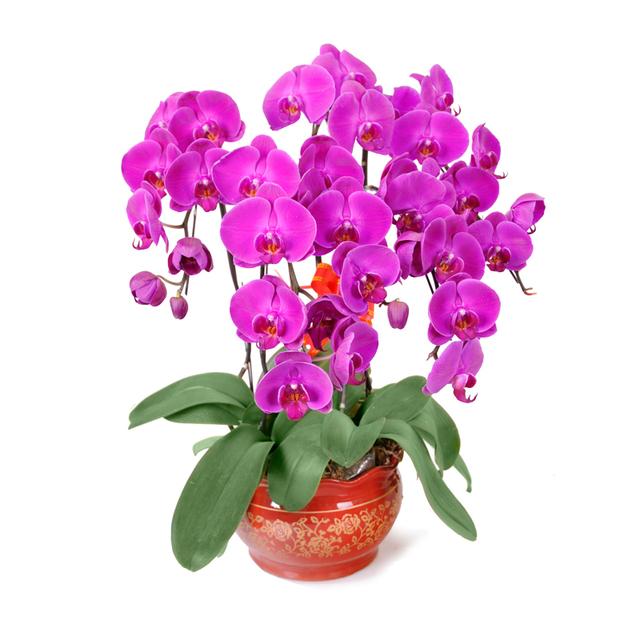
Before growing Phalaenopsis, you first need to understand its living environment. Phalaenopsis likes a warm and humid environment. The suitable growing temperature is 16-30 degrees, and the humidity is 60%-80%. In addition, the growing medium used must also be loose, breathable, and decay-resistant.
After understanding the above conditions, you can start making your own potted Phalaenopsis.
The first step is choosing a flowerpot. Since Phalaenopsis is a shallow-rooted plant, the diameter of the pot should preferably be greater than its height. The pot can be a ceramic pot or a plastic pot, and the more drainage holes at the bottom, the better.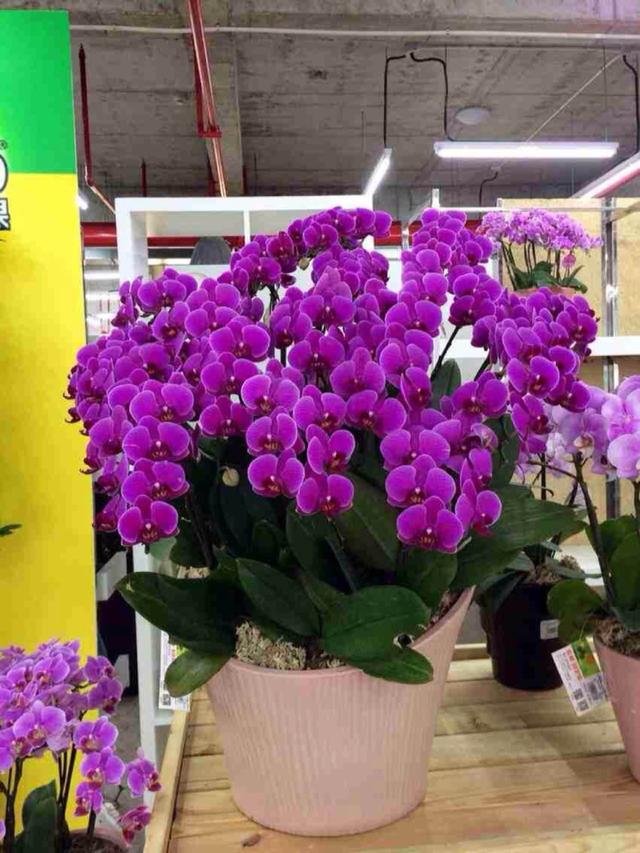
Next is choosing the growing medium for Phalaenopsis. You can choose pine needles or bark. If you choose bark, you must first put the bark in the sun and expose it for 1-2 days, then soak it in 5% carbendazim for 5-10 minutes, and then place it in clean water to soak for one day. Take it out and put it into the pot. Line the bottom of the pot with a layer of fermented castor cake organic fertilizer.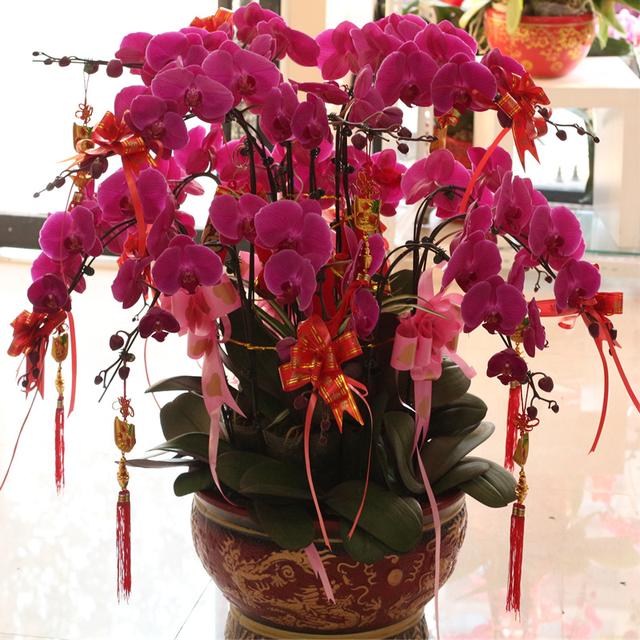
Then you can transplant the Phalaenopsis. First spread out the root system of the Phalaenopsis, bury it with bark up to the base of the Phalaenopsis stem, and then press a few small stones on top to prevent the Phalaenopsis from tilting. After transplanting, spray thoroughly with water and place it in a cool, ventilated place. After it recovers for 2-3 days, gradually expose it to light.
After potting, what remains is care. In spring and autumn, when evaporation is low, water once every 5-6 days. In summer, when temperatures are high and evaporation is great, water once in the morning and once in the evening. When the temperature exceeds 32 degrees, artificial cooling must be carried out to avoid causing the Phalaenopsis to go dormant. In addition, fermented organic fertilizer must be supplemented about once every ten days.