Detailed Explanation of Jujube Tree Cultivation Techniques and Planting Climate Conditions
Jujube trees have strong adaptability to climate and soil. Wherever the minimum winter temperature is not lower than -31°C, the daily average temperature during the flowering period is stable above 22-24°C, and the fruit tree growth period is greater than 100-120 days before the daily average temperature drops to 16°C from after flowering to autumn; soil thickness of more than 30-60cm, good drainage, and a single salt content in the 5-40cm soil layer below the soil surface, they can all be planted.
However, different climate conditions all affect the growth and fruiting of jujube trees, especially temperature, humidity, light, wind, etc., which have a great impact on the growth and fruiting of jujube trees.
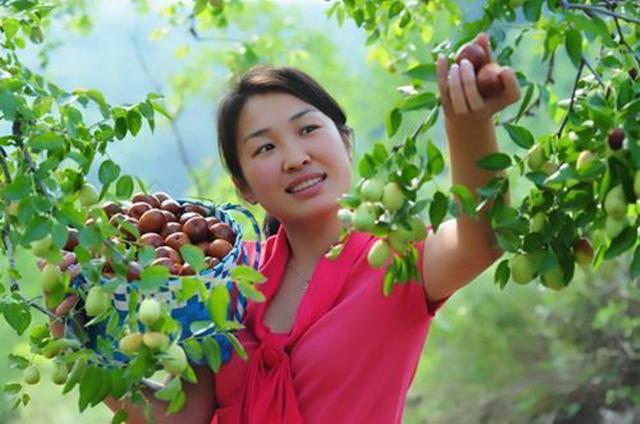
I. Temperature
Jujube trees are warmth-loving tree species. For example, in the north, jujube trees mostly sprout, unfold leaves, and bloom in late spring or early summer, making them the deciduous fruit tree species that begins its life activities latest in the cycle. This shows that jujube trees have relatively high requirements for temperature conditions. When the air temperature rises to 13-15°C, the buds begin to sprout; when the daily average temperature is around 20°C, they enter the initial flowering stage; at 22-25°C, they reach full bloom. In areas where the fruit growth and development period is greater than 100-120 days before the daily average temperature drops to 16°C from after flowering to autumn, jujube trees can all grow normally.
Jujube trees have strong tolerance to low and high temperatures. They can overwinter safely at -30°C, and can also bloom and bear fruit at an absolute maximum temperature of 45°C.
The root activity of jujube trees starts earlier than the aboveground part, and the growth period is long. It begins activity when the soil temperature is 7.2°C, grows slowly at 10-20°C, enters vigorous growth at 22-25°C, and when the soil temperature drops below 21°C, growth slows until it stops.
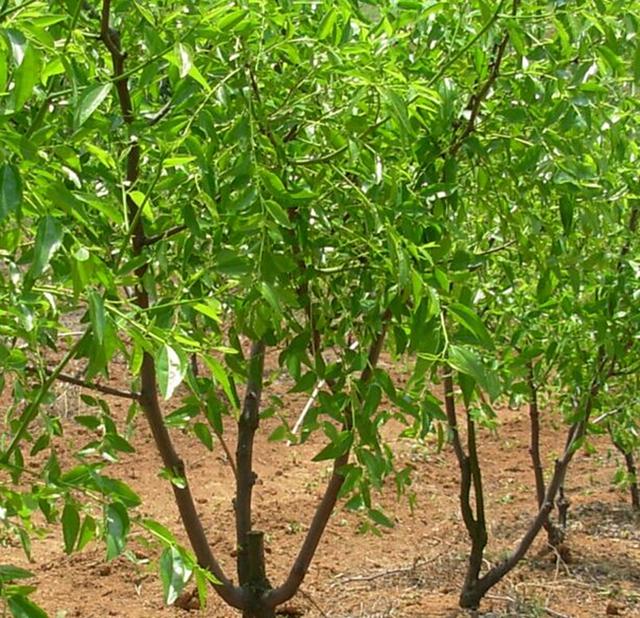
II. Humidity
Jujube trees have a relatively wide range of adaptability to humidity, being distributed in areas with annual precipitation of 100-1200 mm, with 400-700 mm being more suitable. Jujube trees are drought-resistant and waterlogging-tolerant. In Cangzhou, they can still bear fruit normally in years with annual precipitation of just over 100 mm, and jujube orchards that were waterlogged for more than 1 month did not die from waterlogging.
Jujube trees have different humidity requirements at different phenological stages. The flowering period requires relatively high humidity; the suitable humidity for pollination and fertilization is 70%-85% relative humidity. If this period is too dry, it affects pollen germination and pollen tube elongation, leading to poor pollination and fertilization, severe flower and fruit drop, and reduced yield. Conversely, if there is too much rain, especially continuous cloudy and rainy weather during the flowering period, the temperature decreases, pollen cannot germinate normally, and the fruit-setting rate will also decrease.
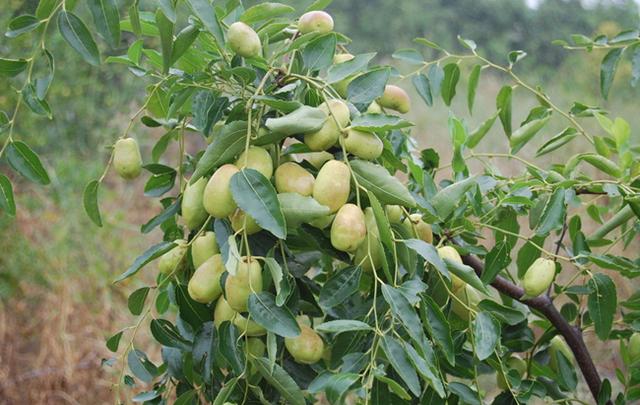
The late stage of fruit growth requires little rain and more sunny days, which is beneficial for sugar accumulation and coloring. Too much and too frequent rain will affect the normal development of the fruit and aggravate fruit diseases such as fruit cracking and fruit rot. "Drought for jujubes, flood for pears" refers to the fact that less rain in the late stage of fruit growth makes it easy to obtain a high yield.
Soil moisture can directly affect the water balance within the tree and the growth and development of organs. When the water content of the 30 cm soil layer is 5%, jujube seedlings show temporary wilting; at 3%, permanent wilting occurs. If there is too much water, soil aeration is poor, which can cause root rot and even death.
III. Light
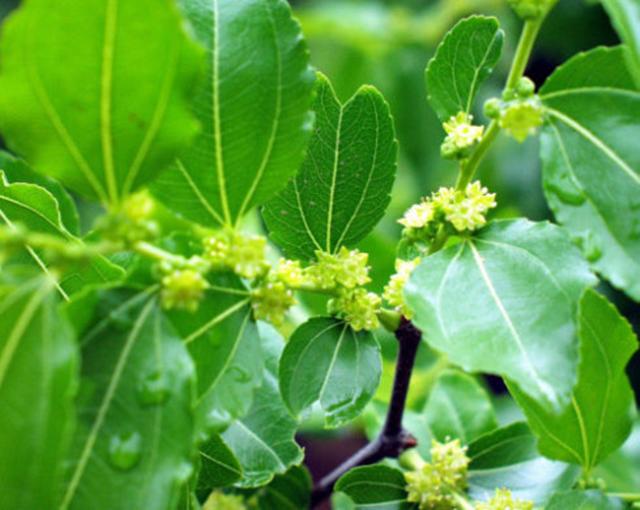
Small jujube leaves are a light-loving characteristic. Sunlight intensity and duration directly affect photosynthesis, thereby affecting the growth and fruiting of jujube trees. If planting is too dense or the canopy is closed, it will affect branching, especially the leaves inside the canopy, which are small, thin, and light in color, flowering but not fruiting, or even not flowering, becoming ineffective leaves or consuming leaves. Over time, branches and leaves wither and die, causing the inner canopy to become bare and fruit to form only on the surface, affecting the yield and quality of jujube fruit. Therefore, in production, attention should be paid to reasonable dense planting and tree structure.
IV. Soil
Soil is the supply source of water and mineral elements needed for the growth and development of jujube trees. Soil texture, soil layer thickness, aeration, pH value, water, organic matter, etc. all have a direct impact on the growth and development of jujube trees.
Jujube trees are not strict about soil requirements, are resistant to salinity and alkalinity, and tolerant of barrenness. They can grow normally within a soil pH range of 5.5-8.2, and can also endure a soil salt content of 0.4%. However, jujube trees growing in deep sandy loam soil especially have tall canopies, deep and extensive root systems, robust growth, strong high-yielding ability, and high and stable yields. Those growing in sandy soil or gravelly soil with relatively low fertility have poor water and fertilizer retention, weaker tree vigor, and low yields. Jujube trees growing in heavy clay soil have poor soil aeration, small root spread and canopy spread, and poor high-yielding performance.
This is mainly because the nutrients and growth environment provided by the soil to jujube trees are different. Therefore, when establishing an orchard, choose loam soil with deep soil layers as much as possible. For jujube trees growing under poorer soil conditions, management should be strengthened, soil improvement and fertilization should be carried out, and the soil's ability to supply fertilizer and water and its aeration should be improved, so as to meet the jujube tree's demand for fertilizer and water and achieve the goal of high quality and stable yield.
V. Wind
Jujube trees generally have strong wind resistance, but during the flowering period they are averse to much wind and sand. This is because strong wind and sand not only affect the humidity of the jujube orchard but also affect the activity of pollinating insects, resulting in poor pollination and fertilization, leading to flower and fruit drop. Strong winds before fruit ripening often cause pre-ripening fruit drop and reduce yield.
Jujube trees have strong wind resistance during the dormant period, but in areas with much wind in midsummer, a jujube orchard should be established in a wind-sheltered and sunny place, or a protective forest network should be created, to increase the fruit-setting rate of jujube trees and ensure a bumper harvest.
Basic Knowledge of Fruit Tree Training and Pruning: The Water Channel Theory
Basic Knowledge of Fruit Tree Training and Pruning: Open Center Shape
Basic Knowledge of Fruit Tree Training and Pruning: Pruning of Dispersed Stratified Shape During the Fruiting Period
Basic Knowledge of Fruit Tree Training and Pruning: Pruning of Young Trees in Dispersed Stratified Shape
Basic Knowledge of Fruit Tree Training and Pruning: Pruning During the Growth Period (Part 1)
Fruit Tree Orchard Establishment: Construction and Models of Ecological Orchards
Fruit Tree Leader: Preliminary Orchard Planning