What Are Dental Implants? An Article to Help You Understand
In the article "Don't Ignore a Missing Tooth - Beware of These Harms Coming for You," the editor once discussed the dangers of missing teeth and also mentioned that among the 3 tooth replacement methods, dental implants have a relatively good effect. So, how much do you actually know about dental implants?
Missing teeth is extremely common among middle-aged and elderly people. The main causes of tooth loss are dental caries, periodontal disease, trauma, tumors and so on. However, many people are influenced by mistaken ideas such as "a toothache is not a disease" and "teeth fall out with old age," so they do not repair missing teeth in time. More and more medical research shows that problems caused by missing teeth, such as facial deformation, air leaking when speaking, malnutrition and gastrointestinal diseases, are gradually harming the health of middle-aged and elderly people.
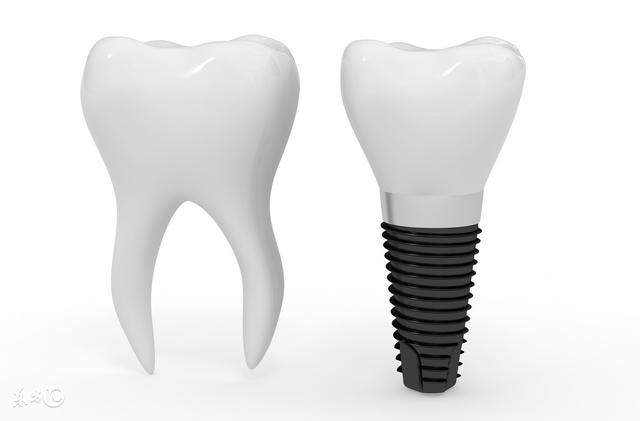
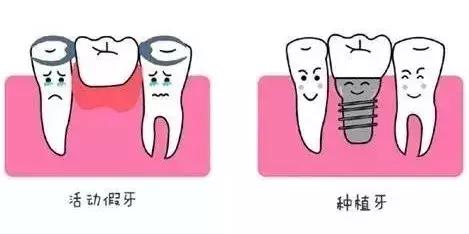
After teeth are lost, there are multiple repair methods. Among them, dental implants are increasingly favored by people for their good functional recovery, high comfort and convenience of use. They are also recognized by the dental medical field as the preferred method for repairing missing teeth, and are called "humanity's third set of teeth."
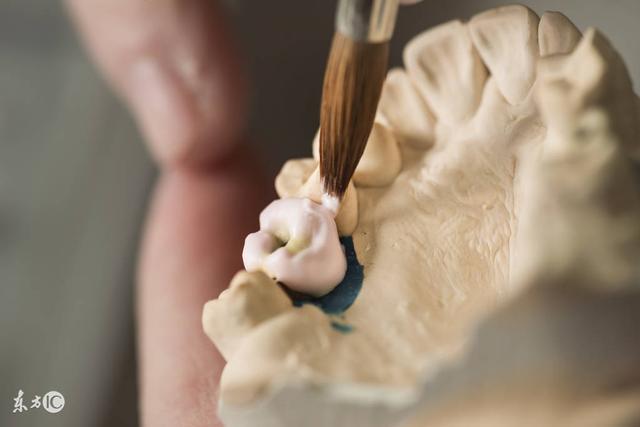
Dental implants are also called artificial dental implants. They do not involve actually planting natural teeth. Instead, through a medical method, pure titanium metal with high compatibility with human bone is precisely designed and made into a cylinder or other shape similar to a tooth root, and then implanted into the alveolar bone of the missing tooth area through a small surgical procedure. After the artificial tooth root tightly fuses with the alveolar bone, a porcelain crown is then made on the artificial tooth root. Dental implants can achieve a repair effect very similar to natural teeth in function, structure and appearance, and have become the preferred repair method for more and more patients with missing teeth.
The repair time for dental implants varies from long to short depending on the patient's jawbone condition after tooth loss. For patients with good alveolar bone condition, it generally takes 1 to 3 months; for patients with poor alveolar bone condition, it may take 4 to 6 months or even one year. How to choose the type of repair should be based on the patient's local oral condition and needs.
For patients, dental implants have relative indications: adults with good general health, physical and mental health, and whose bones and teeth have finished developing; those with no obvious inflammation or lesions in the oral soft and hard tissues; those who have clear personal requirements and whose economic conditions permit; and those who undergo oral clinical examination, X-ray examination and routine blood tests by a professional physician. If there are systemic diseases such as bleeding disorders, hypertension, heart disease or diabetes, dental implant surgery may be accepted only after the disease has been treated and stabilized, and so on.