Key precautions for saplings in blueberry cultivation
Blueberry, native to the three northeastern provinces and the Changbai Mountain region, is rich in nutrients, possessing both extremely strong edible value and extremely high economic value! Blueberry is native to the three northeastern provinces, but it has achieved tremendous development in the Yunnan-Guizhou region, because the climate there is more suitable for blueberry growth and fruiting than the north. As for blueberries, I have only been growing seedlings for just over three years here, so I cannot claim to be an expert; I can only briefly discuss a few points I learned from the older generation of blueberry technicians.
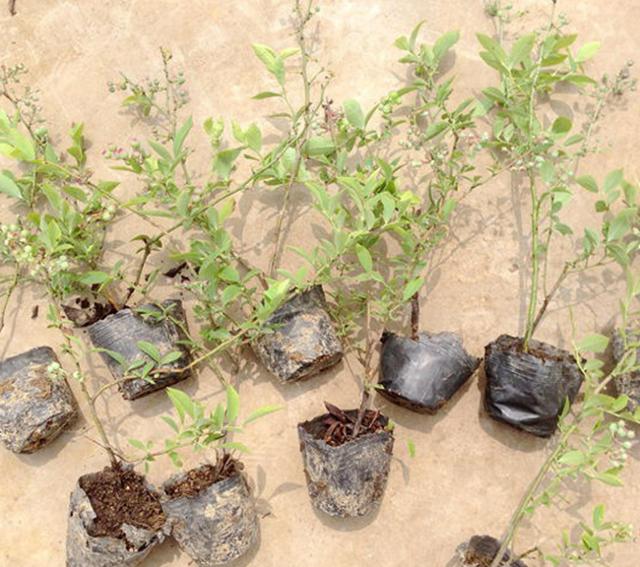
I. Transplanting time for blueberries
Blueberries can be planted in all four seasons, but the best time, like most saplings, is from after autumn to before spring bud break, when the survival rate is highest! That is, around this time of year. If planted now, they will produce a small amount of fruit the following year.
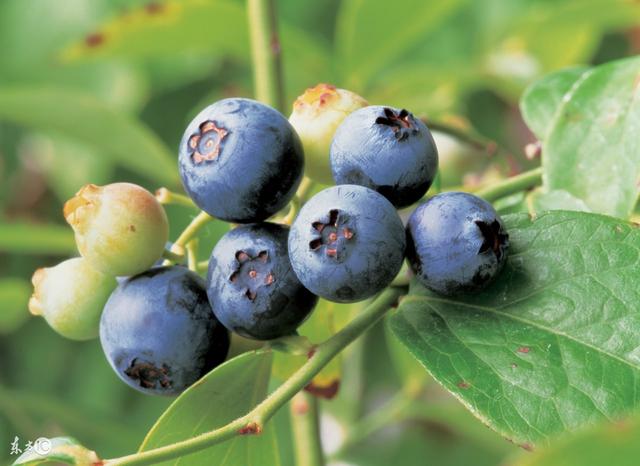
II. Soil
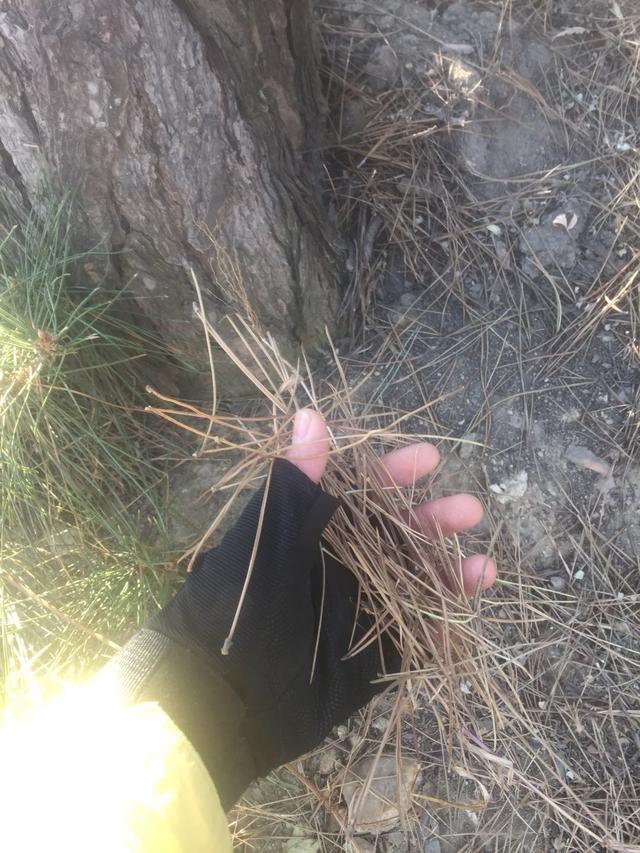
The most critical thing of all, soil! Blueberries grow in acidic soil, with a pH between 4.5 and 5.5, but the pH of ordinary soil is at most around 6, so pine needles, decomposed moss, sulfur powder, etc. need to be added to the soil. Most blueberry growers nowadays favor acidic soil made from decomposed pine needles, or simply use the layer of humus soil covering the ground beneath deciduous pine trees, because pine leaves are acidic.
III. Chilling requirement
For potted blueberries, to bear fruit, they must receive a certain amount of chilling, that is, in winter, ensuring that the blueberry goes into low-temperature dormancy below 7 degrees Celsius. The lowest temperature blueberries can tolerate varies by variety; as long as the chilling requirement is met, they can be moved indoors.
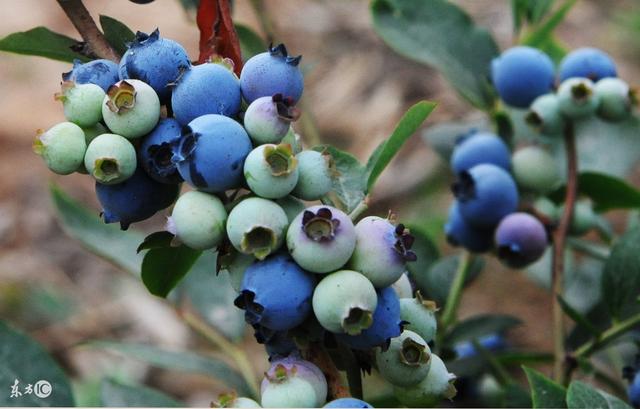
IV. Water and fertilizer management
Blueberries are afraid of drought, but they also should not be watered too much; because the roots are shallow, while keeping the soil moist, attention must be paid to drainage to prevent root rot. During the fruit development stage and when the fruit is about to ripen, reduce watering to prevent the blueberry from growing only branches and leaves without producing fruit. Fertilizers are generally phosphorus pentoxide and ammonium sulfate; nitrate fertilizers such as ammonium nitrate must not be applied.