What should you pay attention to after dental implant surgery?
Dental implants have advantages that traditional tooth restoration techniques cannot match. Even so, this does not mean that everything is fine once the implant is done; you still need to do a good job of post-operative care, and the two weeks after surgery are especially the most important period for care. So we must take post-operative care seriously. What exactly needs to be done for care after surgery?
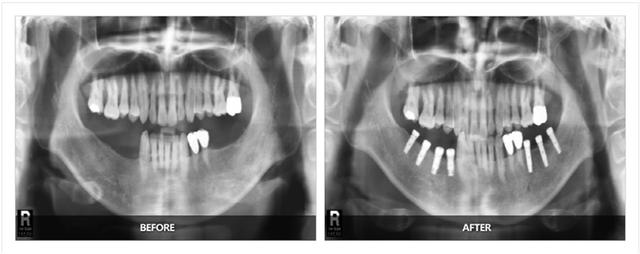
First, patients who have had dental implants should pay attention to oral hygiene, rinse their mouth promptly after meals, and can also rinse with a medicated solution. Every morning and evening, use a soft-bristled brush or a cotton strip to clean the implant abutment once. Next is suture removal. When exactly should the sutures be removed? Dental implant treatment is generally divided into two steps: the first is placing the artificial tooth root; the second is fitting a fixed denture onto the already stable artificial tooth root. After the artificial tooth root is placed, a temporary denture cannot be worn before the sutures are removed. After suture removal at 7-10 days, decide whether to wear one based on whether modifications are needed. Within three to six months after suture removal, never let the artificial tooth root move around, and do not use it to chew forcefully, so as to avoid loosening the tooth root and affecting the newly formed bone and fibrous connective tissue around the tooth root, which would affect the implant outcome. This is an extremely important issue for ensuring the implant outcome.
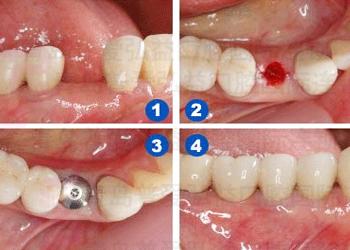
1. On the day of surgery, eat warm and cool foods. Do not eat overly hot or irritating foods, do not smoke, and do not drink alcohol. Within 1 to 2 weeks after surgery, eat a semi-liquid or fully liquid diet, and do not chew food with the side that had surgery.
2. Do not brush your teeth on the day of surgery. When brushing your teeth the next day after surgery, take care to protect the wound and avoid brushing the surgical area so as not to irritate the wound.
3. Within 3 to 7 days after surgery, local swelling may occur in the implant area. For the first three days, ice packs can be used for cold compresses.
4. Within 24 hours after surgery, there will be a small amount of bleeding. Blood streaks in saliva are a normal phenomenon.
5. Within two weeks, observe the condition of the implant and the wound at any time. If any problem is found, contact the physician promptly.
6. Protect dental implants from external impact injuries. Once an impact injury occurs, contact the physician immediately.
7. Good oral hygiene habits are an important guarantee for the success of dental implants. Therefore, within two weeks after surgery, rinse your mouth promptly after meals and gargle with mouthwash three times a day to prevent post-operative infection.
8. If maxillary sinus floor elevation surgery was performed, take care to avoid pressure on the surgical side when sleeping after surgery. Keep warm and avoid catching a cold. Do not blow your nose for one month after surgery, and do not go swimming. There may be nasal congestion symptoms for a short period after surgery.