Do dental implants affect MRI scans?
As is well known, a dental implant involves placing an artificial implant into the alveolar bone to serve as a tooth root, and once the implant has fused tightly with the alveolar bone, a crown is placed on top of it, and the dental implant is complete. However, given that the metal components in porcelain-fused-to-metal crowns have some effect on examinations such as MRI, does a dental implant affect MRI?

Experts point out that dental implants have no effect on MRI.
The material used for artificial implants is pure titanium. Titanium is the metal with the best biocompatibility known today, and it is a non-magnetic metal that will not be magnetized in a magnetic field, so the implant itself has no effect on MRI scans. What may affect MRI scans is the crown on top of the implant. Currently, the commonly used crown restoration materials for dental implants fall into two main categories: all-ceramic crowns and porcelain-fused-to-metal crowns. All-ceramic crowns contain no metal components at all and have no effect whatsoever on MRI scans, whereas porcelain-fused-to-metal crowns, depending on the type of metal, interfere to varying degrees with MRI imaging.
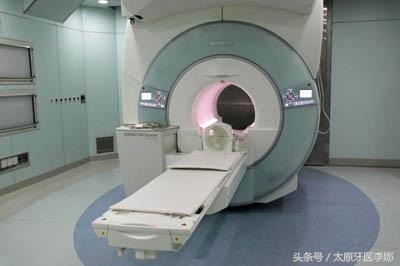
Specifically, the porcelain-fused metals commonly used in oral restoration include gold alloys, nickel-chromium alloys, cobalt-chromium alloys and so on. A large amount of experimental data shows that precious metals such as gold alloys cause only slight artifact interference in MRI scans, whereas non-precious metals such as nickel-chromium alloys and cobalt-chromium alloys produce relatively large artifacts and have a certain effect on MRI scans. Doctors recommend that people should properly choose denture restoration materials according to their own situation: generally the preferred material is all-ceramic, because this type of material is both aesthetically pleasing and almost never causes adverse reactions such as allergies in the human body, and it will not interfere with diagnosis during MRI scans.
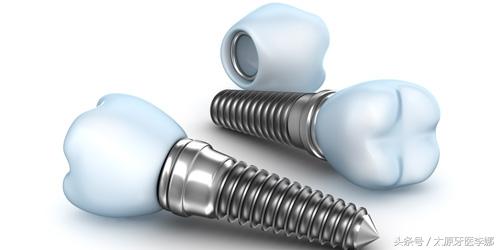
It can thus be seen that as long as standardized implant materials are chosen and paired with all-ceramic crowns, effects on examinations such as MRI can be avoided, and there will not be too much harm to the human body either. At the same time, experts remind you that only by choosing a legitimate dental hospital can the skills of the implant dentist and the dental implant materials and equipment be guaranteed, and only then can the results of the dental implant meet the patient's expectations.