A Detailed Guide to Marigold Planting Techniques and Methods
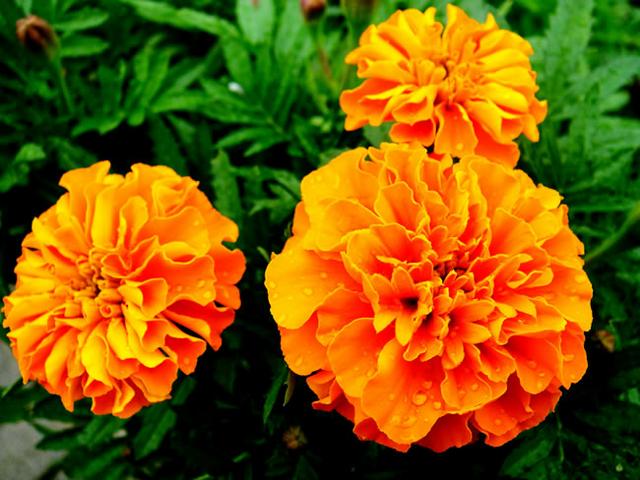
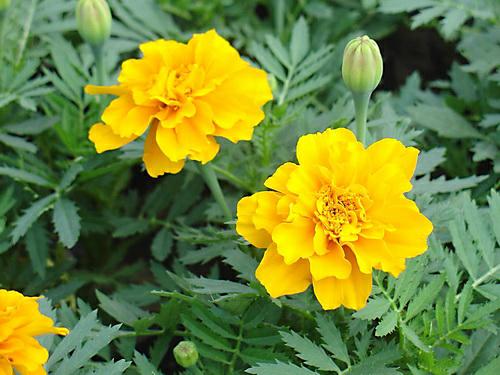
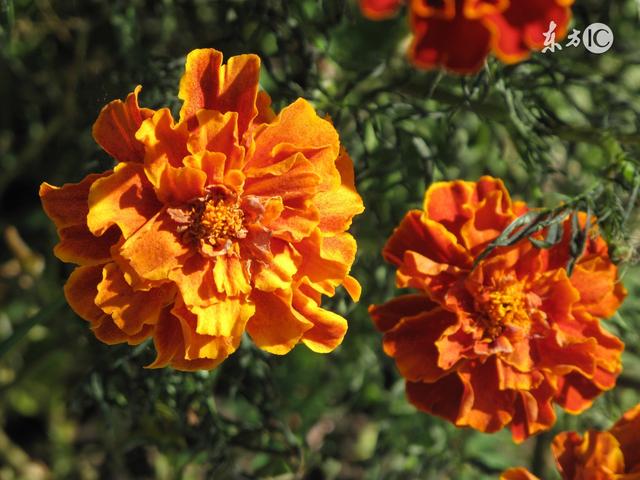
Marigold aliases - dwarf marigold, bayberry chrysanthemum, stinking chrysanthemum, red-yellow grass. Place of origin: native to Mexico, Guatemala and other places. Below is a detailed introduction:
1. Soil selection: Marigolds are drought-tolerant but not moisture-tolerant, so using loose, breathable, well-draining sandy soil is more conducive to their growth.
2. Cultivation: (1) The germination rate of marigold seeds is relatively low; using ordinary sowing methods, the germination rate is only 10%-30%. Therefore, when cultivating marigolds, it is best to raise seedlings in boxes first.
(2) Spray the growing soil moist, and sow the seeds directly on the soil surface. Cover the soil with straw or newspaper, which can both shade light and keep the soil moist. The soil needs to be watered frequently, and the surface soil must not be allowed to dry out. Once the seeds sprout, simply remove the covering. Generally speaking, the embryo buds will appear 2-5 days after sowing.
(3) When the seedlings grow 5-6 true leaves, they can be planted out into flower pots with a diameter of 29 cm.
3. Temperature: The suitable growth temperature for marigolds is 15-25°C. Marigolds tolerate a certain degree of low temperature; when the ambient temperature is above 5°C, marigolds will not suffer frost damage. However, winters in the north are relatively severe, so it is best to keep them indoors at a higher temperature for care. Marigolds fear high temperatures; the summer heat will slow their growth rate and also reduce the number of flowers, so they should be appropriately cooled and humidified.
4. Light: Marigolds like light. In spring and autumn, it is best to place them where they can receive direct sunlight. In summer, direct sunlight should be avoided, and appropriate shading is needed around noon.
5. Pruning: (1) When marigold branches and leaves are lush, they should be pruned appropriately; otherwise, they are prone to dying from stuffiness and heat due to poor ventilation.
(2) In midsummer, marigolds produce relatively few flowers, so comprehensive pruning can be carried out.
6. Propagation: Marigolds can be propagated by sowing, cuttings and other methods.
7. Fertilization: If marigolds are cultivated in ordinary soil, compound fertilizer can be mixed into the soil as fertilizer. If marigolds are cultivated in artificially synthesized nutrient soil, it is best to fertilize once every 5-10 days during their growth period. When the temperature is below 18°C, it is best not to use ammonium nitrogen fertilizer.
8. Watering: (1) During the rapid growth period of marigolds, prevent humidity from being too high. It is best to water after the soil has dried completely, but the soil must not be too dry either, lest the plants wither and die.
(2) During the rainy season, marigolds should not be placed outdoors, to avoid water accumulation in the pot.
9. Disease and pest reproduction: (1) The pH value of the soil affects the health of marigolds. When the pH value is too low, necrotic spots will appear on the leaves. At this time, 0.4526 kg of lime can be added to 38 kg of water to adjust it. Common diseases of marigolds include brown spot disease, powdery mildew, etc. Paying attention to watering, removing diseased leaves, and promptly spraying fungicides such as Xiufenning can effectively prevent and control them.
(2) Red spider mites are a common pest of marigolds and can be killed by spraying with 20% dicofol emulsifiable concentrate at 500-600 times dilution.