Detailed Guide to Growing Clematis, with Picture Tutorial
Clematis is known as the "Queen of Vines" and is a flower that has newly risen in popularity in the country over the past two years. Because of its many flower colors, myriad forms, and profusion of blooms, it is deeply loved by people. And its vine-like nature makes it an indispensable new element for shaping and landscaping in courtyard and balcony decoration. So how should clematis be grown well?
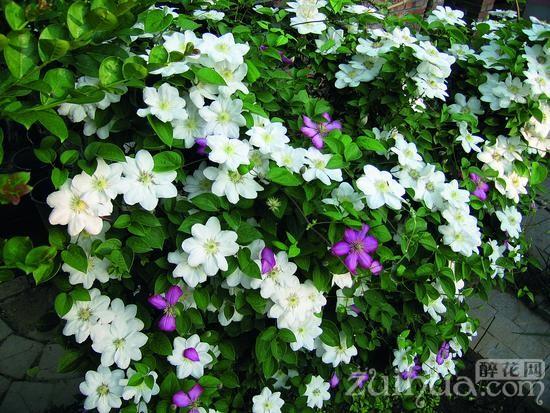
1. Soil: It prefers fertile, well-drained alkaline loam, and dislikes waterlogged soil or soil that dries out in summer and cannot retain water.
2. Watering: It is drought-tolerant and afraid of waterlogging. During the plum rain season, due to high temperature and high humidity, it is prone to disease and death, so during the growing season it is enough to keep the potting soil moist. Never water too much, otherwise the roots are prone to rot.
3. Sunlight: Potted clematis can be placed under full-light conditions for cultivation from autumn to early spring of the following year, with no need for shade. After entering summer, strong sunlight will cause the leaves of clematis to age and turn yellow and grow poorly, so appropriate shading is needed.
4. Temperature: It has strong adaptability and is relatively cold-tolerant, able to withstand low temperatures of -20.
5. Fertilizing: It does not have high fertilizer requirements. During the peak growing period, applying liquid fertilizer about once every half month is enough.
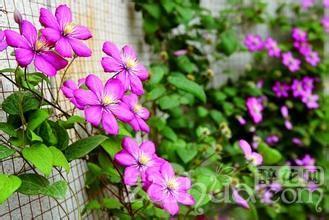
Summary: Clematis is relatively difficult to care for. As long as you grasp the key points, you can grow beautiful clematis.
Original address:
Clematis is known as the "Queen of Vines" and is a flower that has newly risen in popularity in the country over the past two years. Because of its many flower colors, myriad forms, and profusion of blooms, it is deeply loved by people. And its vine-like nature makes it an indispensable new element for shaping and landscaping in courtyard and balcony decoration. So how should clematis be grown well?
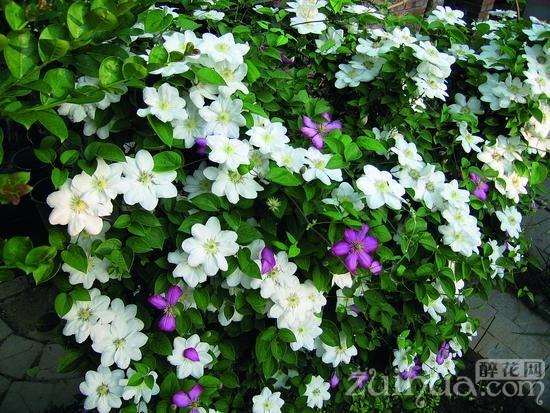
1. Soil: It prefers fertile, well-drained alkaline loam, and dislikes waterlogged soil or soil that dries out in summer and cannot retain water.
2. Watering: It is drought-tolerant and afraid of waterlogging. During the plum rain season, due to high temperature and high humidity, it is prone to disease and death, so during the growing season it is enough to keep the potting soil moist. Never water too much, otherwise the roots are prone to rot.
3. Sunlight: Potted clematis can be placed under full-light conditions for cultivation from autumn to early spring of the following year, with no need for shade. After entering summer, strong sunlight will cause the leaves of clematis to age and turn yellow and grow poorly, so appropriate shading is needed.
4. Temperature: It has strong adaptability and is relatively cold-tolerant, able to withstand low temperatures of -20.
5. Fertilizing: It does not have high fertilizer requirements. During the peak growing period, applying liquid fertilizer about once every half month is enough.
Summary: Clematis is relatively difficult to care for. As long as you grasp the key points, you can grow beautiful clematis.