Practical Tips for Aquarium Landscaping and Aquatic Plant Growing
My family bought a large fish tank, along with a few tropical fish. When I am troubled, standing in front of the tank watching the fish swim about leisurely makes my mood relax and feel at ease. But I increasingly felt something was missing. Right! It was aquatic plants. Without aquatic plants in the tank, it lacked a bit of liveliness. So I went to the flower and fish market and bought some water hyacinths to put in the tank, and sure enough, the monotonous tank gained a touch of poetic charm.
One day, a colleague came to my home to visit, looked at the fish tank and said, "You're really something, such a high-end fish tank, such high-end tropical fish, how could these water hyacinths be worthy of them?"
"Then what should I do? Do I have to go to the bottom of the sea to scoop up aquatic plants?"
"No need for such trouble, but planting aquatic plants in a fish tank does have its particular requirements. Water hyacinths grow too fast and are not suitable for long-term planting in a fish tank. Besides, this stuff spreads flat across the water surface, which affects your viewing of the fish. You'd be better off planting some aquatic plants." My colleague seemed to be quite knowledgeable about planting aquatic plants in fish tanks, so I asked him to help me set it up.
He said he needed to go buy materials, and told me to first scoop the fish from the tank into a porcelain basin and clean the tank thoroughly. Wow, my colleague bought so many materials. Besides some aquatic plants of varying heights, there was even some granular sand. He placed the sand under the water pipe and rinsed it repeatedly many times, until the sand was pure and white. Then he began sorting the aquatic plants, removing the yellow leaves, soaking them in 0.1% potassium permanganate water for 10 minutes, and then washing them clean with fresh water. Once the preliminary preparations were ready, my colleague finally began the formal "work."
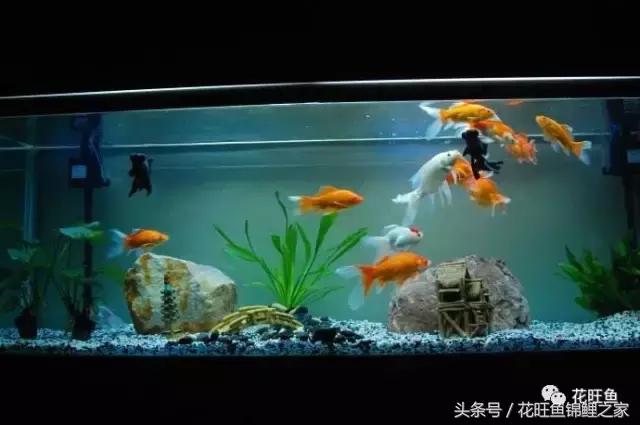
I carefully observed my colleague's every move from the side. He first spread the sand on the bottom of the tank, creating a certain slope, saying this would make water changes easier. Then he used his finger to push aside the sand and dig a small pit, placed the roots of the aquatic plants into the pit, and straightened, spread out, and buried all the roots of the aquatic plants. He first planted the long, tall aquatic plants at the back of the tank, the aquatic plants with broad and tall leaves in the middle of the tank, and the short, small aquatic plants at the front of the tank. As he worked, he explained the reasons to me. It turned out that aquatic plants should not be planted too many, but they must have layers, otherwise the aquatic plants will not grow well, and it will also affect the fish.