A Detailed Guide to Growing Leaf Goji (Lycium chinense) at Home
Leaf goji is eaten as a vegetable, using its tender shoots and young leaves. It is rich in protein, vitamins and various amino acids, and is a health-giving vegetable popular with consumers. Goji leaves are cool in nature and sweet in taste, and can tonify deficiency, boost essence, clear heat, quench thirst, dispel wind and improve eyesight. Although they are widely sold in markets, Farmer Dad still wanted to grow a few plants at home, so that once they grew he could pick the leaves and cook soup.
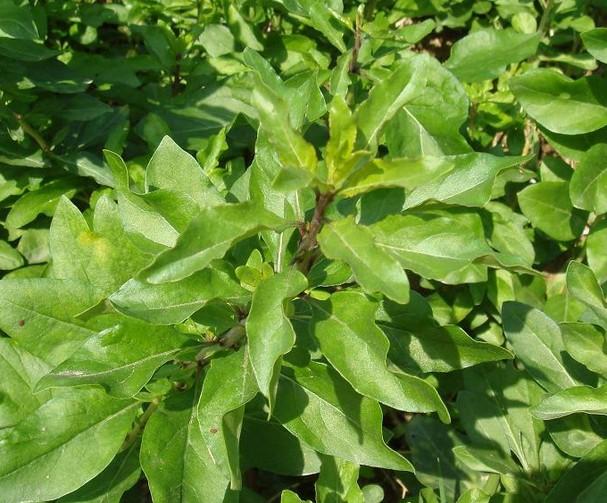
Leaf goji
How to tell them apart
The leaves of goji grown from goji berries are elongated - more precisely, oblong-elliptic - and belong to Ningxia goji (Lycium barbarum L.); whereas the goji that Farmer Dad grew from cuttings this time is the kind grown specifically for eating the leaves, namely leaf goji (Lycium chinense Miller).
Growing from cuttings
From a vigorous leaf goji plant, cut branch sections about 15 cm long with 2-3 buds each. It is best to choose sections from the base or middle of the branch, not the tender, weak top part. Cut the top of the section flat and the base into a horseshoe shape, then insert it into a seedbed or the ground. For the seedbed, it is best to choosesandy loam, inserting the branch at a slant to 2/3 of its length, making sure the axillary buds point upward and that it is not inserted upside down, with a spacing of 10 x 10 cm. After inserting, water thoroughly right away. Roots and shoots will appear in 2-3 weeks.
Most common ways to eat it
① Goji leaf and pork liver soup:Simmer 200 g of fresh goji leaves with an appropriate amount of pork liver, adding minced ginger and other seasonings. In folk medicine it is used to treat wind-heat red eyes, tearing eyes, reduced vision, night blindness, malnutrition and similar conditions. You can also make goji egg drop soup with eggs.
② Goji leaf tea:Chop the stems and leaves of goji, then after sifting, place them in a ventilated, dry spot to dry naturally in the shade. After steeping goji tea in boiling water, the color is fresh green and the fragrance is striking; it helps relieve summer heat, lower blood pressure and more.
Below, let's look at the process Farmer Dad recorded of growing leaf goji from cuttings. That day he happened to buy a bunch of leaf goji at the market to make soup, and after stripping off the leaves, he tried planting a few of the remaining goji branches. Since these leaf goji branches still looked fairly tender, choosing old branches would have been the safest, but using what was on hand, he could only plant them first and leave it to their vitality to decide whether they would survive.
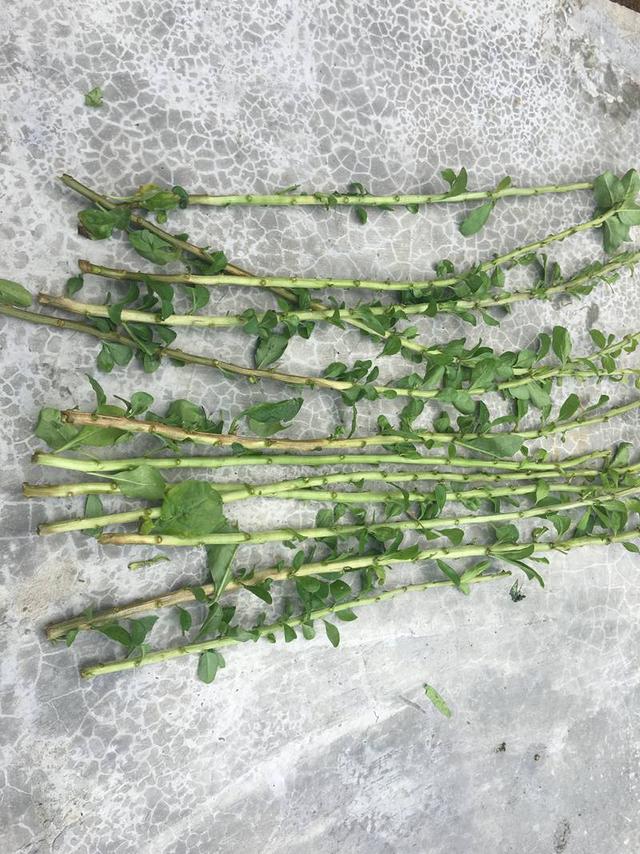
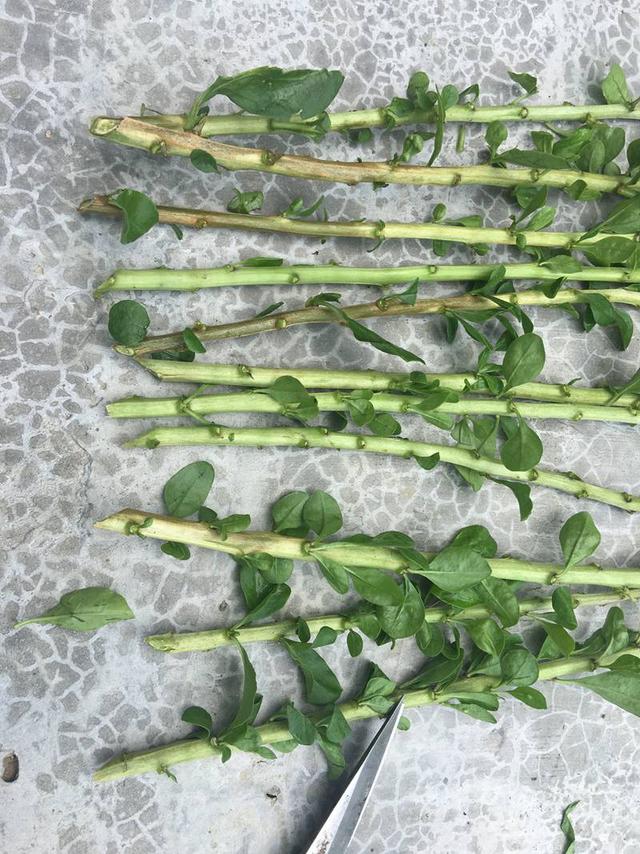
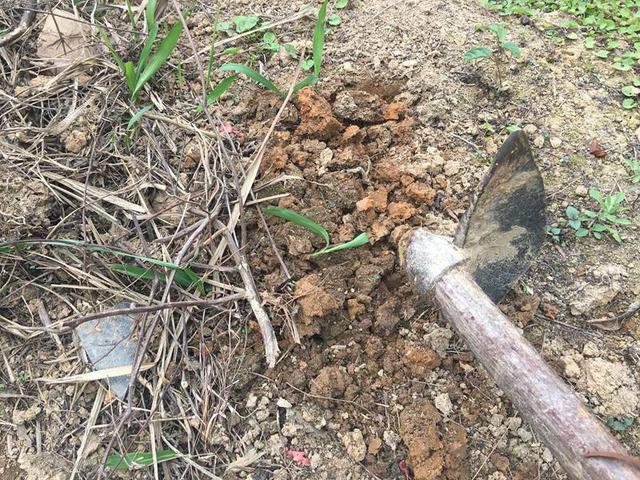
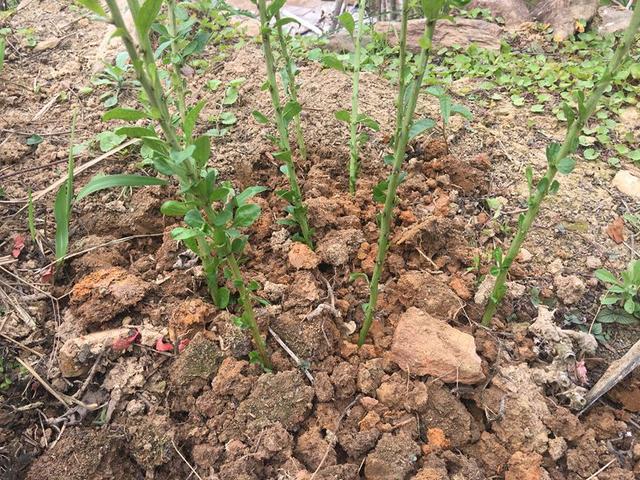
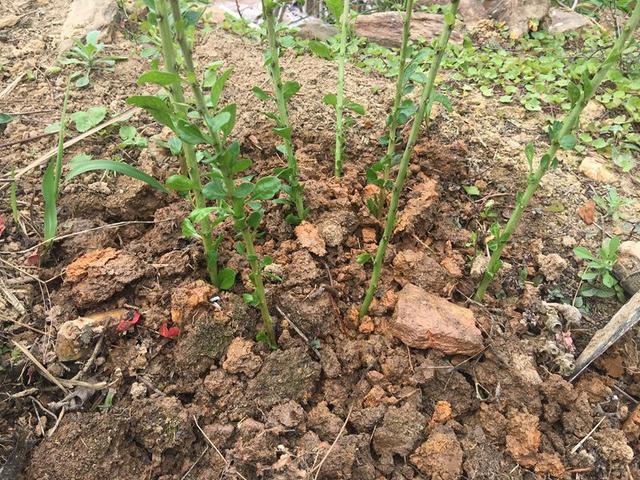
After planting is finished, be sure to water thoroughly